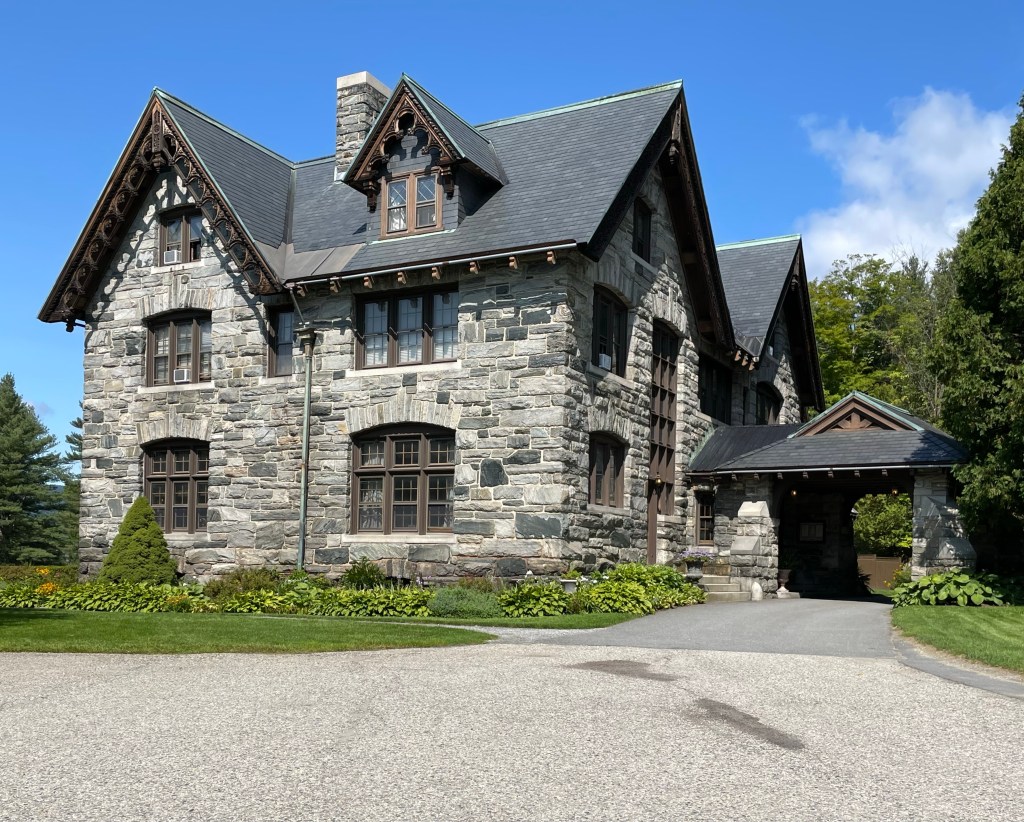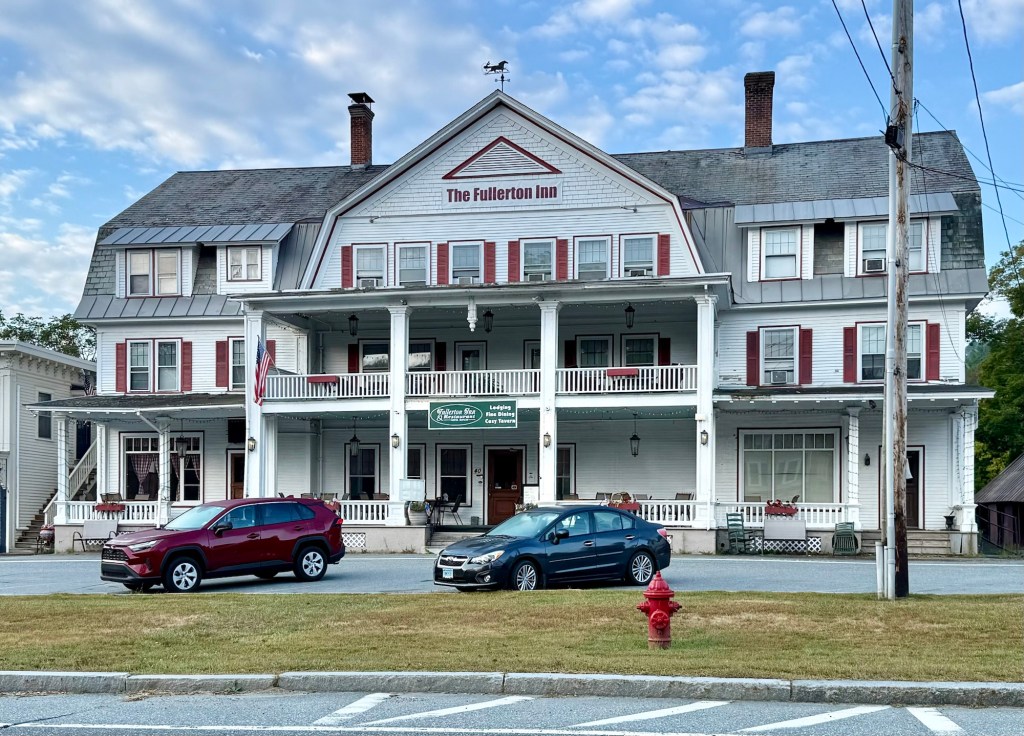
Fullerton Inn // 1921

The Fullerton Inn, overlooking the Town Common in Chester, Vermont, is an imposing Colonial Revival style hotel that has been in operation through many iterations, and contributes to the strong commercial character of the Chester Village streetscape. The inn was first developed here following the arrival of the railroad to Chester, which brought new business and travellers to the formerly agrarian and light industrial community. The original 1862 inn building, known as the Ingraham House, was destroyed following a large fire in the village, and its replacement burned as well in January 1920. Within a year, the present building was built from the ashes in a style typical of the early 20th century, Colonial Revival. Dominated by the large slate-shingled gambrel roof and projecting front veranda, the building’s most iconic feature is said to be inside, a fireplace inside the lobby which contains 27 stone varieties from the area.
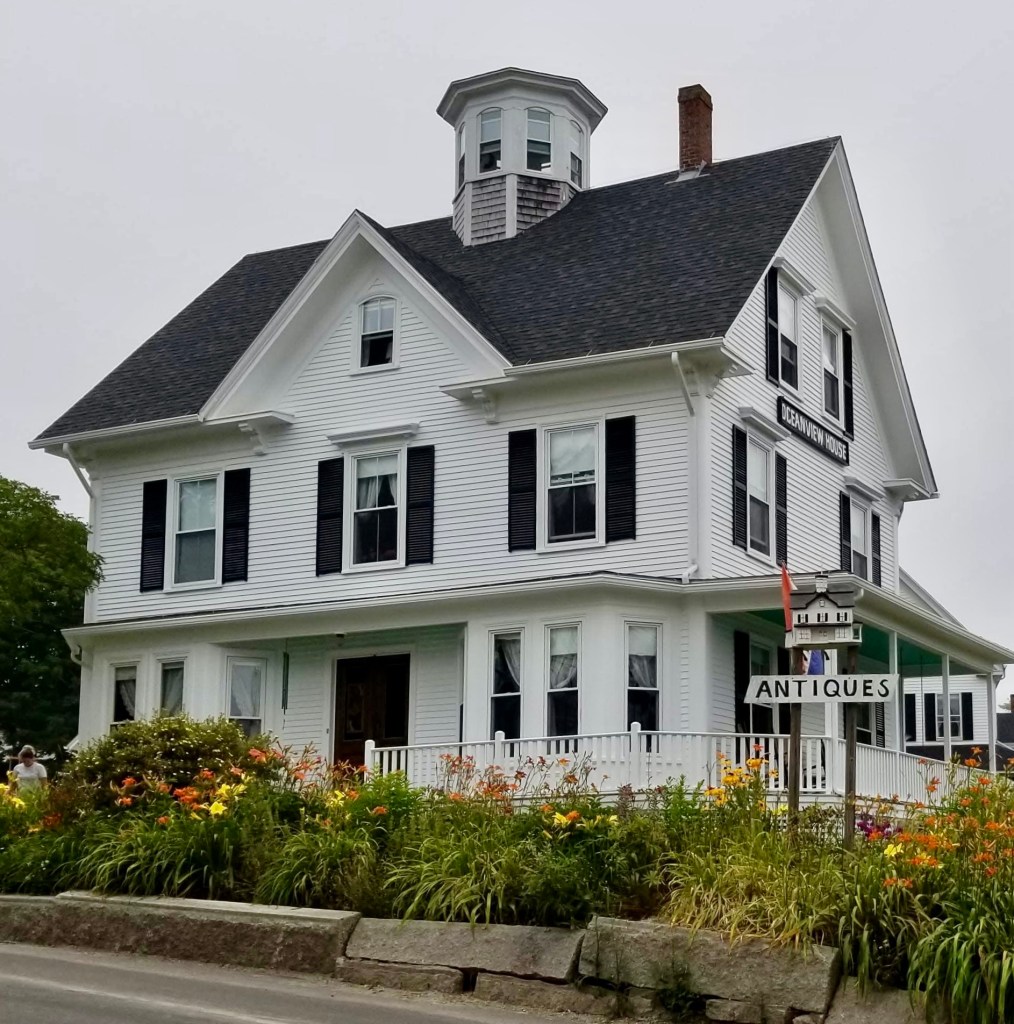
Oceanview House // 1883

At the tail-end of the 19th century, the active fishing town of Stonington, Maine, like many other coastal communities Down East, began to see growing seasonal tourism and summer residents escaping the woes of city life for the cool sea breezes. Although there were neighborhoods of summer cottages built and occupied in the 1890s on Deer Isle, no summer colonies formed in Stonington in the late 19th century, likely due to its industrial nature with fishermen and quarry-workers living in the village. There were however, visitors, and the 1883 Oceanview House was built to house “people from away” every summer. The Oceanview House property also included its own water tank and windmill along with a meeting room for local groups. The late Italianate style building has been lovingly maintained by later owners and most recently, housed an antique store!

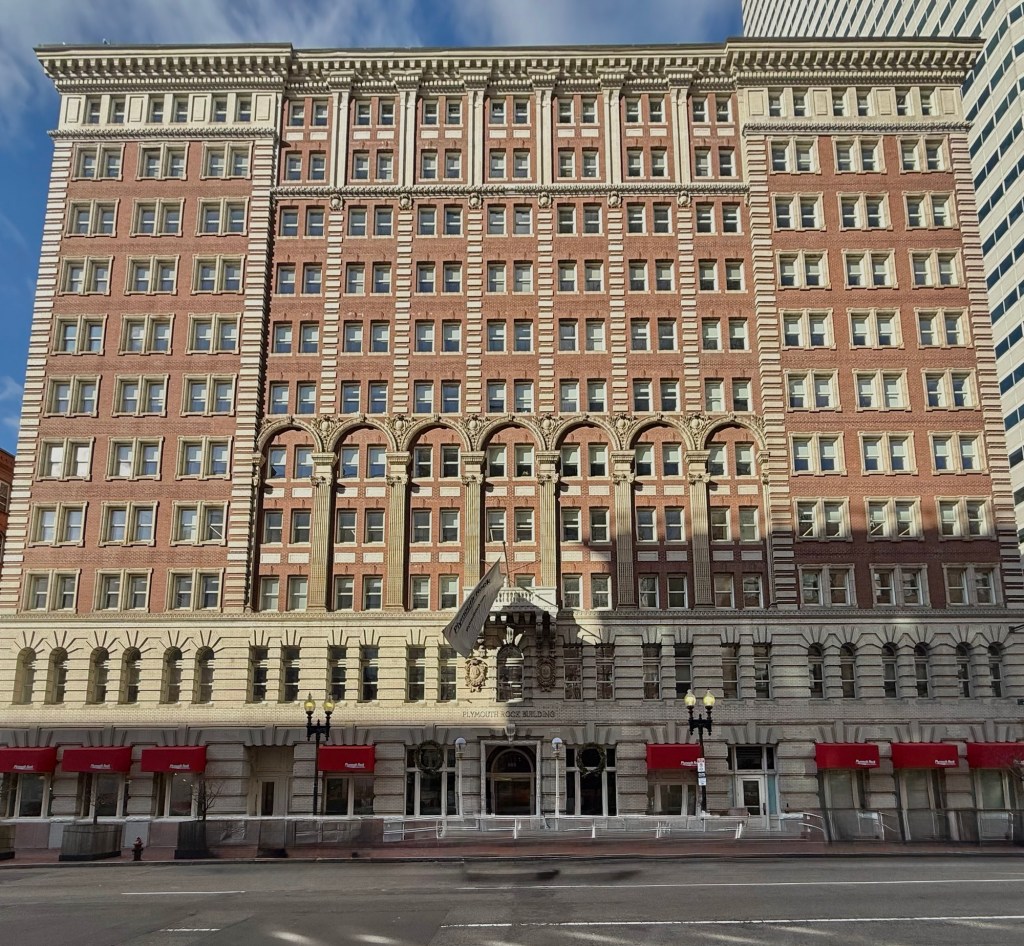
Hotel Essex – Plymouth Rock Building // 1900

The construction of a new South Station Terminal in 1899, prompted a development boom for the nearby area, which had for the previous decades been almost entirely mercantile and centered around the leather and woolen industries. Due to increased land values and an influx of travelers to the area, developers saw an opportunity to erect this building to serve as a hotel for visitors to Boston via South Station. Boston architect, Arthur H. Bowditch, furnished plans for this building in the Beaux Arts/Renaissance Revival style, with use of brick and limestone construction, ornate finishes at the façade including the fluted pilasters, arches and cartouches in the spandrels. The building was completed in 1900 and known as Hotel Essex and featured a long, storied history as a hotel until it closed in the second half of the 20th century. After years of deteriorating conditions, the building was adapted as the corporate offices for Plymouth Rock Assurance Corporation in 1982. The building was restored and has been known as the Plymouth Rock Building ever since.

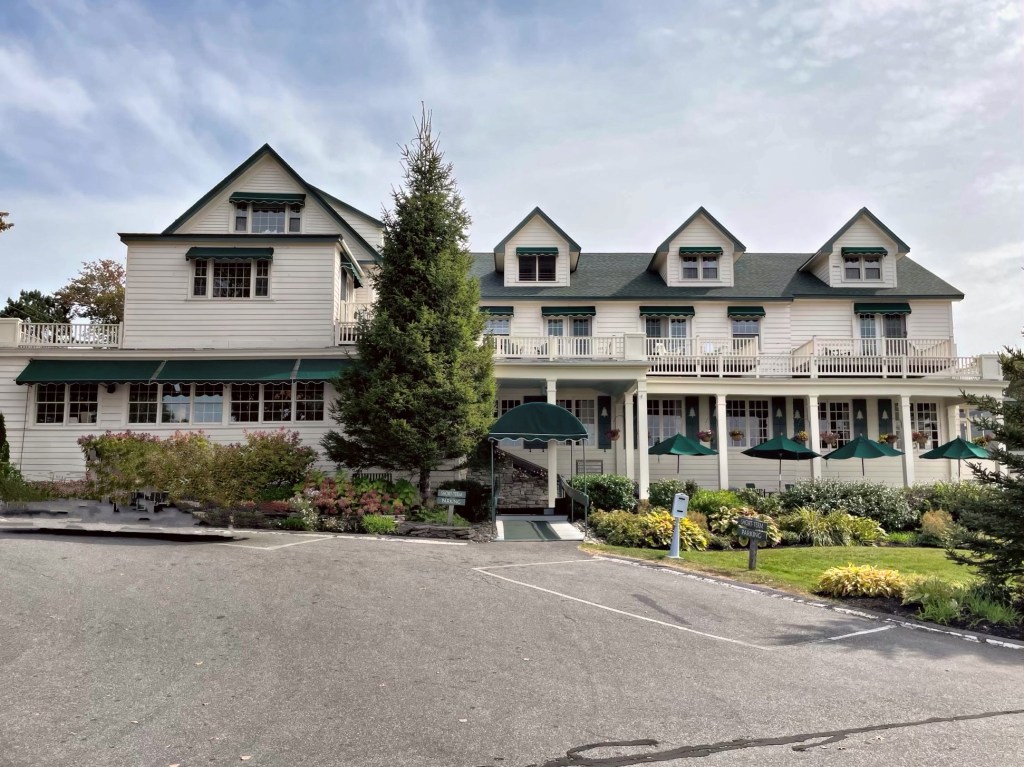
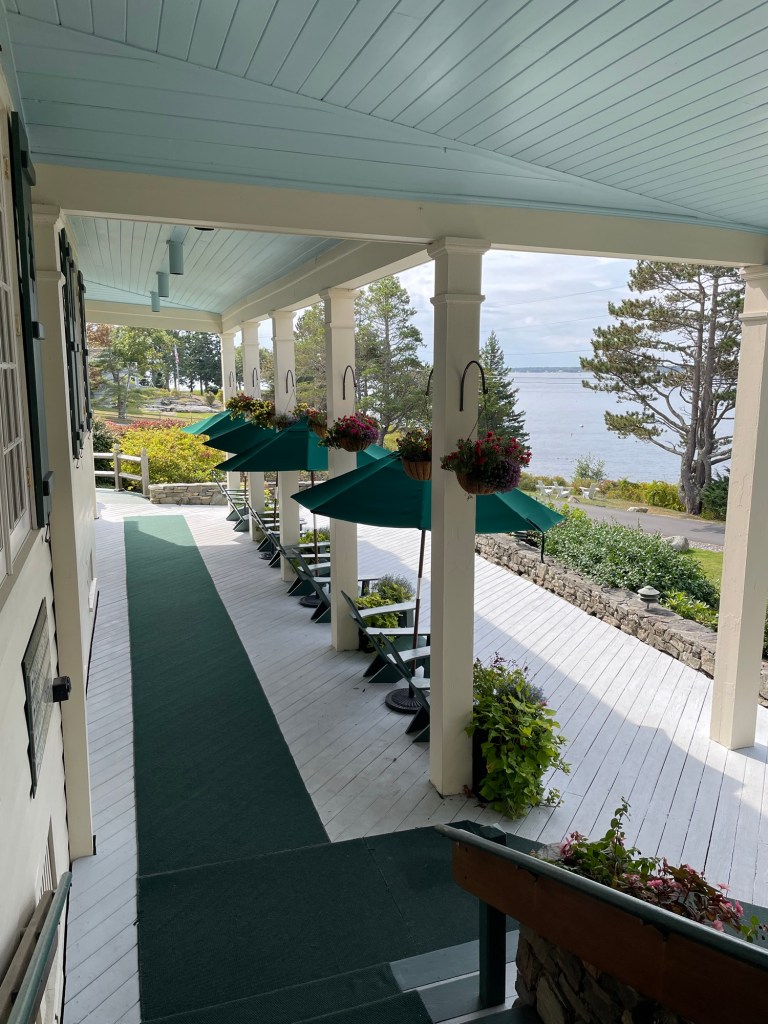
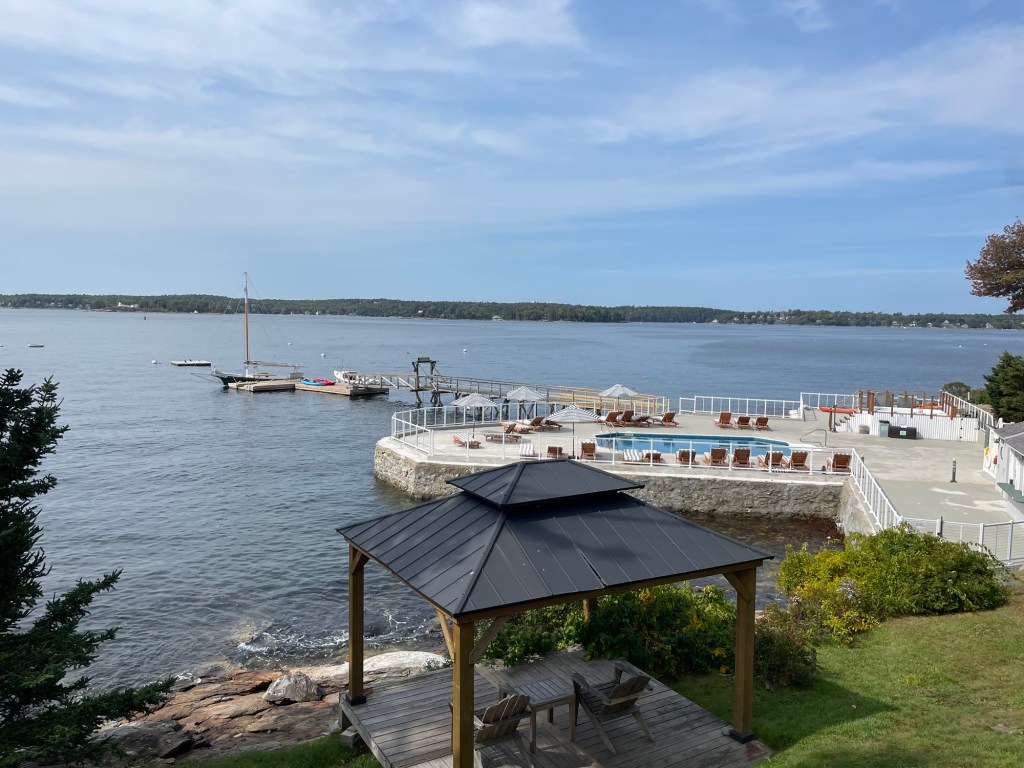
Spruce Point Inn // c.1892

Spruce Point Inn sits amongst acres of pristine pine forests on the shore of the rugged coastline in Boothbay Harbor, in Mid-Coast Maine. The Inn had its beginnings in the 1890s as a hunting and fishing lodge when the peninsula was an undeveloped and remote point on the outer edge of Boothbay Harbor. The enchanting location off the beaten path attracted rusticators, who sought to escape the hot and polluted air of Boston and other cities, for the coastal breezes on Spruce Point. Private cottages were built nearby the old lodge, and frequented by summer rusticators year-after-year. By the 1940s the lodge was converted to an inn and many of the private summer cottages surrounding were acquired and rented out for summers. The buildings exhibit the warm, natural materials typical of the region, with weathered shingles and expansive porches that invite guests to take in the ocean breeze. Inside, the beadboard walls, wood floors, and fireplaces paired with period-appropriate furnishings really provide an authentic historic feeling. The resort’s first saltwater pool was constructed in a rocky outcropping right at the coastline and was recently restored, providing visitors a unique experience to swim in a historic saltwater pool just over the ocean! Over the years, the inn has undergone several renovations and expansions, ensuring that it continues to meet the needs of modern travelers while preserving its historical significance. The Spruce Point Inn is more than just a place to stay; it is a part of the rich history of Boothbay Harbor and ongoing legacy, a historic getaway that blends both luxury and history in a setting unlike any other.

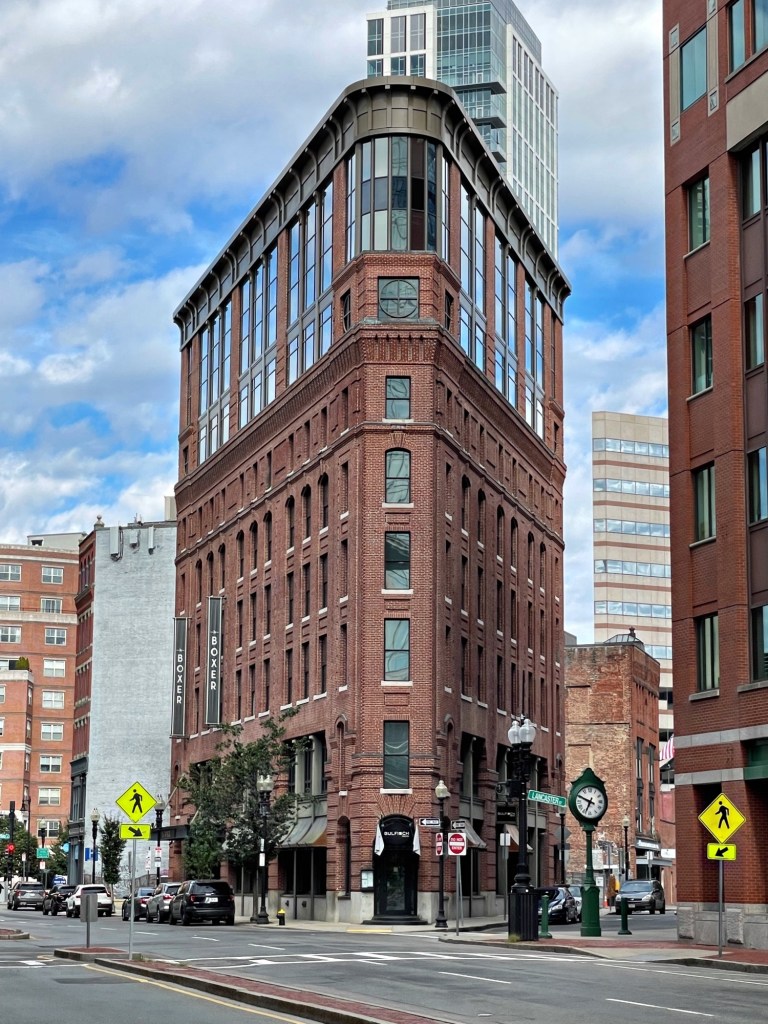
Boston Flatiron – The Boxer Hotel // 1900

The interesting street-layout of the Bulfinch Triangle area of Boston created some oddly shaped triangular building lots which for decades, saw only small, modest wood-frame structures built upon them. By 1900, Boston’s own Flatiron Building (built two years before New York’s more iconic example) was constructed on this site and it has been an icon ever since. The structure was built by ownerCharles Pelham Curtis III (1860-1948), who was born in Boston and graduated from Harvard Law School and became a police commissioner and attorney in the city before moving into real estate development. He hired architect Stephen Codman to design this commercial block, which was rented out to local businesses and professional offices. The building has been home to a hotel for a number of decades, with a major renovation undertaken beginning in 2000, 100 years after the building was constructed. Three floors were added to the top of the original six-story, which are Modernistic in design with large expanses of windows within three center bays that align with the bays of the original building and which are defined by brick piers. The hotel today, The Boxer Hotel, perfectly blends the history of the building with modernity and style. What a gem of a building!

Atlantic House Hotel // 1844-1877

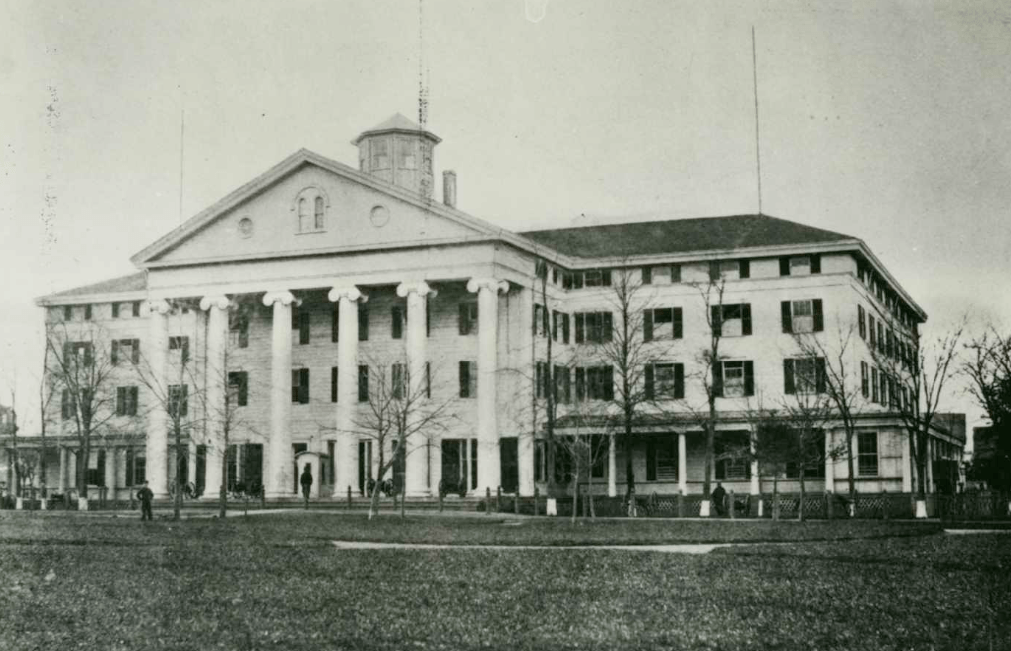
Prior to the present Park Gate Cottage at the corner of Bellevue and Pelham streets in Newport, this was the location of the stunning Atlantic House Hotel. Proprietor William T. Potter purchased this land in 1844 and built the Atlantic House Hotel, a massive Greek Revival style structure designed by Rhode Island architect Russell Warren. The Atlantic House faced Touro Park and the Old Mill and took the form of a large temple with a central two-story Ionic portico and hipped roof side wings. The building was constructed of wood and clad with smooth finish siding that was scored to resemble granite blocks to give it more stature. During the Civil War, the Atlantic House was home to the U.S. Naval Academy (1861-1865) when it was moved here to protect it from attack by the confederate forces at its location in Annapolis, Maryland. After the war, the Navy returned to Newport to establish three major facilities–the United States Naval Torpedo Station, the Naval Training Station and the Naval War College. The aged hotel saw dwindling numbers of visitors as newer, modern hotels were built after the Civil War. The hotel was demolished in 1877, just 33 years after completion, to make way for the Park Gate Cottage presently on the site.

Tontine Hotel // 1824-1913

Historically, inns and taverns offered short-term stays for visitors to New Haven, Connecticut. As the town developed and Yale College grew, land-owners began to realize the potential for larger, centrally located hotels. Established in 1824 and fronting the Town Green, the Tontine Hotel stood for less than 100 years, but was a prominent establishment in the city. The hotel was designed by architect David Hoadley and it hosted many well-known individuals including Native American chief and orator Red Jacket, who gave a speech here in 1829, and Daniel Webster, who came here in 1832. When more modern hotels were built in the early 20th century, the Tontine saw declining and less fancy clientele. The site was slated for redevelopment and the block was demolished in 1913 for the new Federal Courthouse and Post Office (last post).

The Nantucket Hotel // 1891

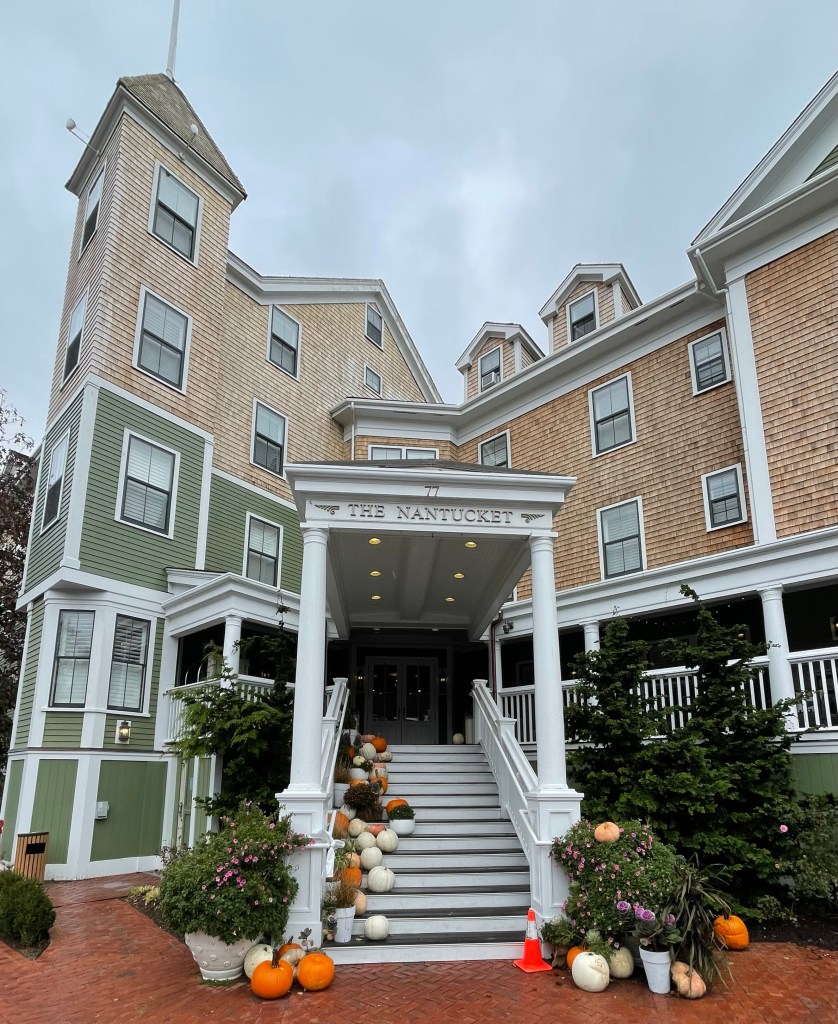
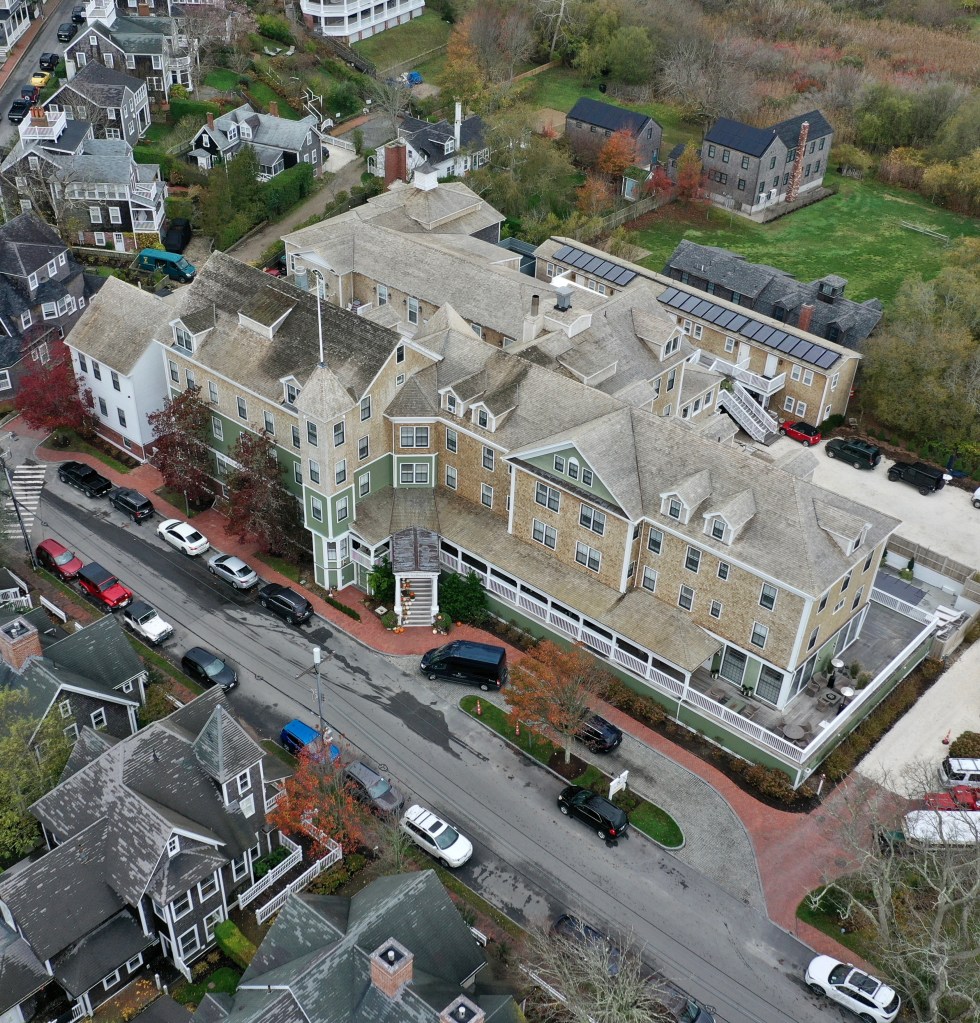
In 1888, Charles F. Folger of Philadelphia purchased the former Elijah Alley house on Easton Street, just north of the main village of Nantucket. Folger hired carpenter Edwin R. Smith to design and build a new grand hotel for summer residents of Nantucket. Originally named the Point Breeze Hotel, the grand resort opened in the summer of 1891. The Queen Anne style hotel contained forty sleeping apartments in the upper floors and was dominated by a corner tower with billiards rooms and a bowling alley in the raised brick basement. Business was booming, and by the early 20th century, Folger expanded the hotel adding the east wing in the Colonial Revival style. In 1925, a fire destroyed the original Point Breeze Hotel, leaving just the East Wing. By this time, the days of the grand, wooden hotels was coming to a close. The Nantucket Institution for Savings acquired the hotel during the Great Depression, until 1936 when Gordon Folger Jr., grandson of the Point Breeze’s original proprietor, purchased the hotel and renamed it after himself, as the Gordon Folger Hotel. By the end of the 20th century, the building sat underutilized, the early 2000s when Little Gem Resorts purchased the hotel, seeking to restore this historic property back to her former glory. The original 1891 hotel was rebuilt in 2012, even down to its iconic corner tower, and the hotel was renamed The Nantucket. The hotel is open year-round and is lavish inside and out, providing you with a sense of home even when on vacation in the middle of the Atlantic!

Colonial Inn, Ogunquit // 1897

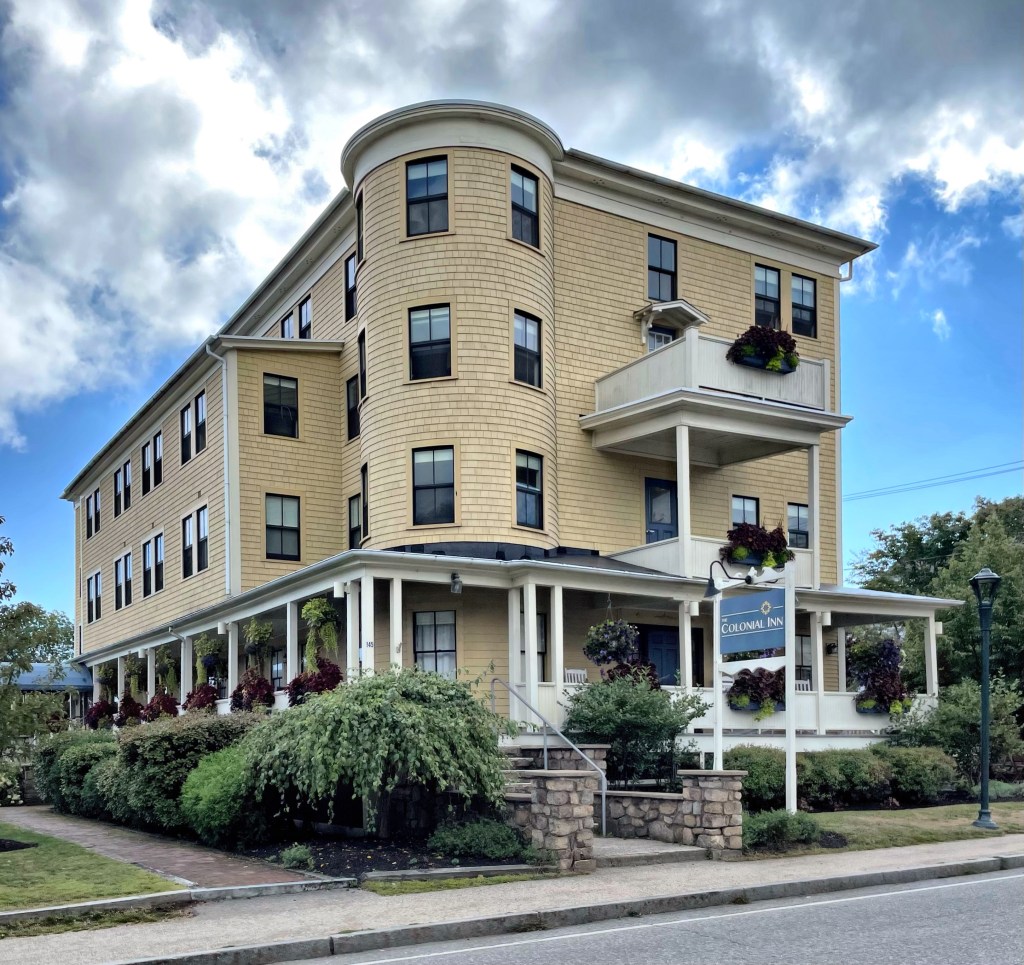
As Ogunquit surged in popularity as a coastal summer retreat in the late 19th century, the flocks of city-dwellers needed a places to rest their head after splashing in the crisp Maine ocean. The original structure began with a mid-19th century house, likely in the Greek Revival style. It was expanded in the 1880s when it opened as a hotel for tourists, equipped with a mansard roof. The hotel consistently sold out of rooms in the summer months and the proprietors decided to expand in about 1897 with a sizeable Queen Anne style addition. A fire in 1951 destroyed the rear wing of the building and the conical tower roofs were removed, resulting in the final form seen today. The hotel is historically significant because it is the only surviving 19th-century hotel in Ogunquit that still serves as a hotel and largely retains its historic appearance, enhanced following a 2013 restoration by the owners who worked with David Lloyd of Archetype Architects. Other hotels of the period have either been converted to condominiums or been engulfed by modern alterations. The hotel was thus placed on the National Register of Historic Places, a large, and worthy addition!

Allen Fletcher Mansion // 1906

As Cavendish and other rural towns of Vermont became summer destinations for the rich of the urban centers of the northeast, large estates began to sprout up, replacing old family homesteads. Allen Miller Fletcher was born in Indianapolis, Indiana, the grandnephew of Josiah Fletcher, one of the original settlers of Cavendish in September 1853. He was the son of a successful banker and became a banker himself, building homes in Indianapolis and New York City. In 1881, he built a summer home in his ancestral home of Cavendish, taking the train up to relax and breathe in the clean air. While living most of the year in New York, Fletcher became involved in Vermont politics, winning the Republican nomination to serve in both the Vermont House of Representatives and the Vermont Senate in the early 1900s. During his time as a Vermont state senator, Fletcher commissioned architect Samuel Francis Page of the Boston-based firm, Fehmer and Page, to bring his vision to life. Page used English Cotswold-style architecture for his inspiration, and when completed in 1906, the home was the first in Vermont to be fully wired for electricity and equipped with an elevator! Fletcher also hired Frederick Law Olmsted Jr. to design the landscaping on the property. Fletcher would spend the rest of his life at his country mansion, going on to work as the Governor of Vermont from 1912 to 1915. Today, Fletcher’s beautiful mansion now lives as a magnificent holiday retreat known as the Castle Hill Resort & Spa.