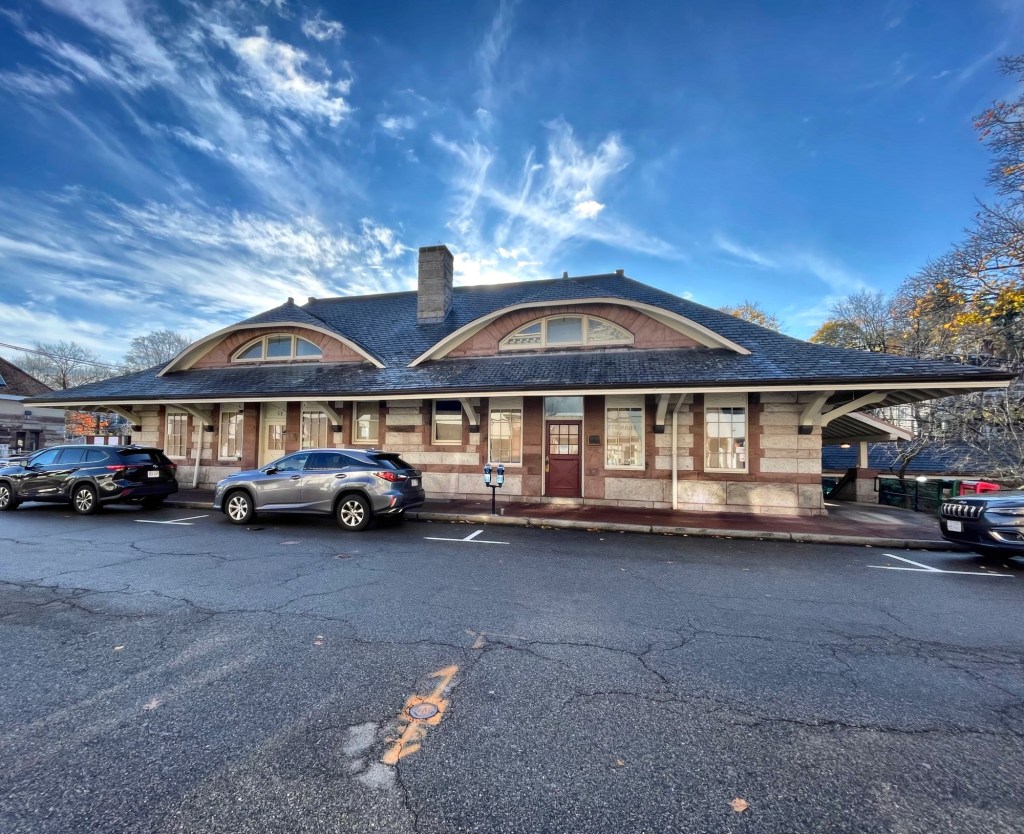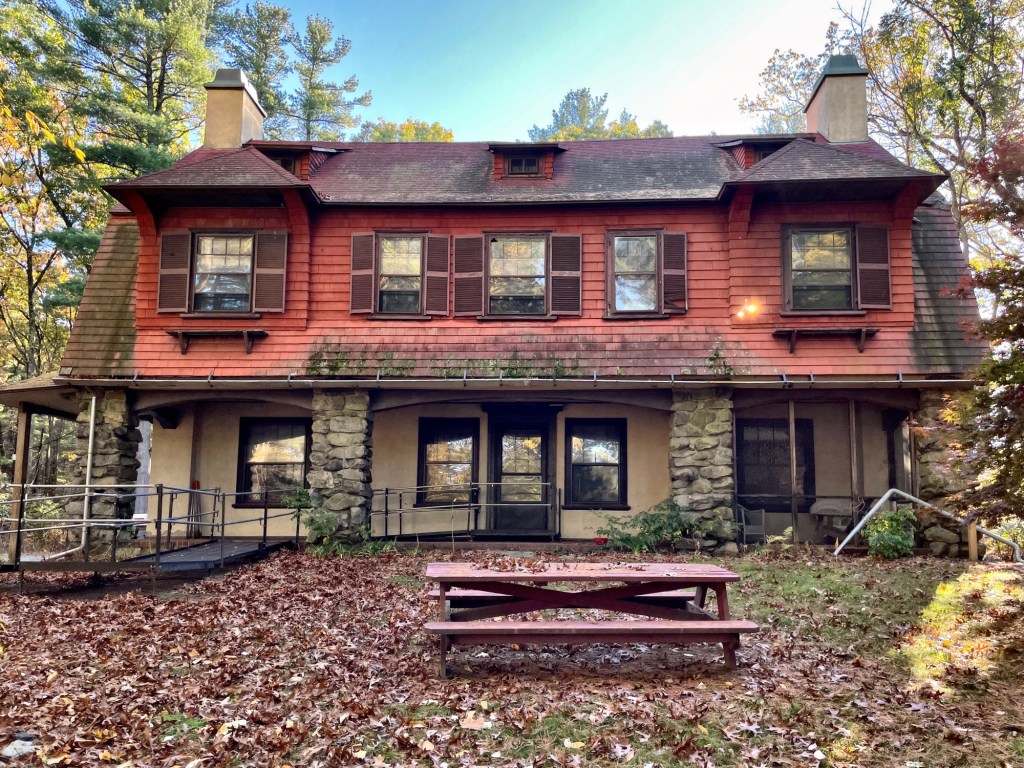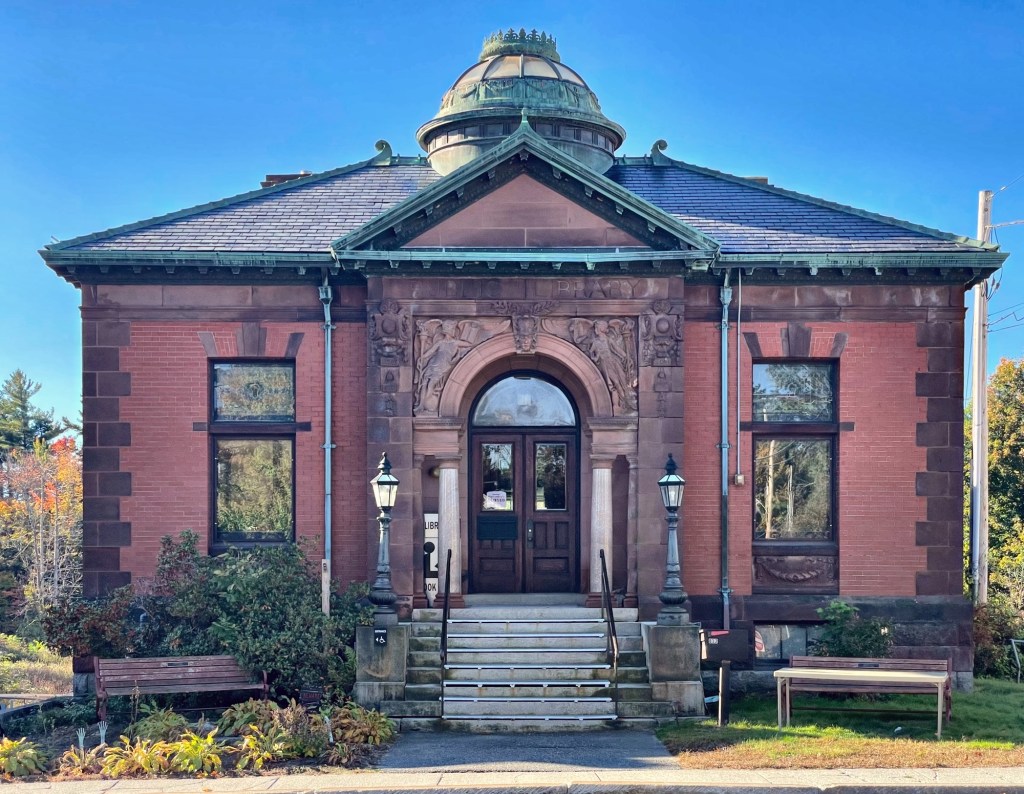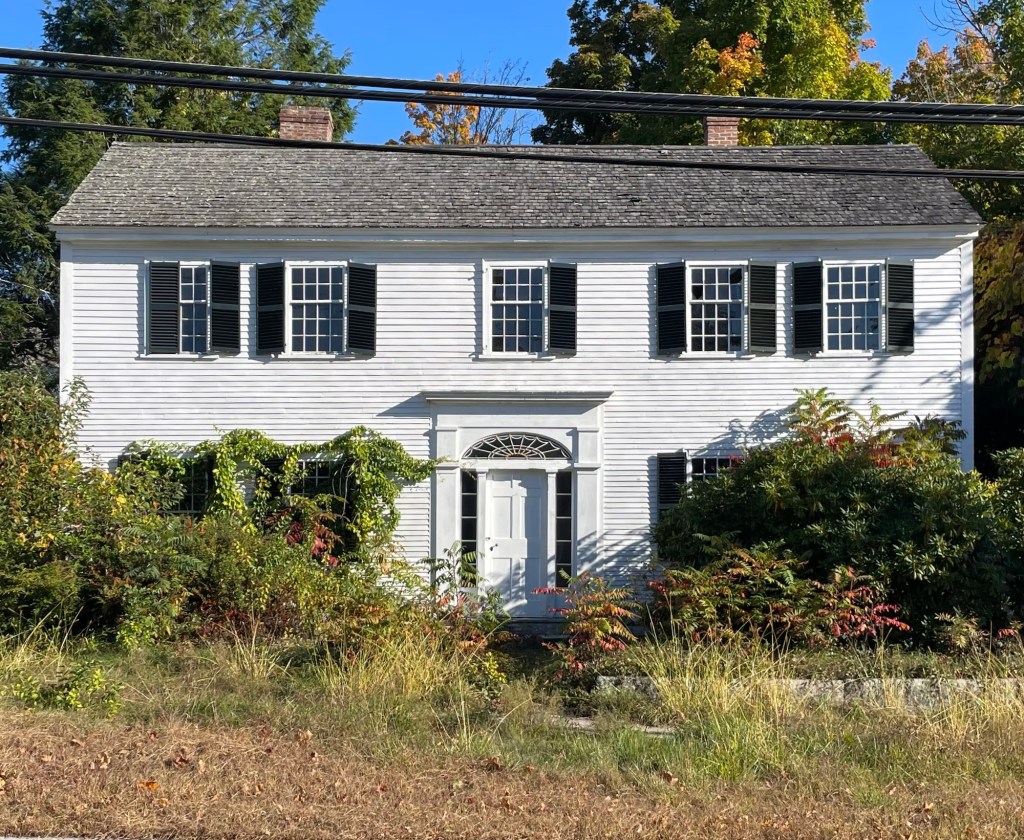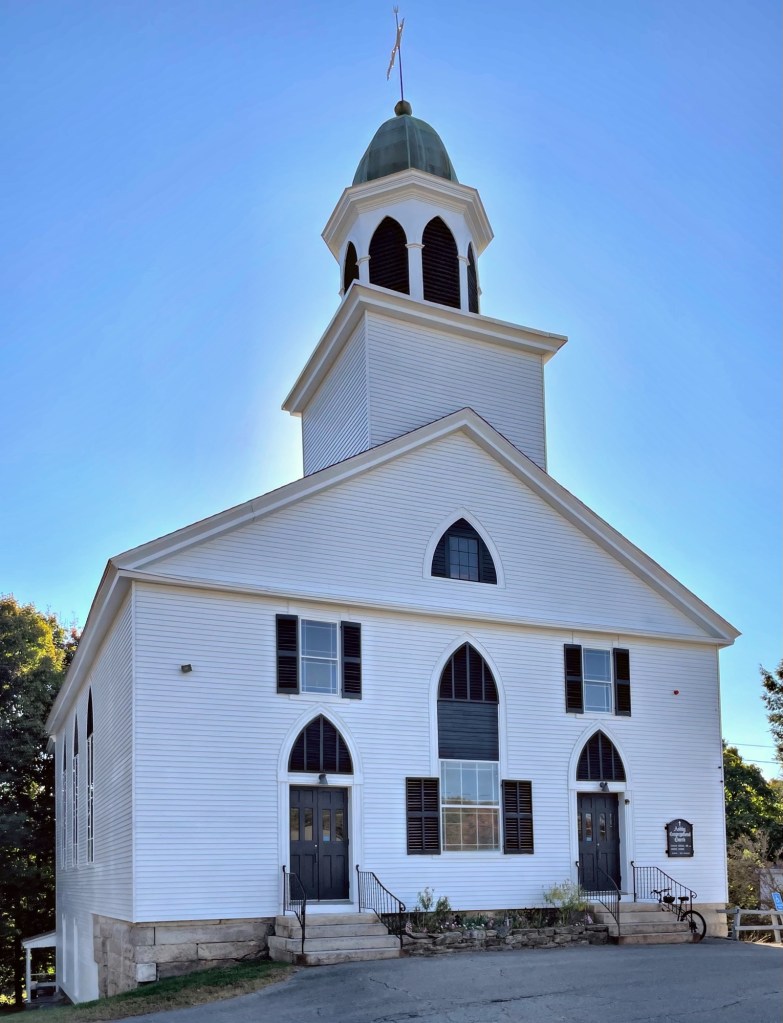
Former West Acton Universalist Church // 1868

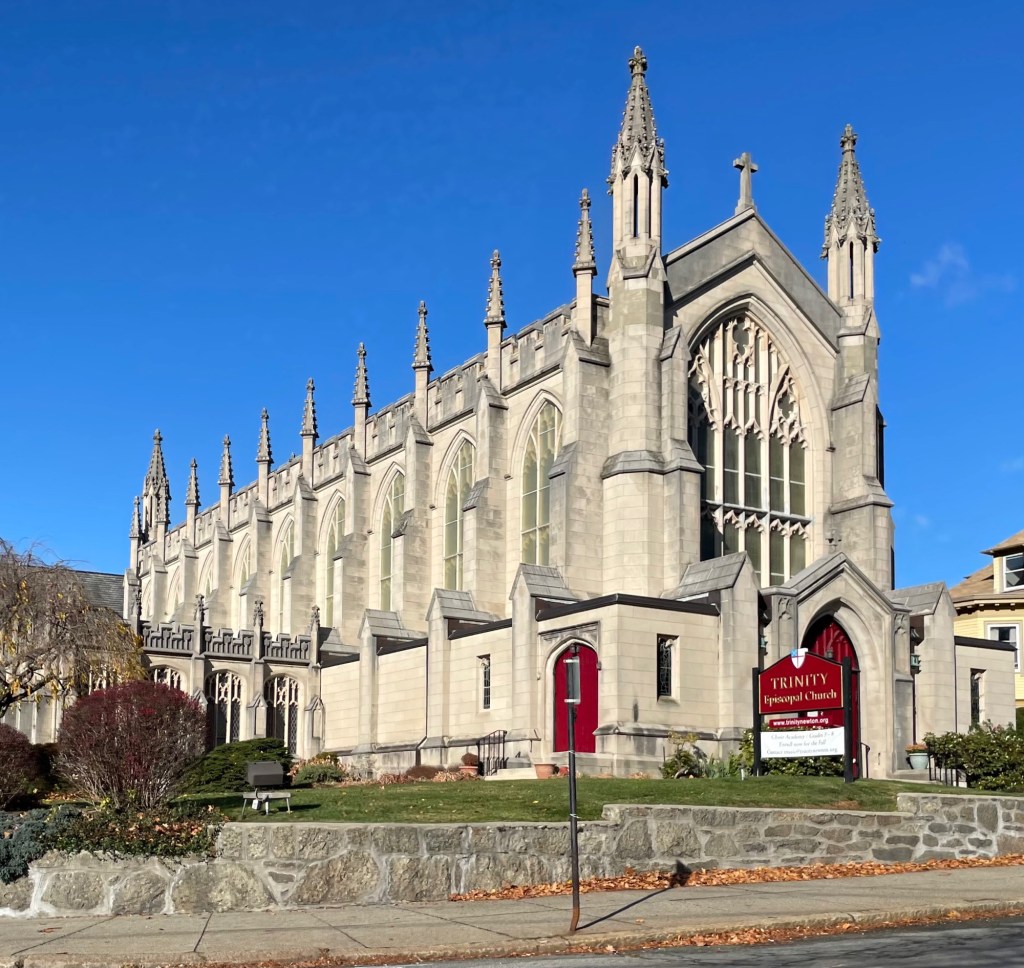
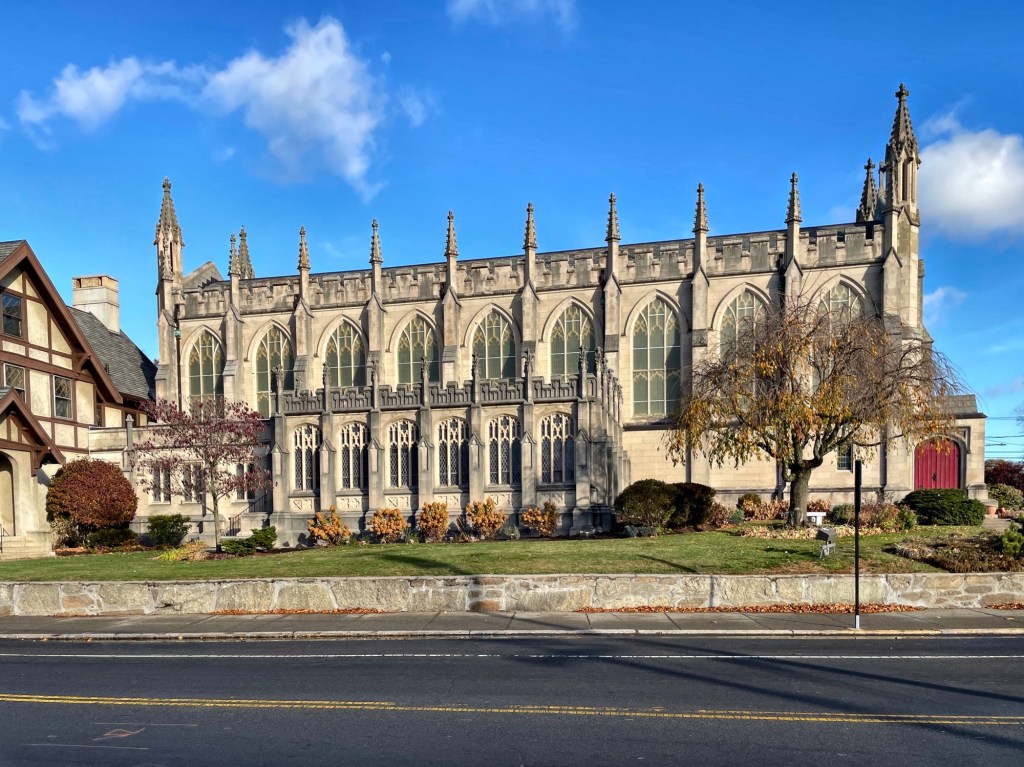
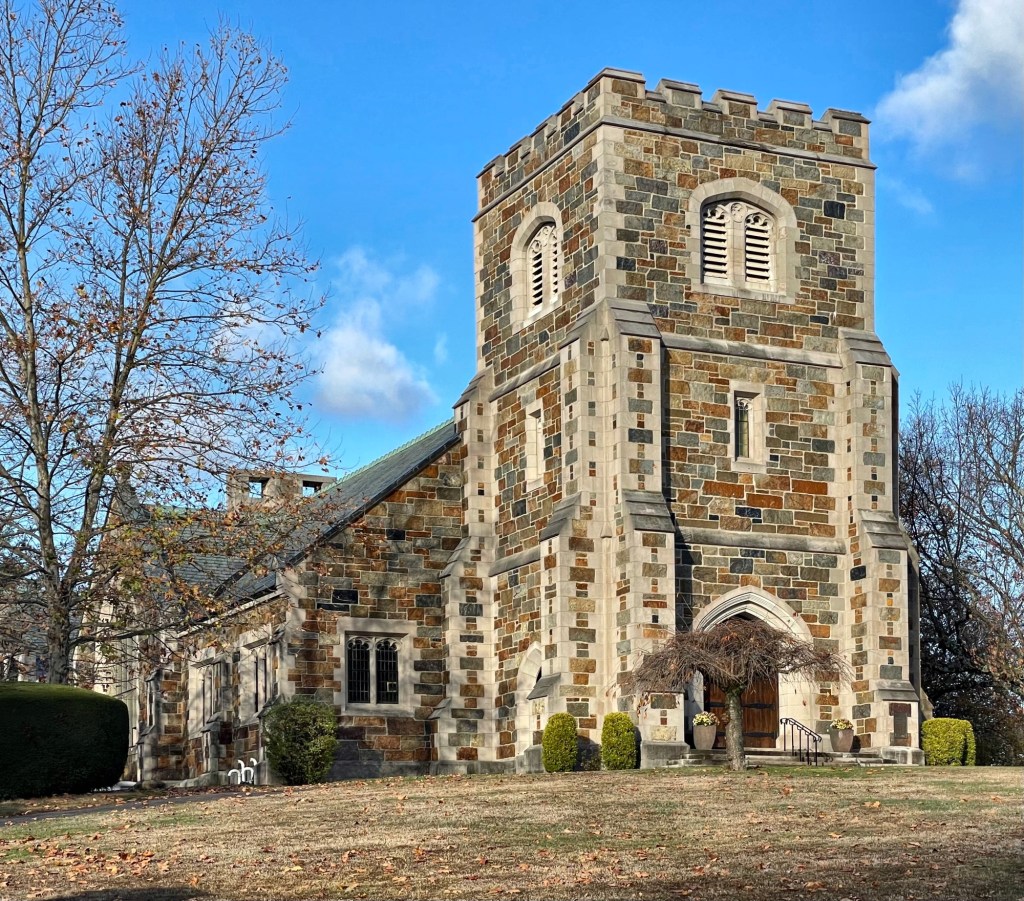
This beautiful church in Acton, Massachusetts was built in 1868 by the Universalists of West Acton who sought a house of worship closer to their homes, rather than taking horses to the other part of town every week. The building exemplifies the influence of both Gothic Revival and Italianate styles on rural churches of the time. Gothic elements include the double pointed lancet windows with quatrefoil ornament, buttresses, and pointed lancet panels on the tower and belfry. Italianate elements include the rusticated base and the corbel table at the eaves. Religious services ceased in 1925. At that time, the church building was bought by leading men in the village who gave the building to the West Acton Women’s Club, which began in 1890 by Lucy Mead (the wife of Oliver Mead, who built the Mansard home nearby). In the 1950’s, the church was used as a community center. It is now home to a local performing arts center, Theatre III Box Office.

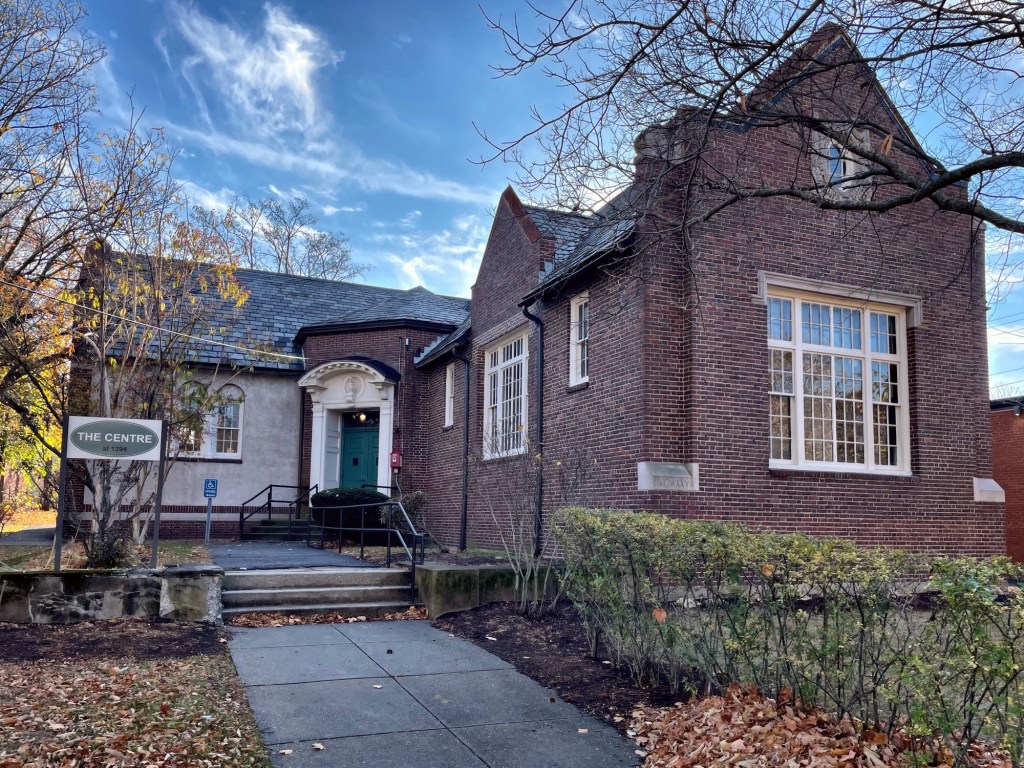
West Acton Citizens Library // c.1845

Old houses adapted for other uses always deserves a highlight! The West Acton Citizens Library was originally constructed in 1840 as a small, one-story Greek Revival style cape house either for or purchased by Phineas Wetherbee, a farmer and early landowner in the village. The modest house features little detailing besides the recessed entrance composed of wide, flat pilasters and a lintel decorated with square corner blocks and a central keystone. In 1883, Phineas Wetherbee met with thirty-nine others to form the Citizens Library in West Acton. The organization accessioned the collection of the former Farmers Club Library. When Mr. Wetherbee died in 1895, he bequeathed his house to the library, who later moved into the house by 1900. Today, the house remains a library space for the West Acton village.

Samuel Jones House // 1806

This home in Acton Center was built in 1806 by Samuel Jones, shortly after he and other esteemed residents laid out house lots just south of the Town Green. Samuel Jones worked as an attorney and he lived here with his family and widowed mother, who operated a dame school, where she taught local children out of the house. The Federal style farmhouse sits upon a brick and stone foundation and is five-bays at the facade. The entry features a panel front door with sidelights flanking it. The entry is surrounded by a traditional Federal style frame with pilasters and entablature. There is something so beautiful about the simplicity and proportions of old Federal style houses.

Hoar House // 1891

This house in West Acton is the last in this batch of Queen Anne style Victorian houses I’ll feature in the village. The dwelling was built in 1891 for a 31-year-old John Sherman Hoar, Jr. (1860-1954) and his new wife Minnie R. Hart. John was a master carpenter and built many of the Queen Anne style homes on Windsor Street and later Colonial Revival and Craftsman homes in the 1890s and 1900s himself. This was his own property which once included a workshop where he cut and manufactured many homes on the street. Today, the Hoar House has a cheery pink color scheme (which while not historically appropriate) brought a smile to my face when strolling by!

Edgar Hall House // 1889

Another of Acton’s amazing old Queen Anne homes is the Edgar Hall House, an 1889 gem on Windsor Avenue. The house was built for Edgar Henry Hall and his wife Angelina who raised their daughter, Alice, in the home. Edgar and his brother inherited the family business from their father, Enoch Hall, and they produced wooden pails, tubs, clothing racks, and other wooden goods. The company employed over 30 workers in the early 20th century until it closed during the Great Depression. Edgar retired and relaxed from this stunning Victorian home until his death in 1954.

Arthur Blanchard House // 1892

I do not feature enough Queen Anne style buildings on my account, as penance, I present this beautiful example of the style with a painted lady color scheme! Located on Windsor Avenue in West Acton, Massachusetts, this house was built in 1892 and has all the hallmarks of the Queen Anne style. The use of varied siding materials and forms, asymmetrical form, applied ornament, and large five-sided tower capped by a conical slate roof with weathervane. The home was built for Arthur F. Blanchard, a local businessman who operated an apple farm and marketing business opened by his father. Mr. Blanchard was a philanthropist in town and used his wealth to enhance his hometown by funding the Blanchard Auditorium at the Acton High School (1925) and was a benefactor of the West Acton Women’s Club in 1925. He and his son, Webster, also founded the Blanchard Foundation in town in 1946, an organization which funded and sponsored educational projects for the community.

George and Effie Mead House // 1911

Prominently sited upon a hill on a dead-end street in West Acton, Massachusetts, this Craftsman Bungalow is a very elaborate and well-preserved example of the style. The house was built in 1911 for George Varnum Mead (1861-1940) and his wife Effie Wright Mead (1860-1926) as their summer home when they weren’t living in Somerville. Mr. Mead was born in West Acton to Varnum Balfour Mead, who operated the A. O. W. Mead Company, a produce marketing business in Acton and Boston. Varnum’s brother built an elaborate Second Empire style mansion in town which was featured on here yesterday. George Mead followed his father’s footsteps and worked in the family business, which was in operation starting in the 1840s. The A. O. W. Mead Company gathered produce from farmers all over West Acton, kept the produce in cold storage facilities erected by the family, and sent it to Boston for sale at Quincy Market until George’s death in 1940. The Craftsman style house has a fieldstone base, low, overhanging flared gable roof, and is sheathed in shingle siding. Characteristic features include the multiple dormers, exposed rafter tails, grouped windows, and the large fieldstone chimney.

Oliver Mead Mansion // c.1870

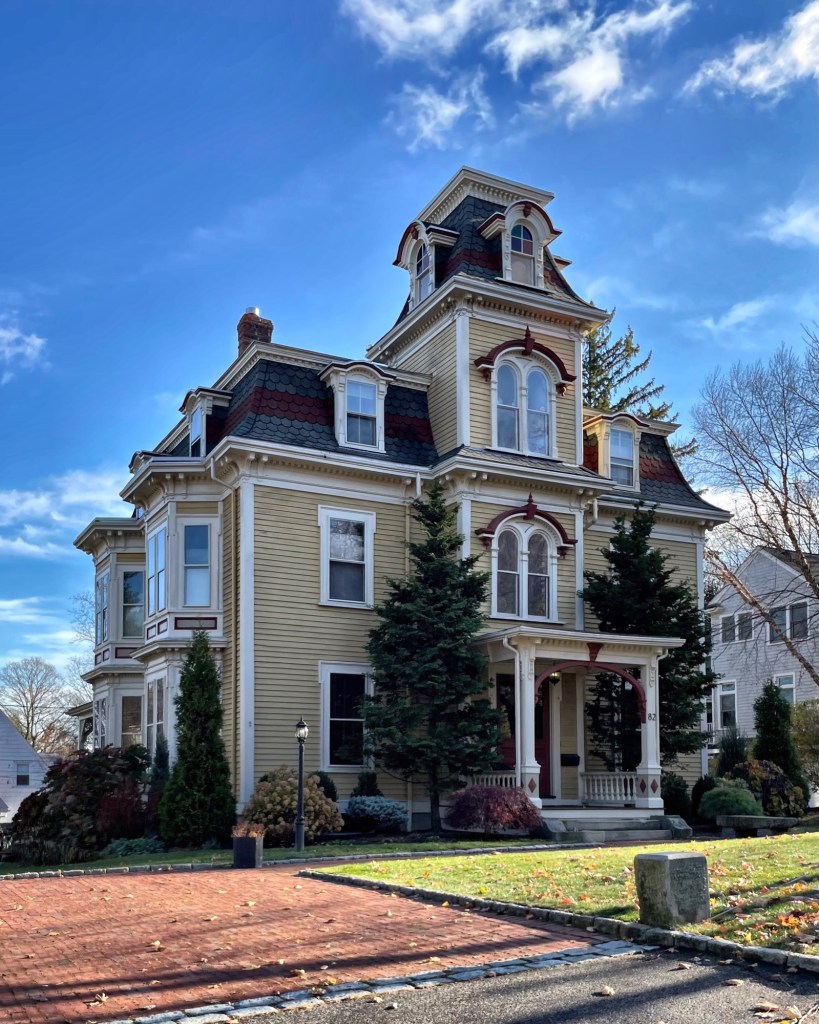
Acton, Massachusetts is one of the more underrated Massachusetts towns for great old buildings, many of which are well-preserved and taken care of by their owners. The Oliver Mead Mansion in West Acton Village is among the largest in this part of town and is a stellar example of the Second Empire style. The house and adjacent carriage house was built around 1870 for Oliver Mead (1823-1912), who co-owned the A. O. W. Mead Company with his two brothers, a successful produce marketing company where they sold poultry, eggs, cheese, fruit, and other goods from farms in Acton and Boxborough to their shop on Market Street in Downtown Boston. The company did well, and Oliver and his brother Adelbert built matching mansions in West Acton after the Civil War and business picked up. The house exhibits a central projecting tower bordered by quoins and topped by a mansard roof with iron cresting on top. The original carriage house remains in a great state of preservation as well. The Adelbert House and Carriage house nextdoor were demolished in the 1950s for the fire station on the site.

Newton Working Boys Home // c.1895

At the edge of the Charles River at the far edge of Newton, Massachusetts, homeless working boys of the Boston area had a place to rest their head. The Working Boys Home was established in 1883, as a new Catholic charity in Boston. Its mission was to provide a home for working adolescent boys (messenger boys, newsboys, boot blacks, etc.) who had no place to call home and often slept in abandoned buildings, alleys, stables, and other such places. The Working Boys Home was open to homeless boys between 12 and 17 years of age, and all were expected to work and contribute a part of their wages to the support of the home. The original space in Jamaica Plain and subsequent Bennett Street (North End) locations were deemed too inadequate. In 1890, the 48-acre estate in the Oak Hill section of Newton was purchased and this four-story brick building built from plans by William H. McGinty. After WWII, city prosperity other services reduced childhood homelessness, and the last group of boys moved out of the Working Boys Home in 1961. The property was sold in 1979 to the Combined Jewish Philanthropies of Greater Boston to be used as a center for activities meeting cross-generational needs, now known as JCC Greater Boston.

Hyde-Richardson House // c.1728

The Hyde-Richardson House is one of roughly twenty remaining pre-Revolutionary War homes in Newton. The home was built for Timothy Hyde (1689-1756) after he inherited the property including 36 acres and a house from his father John Hyde. Timothy had two wives: Rebecca Davis who he married in 1718 and died in 1724 (seemingly in childbirth); and his second wife Sarah Whitmore, whom he married in 1727. The home was likely built soon after his second marriage. It is possible that parts of the original home on the site were reused for this structure. He served as Surveyor of Highways and Constable and in 1710 was drafted to serve with the militia in the successful siege of Port Royal in Canada. In 1761, Jeremiah Richardson bought the property and married his wife Dorcas Hall that same year. Richardson was a deacon and like Timothy, served as Surveyor of Highways. The property remained a farm until the 1930s when the automobile and suburban expansion reached the Oak Hill section of Newton. The farmland was ultimately was subdivided to create the surrounding neighborhood in the mid 20th century.

Ellen Banning Ayer Country Estate – “Ledgebrook” // c.1905

Ellen Banning Ayer (1853-1918) of Minnesota married Frederick Ayer in 1884 and her life completely changed. Frederick Ayer was one of the richest men in New England and he was involved in the patent medicine business, but is better known for his work in the textile industry. After buying the Tremont and Suffolk mills in Lowell, Massachusetts, he bought up many textile operations in nearby Lawrence, combining them in 1899 into the American Woolen Company, of which he was the first president. The couple had at least three houses in Lowell, Boston, Pride’s Crossing and had three children (one of whom Beatrice, later married the famed general George Patton). As the Ayer Mansion on Commonwealth Avenue was being built, the family was looking for a country house near the city. One year, Frederick asked Ellen what she wanted for a gift and she said “roses”. Frederick purchased an old farmhouse on Nahanton Street in Newton and had greenhouses and a stable built immediately, followed by a Colonial Revival country house for his wife Ellen. The mansion held lavish parties for the Ayers, who loved to entertain and it was passed down to their eldest daughter Katharine Ayer Merrill. The property was purchased in the 1920s by Clive and Mona Lacy for decades until it sold in the 1980s. The large site was eyed for redevelopment. The architectural firm of Dimella Shaffer was hired, and they restored the Ayer House, and designed forty residential units on the site, all tucked into the woods gently peering out here and there. The old Ayer House remains as the clubhouse of the Ledgebrook Condominiums Association.

Kistler House // 1893

In 1852, Beacon Street in Newton was extended westward from Chestnut Hill through Newton Centre. The village’s suburban development accelerated through the activities of real estate developers as the city became connected to Downtown Boston by roadways and rail. This home was built in 1893 for Andrew and Ann Kistler. Andrew Kistler worked as a leather dealer in Boston, and commuted into the city daily. The Kistler House is an excellent example of Colonial Revival with some added oomph.

Ms. Grace Weston House // c.1898

At the end of the 19th century, much of Boston’s suburban communities saw rapid development where country estates and farmhouses were razed and their properties laid out for residential development. This house in Newton was built around 1898 as a late Queen Anne and it has so many details and intricacies. The earliest known owner was Grace M. Weston who was mentioned often in local newspapers as an expert on antiques.

T. C. Sullivan House // 1898

Behold this Queen Anne painted lady in all her glory! This home was constructed in 1898 as a late Victorian addition to Newton’s built landscape. The home’s earliest known owner was a T. C. Sullivan, who left the property to his family upon his death. The house is painted some pretty bold colors, which does an effective job at highlighting the many architectural details and intricacies in the design, but the home would have never been painted like this historically. A little history lesson: the “painted lady” trend took off in San Francisco when after WWII, disinvestment in the urban core led many Victorian homes there to be demolished, altered and covered with siding, and many were painted gray with war-surplus Navy paint (battleship gray). In 1963, San Francisco artist Butch Kardum began combining intense blues and greens on the exterior of his Italianate-style Victorian house. His house was criticized by some, but other neighbors began to copy the bright colors on their own houses. Kardum became a color designer, and he and other artists / colorists began to transform dozens of gray houses into Painted Ladies. By the 1970s, the colorist movement, as it was called, had changed entire streets and neighborhoods. This process continues to this day. The trend took off all over the United States as urban centers saw re-investment and gentrification. While not historically appropriate, the Painted Ladies can really make people happy and show pride in ownership.

Barrows-Goddard House // 1898

Happy Halloween! To celebrate I wanted to feature one of the more creatively decorated houses in the Boston area, which blends spookiness with architecture! This is the Barrows-Goddard House, so named after its first two owners. The house is located in Newton and was built in 1898 as an eclectic Queen Anne/Shingle style home. The original owner was Joseph Barrows, who developed the property and sold it within a year, relocating to a new home on a less busy street. The property was owned next by Christopher Goddard, an insurance agent with offices in Boston. Architecturally, the gable roof of the main block is intersected by an over-scaled gambrel cross-gable clad in patterned cut wood shingles. The focal point of the design is the Syrian-arched entrance porch of coursed, dressed fieldstone which this time of year, eats trick-o-treaters!