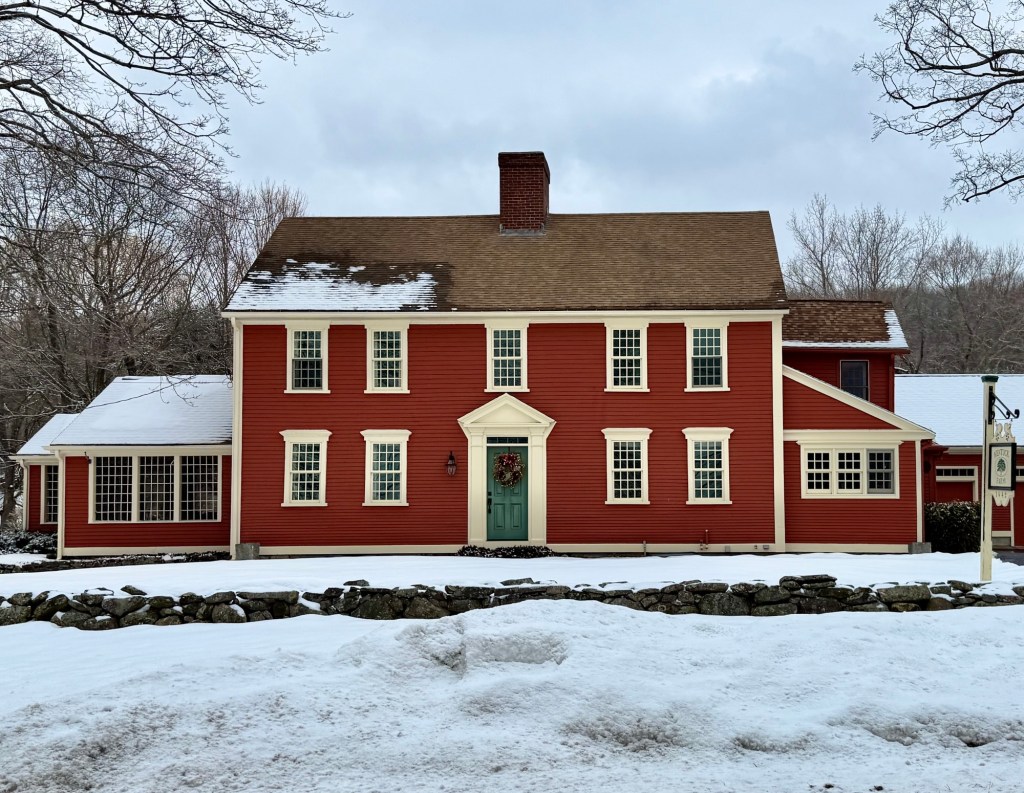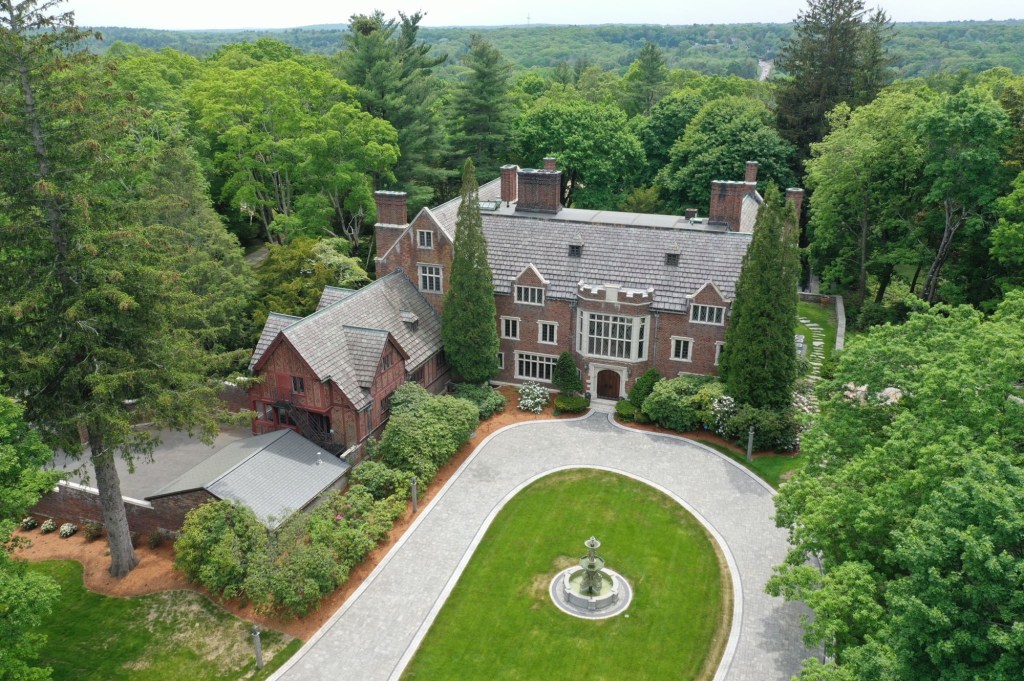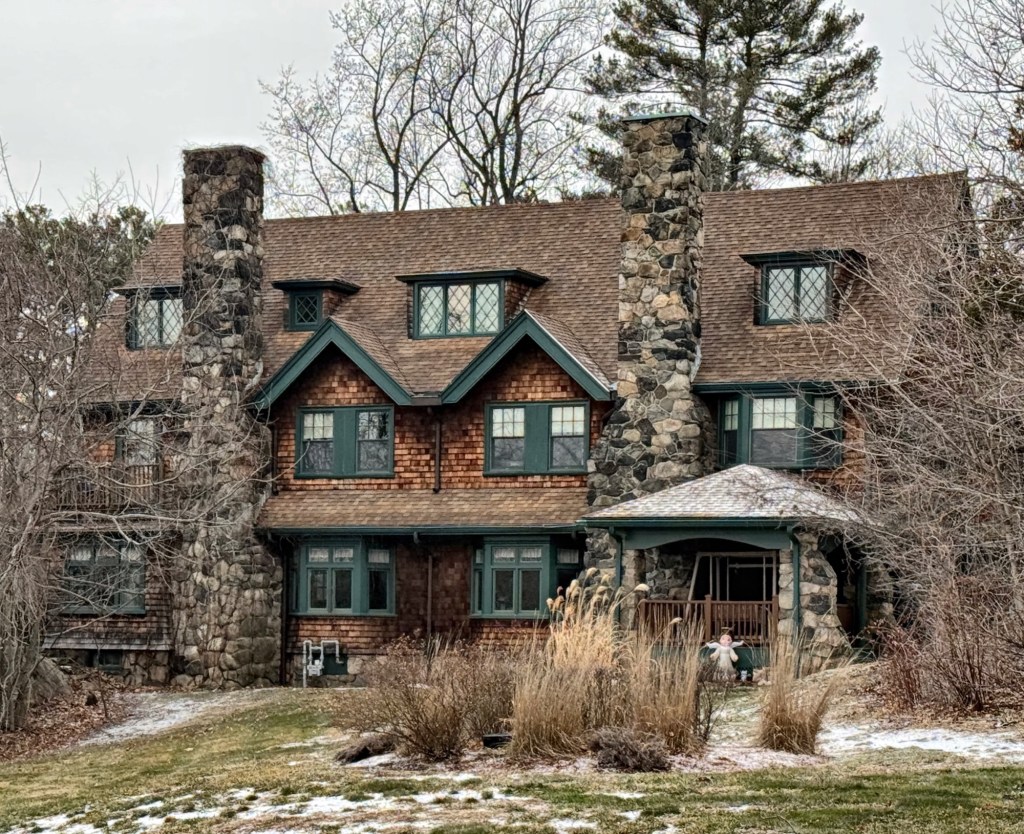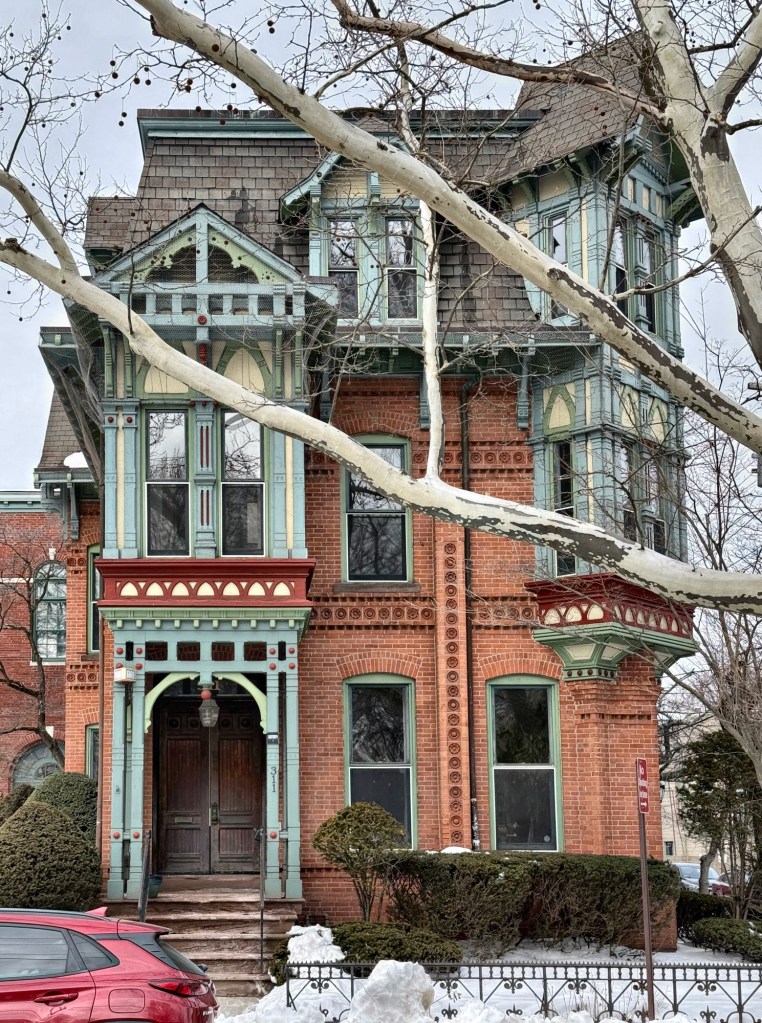
Benjamin Adams Farmhouse // 1775

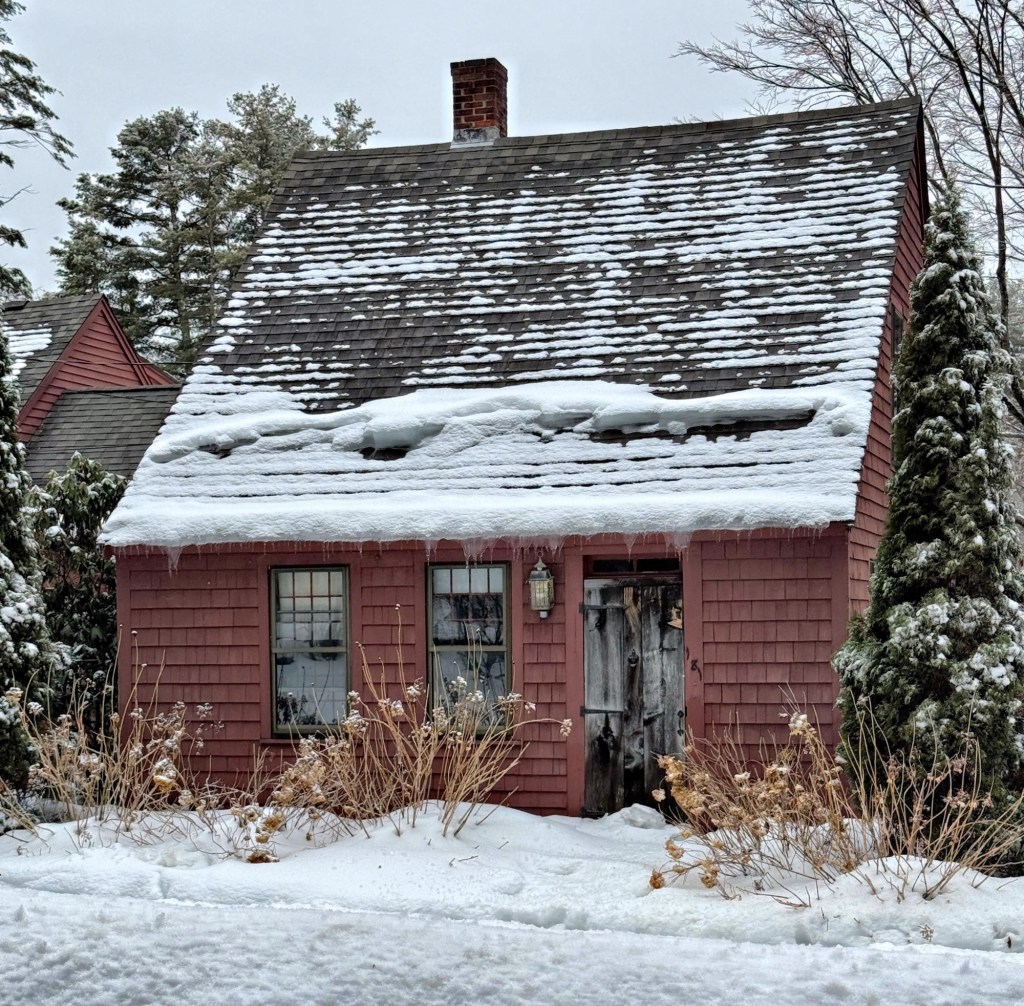
Benjamin Adams (1750-1843) was born in Milton, but relocated to East Sudbury (later renamed Wayland) and purchased property here from a Bezaleel Moore, a tanner and farmer. Soon after moving to town, in 1775, he mustered with the minutemen under the command of Capt. Nathaniel Cudworth. After the conclusion of the war, Benjamin married Elizabeth “Betsy” Adams and they expanded the old farmhouse (today at 34 Lincoln Road) and raised their children here. The property remained in the family until 1873 when it was purchased and operated as a dairy farm. In the 1920s, the farmhouse was expanded with Colonial Revival additions and a renovation for use as a summer residence and gentleman’s farm. It is believed that some of the interior wood paneling inside the house was added at this time and was salvaged from the Pequod Inn, which was razed around that time.

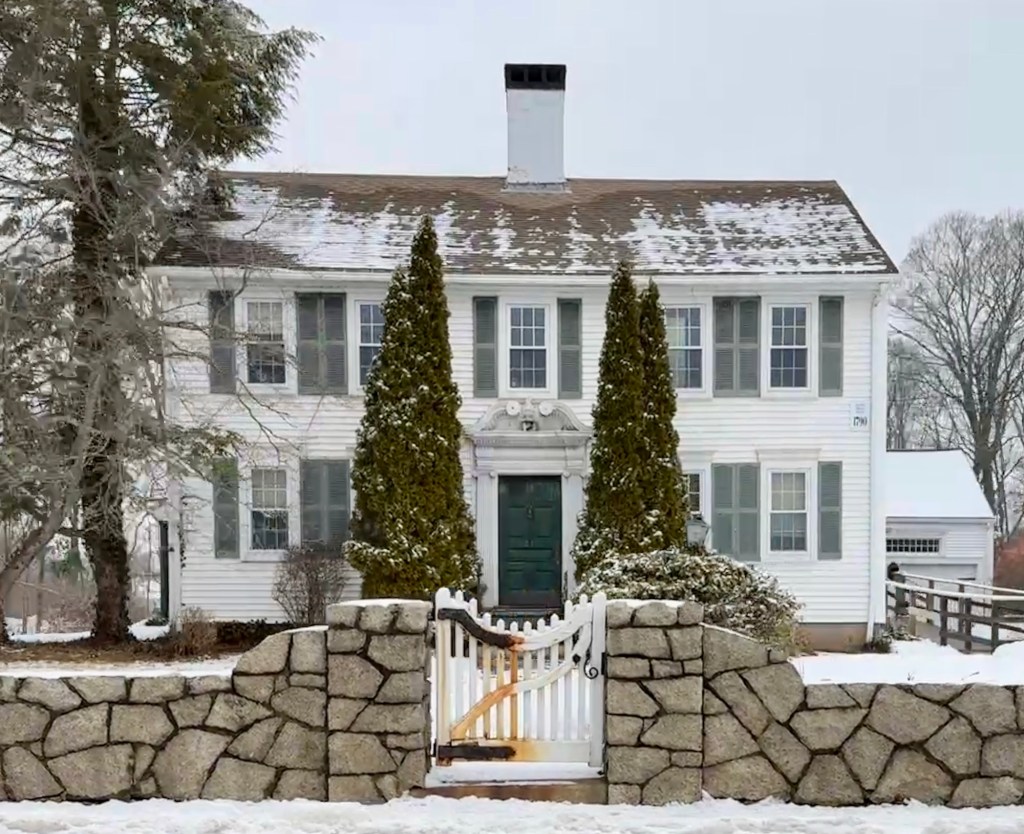
Ames-Mellen House // c.1823

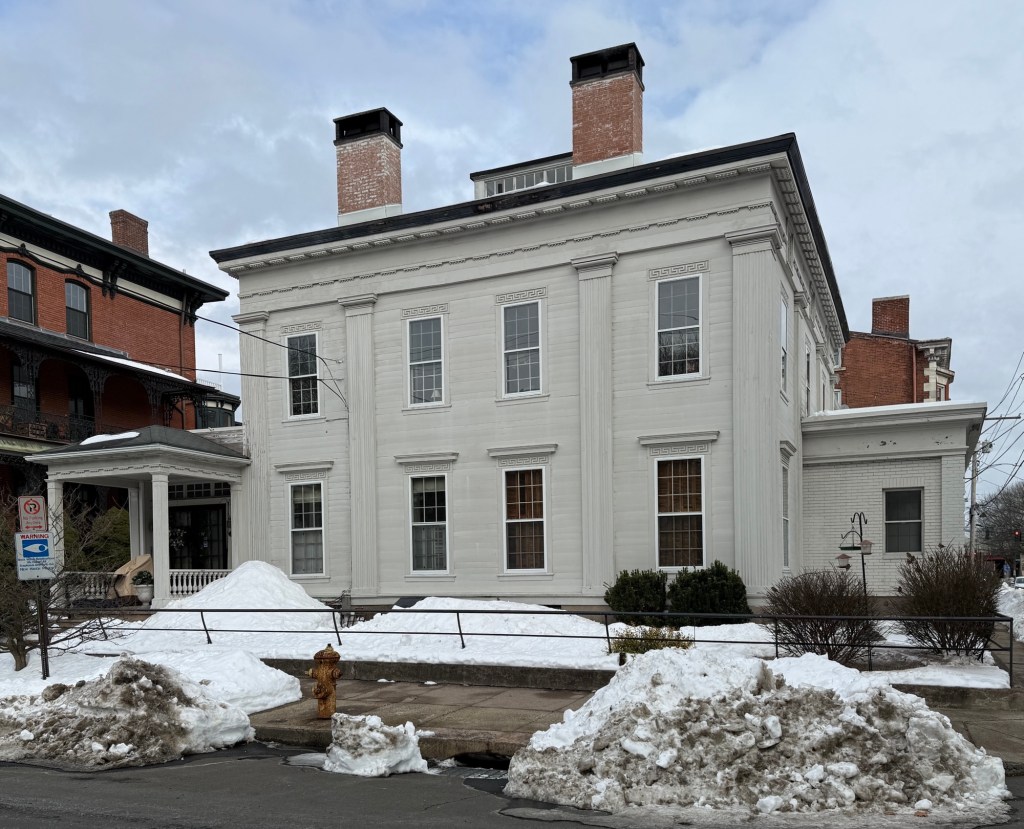
This house in Wayland Center was built for Dr. Ebenezer Ames (1788-1861) who had a medical practice treating patients in East Sudbury (later named Wayland) and other surrounding communities. Dr. Ames is believed to have built this house in about 1823, which is a five-bay, two-story Federal style house under a hipped roof. Dr. Ames moved to another home in the village by 1830 and this old residence was purchased by Judge Edward Mellen (1802-1875) who lived in the house from 1831 until his death in 1875. Judge Mellen was appointed Chief Justice of the Massachusetts Court of Common Pleas in 1855, and practiced law in Wayland from a small office that still stands in the center of the village. Mellen’s widow Sophia Mellen remained here after her husband’s death in 1875 until her death in 1893. The front porch was likely added in the early 20th century, but does not at all detract from the architectural significance of the 200 year old residence.

Elisha Rice House // c.1800

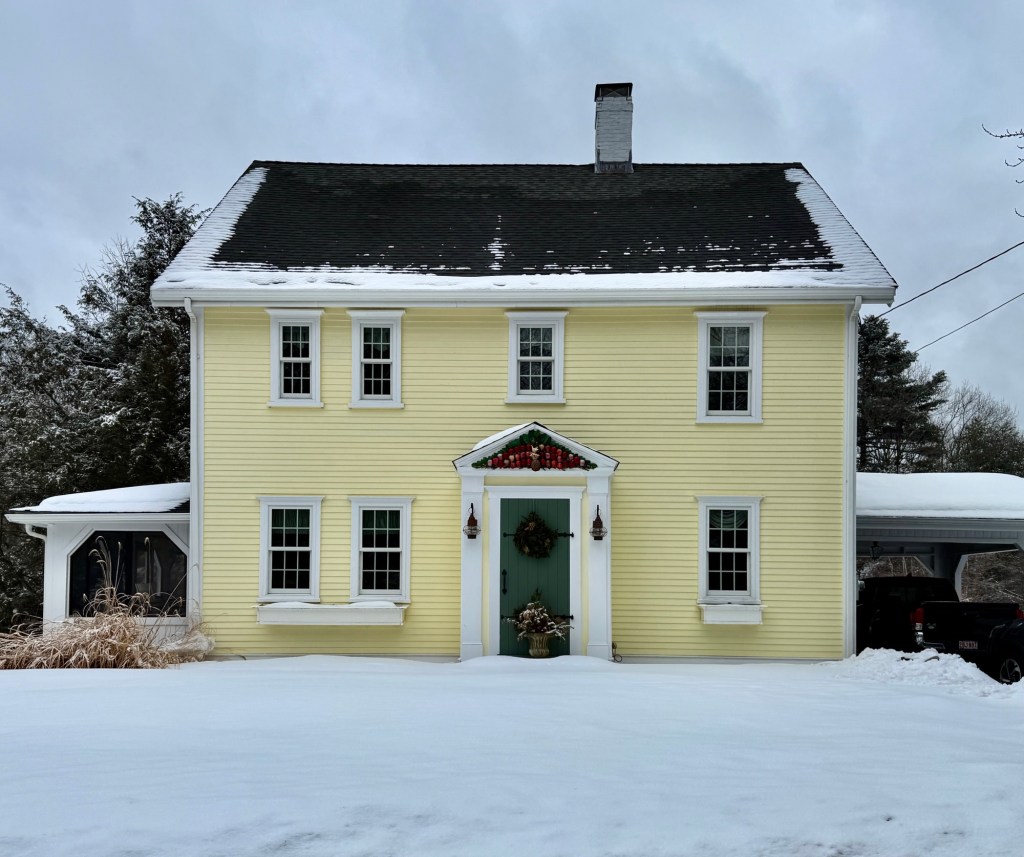
Elisha Rice (1784-1841) moved to Wayland, Massachusetts in 1800 and built this charming house on Bow Road for himself and his family. Elisha worked as a wheelwright, a craftsman who builds and repairs wooden wheels, and was able to build this home near the village. While built and later occupied by later artisans, the community has become an exclusive and wealthy Boston area suburb, which has subsequently made it so many “working class” citizens can no longer afford such a house, but has also allowed many of these great old homes to be lovingly preserved and maintained for future generations.

White-Dickey Cottage // c.1844

Located in the Wayland Center village, this c.1844 Greek Revival style cottage stands out not for flourish or scale, but for its excellent design, proportions, and state of preservation. The three-bay facade has a recessed first story set under the pediment extending over the open porch. The pediment is carried by squared, tapered columns with dentils and the facade retains its unique flush-board siding and triple-hung first-story window sash. The house was built by 1844 for Warren Hunt, who operated a small dry goods store near the town common. Not long after he had the house built, Hunt sold the property and store to Luther B. White (1822-1884), who lived here for at least two decades. In 1888, Mrs. Alice Dickey and her husband, Charles F. Dickey, a carpenter, purchased the house and expanded it at the rear.

Pousland House // c.1865

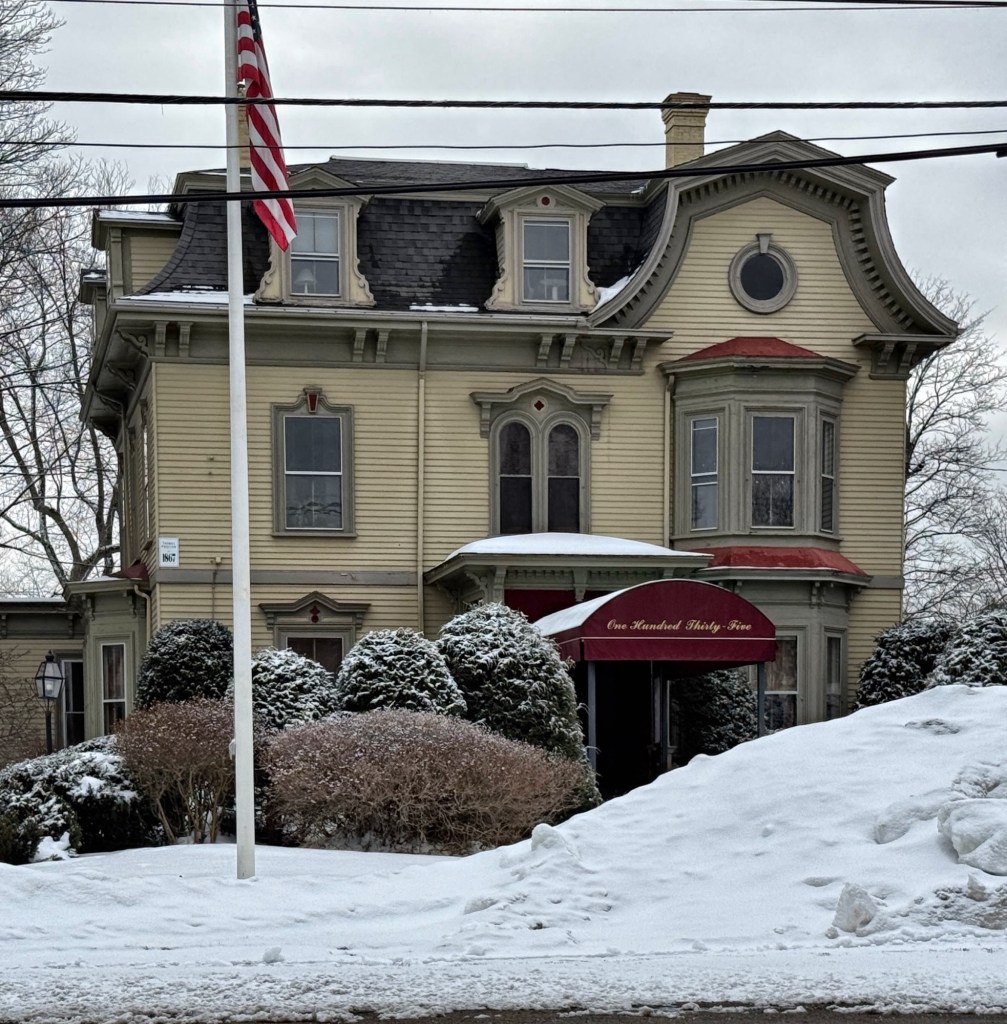
Built around 1865, this stately residence in Wayland, Massachusetts, was originally owned by sea captain, Edward Pousland who came to Wayland with his family around 1859. Interestingly, Mr. Pousland continued working as a sea captain, travelling to Salem and Beverly, where he would be at sea for months at a time. Likely due to his profession, the house features a ‘widow’s walk’, a common feature of houses by the sea where folklore holds that the wives of ships’ captains looked out for the return of their husbands. Edward, his wife Hannah W. (Langmaid) Pousland lived in this house at least until Edward’s death. After successive ownership, the property was purchased by Jonathan Maynard Parmenter (1831-1921), who gifted the house to the First Parish Church across the street, for use as a parsonage a use that continued until 1984 when the church sold the house back into private ownership. The house, designed in the Italianate style, was “modernized” in the early 20th century with Colonial Revival alterations, which added the portico and likely removed the brackets at the eaves.

Coolidge-Burnham House // 1822

This charming old home on Burnham Road in Bolton, Massachusetts, was built in 1822, but as a one-story three-quarter cape house with the additional story added later in the 19th century. The residence was built for William Coolidge, a Revolutionary War veteran. After successive ownership, the property was sold in 1855 to Reuben Burnham, a carpenter, who soon after added the second floor onto his new home, keeping the original cornice which now serves as a visual reminder of the home’s changes. Sadly, around 100 years later, the highway cut through the town, bisecting this property, which now abuts the busy road, but owners have maintained and preserved this stunning property which is evocative of the early days of Bolton.

Wilder Mansion // c.1738

The Wilder Mansion at 101 Wilder Road in Bolton, Massachusetts, was built in about 1738 as an early Georgian farmhouse by Josiah Richardson, a Revolutionary War veteran who died in the home in 1799. By 1814, Sampson Vryling Stoddard Wilder purchased the property and “modernized” the old farmhouse which due to its location along the Bay Path, a major east-west route from Lancaster to Boston, operated it as an inn and tavern. Mr. Wilder expanded the property, purchasing additional nearby farmland to create a country seat worthy of a wealthy agent for some of the most influential merchants in the shipping trade in Boston. During his tour of the United States in 1824, Marquis de Lafayette spent the night here on September 2nd between visits to Boston and Lancaster. Sampson V. S. Wilder lost the property following economic crises, and the property changed hands many times until the early 20th century. Stockbroker John L . Saltonstall (1878-1929), first cousin to Massachusetts Governor Leverett Saltonstall, hired Boston architects Bigelow & Wadsworth in 1910, to return the house to a more Colonial appearance. He and his family were apparently only summer residents here, and he was probably absent for a long period during the First World War, when he worked with the Navy and the War Trade Board in Washington, D.C. In about 1915, he sold the property, and in the early 1920’s he relocated to Topsfield, Mass. After WWI, the house had a series of short-term owners, one of which was Henry Forbes Bigelow, who designed the renovation of the house just years prior. Bigelow would later relocate to a new summer house nearby in Lancaster.

Joseph and Ruth Sawyer House // c.1782

The town center of Bolton, Massachusetts, as we know it, was largely an early Colonial landholding and farm held by William Sawyer (1679-1741) who possessed roughly 300 acres in the area when Bolton was still a part of Lancaster. The Town of Bolton seceded along the Still River from Lancaster and incorporated in 1738. A year later, an aging William Sawyer gifted two acres of his land for the town’s newly designated burying ground, now the Old South Burying Ground, where his own grave (dated 1741), is the oldest marked burial in the cemetery. In 1780, William’s son, William Sawyer, Jr., sold over sixty-acres of the family farm to his son, Joseph Sawyer (1756-1828) who was to marry Ruth Walcott in 1782. This house was probably built about the time of their marriage. Joseph had previously fought in the Revolutionary War, and marched with the Bolton militia to Lexington on April 19, 1775, and upon his return, he worked as a blacksmith and operated the farm while serving in various town offices.

John Bennett House // 1717

The oldest residence in the North Village of Lancaster, Massachusetts, the John Bennett House dates to 1717 and evokes the old Colonial days of New England towns. John Bennett settled in Lancaster and built this large First Period house for his family and operated it as a tavern to weary travellers passing through town along the main turnpike. After Bennett’s death, local legend identifies that the property was a stopping place on the Underground Railroad for runaway slaves escaping to Canada. This, however, has never been substantiated. From 1872 to 1874, the house was occupied by the first Adventist missionary, John Nevins Andrews, co-founder of the Seventh-day Adventist Church. The house is well-preserved and remains as one of the oldest in Lancaster and an important landmark of the early days of the community.

John Sprague House // 1785

Judge John Sprague (1740-1800) was a Harvard graduate and settled in Lancaster, Massachusetts as one of only three lawyers in Worcester County following the departure of his Tory colleagues during the Revolution. From this, a young Sprague climbed the professional ladder quickly and represented Lancaster in the General Court beginning in 1782 and occasionally sat in the Senate. He was first appointed judge in 1784 and in 1798 became chief justice of the Court of Common Pleas for Worcester County. After being appointed a judge in 1784, Sprague purchased a house lot on Main Street in Lancaster and hired local housewrights Eli Stearns and Jonathan Whitney, to design and build this stately home. Judge Sprague moved from his 1771 houseshort distance away, to this more substantial late-Georgian home with projecting entry with pilasters and pediment. After his death in 1800, the property was inherited by his daughter, Ann Sprague Vose and her husband, a merchant, Peter Thatcher Vose