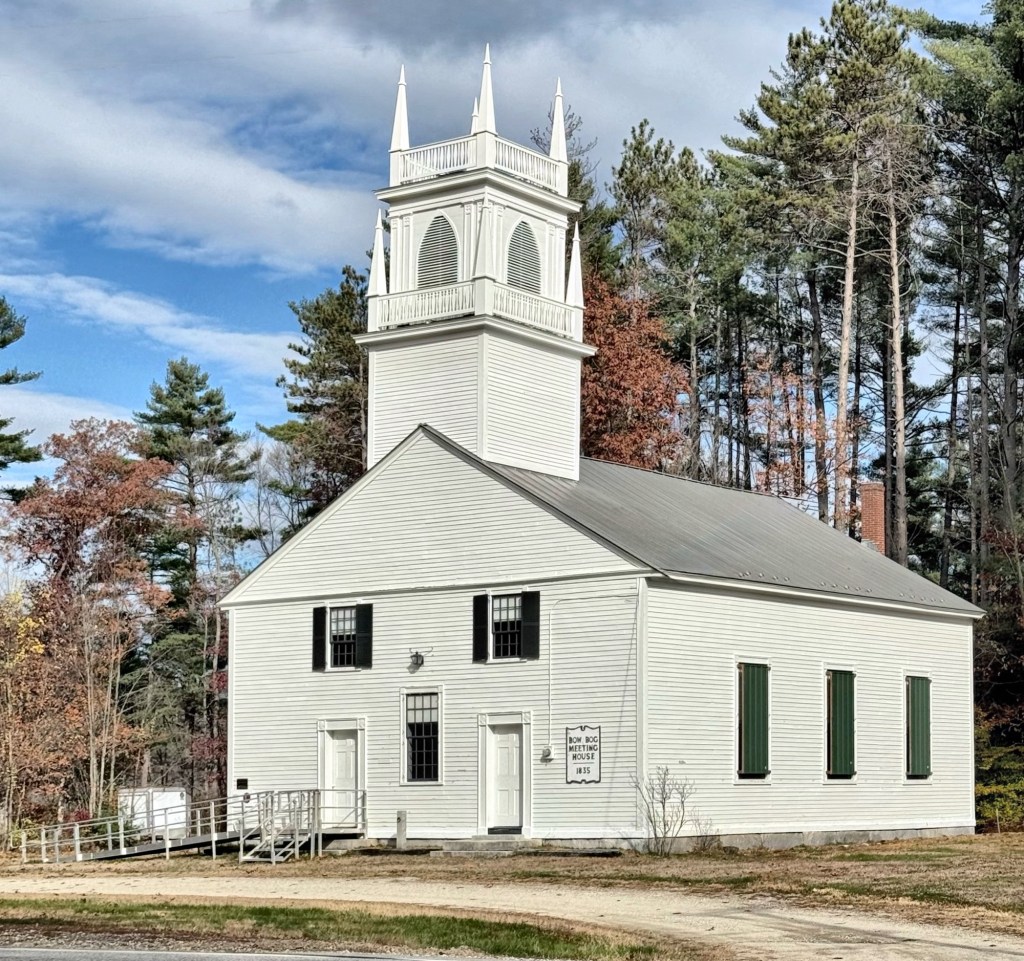
Bow Bog Meetinghouse // 1835

The Bow Bog Meetinghouse in Bow, New Hampshire, was built in 1835 for the First Methodist Episcopal Church and Society in town. Designed in the Greek and Gothic revival styles, the traditional form and paired entries with two stage belfry is adorned by finials and pilasters, showcasing an elegant blending of these two styles. built by George Washington Wheeler for the First Methodist Episcopal Church and Society of Bow in 1835. Mary Baker Eddy, founder of the Christian Science Church, mentioned Reverend Orlando Hinds as a contributor to her early religious teachings. She maintained close ties with this Church, donating funds for the bell in 1903. The Church provided religious instruction and social activities for 116 years and in 1951, the Church was closed and the Bow Bog Meeting House Society acquired the building. In 1970, they restored it to nearly its original condition, and it was acquired by the town in 1985.
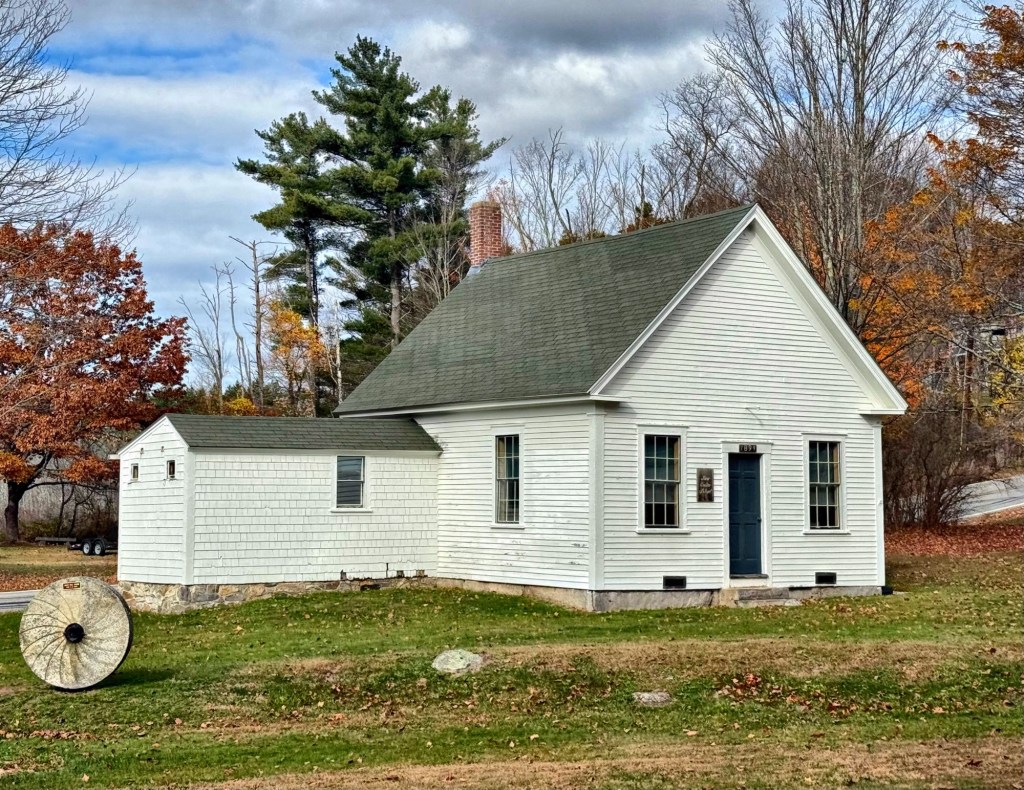
Bow Center Schoolhouse // 1894

One of the many one-room schoolhouses of rural New England, this late-19th century example can be found in the town center of Bow, New Hampshire. The vernacular schoolhouse served hundreds of pupils in the northern part of town, from its construction in 1894 until 1924 when it was moved to its present location near the old Town Hall, where it was in use until 1945. In 1948, the School District sold the school to the nearby Baptist Church for Sunday school classes. The Town bought the building from the Church in 1968 and restored it as an historic site. Today, the rebuilt Snow Roller used in the early 1900s to pack snow down for passage of horse-drawn sleighs and wagons, and a mill stone, sit nearby the old schoolhouse as sort of an open-air museum.

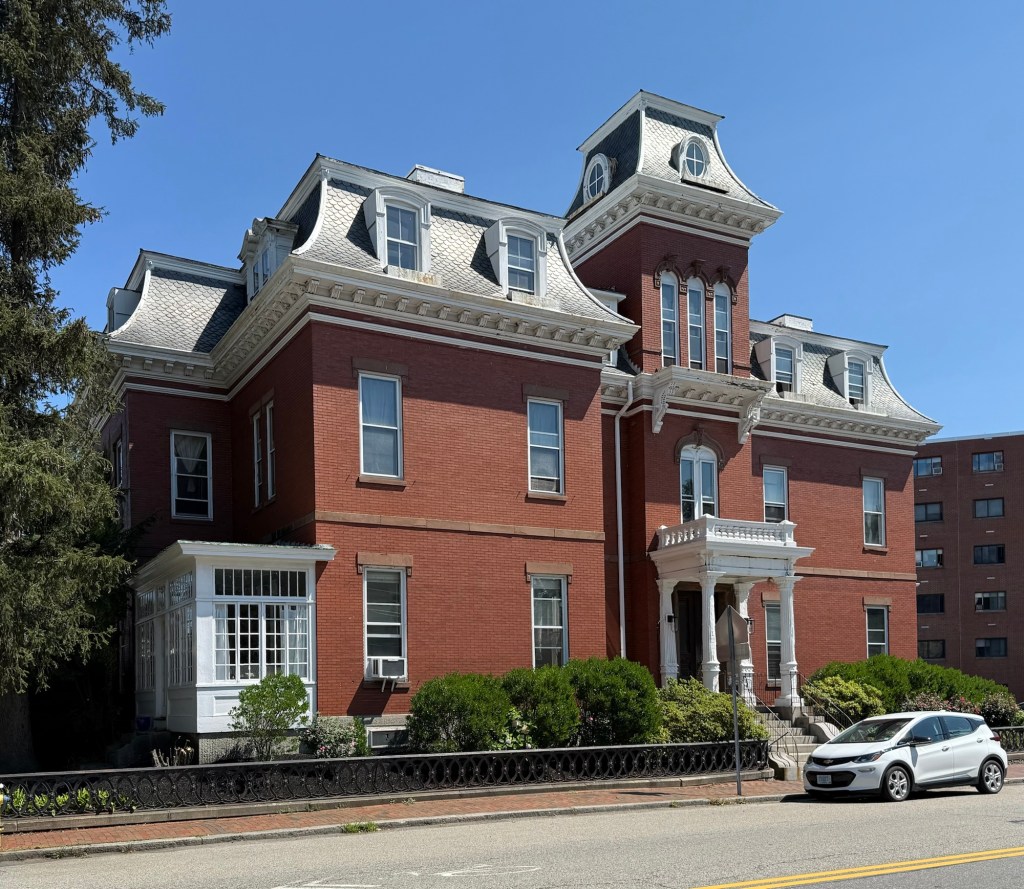
Jones-Sinclair House // 1865

One of the finest Victorian-era residences in Portsmouth, the Jones-Sinclair House at 241 Middle Street, is a stately and oversized Second Empire style mansion built in the location of an even more significant home. Originally on this site, at the convergence of two busy streets, Thomas Haven, a wealthy merchant and half-brother to William Haven who lived across the street, built an impressive brick, Federal style mansion here in around 1818. Admiral George Washington Storer, Commander in Chief of the Brazil squadron of the U.S. Navy, later purchased the Federal style octagonal house. Mary Washington Storer, inherited the house after her father’s death in 1864, and she with her husband, Albert L. Jones, demolished the old octagonal-shaped house around 1865-1867, replacing it with this mansard-villa style mansion. By about 1890, Charles A. Sinclair and his wife, Emma, is said to have received the house as a gift from her uncle, the famous Portsmouth industrialist and politician, Frank Jones

Former Columbian Cotton Mill // 1864

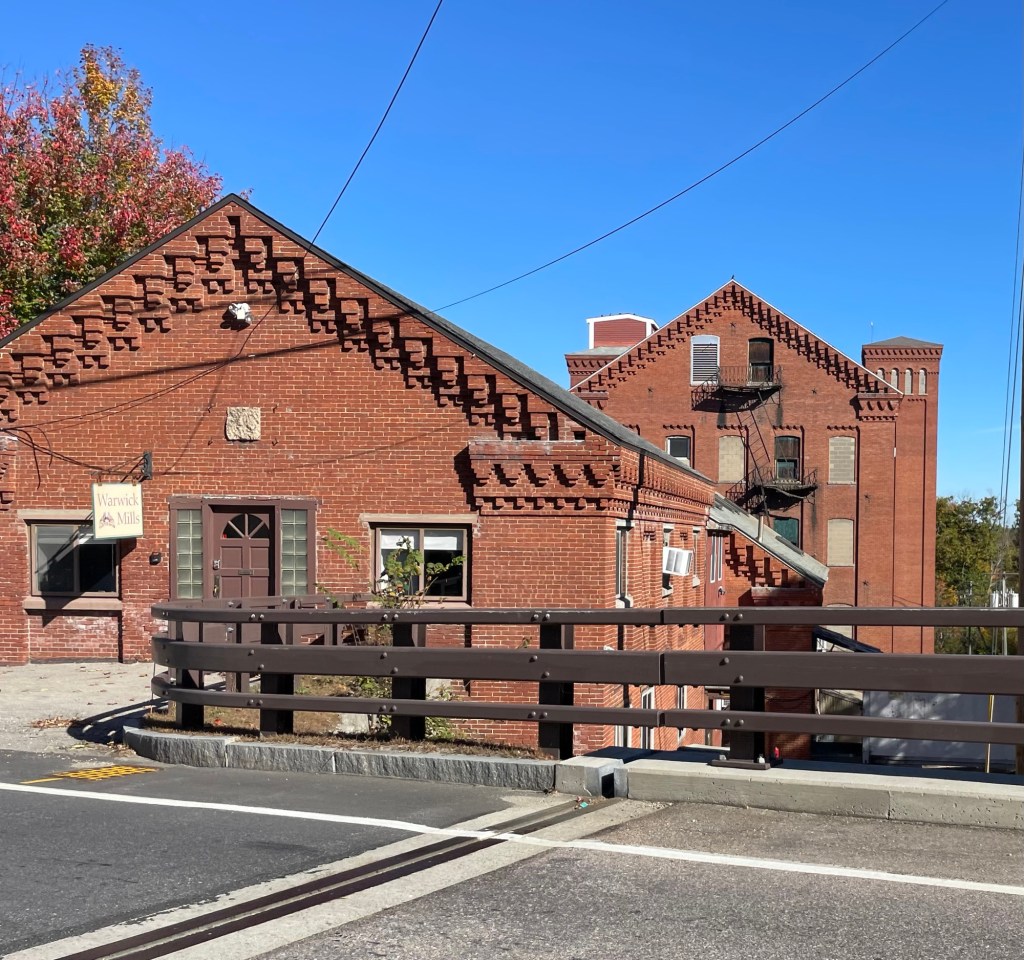
While New Ipswich, New Hampshire, is best known for its early Georgian and Federal period architecture, the small town is home to Warwick Mills, the site of the oldest textile mill in the state. Originally built circa 1807, the mills here burned down two times and were rebuilt a third time using brick; that third iteration is the building seen today. The brick for the building was forged on site and was finished in 1864, with signatures on the beams by craftsmen as far south as Baltimore. The mill was home to the Columbian Mill Company, who created textiles from cotton and other materials in the building, becoming a leading employer in the region. The building is now known as the Warwick Mill, and is an active manufacturing complex, making many contemporary and high-quality materials for 21st century clothing. The buildings exhibit stunning corbel detailing.

Old New Ipswich Center Schoolhouse // 1829

Presently owned and occupied by the New Ipswich Historical Society, this handsome brick building was originally constructed in 1829 as a schoolhouse for young students in town. The structure is located on Main Street and replaced wood-frame school that was located on the other side of the road. Almost immediately after it was built, the building and its location were heavily criticized as early as 1847. There were up to 92 pupils in its two rooms, both of which were accessed by a central entrance, causing those entering and leaving to disrupt both classrooms. Additionally, the closeness to the road caused noise and dust to enter the classrooms. The school closed in 1860 and was used for a time as a blacksmith shop before it was acquired by the New Ipswich Historical Society in 1939.

Sumner Stanley House // c.1850

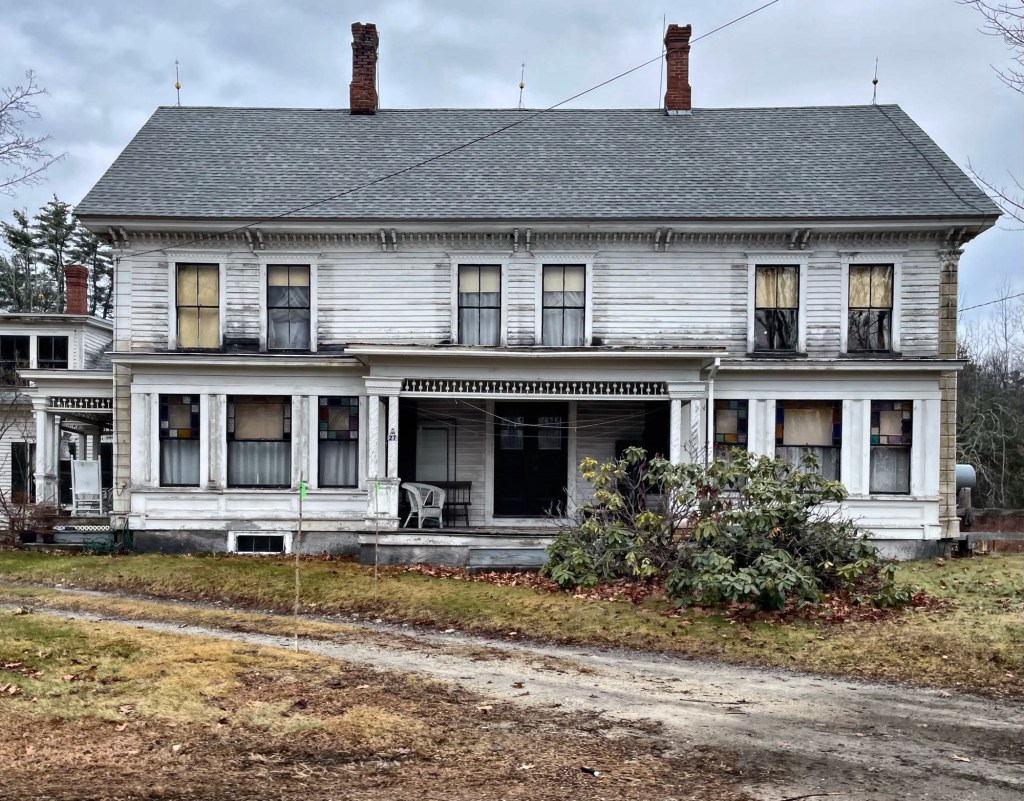
One of the larger homes in Weare, New Hampshire is this sprawling mid-19th century residence, seemingly built around 1850 for Sumner Stanley and his wife, Ruth. Stanley and Ruth (née Dow) acquired land from Ruth’s family and they built their home here. By 1856, Stanley sold a small piece of land to town just to the east of his house for the construction of the North Weare Schoolhouse. The Italianate style house with its Stick style attached barn structure have some amazing detailing!

North Weare Schoolhouse // 1856

The Town of Weare, New Hampshire was first divided into thirteen school districts in 1805 as a result of a state law to divide each town into school districts to service all students equally. Over the years the number of school districts fluctuated and were periodically redefined based on population distribution and class sizes. The North Weare Schoolhouse was built in 1856 and was operated as a one-room school until 1952 when a consolidated school was built in town. Architecturally, the building blends multiple styles, most notably the Greek Revival and Italianate styles. The property was later occupied as a Grange Hall with a 1960s addition to the rear. It was purchased in 1985 by new owners who had spent years restoring the building as a residence before they sold it more recently. Today, the former schoolhouse has modern additions and windows, but maintains its charm and uniqueness.

Elijah Purington Homestead // 1768

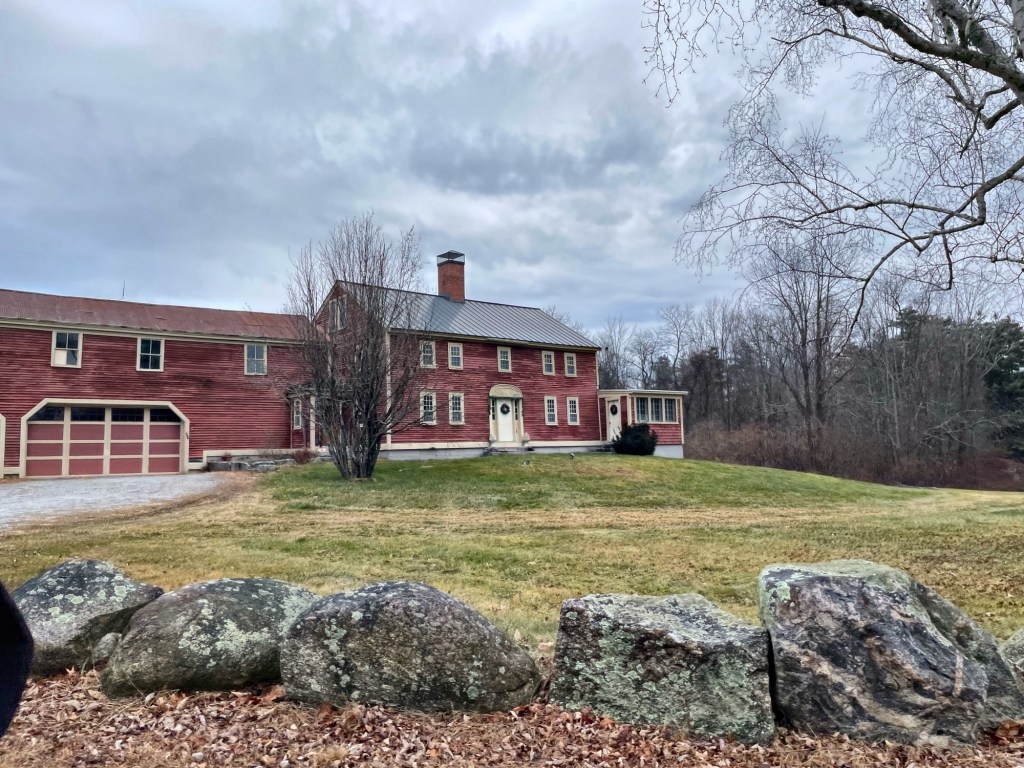
One of the earlier settlers to Weare, New Hampshire was Elijah Purington, who purchased a lot in the center of town in 1768 and built this large farmhouse for his family. Elijah was one of the first Quakers to move to Weare, and the next year, he was elected a selectman in town. The farm remained in the ownership of his descendants through the end of the 19th century. A trotting park was built on a piece of the property covering an earlier pond, which seems to have since been restored back to a pond. After Elijah Purington III died in 1890, the property was purchased by Oliver Dennett Sawyer, who operated it as the Apple Tree Inn until his death in 1921. It has remained a private home ever since.

Weare Public Library // 1926

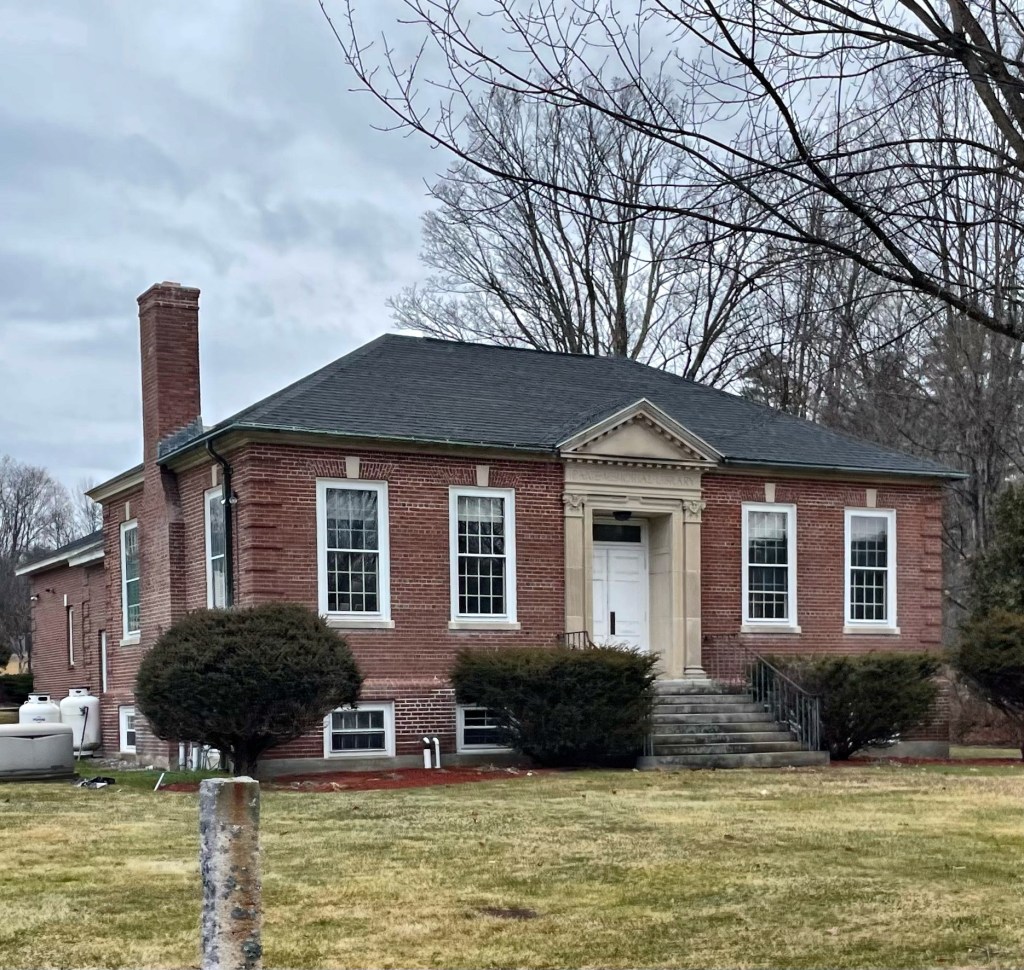
The Colonial Revival style Weare Public Library was built in 1926, being the second purpose-built library building for the town of Weare, New Hampshire. After the Neo-Classical style Stone Memorial Building was taken over as town offices following a fire of the old town hall, local resident Eben Paige saw the need for a new designated library building. Upon his death in 1923, he left his entire estate, over $30,000, to the town to build a new free library. The Boston architectural firm of Kreider and Peterson were selected to design the building, which is still in use today.

Stone Memorial Building // 1896

Designed by New Hampshire architect William Butterfield in 1896, the Stone Memorial building in Central Weare is a significant example of a Neo-Classical style structure in a village setting. The building was constructed with money donated by Joseph Stone in honor of his father, Phineas J. Stone, who was born in Weare and moved to Charlestown, MA, later serving as its seventh Mayor. The building would “provide suitable room for a public town library” and a room for memorials to the Civil War soldiers who fought and died for the Union. When the town hall burned, offices there were relocated to this building. Eventually, the library and town offices left this small building, and it has since been home to the Weare Historical Society.