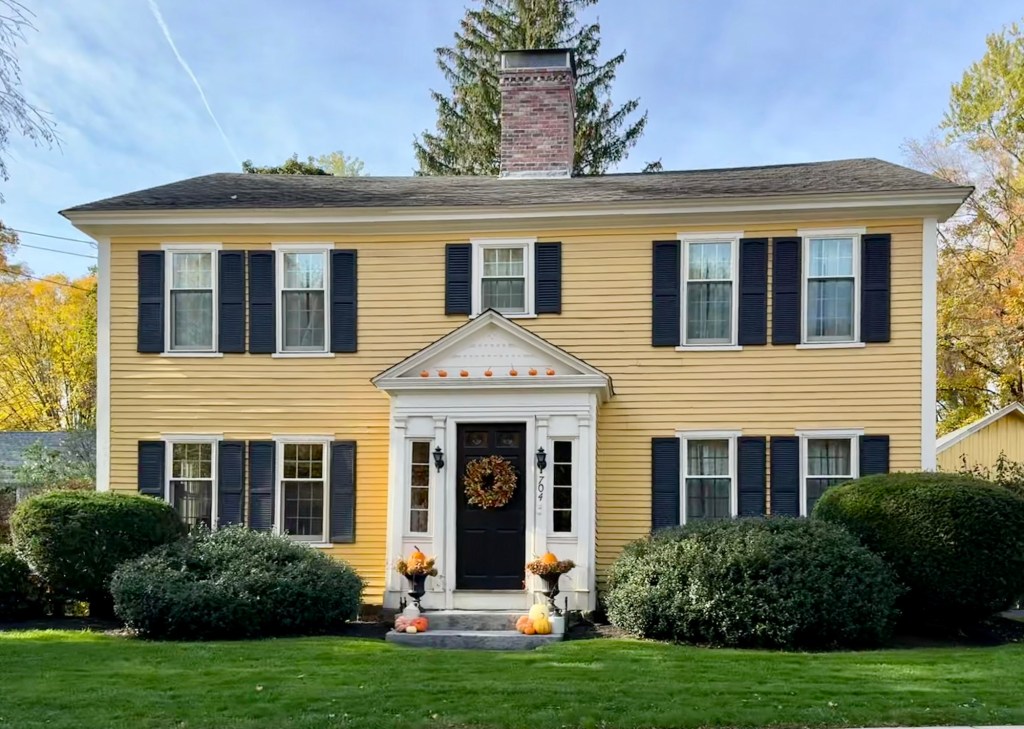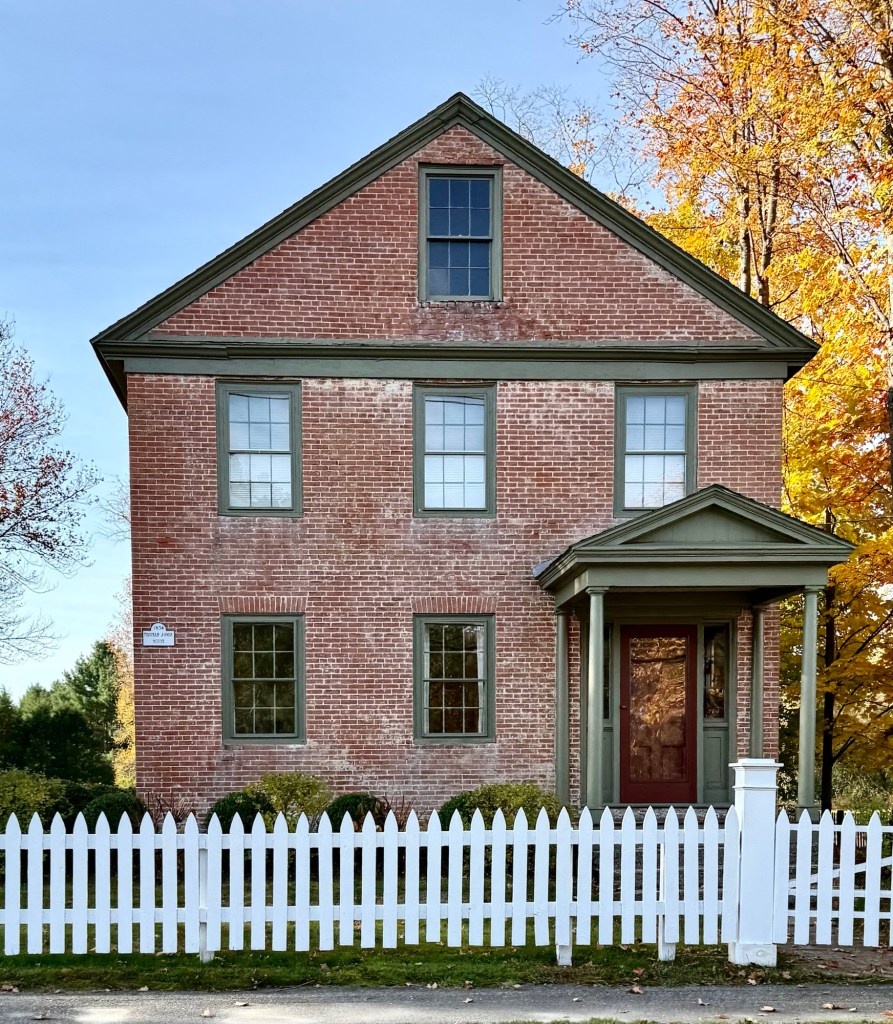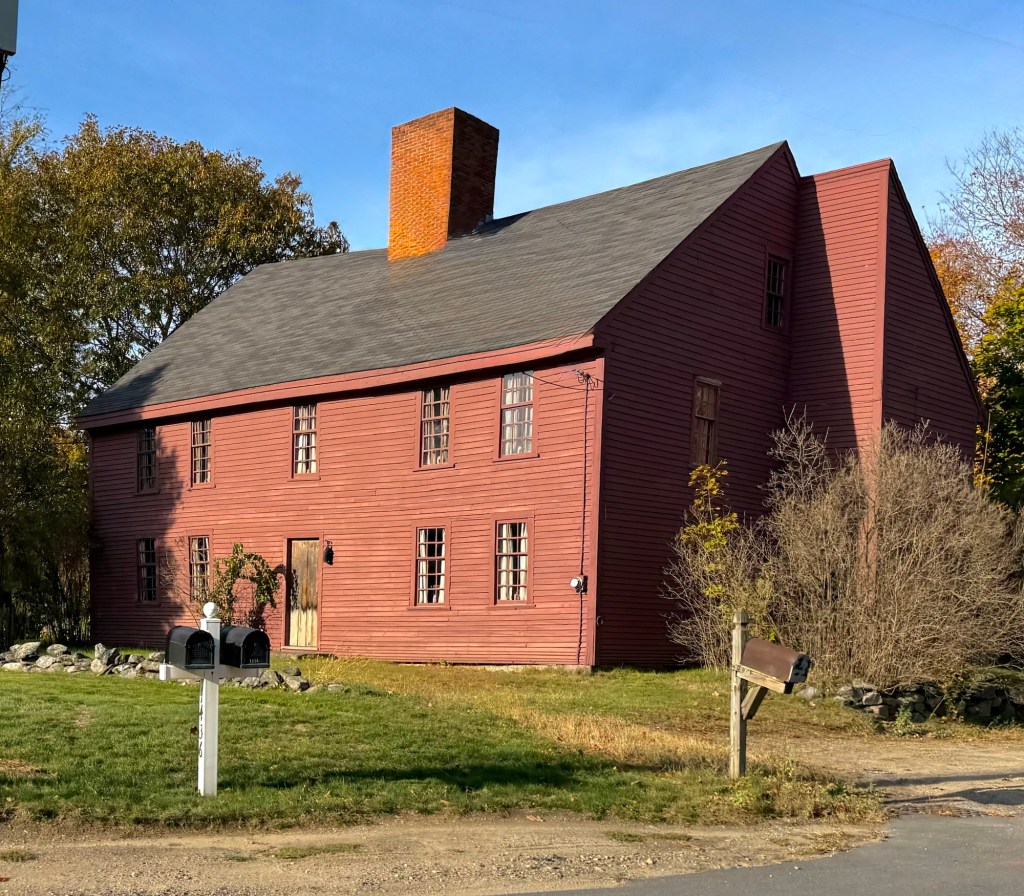
Warren Homestead // 1727

The old Jonah Warren Homestead of Westborough, Massachusetts, was built in 1727 on the Old Connecticut Path, a former Native American trail, and is among the earliest and best-preserved examples of 18th-century domestic architecture in Westborough. The Colonial-era house was built for Jonah Warren (1700-1780) and his wife Elizabeth Seaverns (1700-1775), who moved from Watertown to Westborough in 1720, the couple would have 13 children. The home remained in the family for generations. Jonah was a tanner by trade, but also sold wooden shingles, cut from nearby cedar swamps. In 1778, the couple’s son, Aaron, owned the house, as he returned home to take care of his aging father. The property was later owned by Aaron’s son, David Warren, and later passed to his only child, a daughter, Mary Waterman Warren (1799-1858), who married Josiah Fay (1797-1869) in 1838. The home was inherited by Hercules Warren Fay, a Harvard-educated reverend and author. The homestead remained in the family until the last of Hercules’ children died in 1957. The Warren Homestead remains as one of the finest and best-preserved Colonial-era residences in Central Massachusetts.

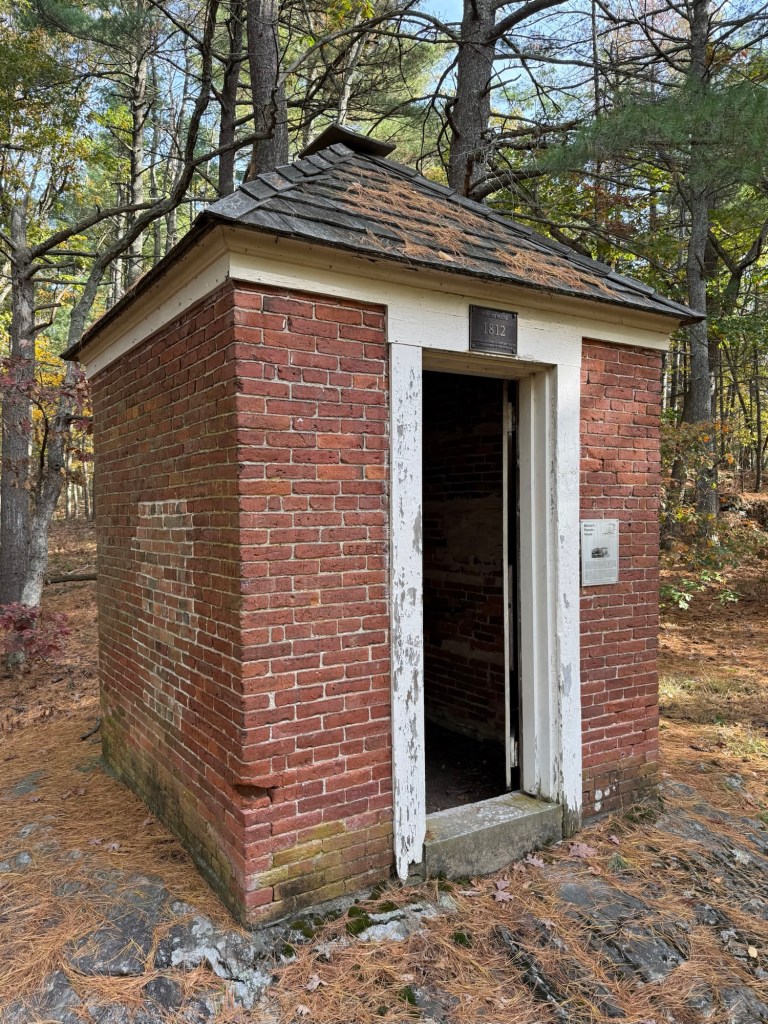
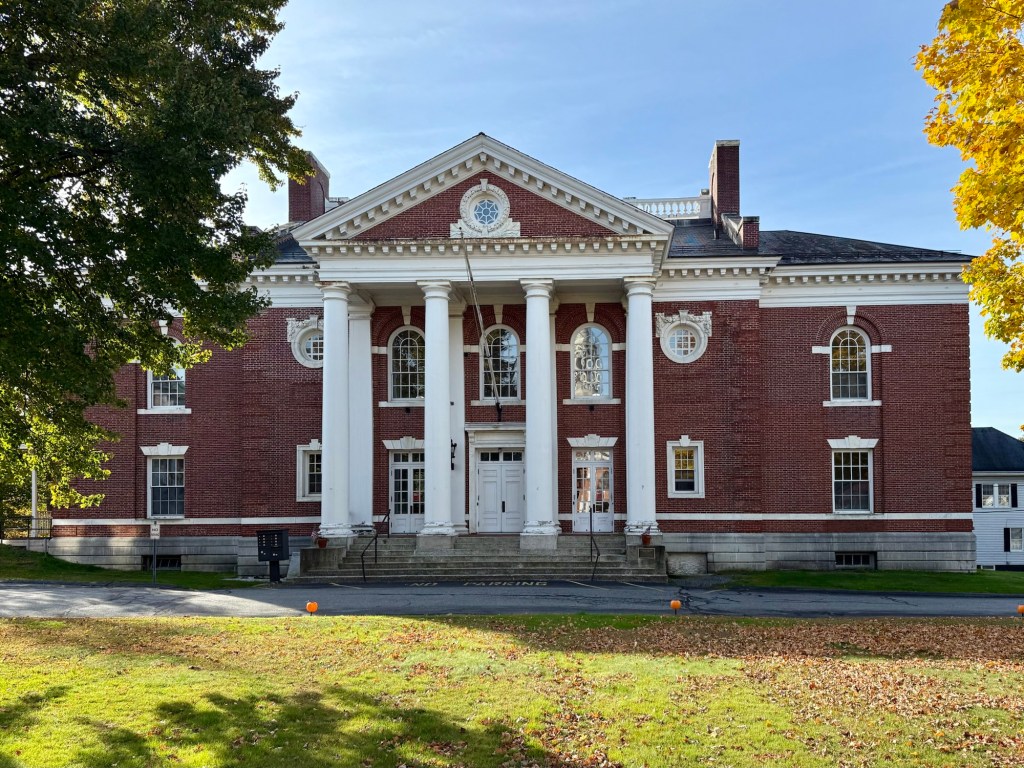
Lyman School for Boys – Manual Arts Building and Powerplant // c.1900

The former Lyman School for Boys was established in Westborough as the Massachusetts State Reform School in 1847, the first state-operated reform school in the country. Initially located on the eastern shore of Lake Chauncy and dominated by a single massive building, but its early history was plagued by conflict between inmates and administration. In 1885, legislative action authorized the Trustees to purchase and prepare a new site, the first in the state system to be developed on the dispersed cottage plan, the school thrived throughout the 19th century and into the 20th century until its eventual closure in about 1974. Much of the campus was designed by architect, William G. Preston, likely including this industrial building, which was used as a Manual Arts training building. Here, young men would learn trades, where upon graduation, they would be able to enter the workforce. The building appears to have been extended decades later with the addition of a powerplant wing, in a more Arts and Crafts style. The handsome building has been vacant for over 50 years and is literally a shell of its former self. With much of the old Lyman School campus razed for uninspiring replacement buildings, it would be a shame to see this building not restored and adaptively reused.

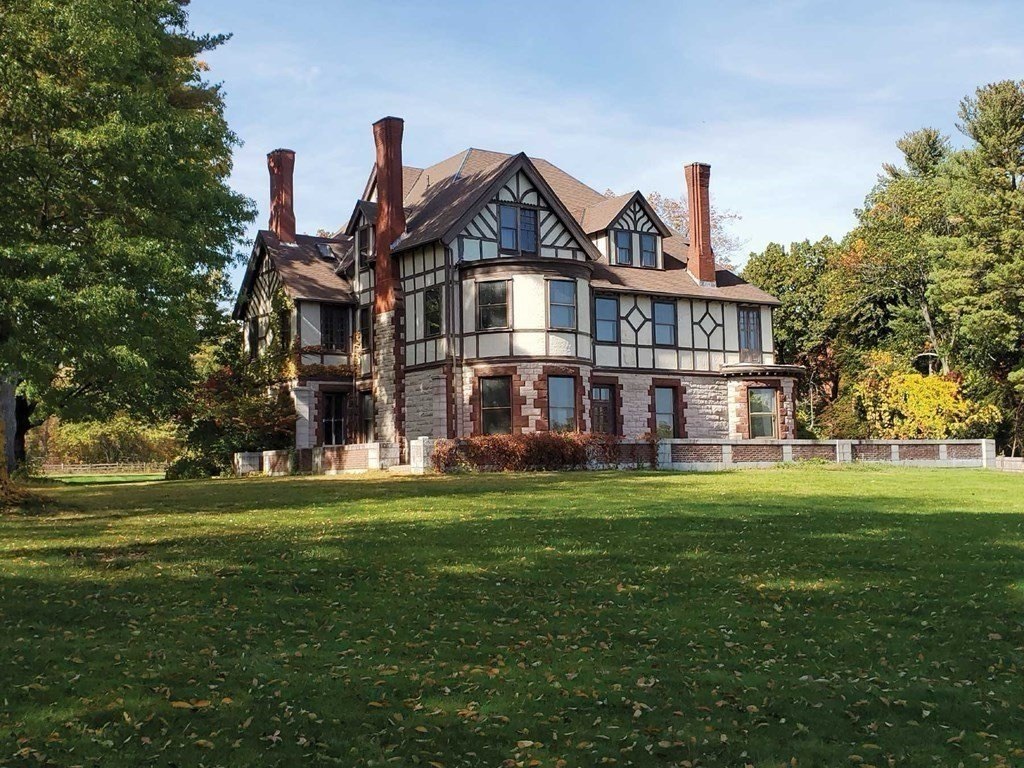
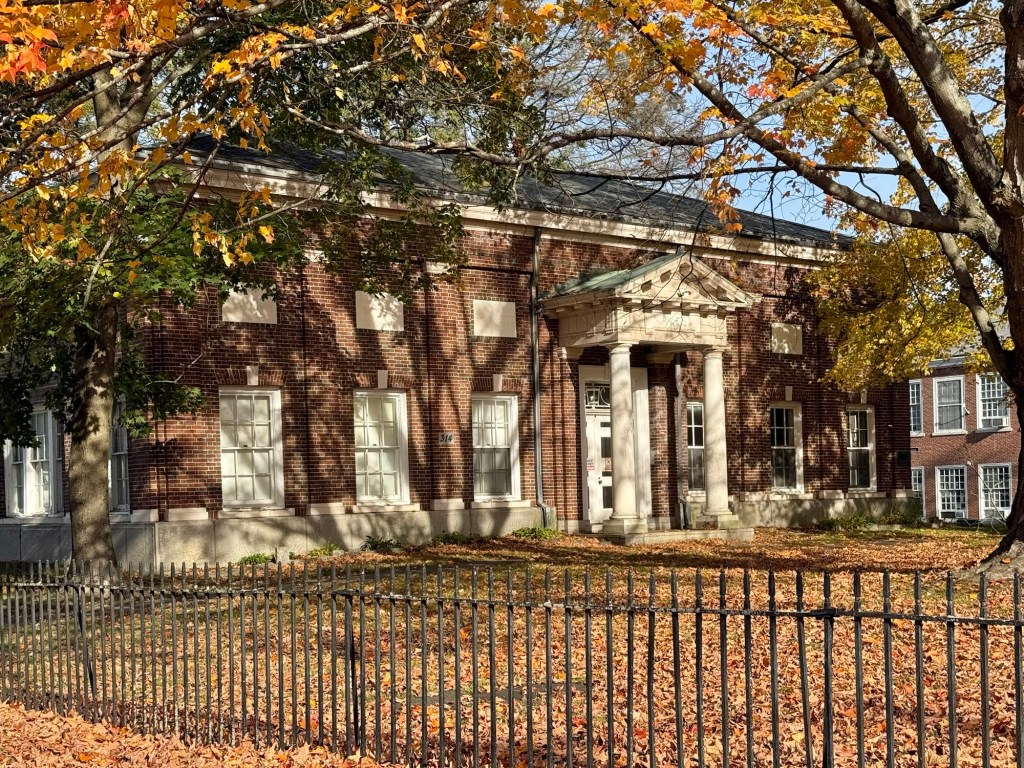
Lyman School for Boys – Elms Cottage // 1906

The former Lyman School for Boys was established in Westborough as the Massachusetts State Reform School in 1847, the first state-operated reform school in the country. Initially located on the eastern shore of Lake Chauncy and dominated by a single massive building, but its early history was plagued by conflict between inmates and administration. In 1885, legislative action authorized the Trustees to purchase and prepare a new site, the first in the state system to be developed on the dispersed cottage plan, the school thrived throughout the 19th century and into the 20th century until its eventual closure in about 1974. This cottage, known as Elms Cottage, provided rooms for the young men at the school, providing sanitary and well-appointed lodging as they were “reformed” to graduate and enter society. Each cottage was ruled by a cottage master and usually a cottage matron. This husband-and-wife team lived in a cottage apartment and was on duty 24 hours a day, often overseeing the young boys and strictly disciplining them, without much oversight. Many of the cottages and other buildings on the campus were demolished after the school closed, but the Elms Cottage, designed in the Arts and Crafts style, was restored.

Fay House // c.1840

One of the most spectacular residences in Westborough, Massachusetts, can be found on Church Street, which is a unique blending of two distinct architectural styles. The house here was originally built around 1840 as a Greek Revival style residence, which would have had a gabled roof, and it retains the original corner pilasters and Ionic columned porch. Records state the the house was built for Cyrus Fay (1812-1884), possibly around the time of his marriage in 1837 to Caroline Pope. Caroline passed away in 1852 at the age of 36, and Cyrus remarried in 1855 to Nancy Avery White. It was likely after his second marriage, and after he became the first president of the Westborough Savings Bank in 1869, that the house was modernized with a Mansard roof with belvedere.

Henry Block // 1873

Mid-late 19th century commercial blocks provide human-scaled density, high quality design, and often contain intimate storefronts providing reasonable rent to local businesses. The Henry Block in Westborough, Massachusetts, is one great example of a historic commercial building that checks all of these boxes. The brick building was constructed in 1873 by its namesake, Samuel Gates Henry (1813-1877), a pharmacist and dentist who rented space in an earlier building on the site. When a fire destroyed the old structure, Samuel Henry had this block erected on the site and leased out spaces in the building to other businesses and tenants in the floors above. The block is Italianate/Italian Renaissance Revival in style with the typical round arched windows and bracketed cornice. The granite storefronts even retain some of the original cast-iron supports.

Westborough Rail Station // 1899

The Boston-Worcester Railroad roared into Westborough Square in 1834 and opened the once rural community to commerce and trade from its larger neighbors. The depot was in the center of the village and facilitated a development boom of commercial buildings. By the later 19th century, the Boston and Albany Railroad controlled the railway service and had built up an extensive passenger and freight service. The company sought to straighten out the track, thus increasing its speed and efficiency, so the B&A relocated the track in 1899 from the center of Westborough to its present elevated site on East Main Street, outside the commercial core of the town. The new station was built in 1899 and is a late example of the region’s many Richardsonian Romanesque stations, constructed of rusticated pale granite with contrasting brownstone trim; copper ornament; and a simple rectangular-plan structure topped by a low, overhanging hipped roof. Decades before this station was built, the Boston & Albany Railroad in 1881, hired renowned architect Henry Hobson Richardson to design a series of passenger stations. Over the next five years, Richardson was responsible for nine B&A stations, primarily closer to Boston and the nearer suburbs. After Richardson’s death in 1886, the B&A commissioned his successors, Shepley Rutan & Coolidge, to design 23 additional stations between 1886 and 1894. The unofficial style of B&A stations remained after 1894 and was employed in Westborough to a lesser ornate scale. Train service to town ceased here, but the tracks remain active. The former station was converted to office use. 

Westborough Arcade // 1890

 The Second Meeting House of Westborough, Massachusetts, was built on this important site in the center of the village in 1749. It was a plain, wooden building and was used for both church services and town meetings, since church and state were essentially inseparable at the time. When a new church was built in 1837, this building was purchased and converted to commercial use. The first floor of the building was raised, and another floor was added underneath. The steeple was also removed. The building then became known as “The Arcade Building,” a kind of mall with small shops opening onto the porch. By the end of the 19th century, the old wooden building was nearing 150 years old and owners decided to demolish the structure, and replace it with a more permanent and stately block. The New Arcade was built in 1890 and is more Romanesque in style. The handsome brick block has retail spaces on the ground floor with residences above, a great example of mixed-use.

Westborough Savings Bank // 1928

The Westborough Savings Bank was incorporated in 1869 and shared space in a building with another bank and the post office. As the population and prosperity grew in the suburban community, so did the Westborough Savings Bank, who would move into a larger space. Just before the Great Depression, the bank sought to build its first purpose-built structure, and they hired the firm J. Williams Beal & Sons to furnish plans for this handsome masonry bank, designed to showcase the strength and stability of the institution. Renaissance Revival in style, the 1928 building is constructed of buff brick with limestone trim. The facade is dominated by large, round arched windows and is framed by pilasters with an off-center entrance. The Westborough Savings Bank would eventually merge into Avidia Bank and the West Main Street building was sold. The handsome building is well-preserved and home to Westborough TV, which makes broadcast media programming that is by, about, and for the entire Westborough community.

Harvey School // 1883

Built to meet the needs of an expanding and prosperous community, the Harvey School in Westborough, Massachusetts, was built as a neighborhood school and is both historically and architecturally significant. Located on Phillips Street, a residential, tree-lined street just north of the commercial center of town, the Harvey School was built in 1883 under the supervision of Dr. Edwin Bayard Harvey, a local doctor who served on the town’s School Committee and as superintendent of schools from 1887-1890. As a State Senator he introduced a bill in 1884, which became law, to provide free textbooks for schoolchildren of Massachusetts. The Queen Anne style school building was in plan, designed by Dr. Harvey, who hired the Worcester-based architectural firm of Barker & Nourse, to furnish plans and design the building itself. The school would eventually close in 1980 as many local schools were consolidated, and the building was rented to the Boy Scouts and the Westborough Community Chorus. Recent attention on the under-utilized building has initiated more discussion on the future of the building, which may eventually house a regional emergency communications center.

Dr. Edwin B. Harvey House // c.1830

Edwin Bayard Harvey (1834-1913) was born in Deerfield, New Hampshire, and attended Wesleyan University in Connecticut, pursuing his career as a teacher. He would teach for a few years until he shifted gears and enrolled at Harvard Medical School, graduating in 1866. With the intention of settling in the West, he went to Waukegan, Illinois, but was not satisfied, so he returned to New England, and made his home in Westborough, Massachusetts. Edwin operated a medical office from this house on West Main Street and resided here with his family until his death in 1913. He often made house calls around town travelling by horseback. During his time in Westborough, Dr. Harvey served as President of the Massachusetts Medical Society from 1898-1900, and served on local school and library boards in Westborough. Never giving up on his push for education, as a State Senator in the legislature in 1884, Dr. Harvey introduced and was instrumental to the passage of a bill to provide free textbooks to the children of the state. The Dr. Edwin Harvey House remains in a great state of preservation.