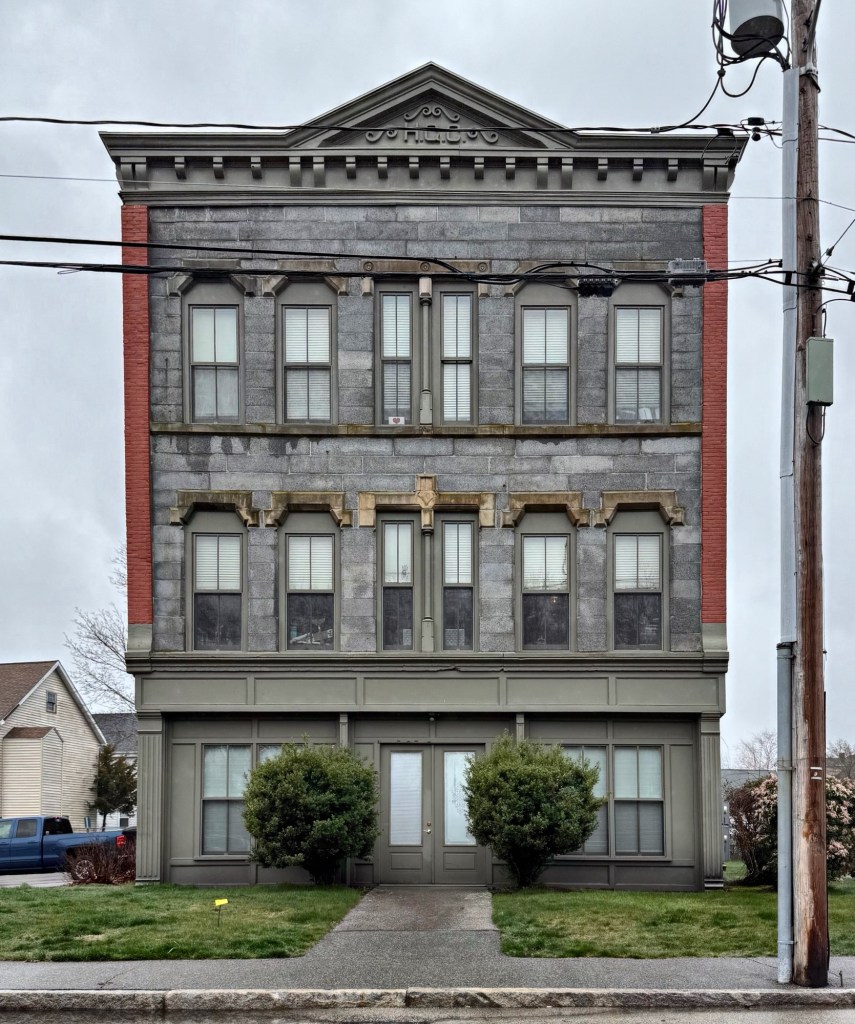
Peerless-Capitol Theater // 1894

Located across from the North Abington Depot, this structure was constructed in 1894 as a leather harness and saddle shop by local businessman, Henry Crossley. The expensive building of cut granite and brick seemed to have overextended Mr. Crossley’s means, as he would soon-after file for bankruptcy. The building would remain as commercial use until 1915, when the property was purchased by the Peerless Amusement Company for use as a 300-seat theater. By the 1930s, the building became known as the Capitol Theater, and was listed to seat 230 customers on the main floor and 70 in the balcony. Due to the more rural nature of the cinema, it closed in the mid-20th century, and suffered from neglect for decades until it was restored and is currently housing apartments. 

Dr. Gridley Thaxter House // 1798

The Dr. Gridley Thaxter House on Washington Street in Abington, Massachusetts, is one of the most significant properties in the South Shore town, not only for its architecture, but also its owners. The house was built in 1798 for Dr. Gridley Thaxter (1756-1845), a ship’s surgeon in the Navy during the American Revolution. He married Sarah Lincoln (1761-1810), the daughter of Benjamin Lincoln of Hingham, a Major General in the Revolution and served from 1781 to 1783 as the first United States Secretary of War. Dr. Thaxter and his new bride acquired land in Abington, and moved there where he would serve as the town’s doctor. After his death, the property was inherited by Elizabeth Thaxter Hunt, the couple’s daughter, and her husband, Joseph Hunt. It was Elizabeth, who added the Italianate window hoods and a cupola (since removed) at the roof, “modernizing” the family homestead.

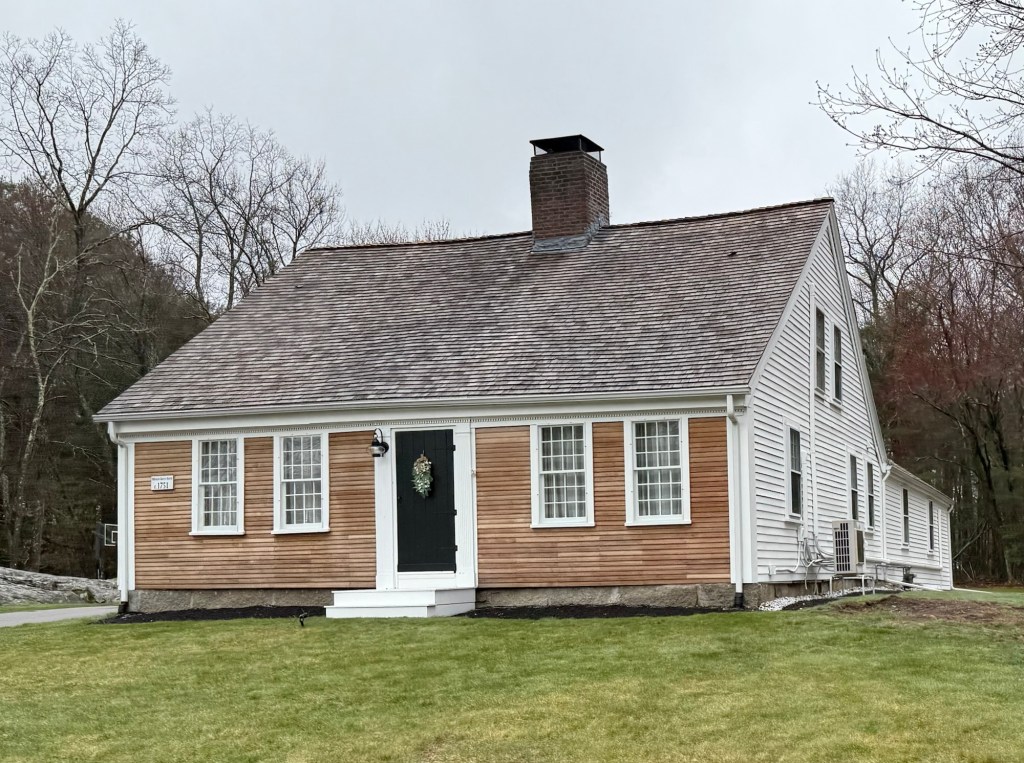
Orcutt-Ford Homestead // c.1751

In about 1751, Emerson Orcutt (1713-1777) purchased land in North Abington, Massachusetts, and built a half cape for his family. In 1762, Orcutt sold some of the land to John Ford, who was later a Lieutenant in the Continental Army, and according to local tradition, Ford added the other half of this current Georgian Cape house, giving it the current configuration. Character defining architectural details include an entry surround with fluted pilasters, and dentil cornice band on the main facade, 12-over-12 sash windows, and the central chimney, which would have heated both sides of the house. The property remained in the Ford family for over 100 years, and has since been converted back to a single family residence. Today, the charming pre-Revolutionary cottage is one of the oldest extant houses in Abington.

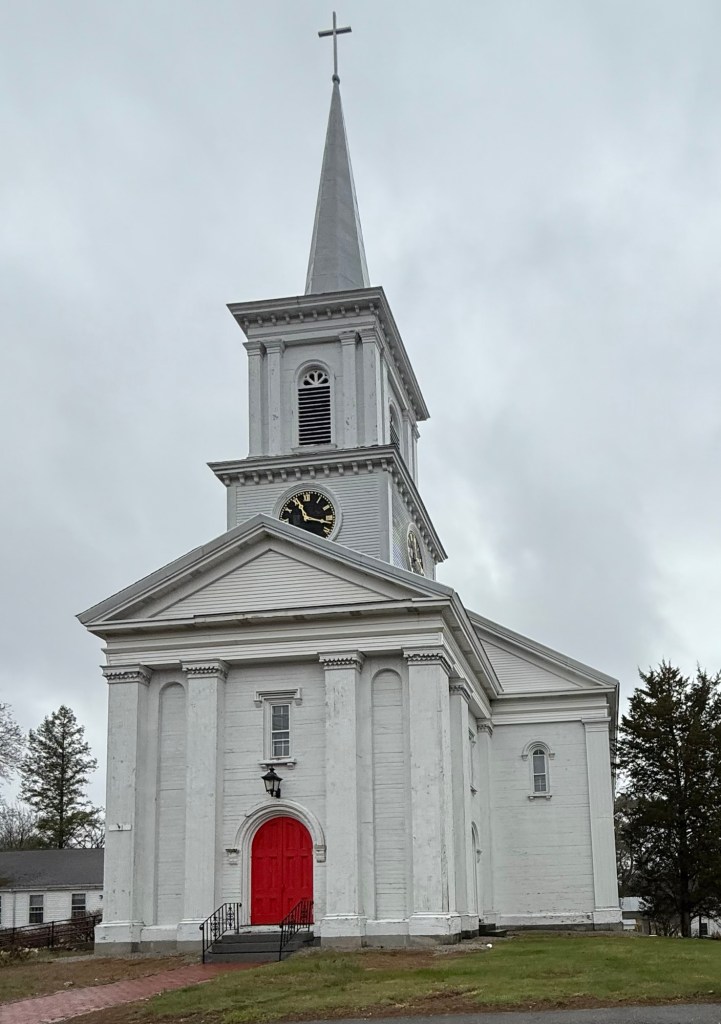
First Congregational Church of Abington // 1849

Abington, Massachusetts was first settled by Europeans in 1668 and was officially incorporated in 1712. Its namesake was is said to have been set by Governor Joseph Dudley as a tribute to Anne Bertie Venables, Countess of Abingdon, wife of the second Earl of Abingdon, who helped Dudley secure the governorship of the Colony of Massachusetts from Queen Anne. Governor Dudley noted in its decree that, “the Town be named Abingdon”. A marginal note on the document gave the spelling as “Abington” with a “t”, which has served as the spelling ever-since. At the center of town, this handsome church is the fourth edifice of the Congregational Church Society in Abington, Massachusetts, and replaced the third church, which was occupied for just thirty years until 1849, when this Greek Revival structure was built. Located a stone’s throw from its former home, this church showcases the increase in membership and relative wealth of the congregation by the middle of the 19th century. The structure with its flushboard siding and bold Doric pilasters, features an arched center entrance and multi-stage tower containing a clock and enclosed belfry.

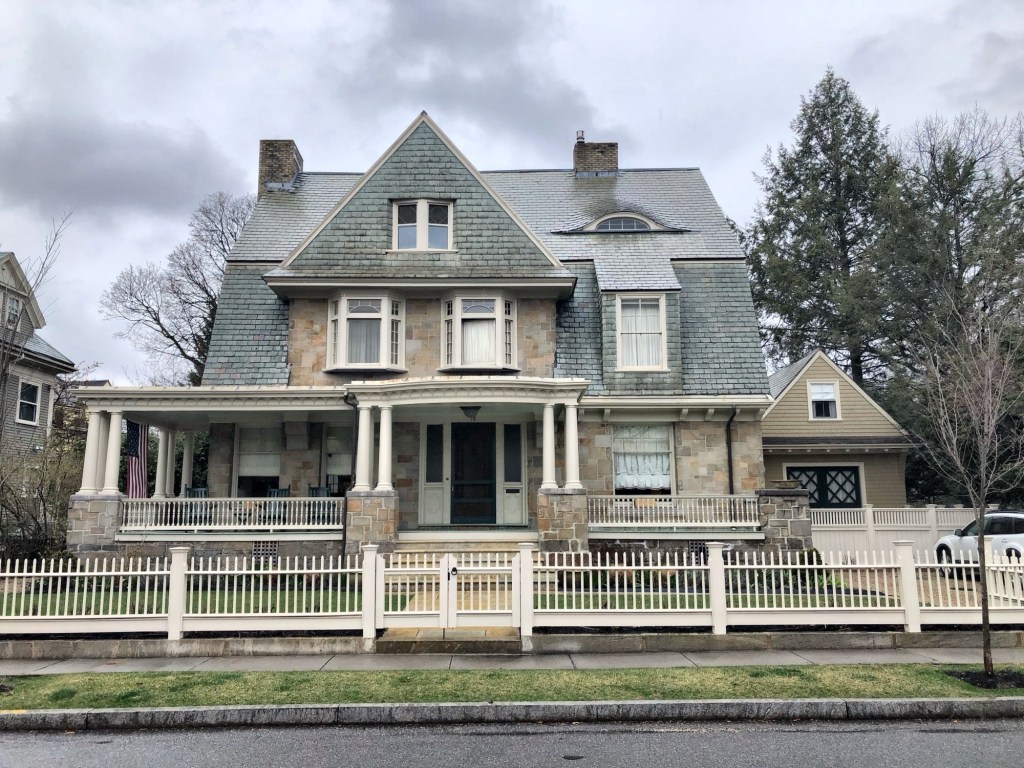
Kramer-Duane House // 1895

One of five houses built by developer Albert Jewell along Powell Street in the Cottage Farm neighborhood of Brookline, this residence stands out for its materiality and stately design. The house was designed by J. Williams Beal, an architect who trained at Massachusetts Institute of Technology and then worked for McKim, Mead & White before opening his own business. The house was first purchased from Mr. Jewell by Grace and Edwin Kramer, who worked as superintendent for R. H. White & Co., the large dry goods store in Boston. The next long-term owner was Harry B. Duane, a wealthy grocer. The Kramer-Duane House is unique for the stone veneer at its facade, gambrel roof covered in slate, and varied window styles including: bay windows, dormer windows, and an eyebrow dormer window at the roof.

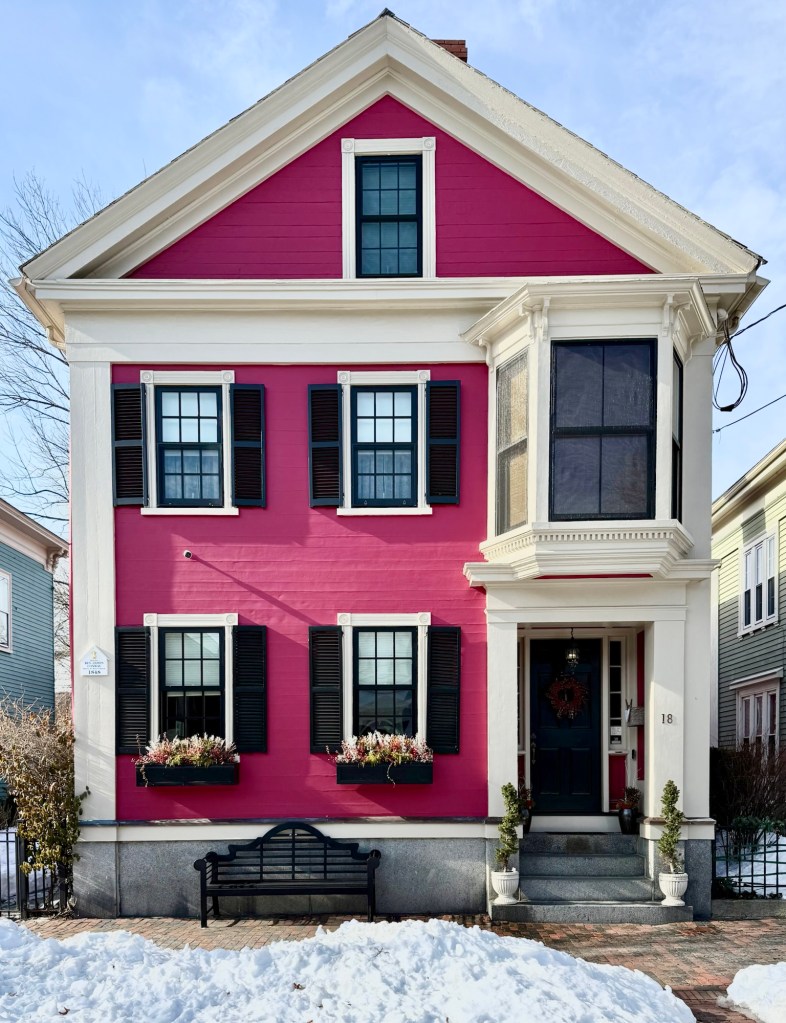
Conway-Trumbull House // 1848

Built in 1848 for Rev. James Conway of Salem, this stunning Greek Revival home on Winter Street blends architectural integrity with a bold pop of color! James Conway was born in Ballinamore, Ireland and moved to the United States and was ordained as a Catholic priest. He was a missionary with the Penobscot Tribe in Maine, before preaching in Lowell and later in Salem, Massachusetts. When he moved to Salem, he had this house on Winter Street built with flush board siding, paneled side-hall entry, and moulded window surrounds with corner blocks. Conway would later sell the property to Edward Trumbull, a Salem merchant and later to Ebenezer Putnam. It was likely Putnam who added the oversized second-story bay window on the facade of the house.

Joseph Story House // 1811

Built in 1811 for Joseph Story, lawyer, politician, and judge of the United States Supreme Court, this stately brick residence on Winter Street in Salem, Massachusetts, is significant, not only for its architecture, but for its esteemed owners. Judge Joseph Story (1779-1845), who was then Speaker of the House of Massachusetts in 1810, purchased this house lot near the Salem Common, and proceeded to have this three-story brick house constructed. By the time it was finished, Story had been appointed by President Madison to the bench of the United States Supreme Court. He was just 32-years-old when nominated to the bench. The house is also the birthplace in 1819 of Story’s son William Wetmore Story, a well-known sculptor. Judge Story would reside here until 1829, when he moved to Cambridge in order to pursue his work at the new Harvard Law School. The property was sold in 1831 to Robert Upton (1788-1863), a self-made merchant heavily engaged with trade in South America. Robert Upton and his sons were among the most important men in Salem in the 1830s-1850s, for they were able to maintain a successful foreign commerce, and keep ships and men employed, at a time when Salem was otherwise fading as a seaport. The house has been lovingly maintained by centuries of stewards, and the house was designated as a National Historic Landmark in 1973.

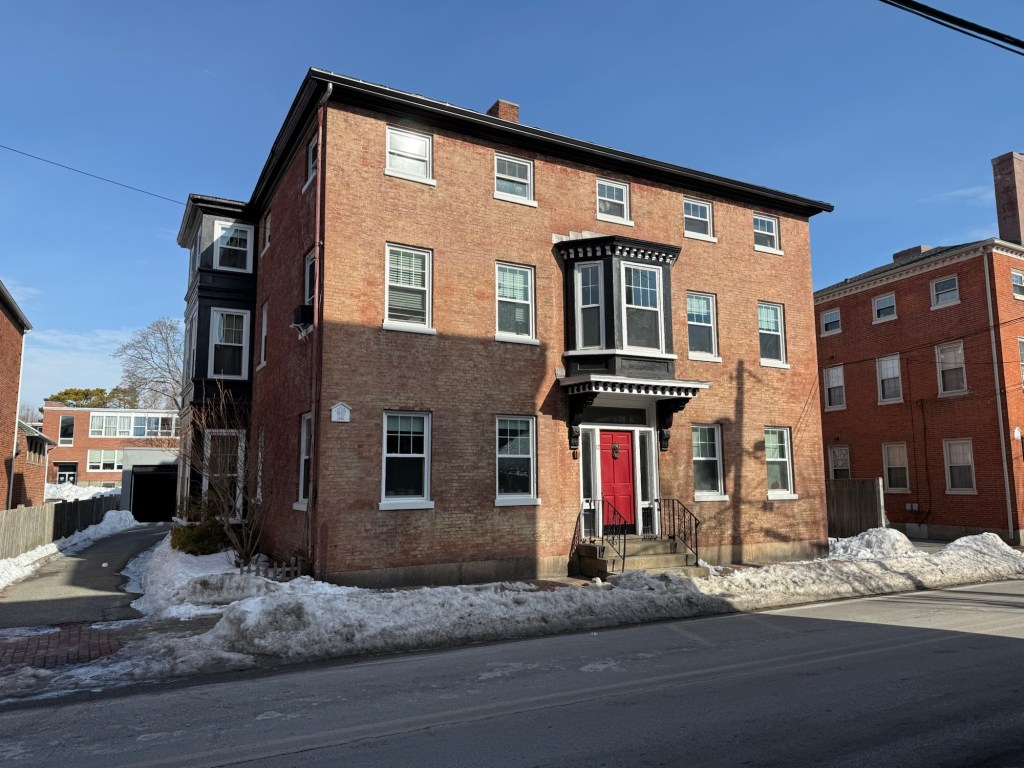
Brown-Battis House // 1851

Captain Nathaniel Brown (1800-1866), a master mariner in Salem, built this fine brick house on Brown Street in 1851. Captain Brown bought the lot from the heirs of Nathaniel Kinsman in 1850, with an older house already occupying the site. The existing house was razed and construction began on this house, with it completed by 1851. The building is unique as it resembles the Federal period form of the five-bay and three-story residence with shortened third-floor windows under a low hipped roof. Although the Federal period waned in popularity by the 1830s, this house clearly took cues from the earlier homes nearby. Following Nathaniel Brown’s death in 1866, James Herrick Battis, a tobacconist and cigar manufacturer, purchased the home. City records state that Battis was issued a building permit in 1878 for an addition to the dwelling. It is probable that the bay windows and front door hood were also added at this time, giving the residence more of an Italianate style. Battis continued to own the property until his death in 1891. By 1930, the residence was converted into apartments and was known as the Conant Apartments. It remains a six-unit apartment building today.


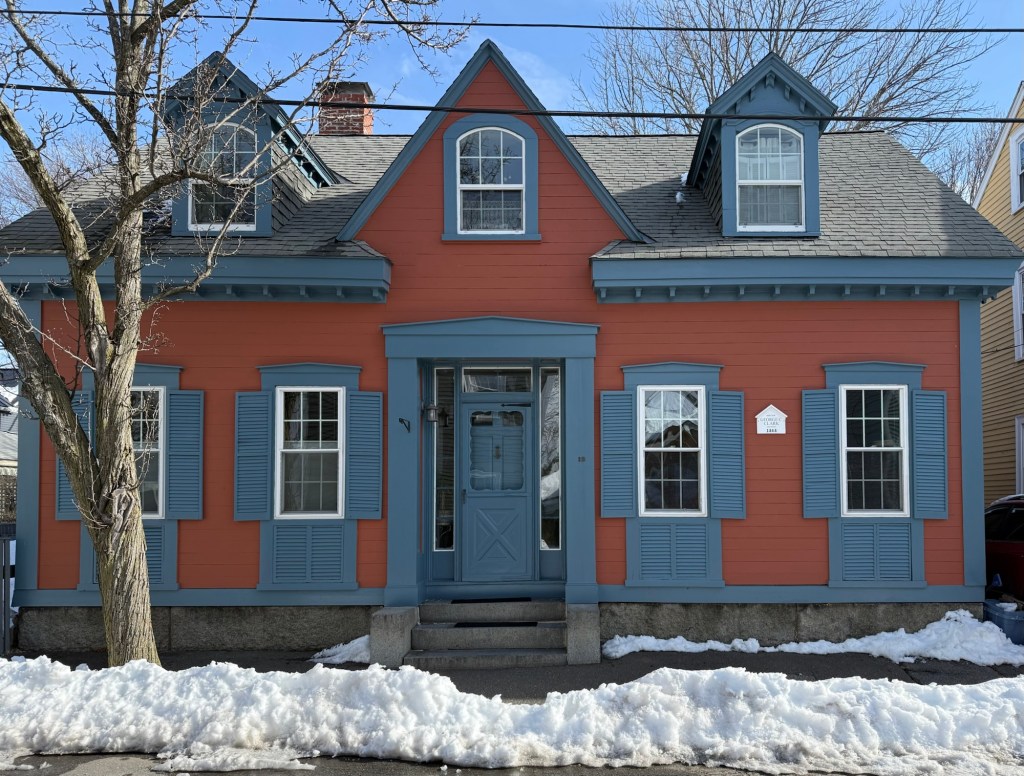
George Clark Cottage // 1847

In 1847, George Clark (1815-1890), a Salem carpenter, purchased a house lot on Oliver Street, a block away from the Salem Common. That year he began constructing this cottage for his family. The Clark Family resided here for just a year until 1849, when George got caught up in the California Gold Rush, selling the property and moving west to make his fortune. Since Mr. Clark was back in Salem by 1850 (according to the federal census), he was likely one of the thousands of forty-niners who did not strike it rich. The Greek Revival style house is unique for its more Gothic style gable, brackets, and segmental arched windows.

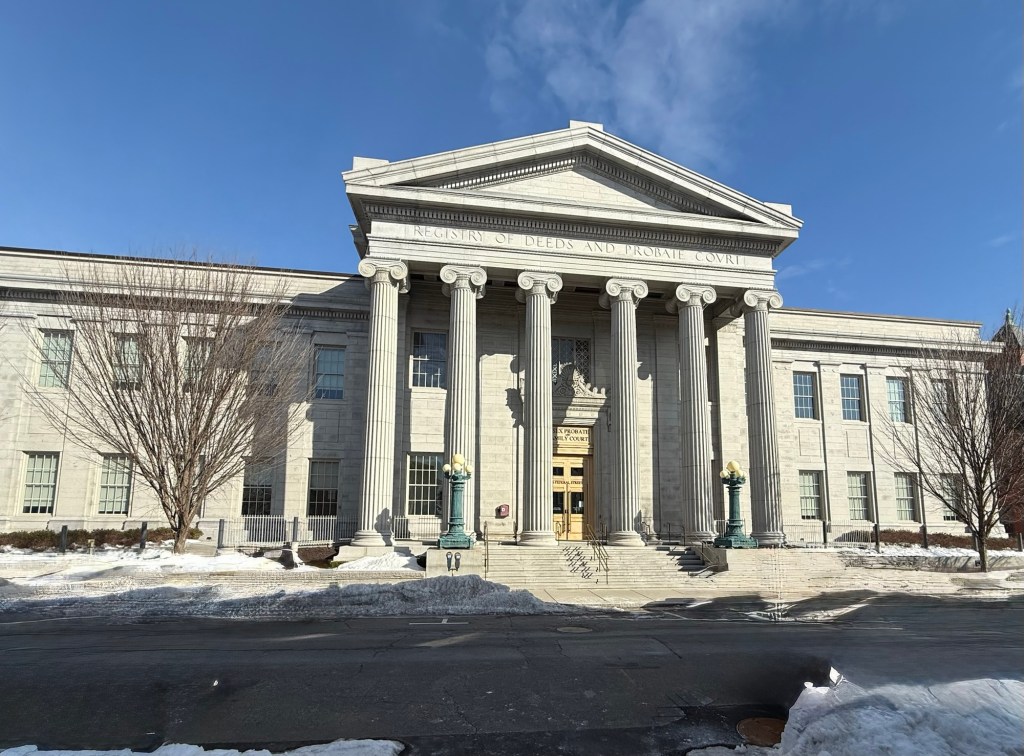
Essex County Registry of Deeds // 1909

The Essex County Registry of Deeds and Probate Courthouse on Federal Street in Salem, Massachusetts, was built in 1909 from plans by Boston architect, Clarence Blackall. The Neo-Classical courthouse adds to the rich tapestry of Civic buildings there, showcasing the ever-evolving tastes in architecture as the buildings become more contemporary as you move westward down the street. The two-story granite and cast-stone faced brick masonry building is cross-shaped in plan, consisting of a three-bay wide gable-end entrance with Ionic porch of six fluted columns supporting a dentilled entablature and pediment. The central bay within the entry porch contains a large double-door entrance with elaborate architrave and a scrolling pediment incorporating Classical motifs and a Greek god bust. The building underwent a massive restoration in 2017, and was renamed the Thaddeus Buczko Building after retired First Justice Thaddeus M. Buczko.