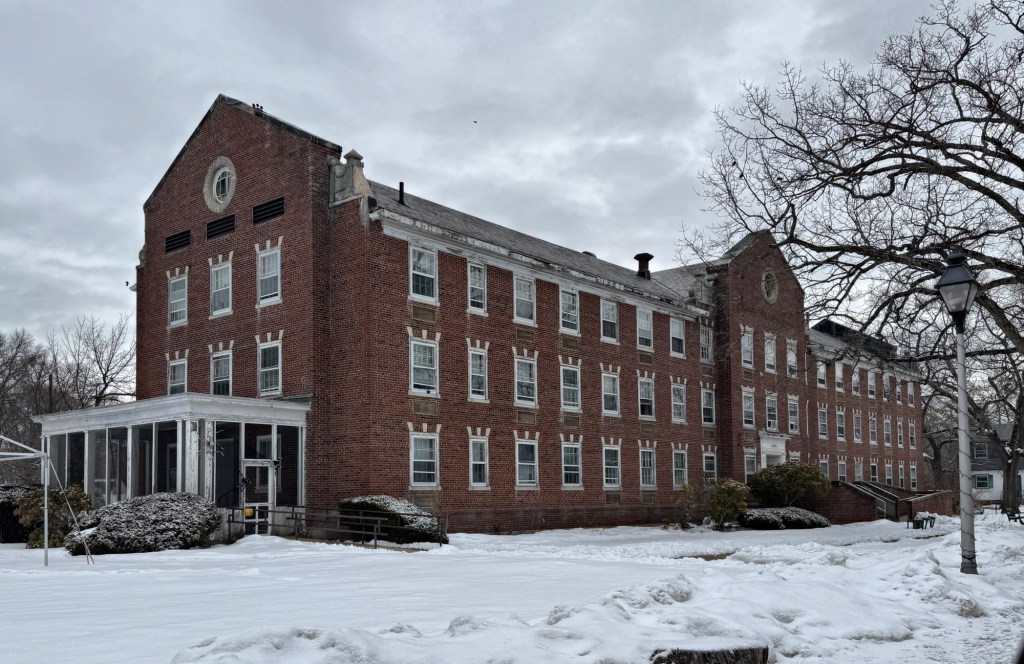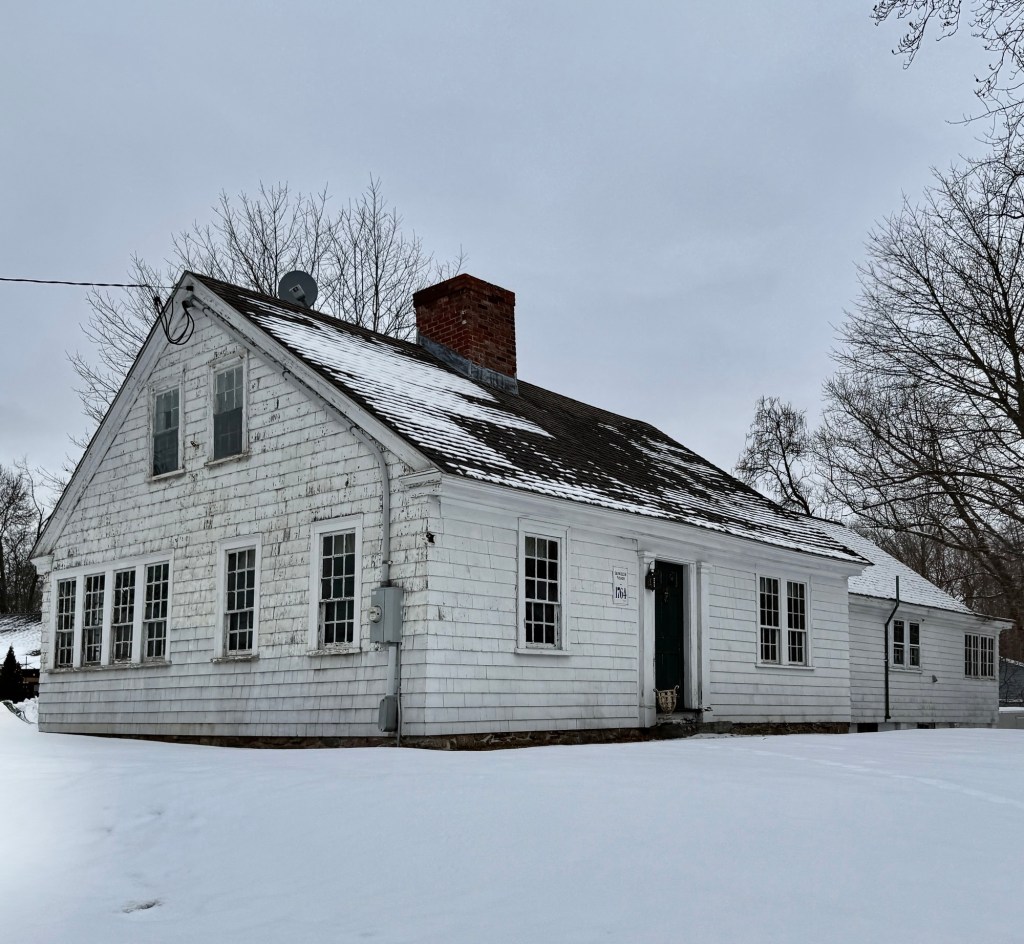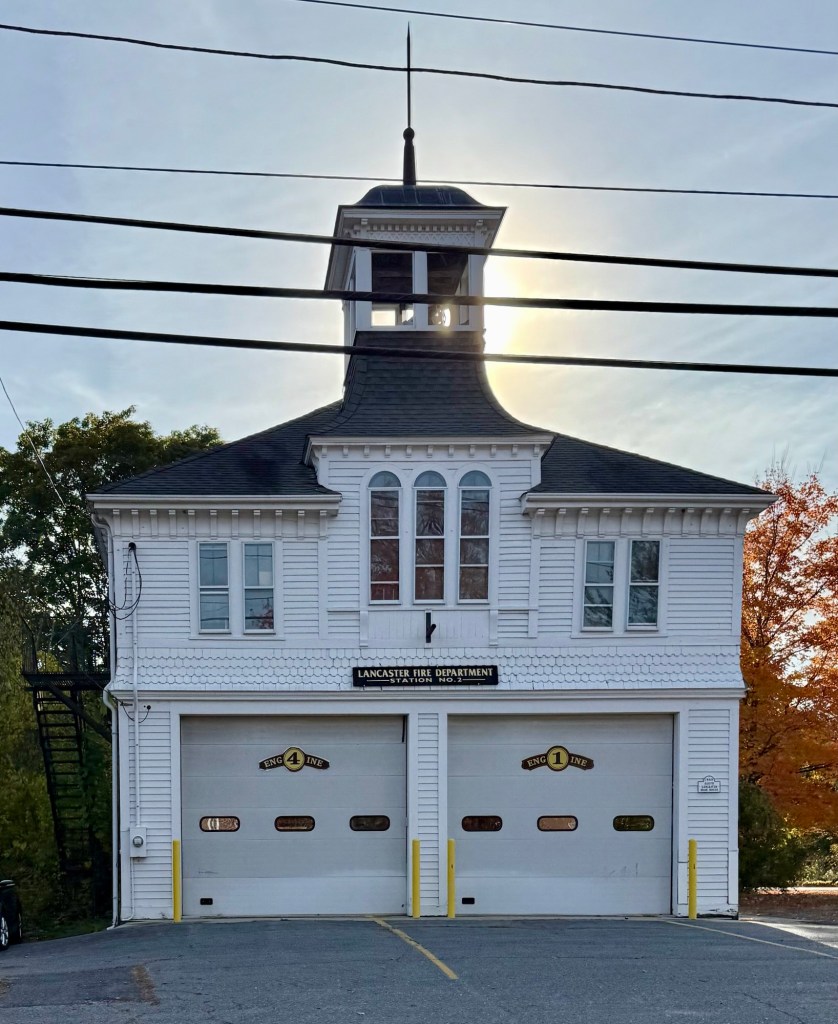
South Lancaster Engine House // 1888

The South Lancaster Engine House is located in the village of South Lancaster, Massachusetts, and is one of the town’s three remaining historic fire stations and the oldest that remains in use by the local fire department. At the Town Meeting of June 18, 1887, it was decided that $3, 500 would be expended to build a station for the Fire Department in South Lancaster. Construction began in 1887, and was completed in March of 1888 from plans by architect, C.A. Woodruff. The station housed horse-drawn wagons, including one sleigh, and featured a bell in the belfry to call attention to the public. The station appears much like it did when built in 1888, besides the bright white paint color and the modification of the engine doors for the new, larger fire trucks. 

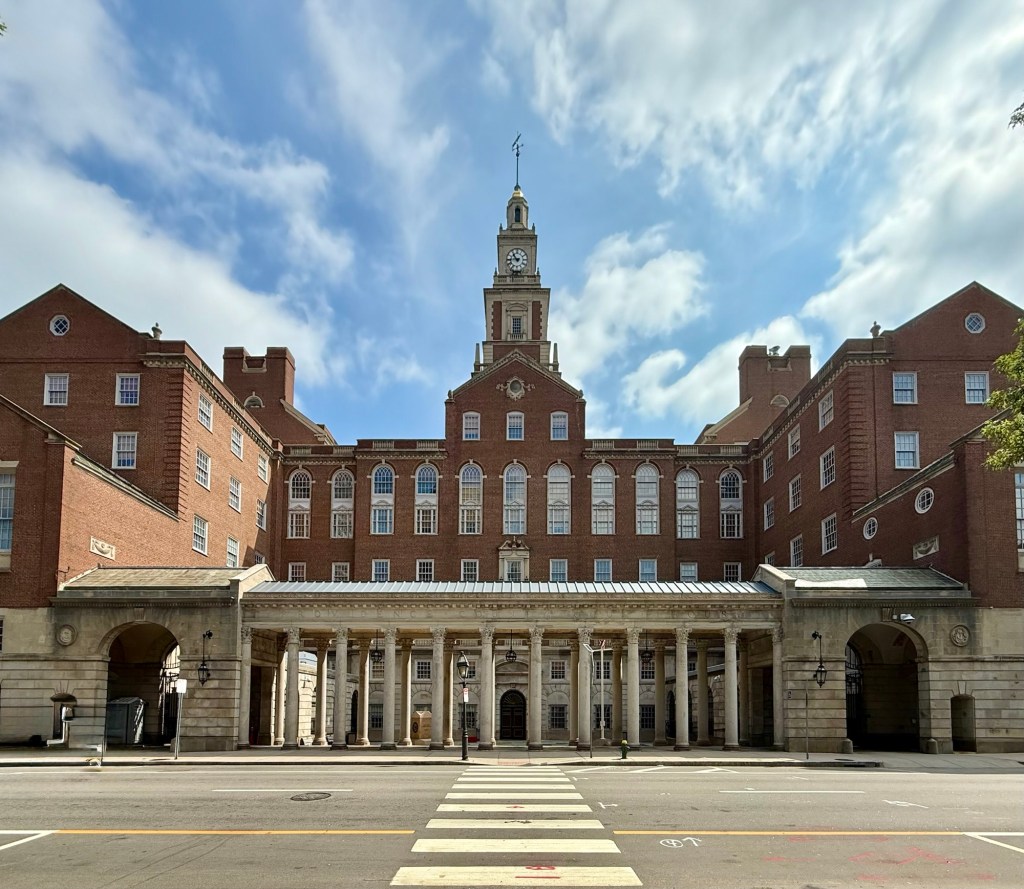
Providence County Courthouse // 1926

S. Main Street Elevation

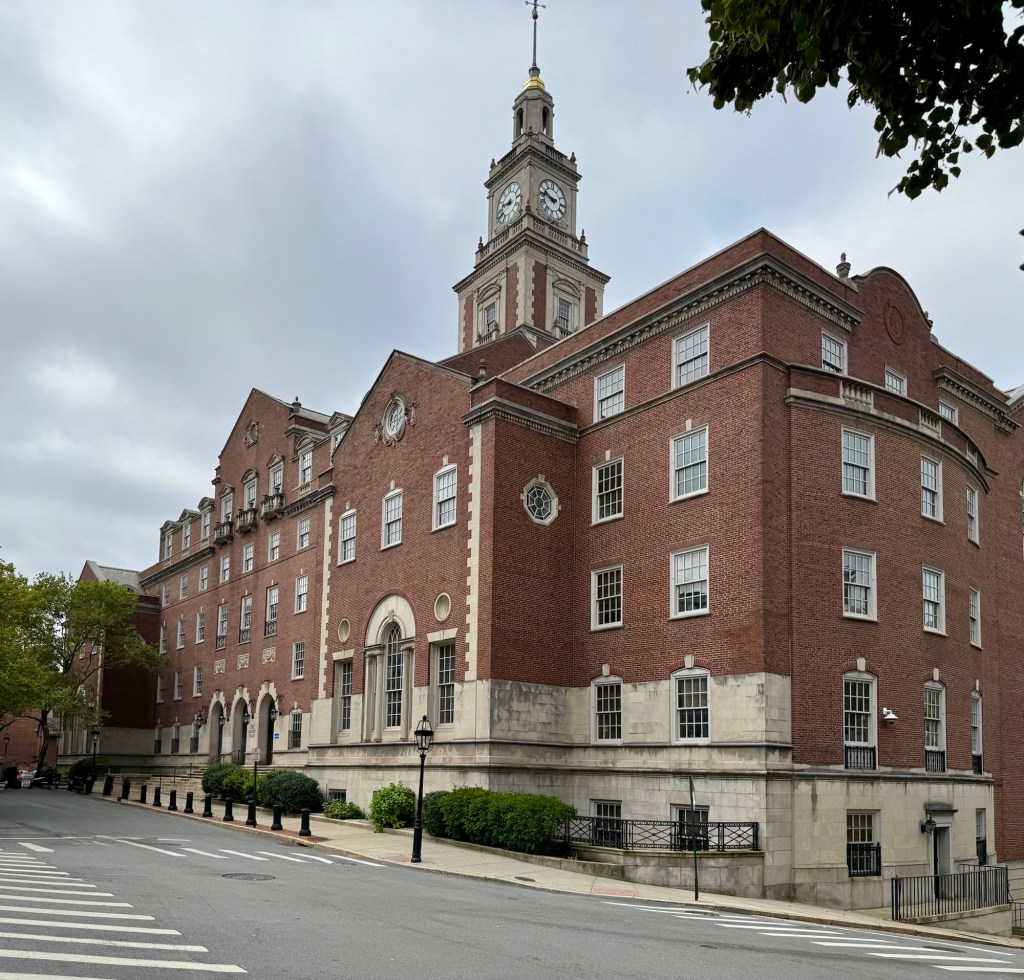
The Providence County Courthouse complex occupies an entire city block running between Benefit Street and South Main Street and while of immense scale, is broken up into more human-scaled wings and masses that make the building one of the finest and contextual designs in a city full of amazing architecture. The courthouse here replaced the first courthouse, a stunning palace of justice designed by Stone & Carpenter in the High Victorian Gothic style, that was completed in 1877. The old courthouse was soon outgrown and a larger building was planned following WWI. The present courthouse was built between 1926 and 1930 following a design by Jackson, Robertson & Adams in the Georgian Revival style, fitting of its context amongst some of the finest Colonial-era houses and buildings in New England. The building today contains the Rhode Island Supreme Court, Providence County Superior Court, and the local trial court. The South Main Street facade is my favorite with the Guastavino tile roof entry and stunning colonnade at the street level. A multi-stage clocktower emerges from the center of the building, at a height of 216-feet, making the courthouse the 11th tallest building in Providence.

Benefit Street Elevation

Dr. Benjamin L. Noyes House and Vault // 1903

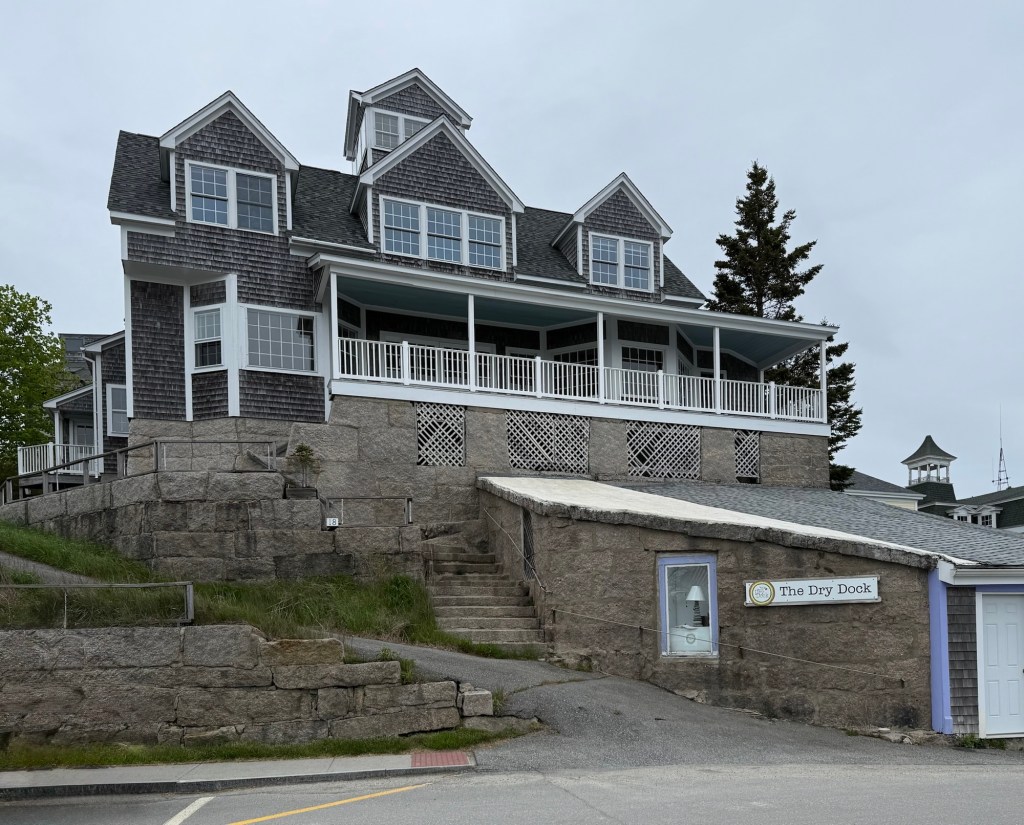
Benjamin Lake Noyes (1870-1945) was born in Lisbon Falls, Maine, but grew up on Grand Manan, New Brunswick, Canada. He worked at his father’s hardware store before entering Bowdoin Medical College. After graduating, he moved to Stonington, Maine, to work as a physician. Here, he met his wife, Linnie Howard, and they married in 1899. In 1903, the couple had a large Queen Anne style house built on a bluff, overlooking the Stonington Harbor. Dr. Noyes was a physician, surgeon, occultist, inventor, surveyor and antiquarian, who took interest in genealogy and local history in his spare time. By the time of his death Dr. Noyes had completed 100 volumes of material on island history and genealogies of its people. To house his massive collection, he constructed a fire-proof vault of local granite at the base of his home opened his record collection to the public known as the Penobscot Bay Archives. After his death in 1945, much of the collection was sent to the local historical society for preservation. A fire in 1981 destroyed much of the house except the first floor and the granite, fire-proof building, and the upper floors of the Noyes house were rebuilt.

Prudence Crandall’s School for Young Ladies and Little Misses of Color // c.1805

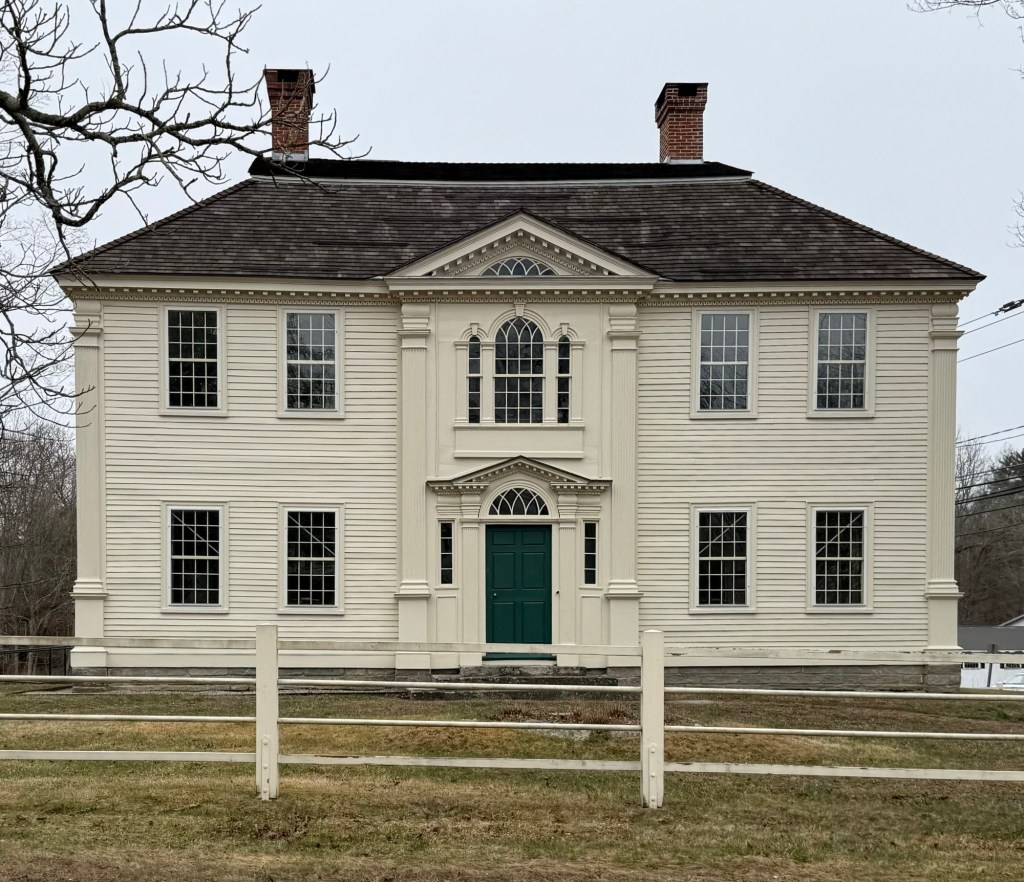
Built c.1805 for Elisha Payne, this architecturally distinguished Federal style mansion in Canturbury, Connecticut is one of the most significant buildings in the state, not only for its architecture but historical significance. In 1831, a young white woman, Prudence Crandall, was asked to open a boarding school for girls in Canterbury. She purchased this mansion and began operations for the school, which was attended by many wealthy girls in town. In 1832, Ms. Crandall was approached by a young Black girl who worked as a servant in town, named Sarah Harris, asking to attend the school. Encouraged by conversations with both Harris and Maria Davis, a Black woman who worked for Crandall and shared copies of the abolitionist newspaper The Liberator with her, Crandall agreed to admit Harris. Almost immediately, residents protested the school’s admission of a Black girl and parents threatened to withdraw their students, Crandall undeterred, closed her school and reopened in 1833, solely for Black and Brown students. Young girls traveled from several states to attend the school. The legislature of Connecticut responded by passing the “Black Law,” which prevented out-of-state Black and Brown people from attending school in Connecticut towns without local town approval. Crandall was arrested, spent one night in jail, and faced three court trials before the case was dismissed. In September 1834, a nighttime mob of men attacked the house, smashing the windows, leading Crandall to close the school out of fear for her students as no protections were afforded to them. These events made national and international news in the 1830s and galvanized the burgeoning abolitionist movement. Crandall would later marry and left Connecticut, never to return. For her vision and brave actions at this school, Prudence Crandall is Connecticut’s official state heroine and the house was designated a National Historic Landmark in 1991.

Edward Waldo House // c.1715

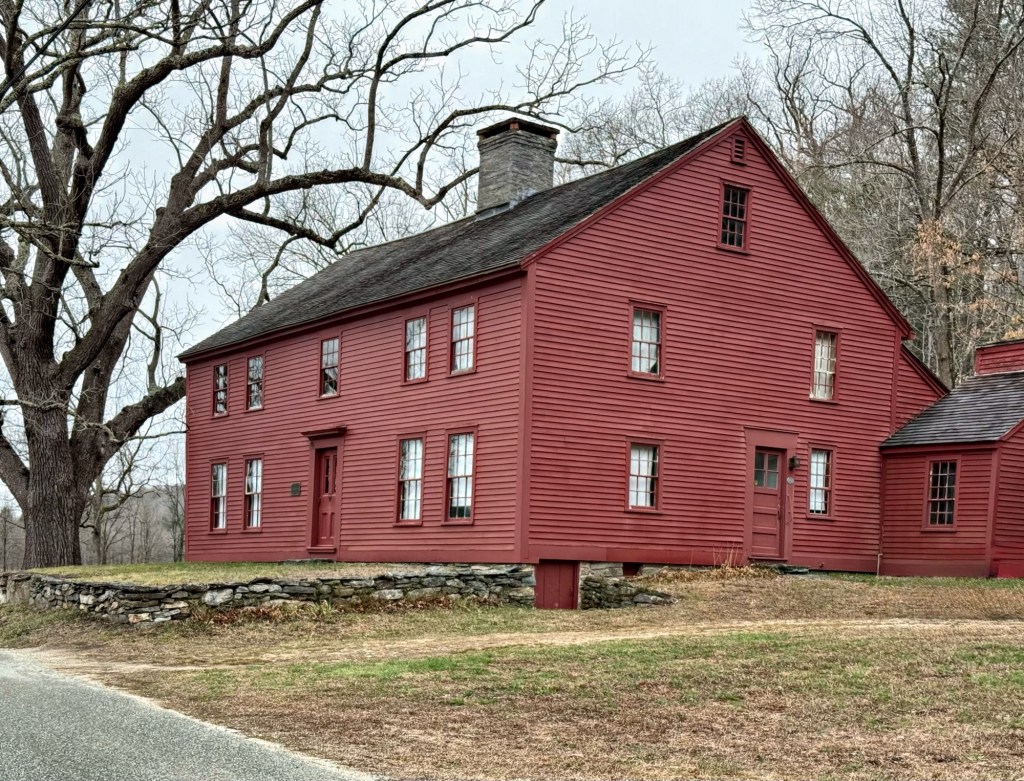
The Edward Waldo House in Scotland, Connecticut, is a vernacular Georgian house with saltbox roof and wings which from its erection about 1715 until 1971 was owned by members of the Waldo family. Edward Waldo (1684-1767) purchased land here along the Shetucket River in 1702 and by 1715, erected this house. The saltbox house which Edward Waldo built was one of the first houses in the town of Scotland and would remain in successive generations of the family for centuries. The house was the birthplace of Samuel Lovett Waldo (1783-1861), a portraitist who was a founder of the National Academy of Design as well as Daniel Waldo, chaplain of Congress, 1856-1858, and was one of seven Revolutionary War veterans who, having survived into the age of photography, were featured in the 1864 book The Last Men of the Revolution. The last Waldo owner, Miss Ruth Waldo died in1975. She insured the preservation of her family homestead by bequeathing the house, its contents, and about 15 acres of land to the Antiquarian & Landmarks Society of Connecticut Inc. and the surrounding acreage to the Connecticut Forest and Park Association, creating an enduring legacy for centuries to come. The house, set amongst a quiet country road, is evocative of early days in Scotland, Connecticut, and is one of the finest-preserved Colonial homes in this part of the state. 

Pawtucket Hair Cloth Mill //1864

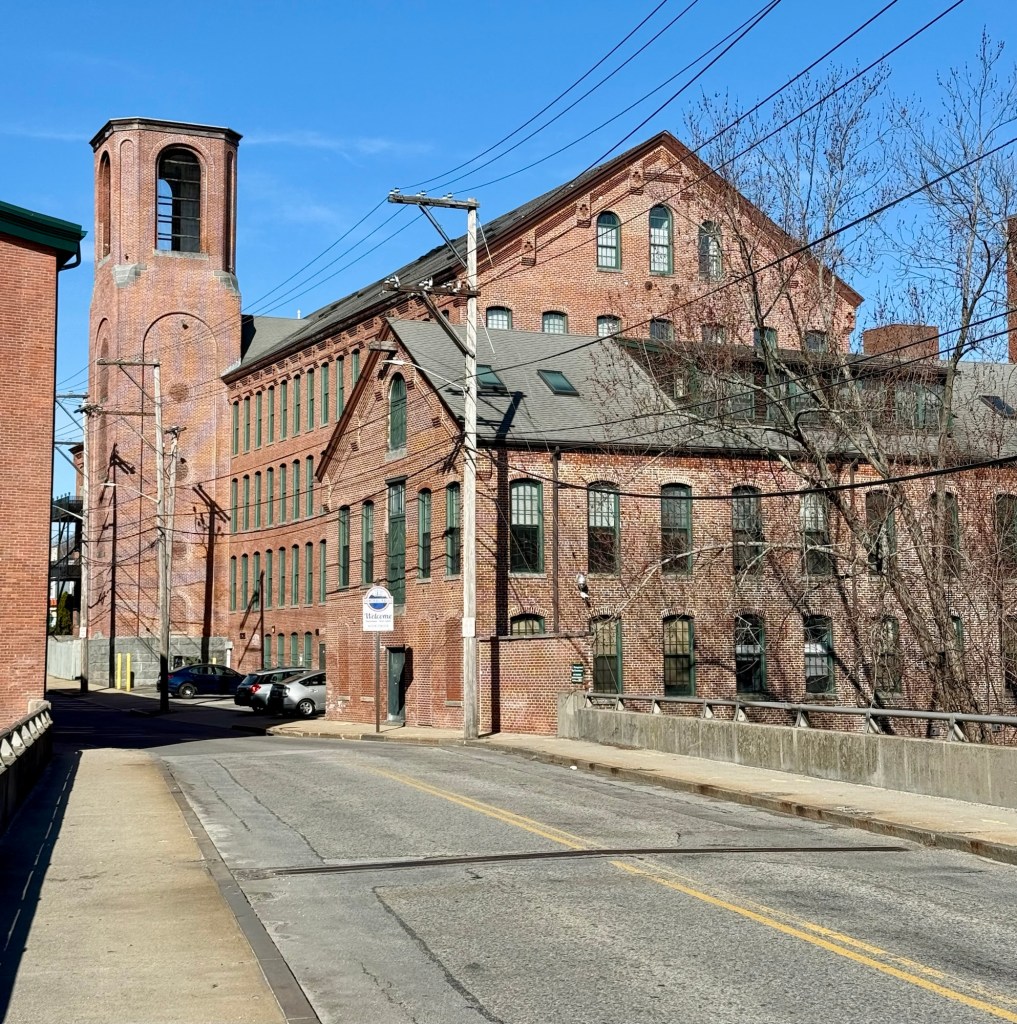
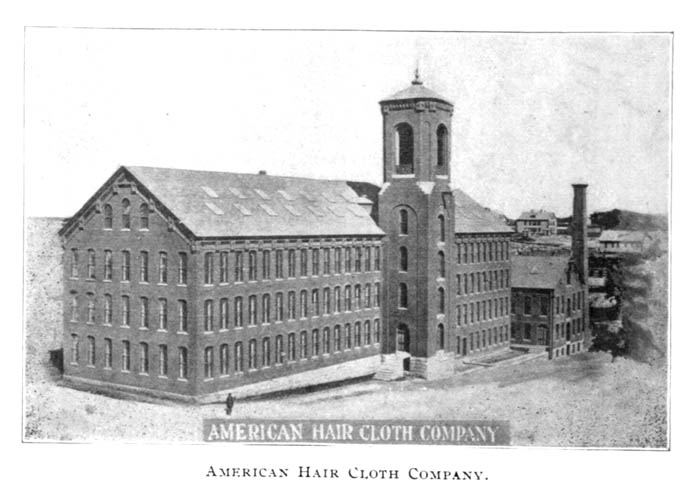
Despite its name, this handsome mill structure, known as the Pawtucket Hair Cloth Mill, is actually located in Central Falls, Rhode Island. The building, located on Roosevelt Avenue on the banks of the Blackstone River, is a great example of a Civil War-era mill, built for one of the many wool and cloth companies in New England. Begun in a small factory across the street in 1856, this business became successful after the acquisition of patents for weaving haircloth (most of the raw material for which originally came from Russian horse markets) for upholstery, crinolines, and inner linings. The company is said to have once been the largest producer of haircloth in the world. The Italianate style mill stands pretty much as built, besides the tower that has lost its low pyramidal cap. The building was one of the first commissions by great Rhode Island architect, William Walker, who was just 34 at the time of designing this large, and complicated structure.

Former Cornwall Public Library // 1908

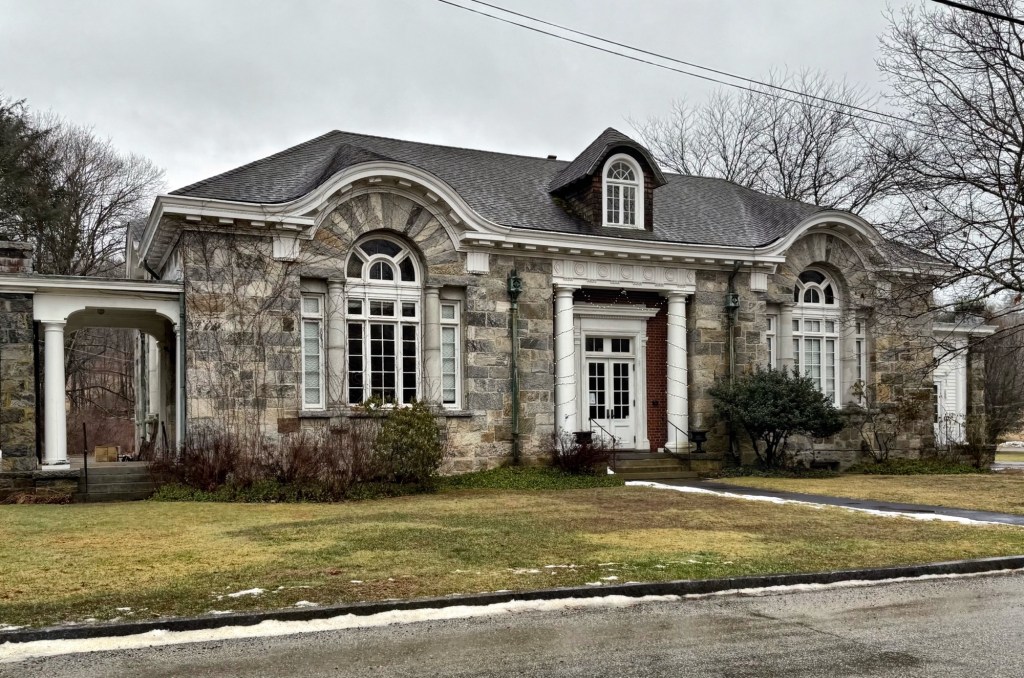
Constructed of random-coursed stone, this charming building in Cornwall, Connecticut, exhibits a prominent classical entry, Tuscan pilasters, and modillion eaves. This handsome structure was completed in late 1908 following a substantial donation to the town for it’s first purpose-built library by summer resident John E. Calhoun. Mr. Calhoun had cultivated an interest in architecture and is said to have designed the building, and later designed his own home in the village years later. The high-style architectural building documents the transformation of Cornwall from a sleepy agricultural town into a fashionable residential retreat in the late nineteenth and early twentieth centuries. The building operated as the town’s public library until 2002 when the contemporary library building was completed. This stone structure was converted to the town hall.

General John Sedgwick House // 1860

The Major General John Sedgwick House is located in Cornwall Hollow, Connecticut, and stands out as one of the finest residences in this part of the state in a rural setting. The house was built by 1860 for General John Sedgwick (1813-1864), who was born in a house standing on this site, which had been built by his grandfather, a veteran of the Revolutionary War. In 1859, the Sedgwick family homestead burned to the ground. Sedgwick, then already well established in his military career, took leave to oversee construction of its replacement. This house was built, apparently on the foundation of the old house, in 1859–60. The work was done by Cyrus Marsh, a local builder, in the Italianate style with decorative brackets, window mouldings, hoods, and a large columned entry portico. Major General Sedgwick was active in many campaigns, and during the American Civil War, he was killed by a sharpshooter at the 1864 Battle of Spotsylvania Court House, he was the Union Army’s highest-ranking casualty of the war and never got to reside in his Cornwall home.

Myron Norton House // 1840

The Myron Norton House, built in 1840, is located in the central village in Goshen, Connecticut. Built of stone, the house is unique as the only example of a stone house in the village, and the only Greek Revival house that departs from the usual gable-roofed form, having a square plan and hipped roof with monitor. The home was built for Myron Norton (1788-1853) and his wife, Caroline (Marsh) Norton, who outlived her husband by 23 years, living here until her death in 1876. Myron Norton made his fortune patenting and selling pineapple cheese molds, where he pressed the curds from local cows in wooden pineapple-shaped molds to give them the desired shape. It is the house that cheese built!

First Parish Church of Ashby // 1809

Welcome to Ashby, Massachusetts; a rural and historic town that was first settled in 1676 but due to the continued threat of native hostilities, permanent European settlement in the town did not occur until about 1750. The town incorporated in 1767 and was reputedly named for the abundance and quality of white ash trees found in the area by early settlers. Today, the town has just over 3,000 residents. At the center of the town village, the First Parish Church of Ashby stands as a significant Federal-period meetinghouse, and an integral piece of the town’s history. The present building was constructed in 1809, replacing an earlier structure from 1771. Carpenters for the building were Joseph Kendall and Darius Wellington of Ashby, who utilized plans from Asher Benjamin’s American architectural pattern book of 1797. Facing the town common, the church is a two-story gable front building with a three-stage tower including an octagonal open belfry rising from the pedimented front pavilion.