M. A. Pickett Building // 1902

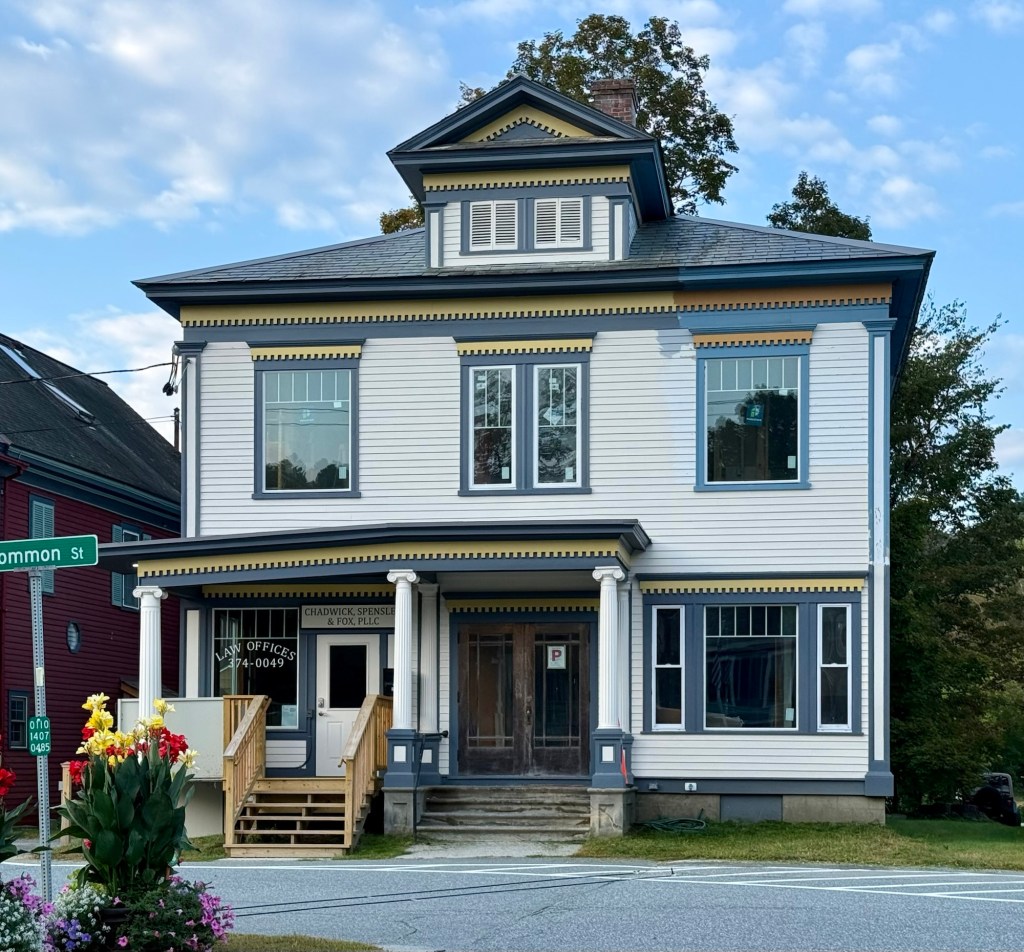
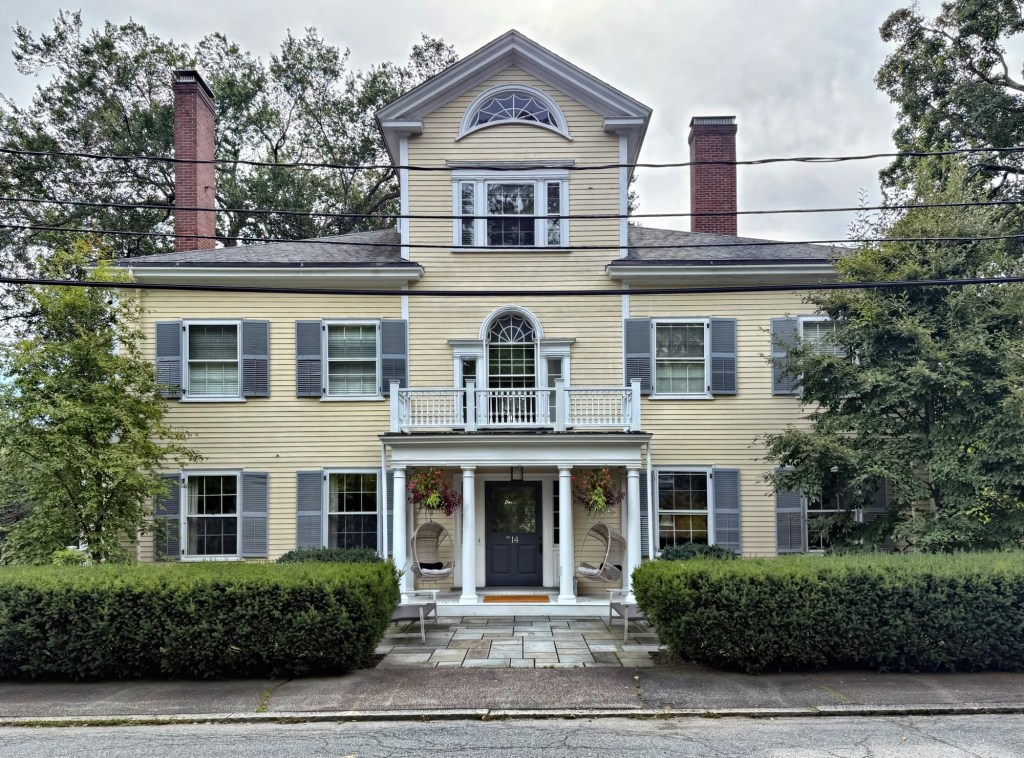
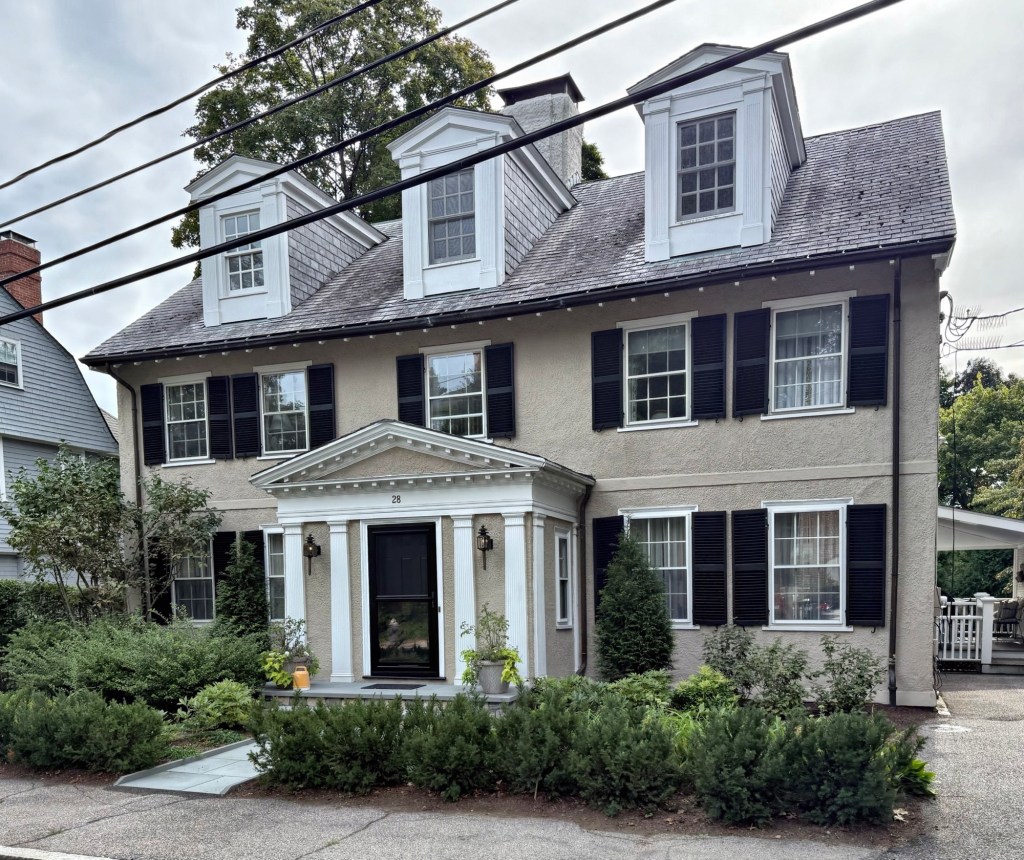
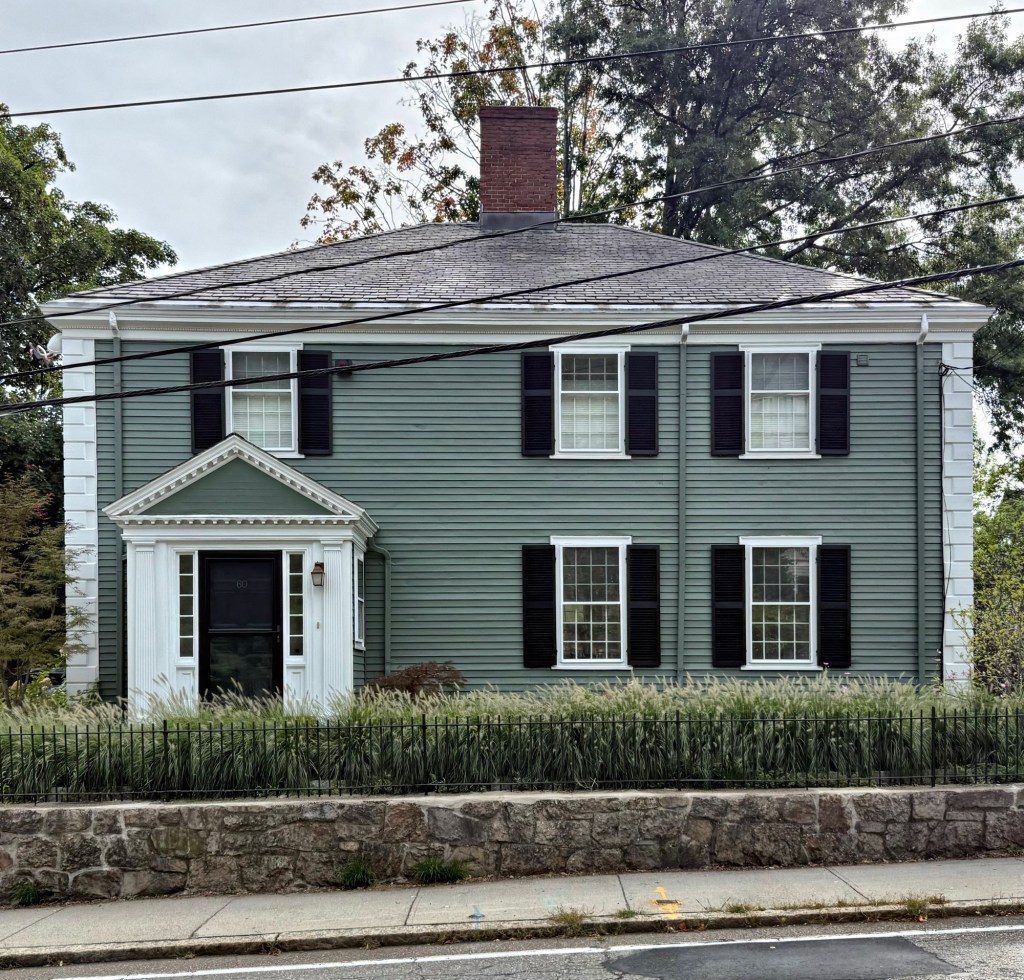
The M. A. Pickett Building on Washington Street in Marblehead is a spectacular example of a commercial building of the early 20th century designed in the Colonial Revival style. The building was designed in 1902 by the firm of Peare & Quiner, who worked mostly in the North Shore of Massachusetts and funded by members of the M.A. Pickett Association, a fraternal organization founded in the late 19th century and named after Moses A. Pickett (1780-1853), who left his entire will to: “comfort the widow and the fatherless, the aged, the sick, and the unhappy”, also donating his home to the use and funding for its preservation. In 1866, a hand-drawn fire engine named after M. A. Pickett, was used by a group of volunteer firefighters, who later would create the club named after Mr. Pickett. The building originally held a barber shop and a creamery on the ground floor with a meeting hall and billiards room above for members of the Pickett Association. Today, the building is lovingly maintained, including the three stunning Palladian windows at the third floor.

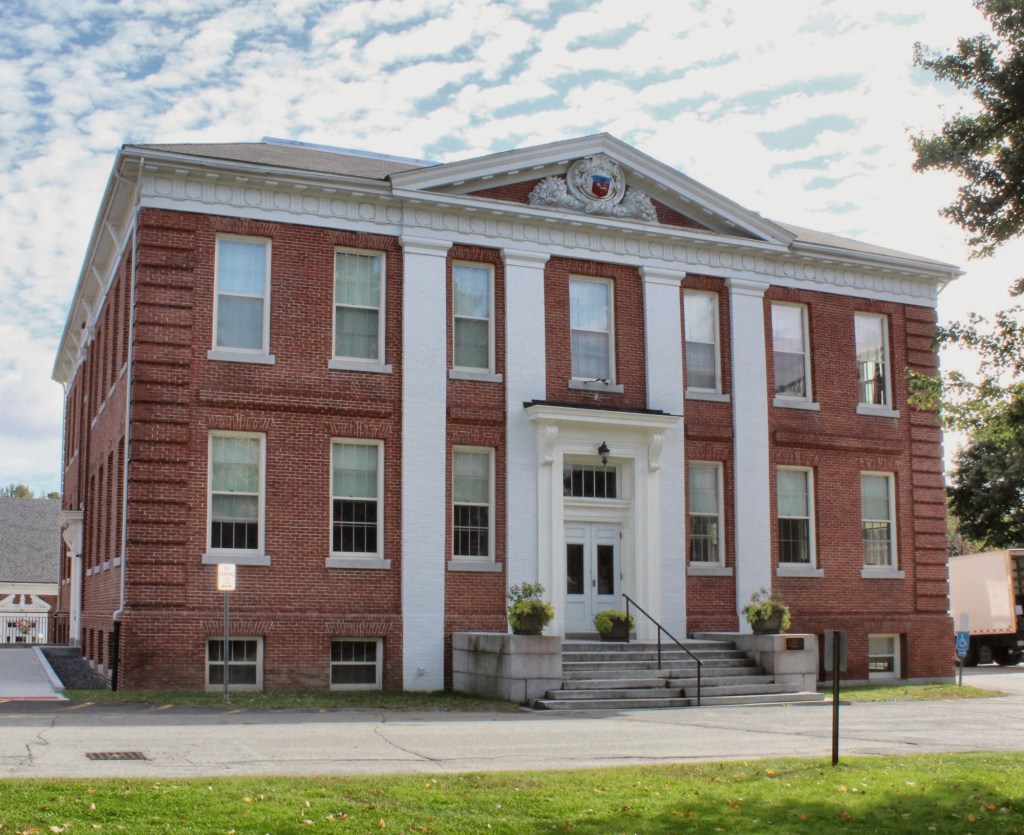
Westborough Town Hall // 1929

Welcome to Westborough (sometimes spelled Westboro), Massachusetts, a suburban town in Worcester County that has a lot of history! Westborough was first settled by colonists in 1675, when a few families had settled on land in the “west borough” of Marlborough, which was settled decades earlier. Before this, the land was occupied by the Nipmuc Indians, who hunted and fished near Cedar Swamp and Lake Hoccomocco. The town grew as an agricultural center with turnpikes crossing through connecting Boston to Worcester and other points. Later connections from rail and later the Mass Pike, had allowed for rapid growth and commercialization of the current population of over 22,000 residents. After WWI, the town’s outdated wood-frame meetinghouse was deemed inadequate for the growing population and higher demand for quality services. The meetinghouse was demolished and soon-after replaced with this handsome Town Hall in 1929. Designed by Boston architectural firm, Kilham, Hopkins & Greeley, who specialized in thoughtful infill developments and were among the best to design in the Colonial Revival style. The building was highlighted in architectural publications in 1930 with one stating, “An ultra-modernistic building on the elm shaded street of this Massachusetts town would have been an intrusion and would have been felt as such by the citizens, but the designers felt that it was entirely possible to combine the new ideas with the well-known red brick and white cupola of the native idiom, and the result is a modern building harmonizing perfectly within its environment.” I couldn’t agree more!

Mrs. Laura Haley House // 1894

This charming, gambrel-roofed house at the corner of Vinal and Pleasant avenues in Somerville, Massachusetts, was built in 1894 from local developer H. W. P. Colson, and sold upon completion to Mrs. Laura (French) Haley. An architect could not be located. Laura Haley was recently widowed and lived in the house with her daughter, with her son purchasing the house next door. The Haley House is notable for its gambrel roof with gambrelled center gable, pilastered dormers, stained glass windows, and full-length porch with columns and rubblestone base. The well-preserved house blends Queen Anne and Colonial Revival styles under one broad roof. It is magnificent!

Dr. Thomas M. Durell House // 1897

Located next to the colorful Wadleigh-Friend House on Highland Avenue in Somerville, the Dr. Thomas M. Durell House stands as a more academic example of the Colonial Revival style, but leaning more towards Arts and Crafts style than Queen Anne like its neighbor. This residence was built in 1897 for Dr. Thomas M. Durell, a Harvard-educated doctor and surgeon who, at the formation of the Tufts Medical School, was appointed Lecturer on Legal Medicine, and in 1895, was made Professor of that subject. Architects (and brothers) Edwin King Blaikie and William Everett Blaikie designed the residence for Dr. Durell along with a stable at the rear. While the house exhibits Colonial Revival detailing from the Palladian window and proportions, there are some Arts and Crafts style influences including the shed dormers, shingled siding, inset porches, and broad overhanging eaves with exposed rafters. 

Benjamin and Almira Pitman House // 1900

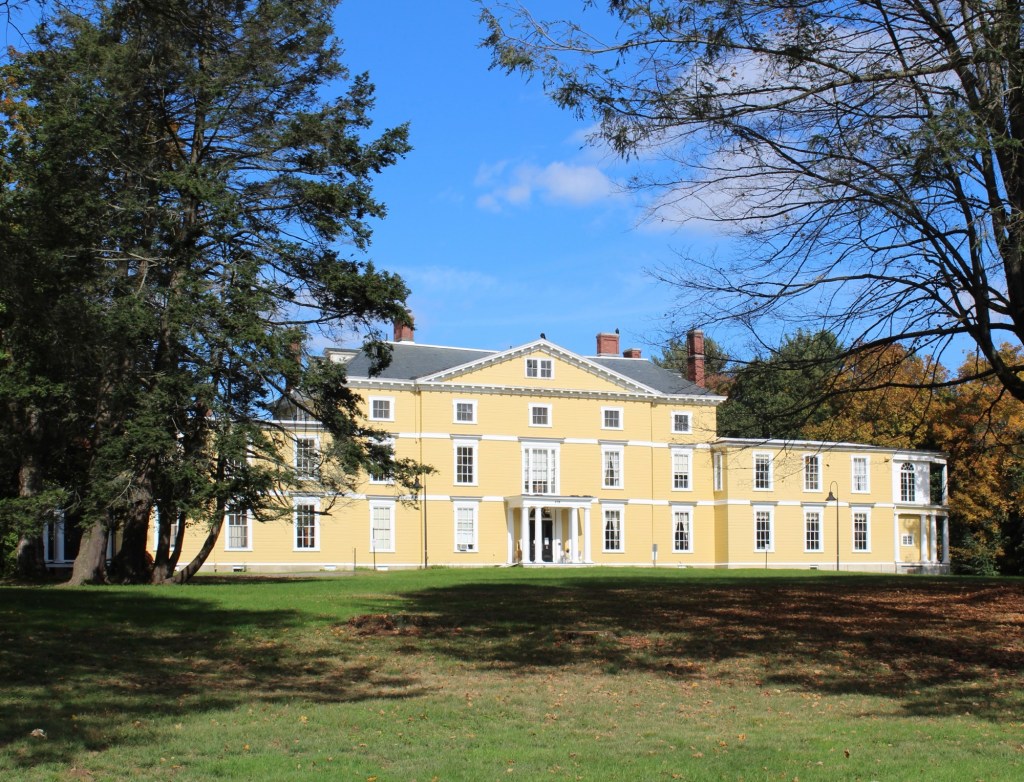
Benjamin Franklin Keolaokalani Pitman (1852-1918) was born in Hilo, Hawaii, to parents Benjamin Pitman, a Salem businessman, and Kinoʻoleoliliha, high chiefess in the Kingdom of Hawaii. After the sudden death of Kinoʻoleoliliha, Benjamin Pitman Sr. remarried and sent his children to attend schools in Boston. Benjamin F. K. Pitman would meet and marry Almira Hollander Pitman (1854-1939), a suffragist who was instrumental in working for women’s suffrage in Hawaii. The couple purchased a house lot in the exclusive Cottage Farm neighborhood of Brookline, and hired architect Edwin J. Lewis, to design a home for their family. Early atlas maps and photos show that the house was originally clapboarded on the front and rear elevations with large brick end walls containing the chimneys. The facade was given a brick veneer sometime in the 20th century. After Benjamin died in 1918, Almira had a small gambrel-roofed cottage built in the rear yard for her son to live in. The residence is one of the finest Colonial Revival style homes in the area.

Joseph and Jane Cotton House // c.1905

As the heirs of Amos A. Lawrence began subdividing and selling off desirable house lots in the Cottage Farm neighborhood of Brookline in the 20th century, we can see a visual representation as to the ever-changing architectural tastes of wealthy residents, from Colonial Revival to Tudor Revival. This residence, the Joseph and Jane Cotton House, was built adjacent to the Amos A. Lawrence Cottage, and is an excellent example of a Colonial Revival style brick home. The property was built for Joseph Hall Cotton (1869-1919), treasurer of the American Tube Works, and his wife, Jane Eaton Cotton. The couple remained in the home for about a decade until they relocated to the Back Bay neighborhood of Boston. The architectural firm of Chapman & Frazer, esteemed suburban architects, designed the house as an elongated rectangle with projecting columned porches on the first floor, pilastered entrance and window above, and hipped roof with overhanging eaves and shed dormers, a nod to the Arts and Crafts style.

Briggs-Lyman House // 1903

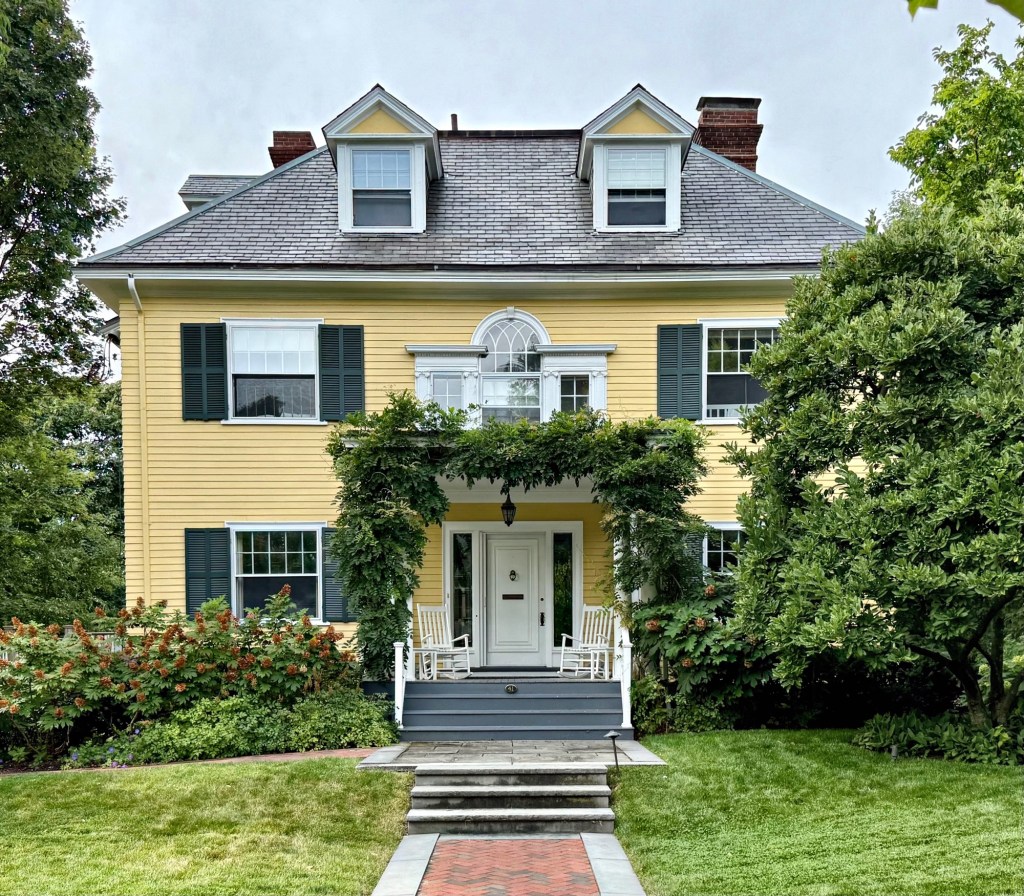
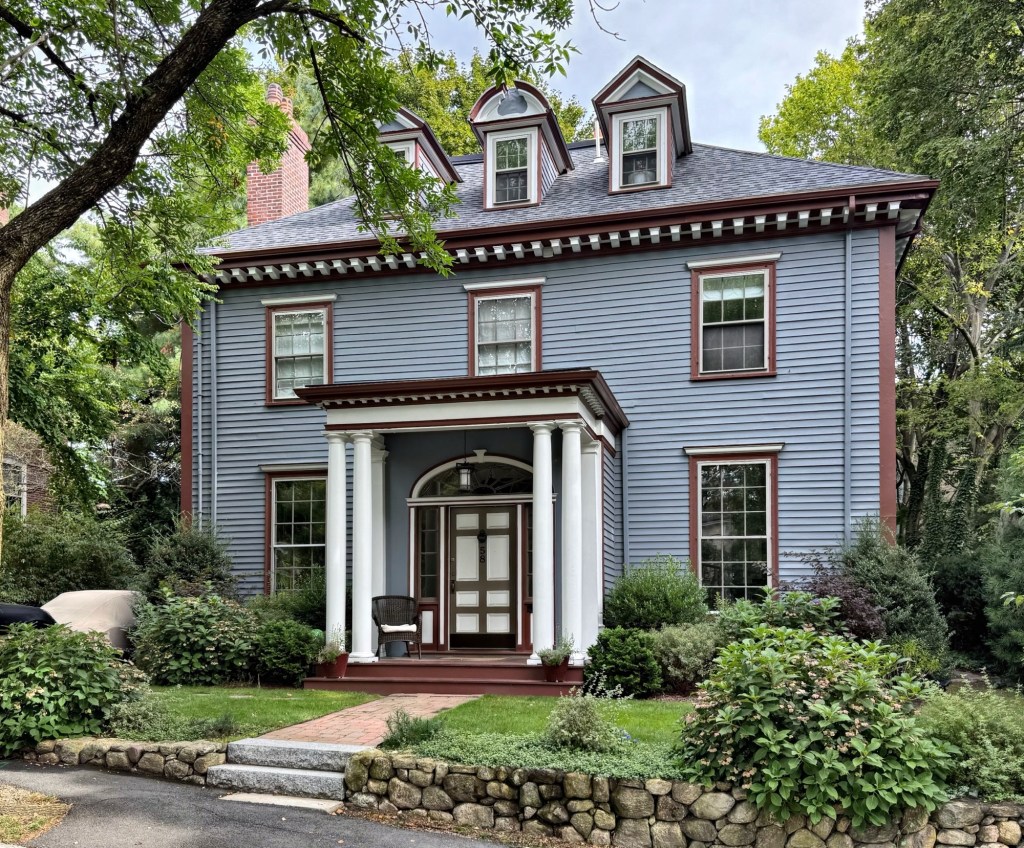
Built in 1903 for Walter Briggs, this stately Colonial Revival style residence showcases the bold proportions and scale of the style. Located on Euston Street in the Cottage Farm neighborhood, this house was designed by Walter H. Kilham of the firm, Kilham & Hopkins, who specialized in large, suburban homes in the Boston area during the early decades of the 20th century. The symmetrical facade includes a projecting center vestibule, an arched window with blind fan above, bold window trim, and a shallow hip roof broken by two pedimented dormers. The house is so special that it was featured in a 1909 publication highlighting 100 country houses of various styles of the United States.

Rowe House // 1911

The Rowe House at 11 Mason Street is an over-the-top, and high-style example of the Colonial Revival style, showcasing the oversized proportions and scale that architects in the early 20th century followed when referencing Colonial American architecture. The house here was built in 1911 for Edward Prescott Rowe (1879-1936) and his wife, Eleanor Livingstone. Designed by the firm of Rowe & Keyes of Boston and New York, the commission was likely a relative of Mr. and Mrs. Rowe. The symmetrical house features a broad gambrel roof with Palladian windows in the side gable and central dormer at the facade, large pilasters breaking up the bays on the facade, a projecting Colonial Revival entry, and squat windows at the second floor terminating at the entablature above. The property even retains its Colonial Revival gateway.

Abington Savings Bank // 1930

Built in 1930 for the Abington Savings Bank, this handsome Colonial Revival style building is located in the center of Abington, Massachusetts and has been a bank for almost 100 years! The bank was originally incorporated in 1853 and grew as Abington and adjacent towns saw suburban growth. The corporation hired the firm of J. Williams Beal & Sons, who specialized in commercial developments, to furnish plans for the building, resulting in the present structure. The firm also designed the Abington Mutual Fire Insurance Company Building (1931) across the street and the Dyer Memorial Library (1932), the town library. The brick and limestone building has three main bays, with the center rising above with a gable, resembling as a pediment of a Roman temple. In the gable, a shield with swags is adorned with the letters “ASB” (Abington Savings Bank) with the original incorporation date of 1853. The bank merged with others and eventually became a Sovereign Bank, and later Santander Bank, which remains in the building to this day.

Charles H. Owens House // 1906

This stately house on Powell Street in Brookline, Massachusetts, was built in 1906 for Charles H. Owens, Jr., and his wife, Nellie. Charles was a “house decorator”, who built the house next door just two years earlier before moving into this larger home in 1906. Both houses were designed by the architectural firm of Loring & Phipps, who Owens likely collaborated on commissions with in his career. The house is 2 1/2-stories with a shallow hip roof and is an excellent example of an academic interpretation of the Colonial Revival style. The principal facade has flush board siding with round-arched windows on the first floor along with a squat fanlight transom over the center entrance.