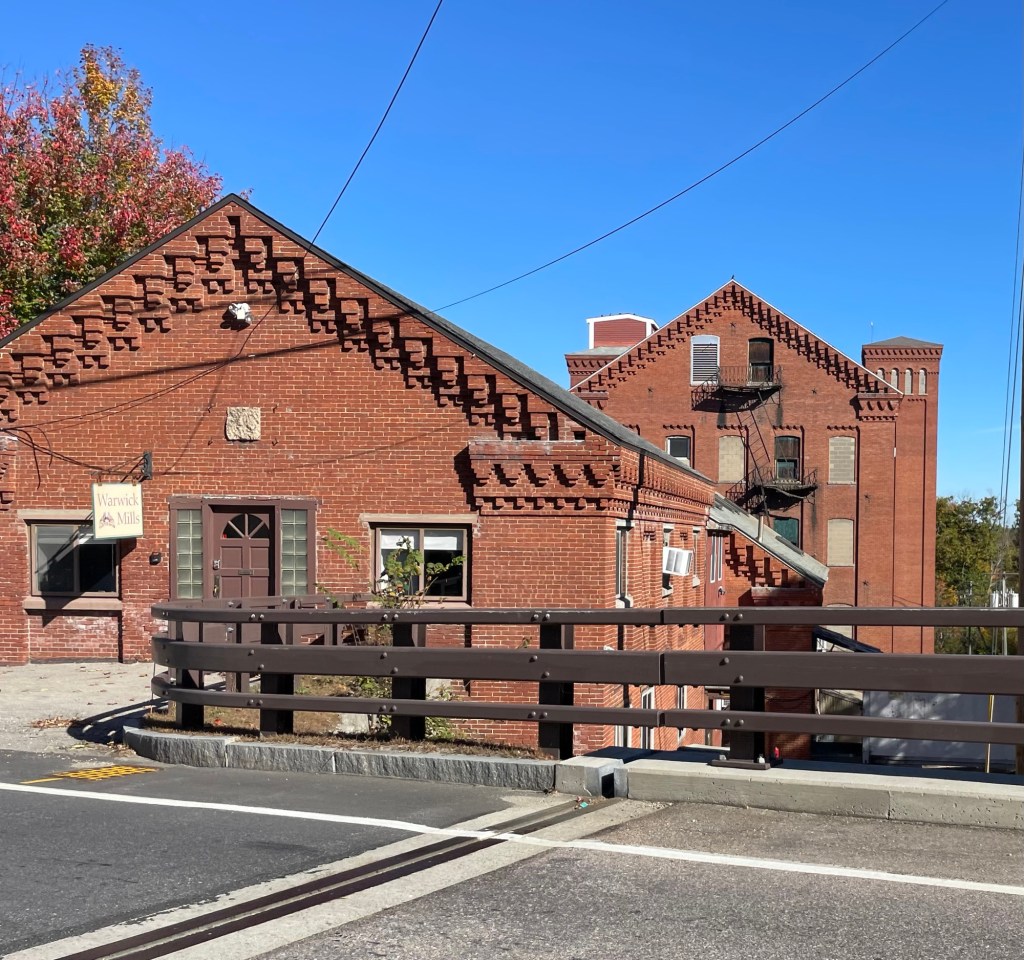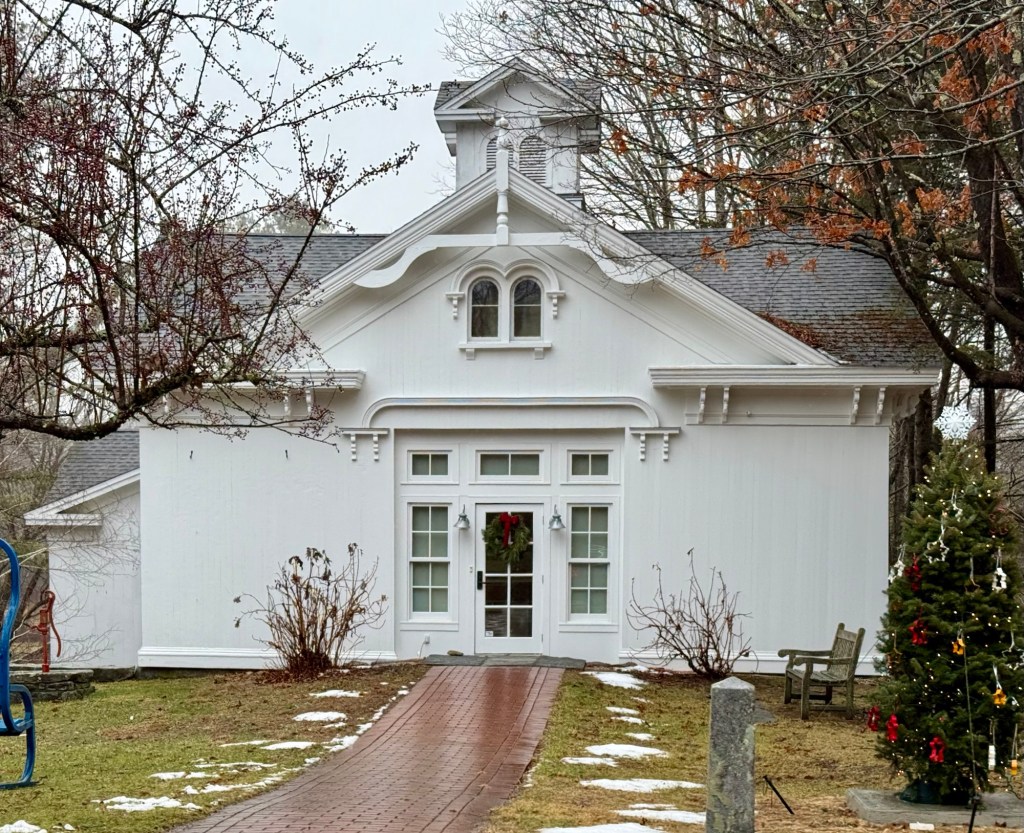
Former Sheffield Mill // 1887

The former Sheffield Mill is historically and architecturally significant as one of the last remaining large-scale manufacturing complex to survive in the village of Saugerties, New York. The building was constructed in 1887 as the J. B. Sheffield Paper Company and was used for the manufacturing of envelopes and bank bookbinding. In the 1930s, the building was purchased by the Knaust Brothers, who grew and harvested mushrooms in nearby towns, making mushroom beds or trays in this building. The Knaust Brothers were at one time, one of the largest firms growing and canning mushrooms in the world. The former mill was vacant by the late 20th century and its future was uncertain until it was renovated at the turn of the present century into senior housing. What a great rebirth of a great old mill!

Loerzel Beer Hall // 1873

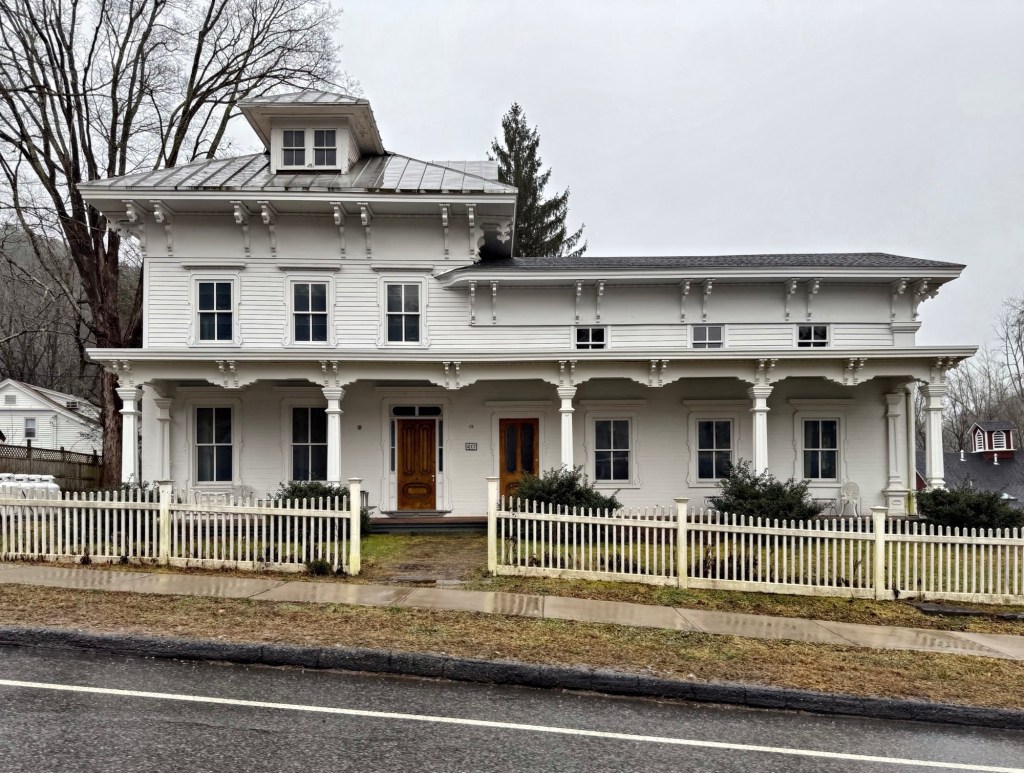
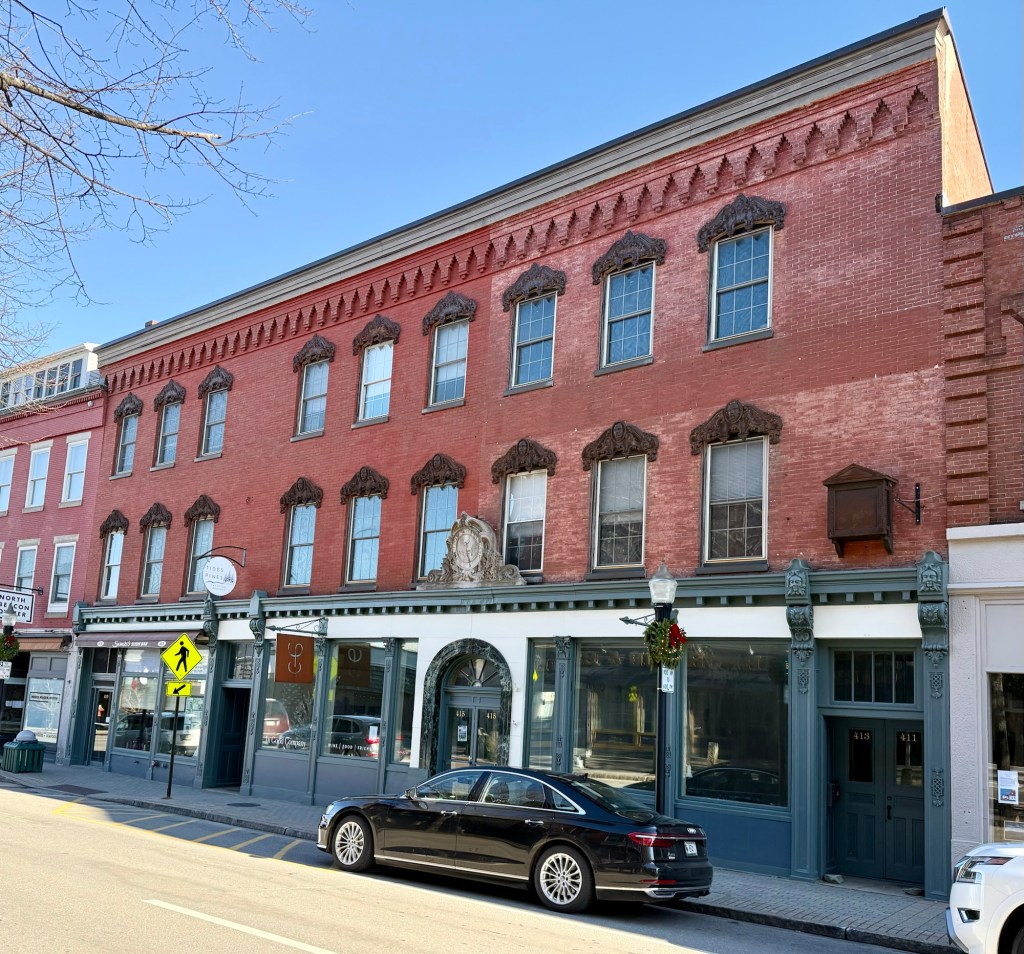
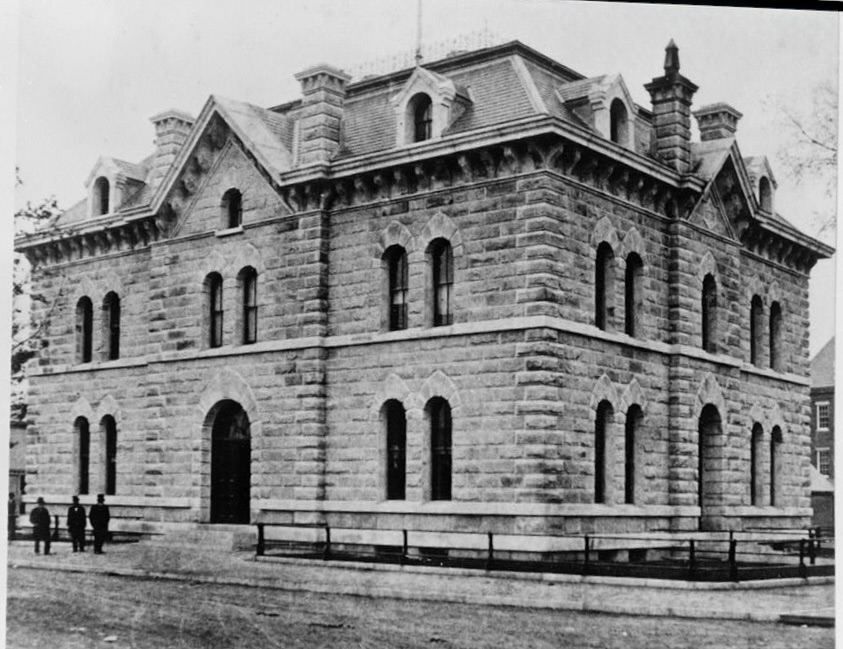
The Loerzel Beer Hall was built in 1873 in Saugerties, New York and is an important historical and architectural landmark in the Hudson Valley town. Operating independently as a brewery and beer hall by German immigrant Lorenz Loerzel (1821-1878), and later by his family for thirty years, the handsome Italianate style building became a popular meeting place for socialization and community for many immigrants who arrived to the town of Saugerties for work. The beer hall remained in operation until Prohibition in 1920. The building appears to now be occupied as apartments.

Saugerties Lighthouse // 1869

A landmark beacon on the Hudson River in New York, the Saugerties Lighthouse is a venerable aid to navigation and historically significant structure in the town of Saugerties. The first lighthouse here was built in 1835 and replaced in 1869 by the present structure, being the oldest lighthouse on the upper Hudson. The structure was important to the industry and later growth and development of the area as it provided aid to boatmen in trouble as well as providing a light and fog bell to warn ships of river hazards. The Saugerties Lighthouse was automated in 1954, making the light keepers obsolete. The building was closed up. Due to neglect, it fell into disrepair and decay and the Coast Guard proposed to demolish the structure in 1964. Local residents began to actively preserve and protect the lighthouse and funding was acquired to restore and recommission the structure, which occured in 1990. The Saugerties Lighthouse Conservancy today maintains and preserves this important historical asset and the lighthouse is even available for a short-term stay as a bed & breakfast, allowing visitors to serve as a lighthouse keeper for a weekend (without having to keep the lantern running.)

Old Granite Shore Hotel // c.1755

Reverend Ebenezer Cleveland (1725-1805) graduated from Yale College in 1749 and would move to Rockport (then a parish town of Gloucester) accepting the call as the village’s pastor for its Congregational Church. By around 1755, he lived in a house on this site next to the church before becoming a chaplain in the French and Indian War, fighting at the Battle of Bunker Hill, and helping to establish Dartmouth College. The property here was later owned by Jabez R. Gott, a deacon of the Congregational Church and the original cashier of the Rockport National Bank until his death in 1876. Sometime in the next decade, the Cleveland House was converted to a summer hotel, known as the Granite Shore Hotel. The original Georgian-era structure was heavily altered and expanded to provide new rooms and amenities for seasonal guests. An 1905 book showed rooms available at the Granite Shore for $2 a night. By 1919, the rates were $3 a day or between $15 and $18 a week! The hotel closed sometime in the 1940s and the building is now home to art galleries.

Harris Sayles House // c.1860

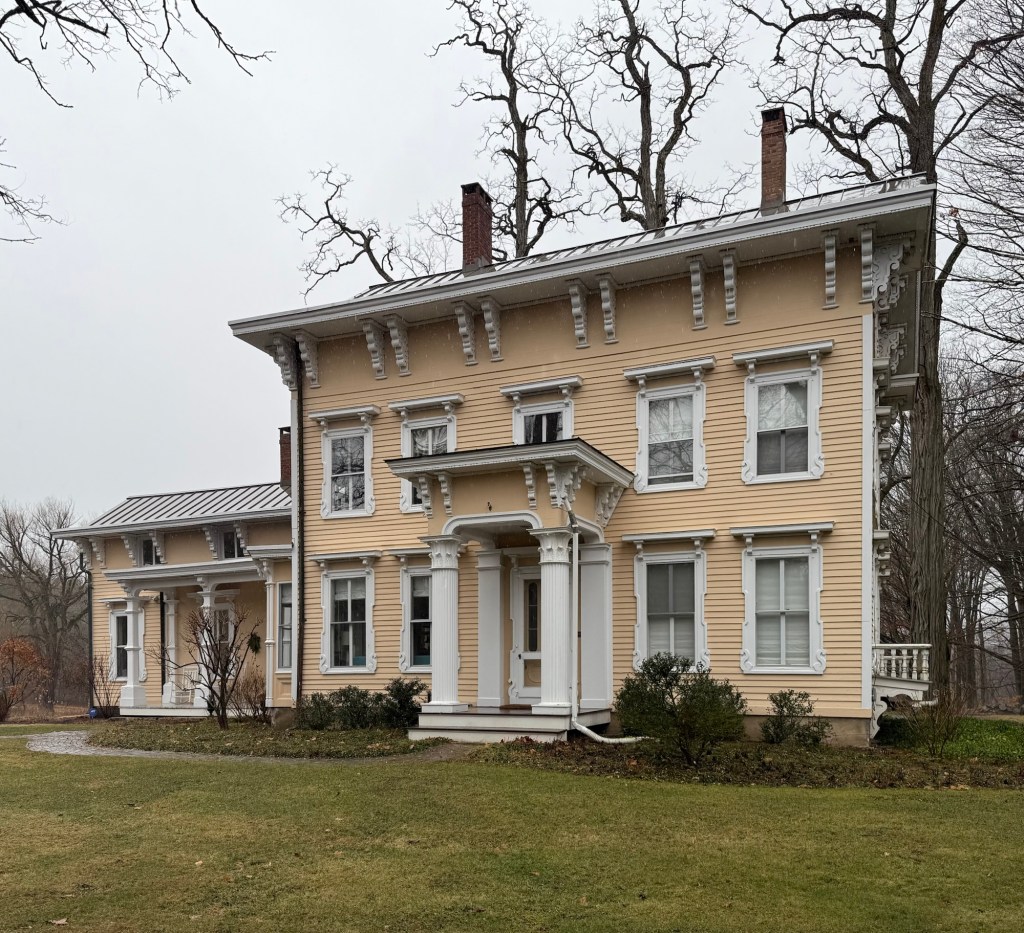
This handsome Italianate style house is located on Dog Hill Road in Killingly Center, Connecticut. The house appears to date to the years just before the Civil War and historic maps show that the property was owned by Harris Sayles, a co-owner of the large woolen mill in nearby Dayville. The home was built for Harris and his wife, Phebe. The house stands out for its two-tiered gallery of porches with large chamfered posts and paired brackets and has some Classical corner pilasters and door surrounds noting the transitional period from Classical Greek Revival style to the romantic Italianate style.

Warren Potter Mansion // 1865

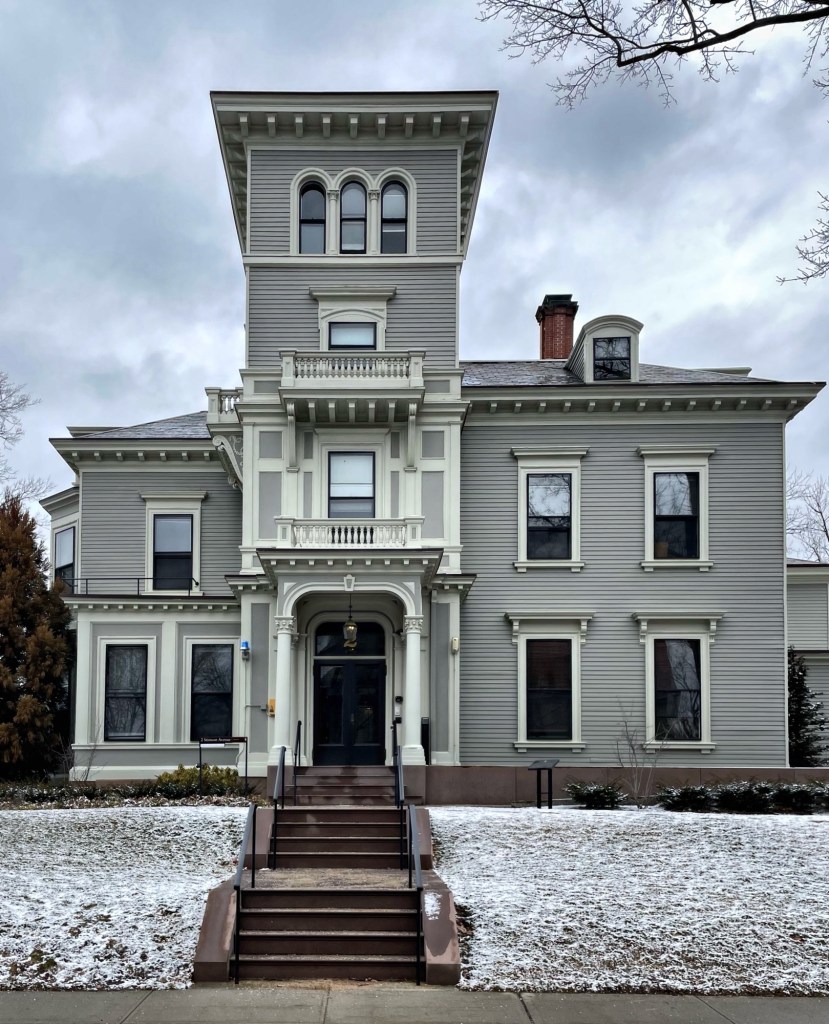
In 1865, Warren Potter, a Rhode Island-based manufacturer, built this Italianate style mansion in the Dayville section of Killingly, Connecticut for his family. Potter was employed at the Sayles Woolen Mill in a manager role and clearly did well for himself to afford such a home. Characteristic of the style, the Potter mansion features bracketed eaves and window lintels and round-arched tripartite windows over the center entrance. At the entry, the original round-arched doorway with glazed surround has survived in good condition and is a showstopper!

New England Masonic Charitable Institute // 1858

The New England Masonic Charitable Institute building is located in Center Effingham, New Hampshire, and is among the rural town’s most impressive structures. The structure was built in 1858 by the Charter Oak Lodge No. 58 of Free and Accepted Masons as a school to educate orphans of Masonic members, but they also admitted local students. It is the only known school building purposely constructed by Masons in the United States. Classes were conducted from 1861 to roughly 1882 with students boarding with local families. The impressive Italianate style building is dominated by a six-story bell tower supporting an octagonal cupola, and exhibits many architectural details including the corner quoins, paired eave brackets, and dentilled cornice. Charter Oak Lodge No. 58 sold the building to the Town of Effingham in 1891 for one dollar but retained rights to the second floor temple room in perpetuity. The walls and ceilings of the Lodge’s temple space are covered with trompe l’oeil murals attributed to Massachusetts painter Philip A. Butler. Images of classic sculptures, architectural details and Masonic symbols, including the All-Seeing Eye, are incorporated into the paintings. Heavily water-damaged in the late 1980s, they have since been restored. The building remains occupied by the Effingham Public Library, what a library building for a town of just 1,700 residents!

John Achorn House // c.1855

This stately Italianate style house is located at 46 Pascal Avenue in the quaint coastal town of Rockport, Maine. Built around 1855 by and for John Achorn (1825-1898) a ship-joiner and carpenter in town. Due to his profession in carpentry, Achorn is the likely culprit as the builder who designed the house and detailed the delicate pendant brackets, Palladianesque window, and the addition of the flushboard center bay.

Captain Oliver Amsbury House // 1858

Oliver Amsbury (1812-1867), a master mariner and resident of Rockport, Maine, built this large home on the crest of one of the hills overlooking the harbor. The residence is an excellent example of the Italianate style with segmental door and window hoods, a round arched window in a unique Palladian center bay window, and large brackets at the eaves. After Captain Amsbury died in 1867, the house was purchased by Charles F. Richards a lime manufacturer and later a treasurer of the Camden Savings Bank. The old Amsbury house is well-preserved and one of many old sea captain’s houses in the Pine Tree State!

Highgate Union Methodist Church // 1868

The Highgate Union Methodist Church in Highgate, Vermont was built in 1868 and is a high-style example of the Italianate architecture style in a relatively quiet part of the state. Built of brick, the church’s form is typical for small Vermont churches in the third quarter of the nineteenth century. Here, however, the builders were conscious of Italianate fashion, and they applied its round and segmental arches, corbels, and brackets, painted in a lighter color, with consistency and to remarkable effect.