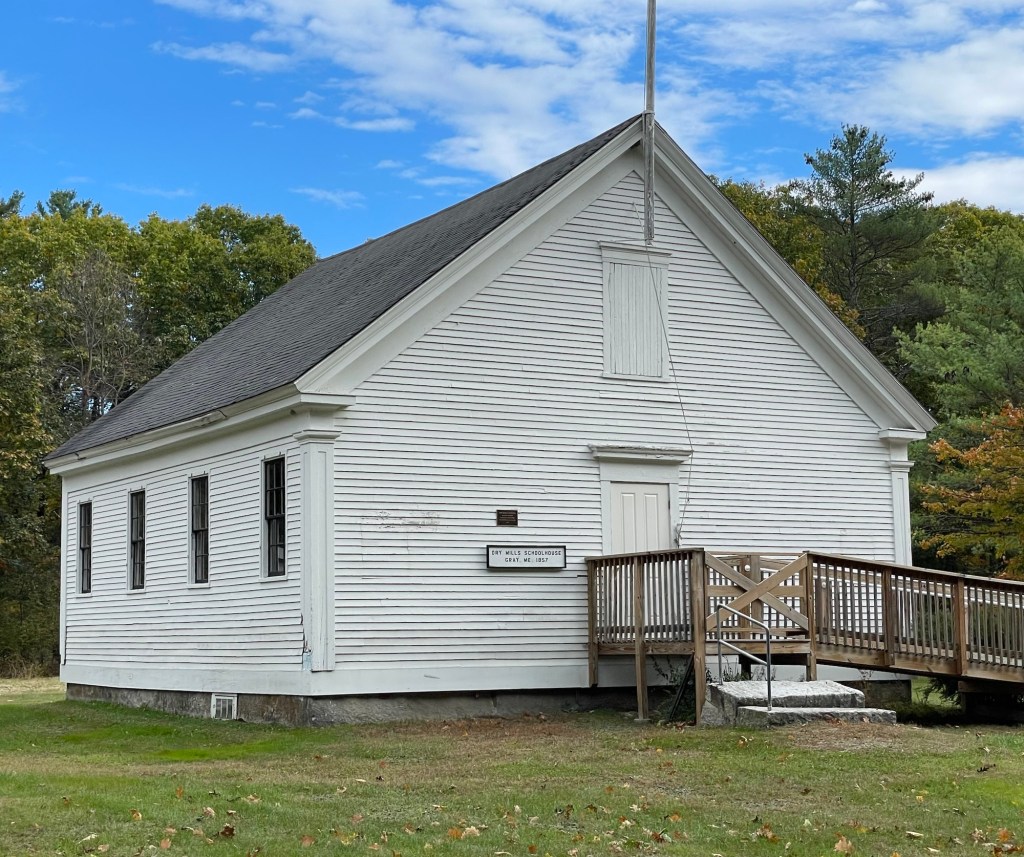
Dry Mills Schoolhouse // 1858

Before the use of automobiles for everyday use, the winding roads in towns all over New England were once lined by charming one-room schoolhouses, to educate children without forcing them to travel too long of distances (like many of our parents and grandparents who had to walk to school uphill both ways!) The Dry Mills School was built by 1858 and is the last one-room schoolhouse of twelve that were built in Gray, Maine. All of the others have  been sold by the town, converted into houses, and/or torn down.  The school was in operation from before the Civil War until it closed its doors to public education in 1958.  In the early 1990’s, at a cost of $12,000, the building and the original granite slab foundation were moved to their current location on the Maine Wildlife Park Road and has been restored to its original appearance thanks to local residents who advocated for the preservation of the building. The interior retains an original chalkboard, period wood stove and furnishings. Today, it is a living museum, attesting to the educational environment in the mid 1800’s and was listed in the National Register of Historic Places.

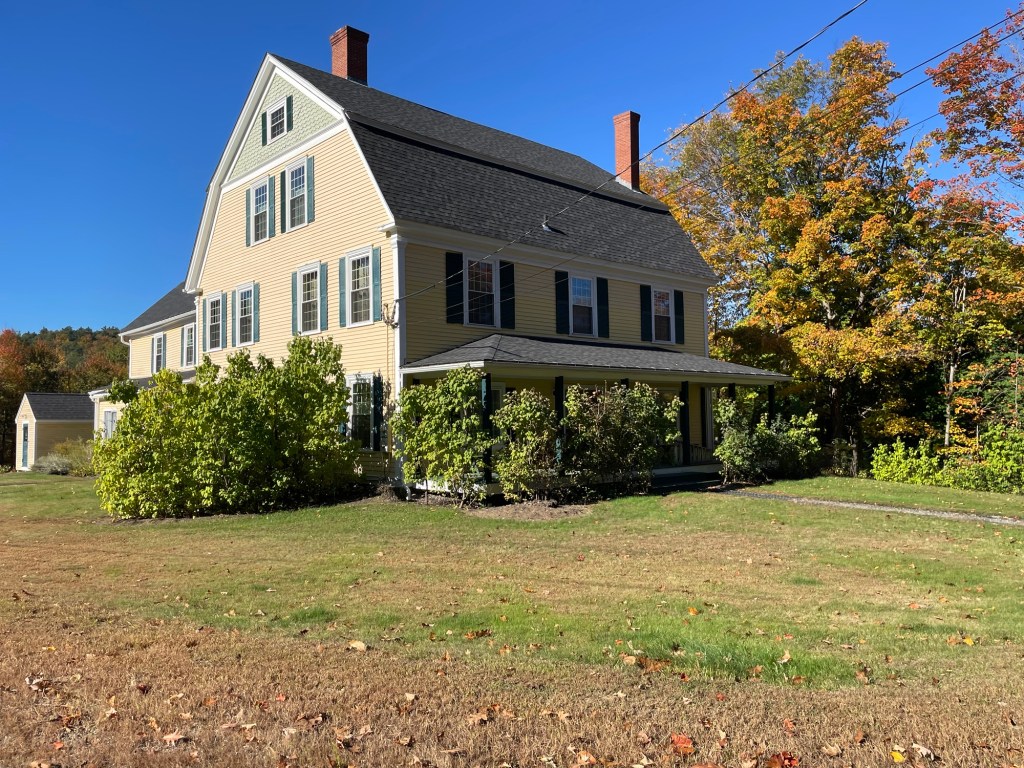
Samuel Perley House // c.1784

Built around 1784 for Reverend Samuel Perley, this Federal style home is one of the finest in the town of Gray, Maine. Samuel Perley (1742-1830) was educated at Harvard College and while there, met and befriended John Adams, who would later become the second President of the United States. The two maintained a lifelong friendship. Perley came to Gray in 1784 as a pastor of Gray’s first church. He likely had this house built at the time or purchased an existing house and updated it and the house is said to have Moses Eaton stencilling inside. At one point, Rev. Perley and his wife lived on one side of the house while his son Isaac, his wife, and their twelve children lived on the other.

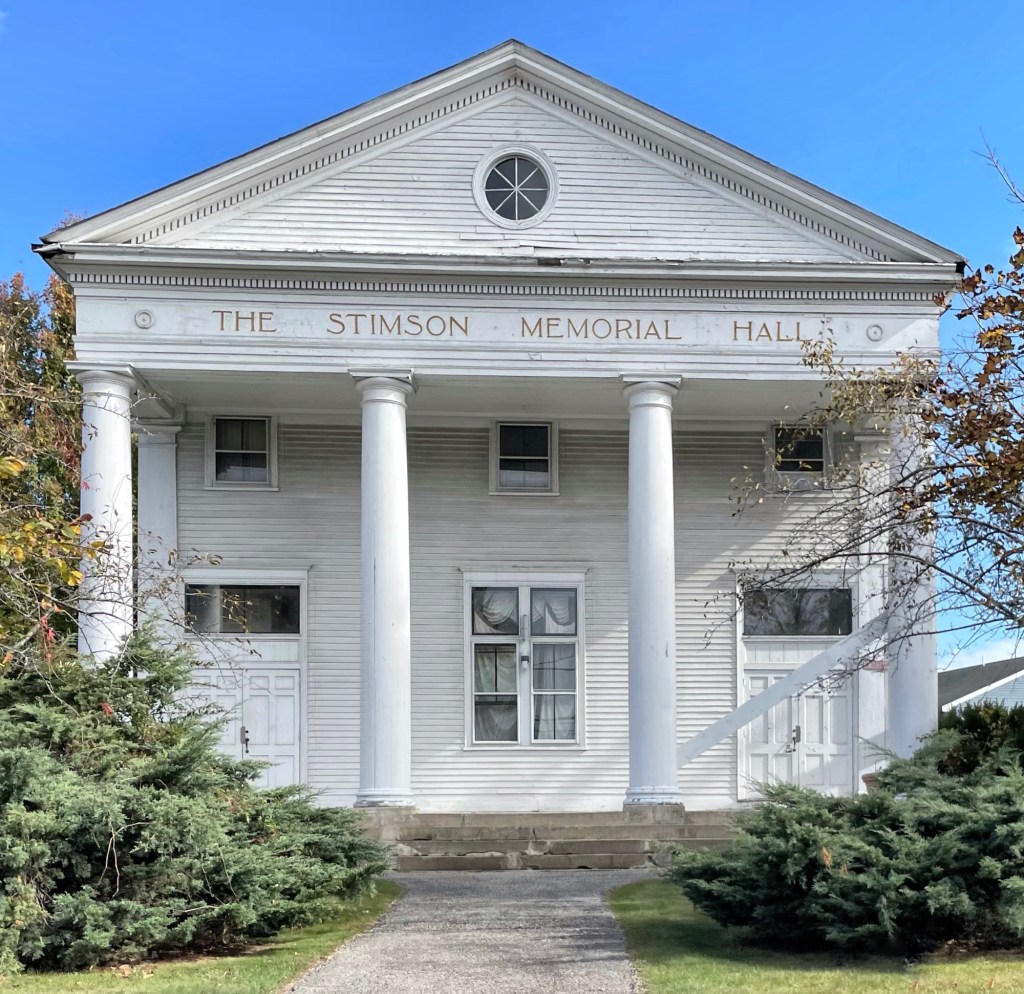
Stimson Memorial Hall // 1900

Stimson Memorial Hall is a historic, Neo-Classical building on Shaker Road in the center of Gray, Maine. Built in 1900, it served for many years as the town’s main public meeting space, and is a prominent landmark in the town center. The hall was built as a gift to the town, primarily through the efforts of Abbie Stimson Ingalls, who had moved to Cincinnati, Ohio with her husband, as a memorial to her late parents, Theophilus and Mary Stimson. The memorial hall was designed by Elzner and Anderson of Cincinnati, Ohio, and was built on land originally purchased by the local Universalist congregation. The upper level house the town library until the 1950s. The building was threatened in recent years, and as one of a handful of significant buildings remaining in the center of town, its preservation was important. It has some deferred maintenance but remains in good shape! Does anyone know what the building is/will be used for?

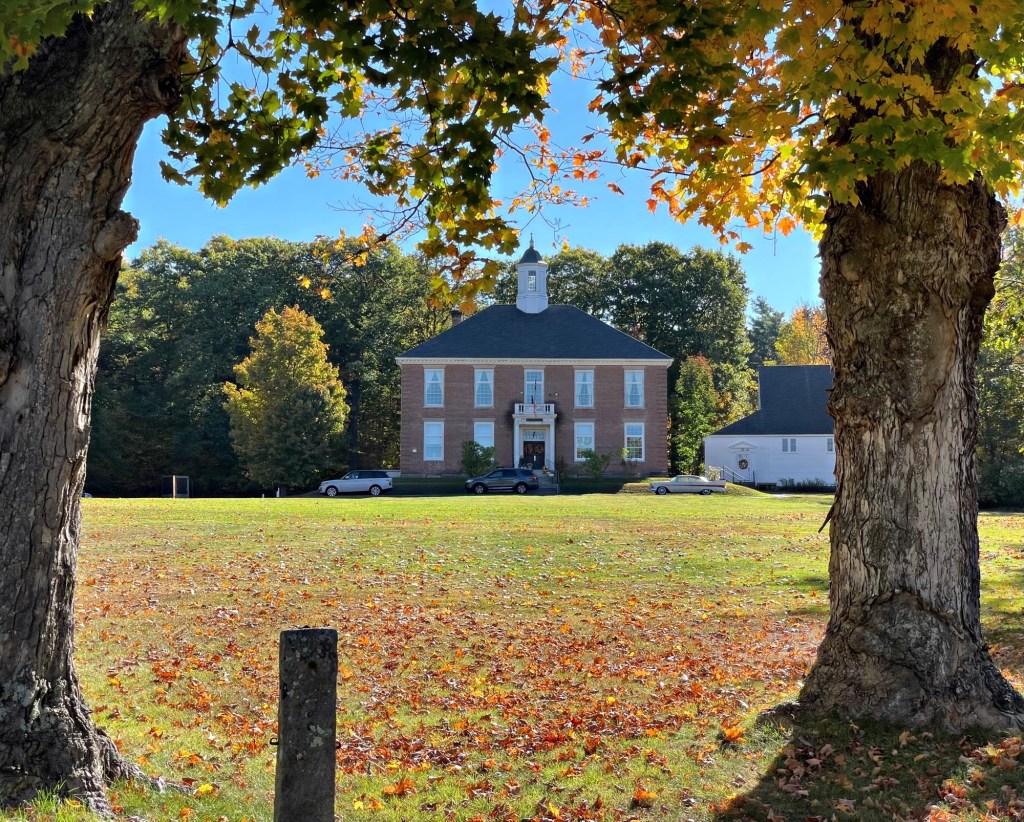
Pennell Institute Building – Gray Town Hall // 1886

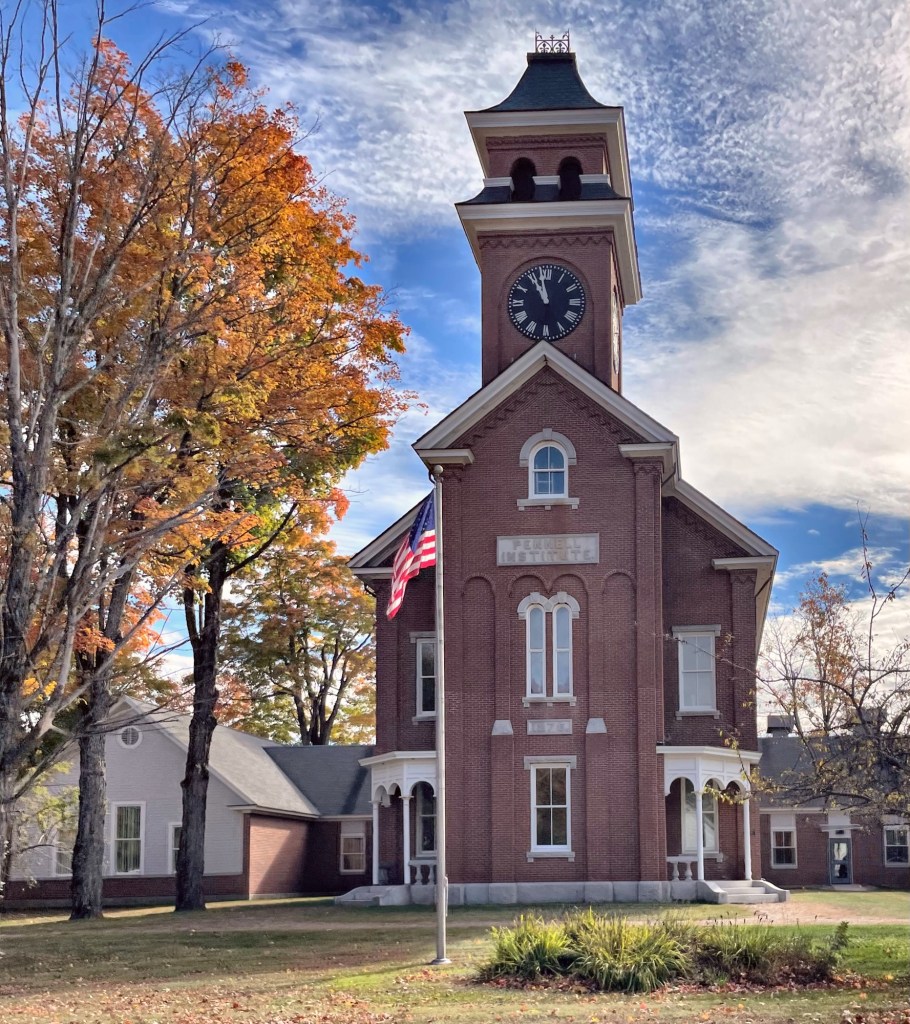
The Pennell Institute was built in 1886 as a privately funded, public school for the town of Gray, Maine. By 1870, Gray High School was located in the former Town Hall, and due to increased enrollment and ever-cramped quarters, demand for a standalone school was of grave importance. As a result, local resident Henry Pennell decided he would help his hometown. Henry Pennell (1803-1884) as a young man, worked as a butcher and traveled to Portland to sell his cuts of meat, later buying and selling livestock. After the Civil War, he dealt in real estate and mortgages, was sheriff of Cumberland County (1857-1858) and served in the State Senate (1872-1873), and became the richest man in the town of Gray. Mr. Pennell, who himself, never had received much formal education, saw the value in it for the youth of the town. Construction started on the school in 1876, where the foundation was laid, but it would take ten years until after the death and bequeathing of his estate in his will, that the building would be completed in 1886. Henry Pennell left the town the school building, the lot it stood on, a trust fund of $25,000 for the school’s general expenses, and a special fund of $5,000 for the library and for laboratory equipment and supplies. The school closed with students educated at a larger, modern building. After disputes between the Town of Gray and the local school district, the building has now been home to the Gray Town Hall, with the town clearly showing pride in their Italianate style building.

Former Columbian Cotton Mill // 1864

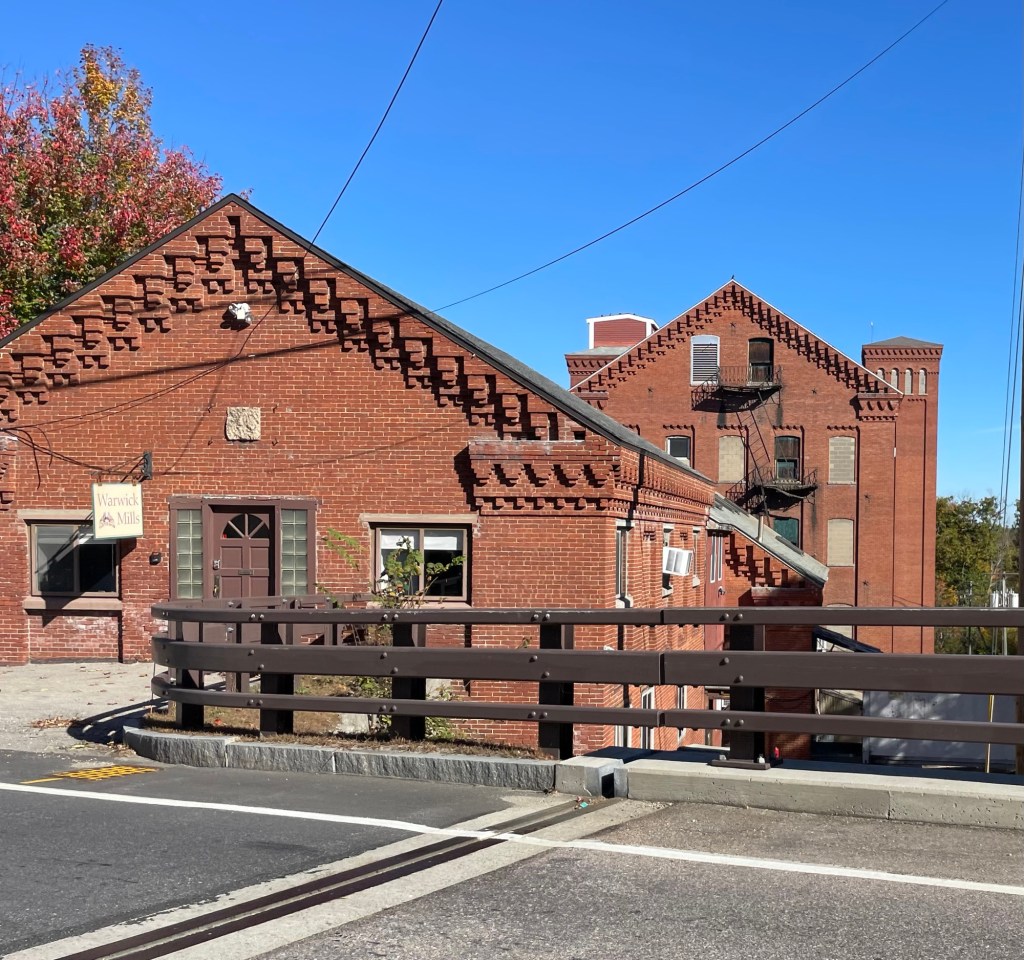
While New Ipswich, New Hampshire, is best known for its early Georgian and Federal period architecture, the small town is home to Warwick Mills, the site of the oldest textile mill in the state. Originally built circa 1807, the mills here burned down two times and were rebuilt a third time using brick; that third iteration is the building seen today. The brick for the building was forged on site and was finished in 1864, with signatures on the beams by craftsmen as far south as Baltimore. The mill was home to the Columbian Mill Company, who created textiles from cotton and other materials in the building, becoming a leading employer in the region. The building is now known as the Warwick Mill, and is an active manufacturing complex, making many contemporary and high-quality materials for 21st century clothing. The buildings exhibit stunning corbel detailing.

Old New Ipswich Center Schoolhouse // 1829

Presently owned and occupied by the New Ipswich Historical Society, this handsome brick building was originally constructed in 1829 as a schoolhouse for young students in town. The structure is located on Main Street and replaced wood-frame school that was located on the other side of the road. Almost immediately after it was built, the building and its location were heavily criticized as early as 1847. There were up to 92 pupils in its two rooms, both of which were accessed by a central entrance, causing those entering and leaving to disrupt both classrooms. Additionally, the closeness to the road caused noise and dust to enter the classrooms. The school closed in 1860 and was used for a time as a blacksmith shop before it was acquired by the New Ipswich Historical Society in 1939.

New Ipswich Union Hall // c.1845

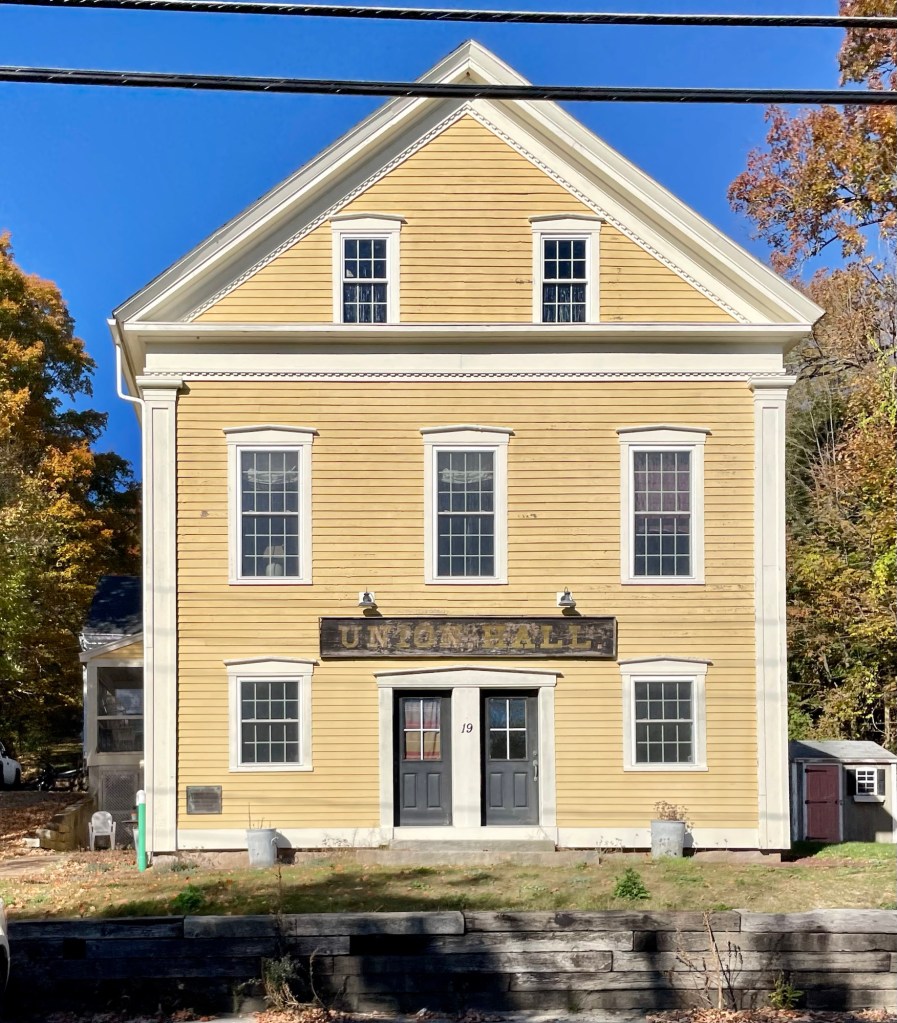
This large, wood-frame building on Main Street in New Ipswich, New Hampshire, dates to the 1840s and has long served as a meeting place for local social groups and organizations. The building is a vernacular example of the Greek Revival style with corner pilasters, a dentiled entablature and slightly pedimented lintels over the windows and paired doors. The building was used by various groups including the local chapter of the International Order of Odd Fellows (IOOF), the Women’s Relief Corps, and as the Watatic Grange Hall.

New Ipswich Public Library // 1895

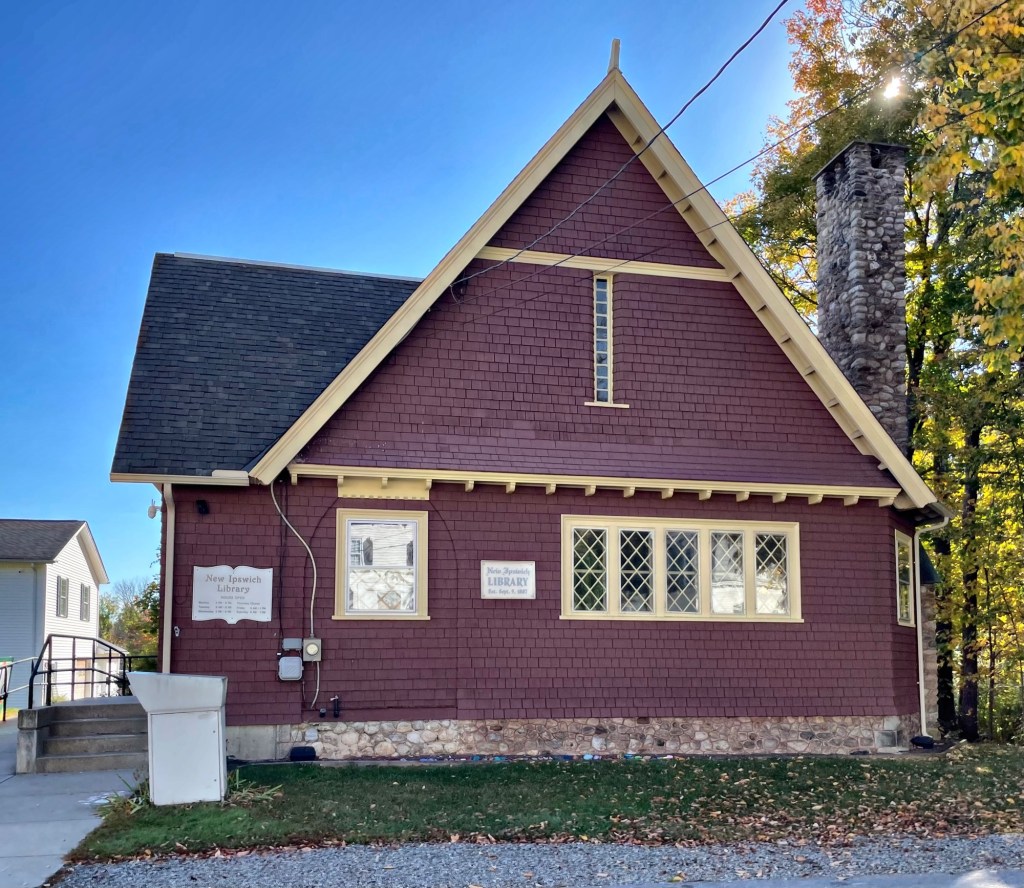
The New Ipswich Public Library is a one-story Shingle style building on Main Street in the charming village of New Ipswich, New Hampshire. The library building was likely designed by Ernest M. A. Machado, one of the best, and relatively unknown architects of the late 19th and early 20th century in Salem. The entrance which faces the side, is flanked by two diamond-pane windows, which can also be found on the primary facade. A special ten-light vertical window is recessed within a shingled depression in the gable, which adds some complexity to the design.

Samuel Tarbell Ames House // c.1890

The Samuel Tarbell Ames House is a large, gambrel-roofed house located in New Ipswich, New Hampshire. The residence was built in 1890 for its namesake, Samuel Tarbell Ames (1810-1897), who was eighty years old when it was completed. Mr. Ames was a Boston businessman who summered in New Ipswich, as his wife was Mary Hartwell Barr, a daughter of Dr. James Barr, who lived in town. The house then passed to Samuel’s son, James Barr Ames (1846-1910), who was an Assistant Professor and Dean of the Harvard Law School, who took a great interest in Appleton Academy, serving as Trustee, and his widow donated this house to the Academy in 1912, after his death. The Ames House then served as a boarding house for teachers and students until it reverted to private ownership.

Former Appleton Academy Building // 1942

Appleton Academy (aka the New Ipswich Academy) was established in New Ipswich, New Hampshire, in 1789, being the second oldest private academy in the state. The school was named after benefactor Samuel Appleton, the largest early donor, who grew up in town at his father, Isaac Appleton’s homestead. This is the fourth Academy building in New Ipswich. The original 1789 frame building was outgrown and in 1816, it was decided that the academy would be shared with the new town hall building, occupying the second floor. Sharing a prestigious academy building with the town functions was deemed insufficient, and a new prominent site near Appleton Common was acquired, with a new brick academy building constructed there in 1853. The Italianate style structure was funded by the Appleton Family, and was designed by Boston architect, William Washburn. In January 1941, the main Academy building was destroyed by fire. The next year it was rebuilt, closely following the design of the earlier brick structure. The school closed in 1974 and was used by a non-profit and schools until it sold in 2018 and appears to be a residence now.