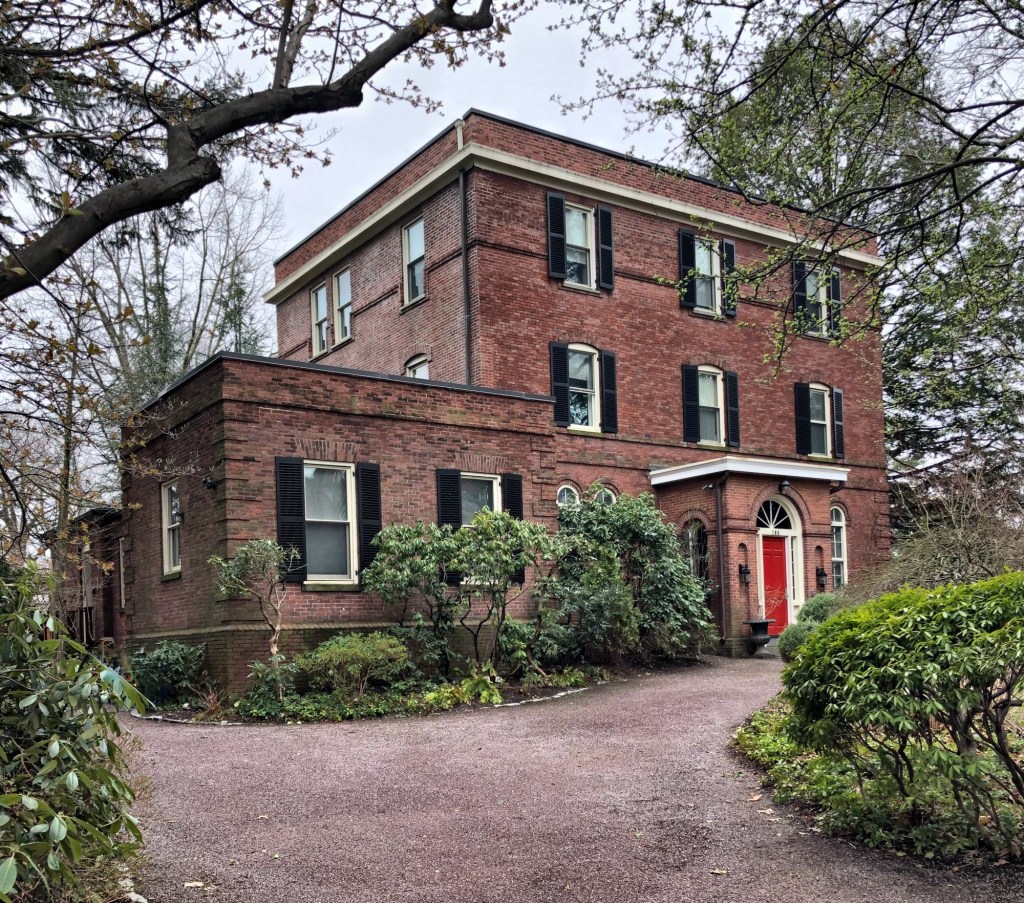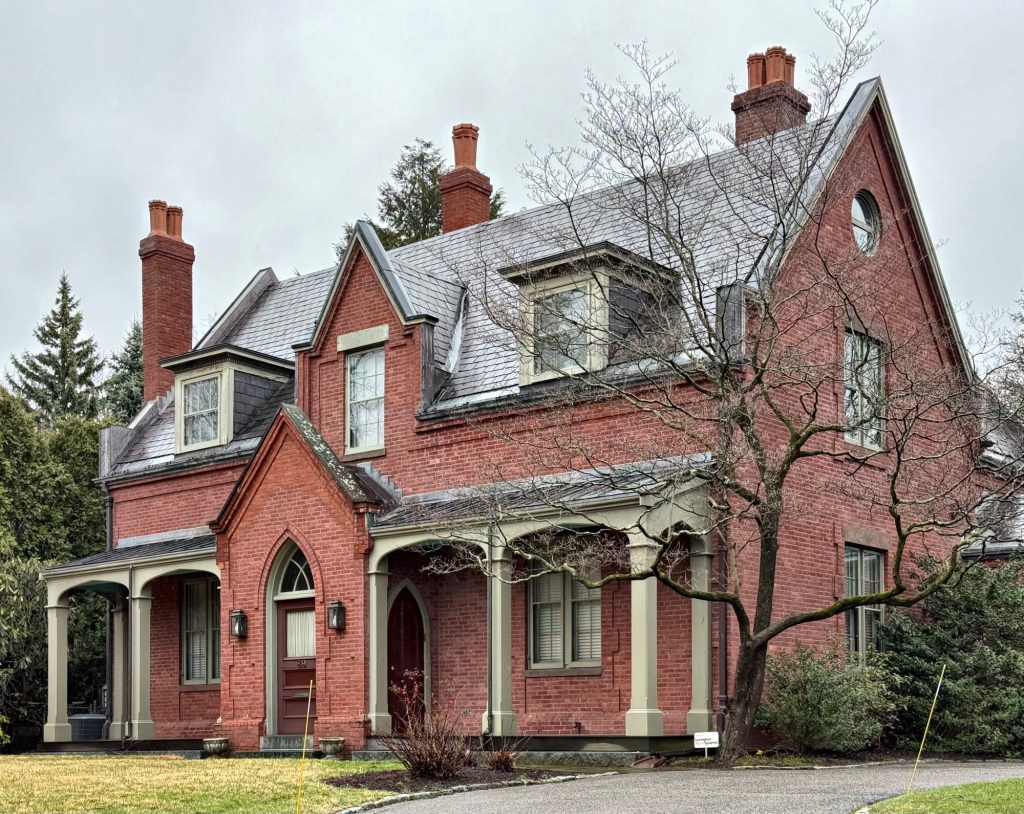
Charles Mason Cottage // 1853

The Charles Mason Cottage at 89 Carlton Street is one of two extant brick cottages built by Amos A. Lawrence as part of his Cottage Farm neighborhood in Brookline, Massachusetts. The Gothic Revival style cottage was built around 1853 and owned by Lawrence for rental purposes. By 1861, this house had been sold to Reverend Charles Mason (1812-1862), who married Amos Lawrence’s late sister, Susanna. The property was inherited by the couple’s daughter, Mary and her husband, Howard Stockton, a lawyer and onetime president of American Bell Telephone Company. The Mason Cottage is unique for its brick construction, projecting entry with porches on either sides, lancet doors and window, wall and shed dormers at the roof, and the original windows with chimney pots.

Bates Cottage // 1853

This Gothic Revival brick cottage is of several houses built by Amos A. Lawrence for his Cottage Farm neighborhood in Brookline, Massachusetts. After he built his own stone residence at the center of the estate, Lawrence erected a series of cottages in the vicinity which were rented or sold to family and friends. This house was listed as the “Bates House” in Amos Lawrence’s papers, likely referring to the renter of the property soon after the cottage was completed by 1853. After Amos Lawrence died in 1886, the estate was inherited by his daughter, Hetty S. Cunningham. The “Bates Cottage” was later acquired by Boston University, who in 1964, received town approval to convert the residence into offices for the Center for the Study of Liberal Arts Education. The cottage was expanded at the rear and is today home to the Boston University African American & Black Diaspora Studies Program.

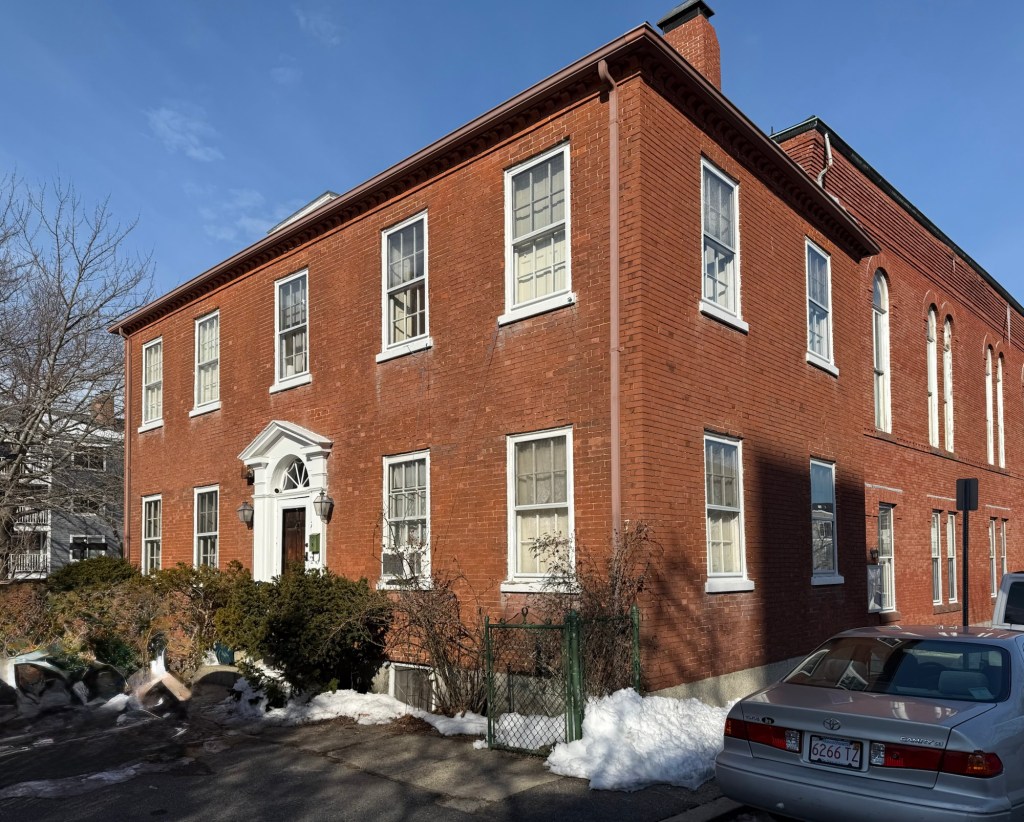
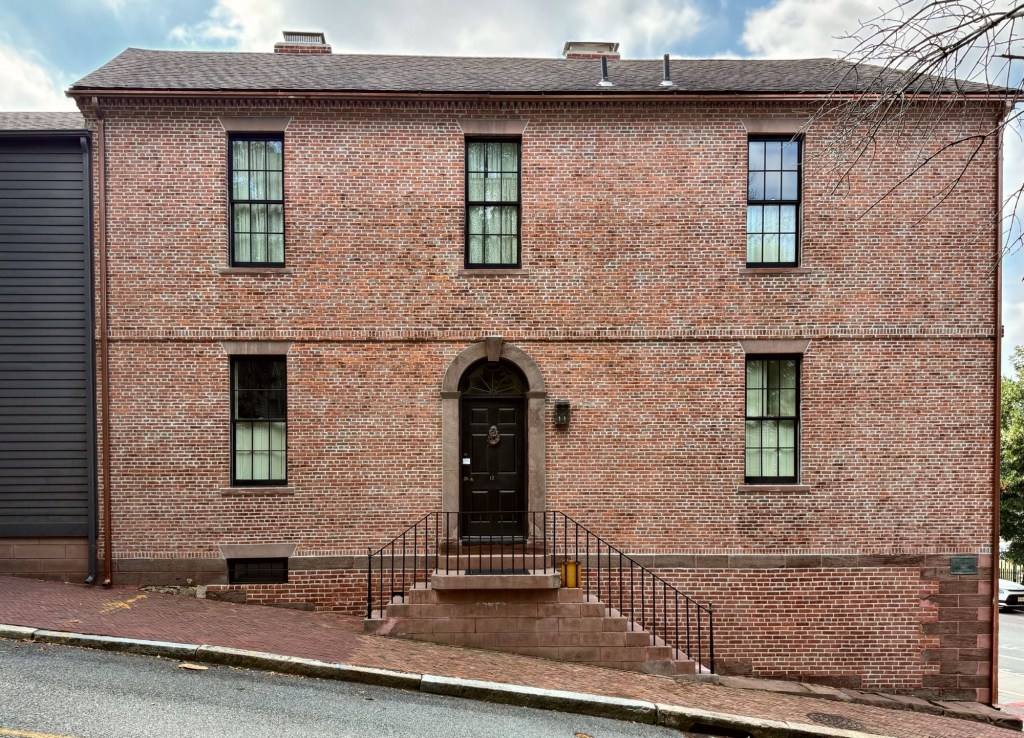
Perkins-Monroe House // 1811

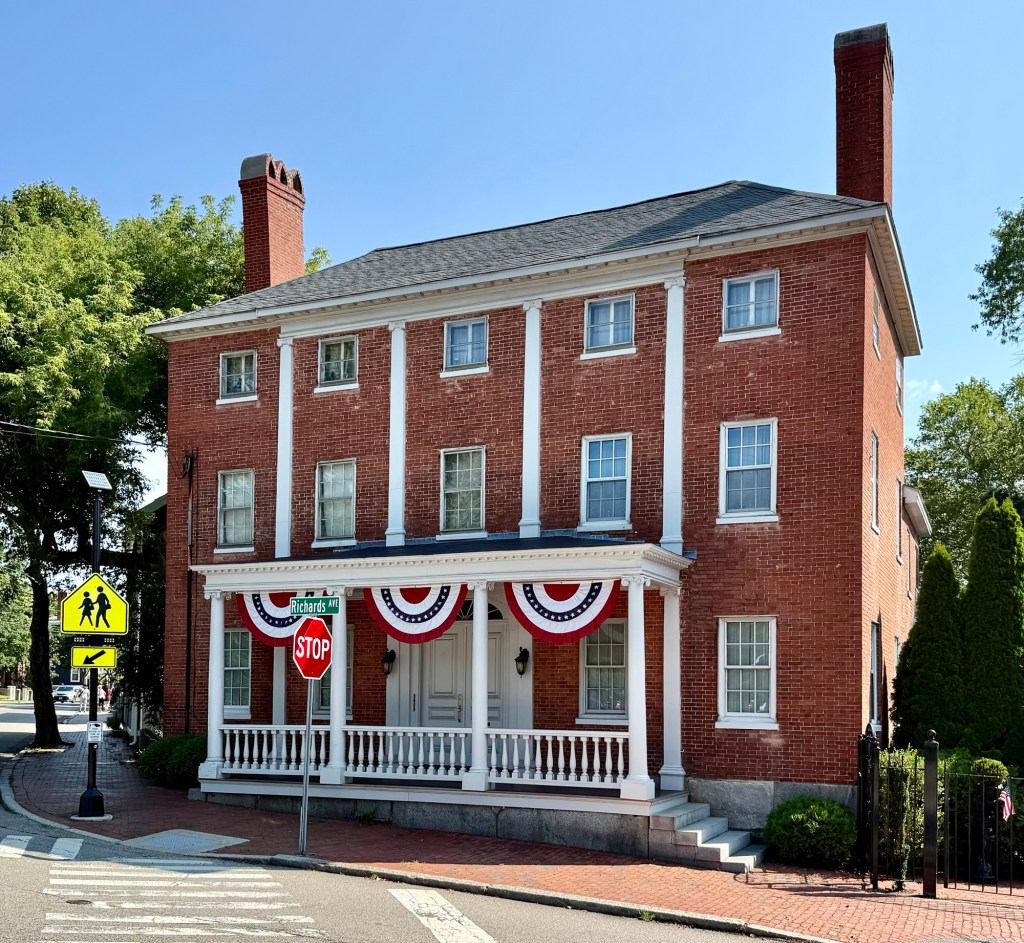
This brick, Federal style house, is located adjacent to the First Universalist Church of Salem amongst a sea of urban renewal-period housing, and is a reminder for Planners to think about the long-term implications in their work. This house was built in 1811 for Thomas Perkins, a local merchant whose brother was its first occupant. After successive ownership throughout the 19th and early 20th centuries, in 1950, Bessie E. Monroe purchased the premises and moved into the home. When the city began urban renewal planning for the area in the 1960s, the building was occupied by Bessie Monroe, who at the time was an elderly woman. The Salem Redevelopment Authority acquired the house through eminent domain and the house was targeted for demolition. The Redevelopment Authority, concerned with how relocation would affect Bessie Monroe’s health, decided to take the property but allow Mrs. Monroe to live there until her death. This decision delayed the planned demolition of the building, even though all other targeted properties were demolished. Luckily, the renewal plan changed its focus from new construction to restoration of existing buildings between the time of the taking and Bessie Monroe’s death. The building was then sold to an owner interested in restoring the structure, now the building is listed on the National Register of Historic Places and is a testament to the benefits of preservation over short-sighted planning policy. 

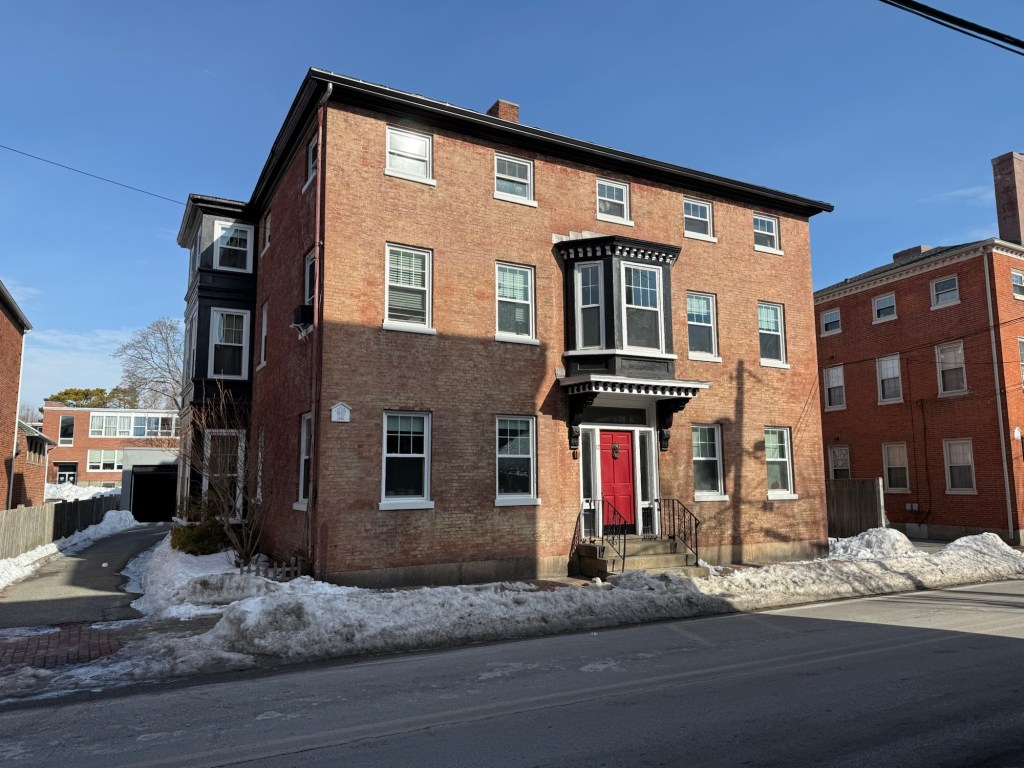
Brown-Battis House // 1851

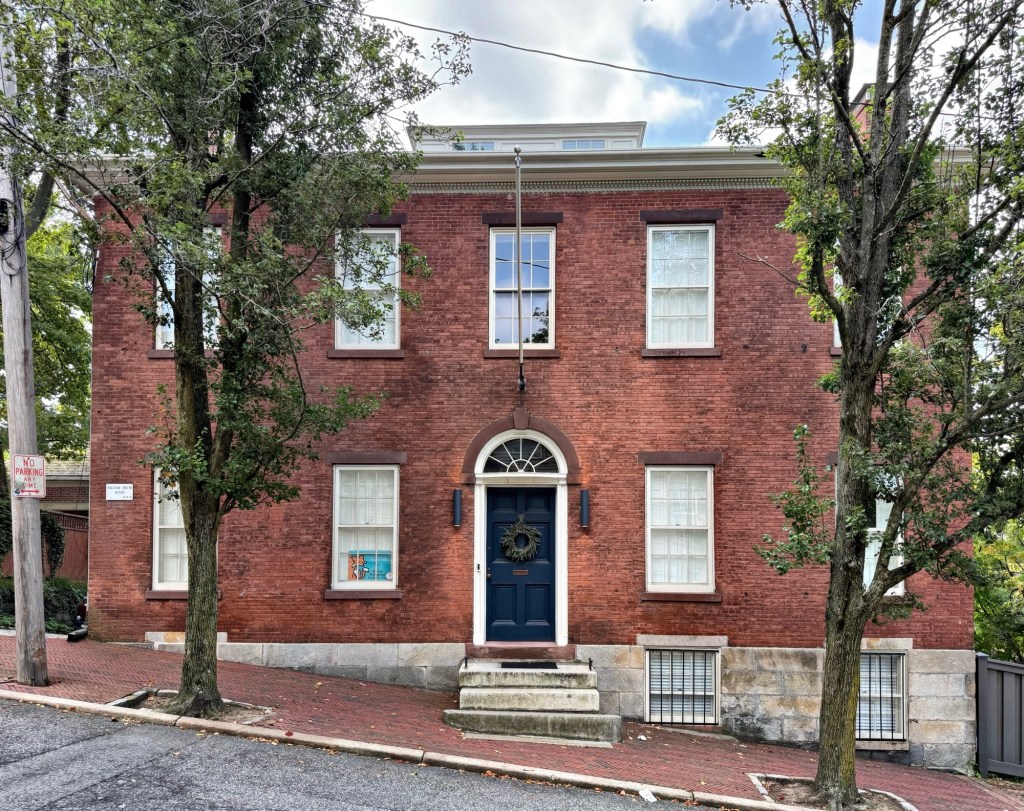
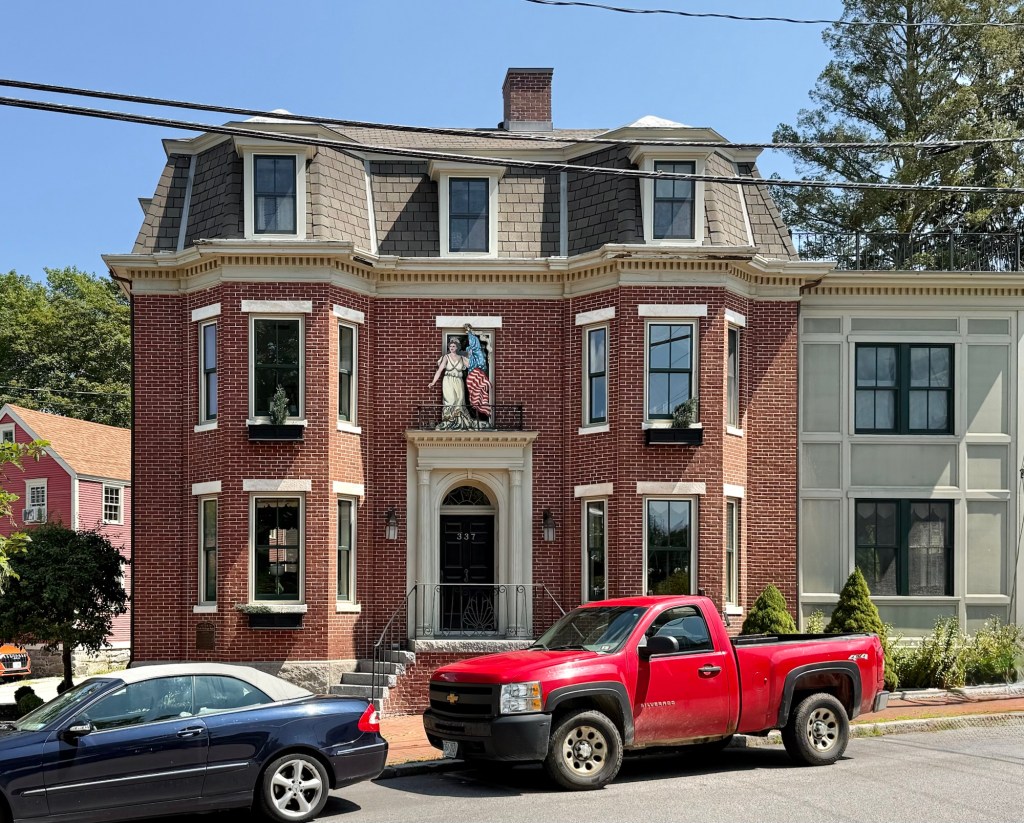
Captain Nathaniel Brown (1800-1866), a master mariner in Salem, built this fine brick house on Brown Street in 1851. Captain Brown bought the lot from the heirs of Nathaniel Kinsman in 1850, with an older house already occupying the site. The existing house was razed and construction began on this house, with it completed by 1851. The building is unique as it resembles the Federal period form of the five-bay and three-story residence with shortened third-floor windows under a low hipped roof. Although the Federal period waned in popularity by the 1830s, this house clearly took cues from the earlier homes nearby. Following Nathaniel Brown’s death in 1866, James Herrick Battis, a tobacconist and cigar manufacturer, purchased the home. City records state that Battis was issued a building permit in 1878 for an addition to the dwelling. It is probable that the bay windows and front door hood were also added at this time, giving the residence more of an Italianate style. Battis continued to own the property until his death in 1891. By 1930, the residence was converted into apartments and was known as the Conant Apartments. It remains a six-unit apartment building today.


Birdsey Hall // c.1804

Built circa 1804 in the form of an English country estate house, Birdsey Hall stands as the finest property in the town of Goshen, Connecticut. The residence was built for Birdsey Norton (1763-1812), a wealthy cheese merchant who was said to have been inspired to build a country estate after travelling the American south on business. The high-style Federal/Adamesque mansion features expansive grounds bounded by brick walls and Victorian gardens. The property was later owned by Fred Favorite and Robert Devoe, friends of Liberace, who operated an antique store. Birdsey Hall remains one of the finest Federal estates in Connecticut.

Wright Homestead // 1767

This large, brick gambrel-roofed Colonial home in West Goshen, Connecticut, was built over decades beginning before the American Revolution and has remained in the same family ever-since! In 1767, Captain Jabez Wright (1737-1813) married Martha Baldwin of Goshen, and began constructing this farmhouse of brick. When the war broke out, he fought in New York, he also served as captain of a company of Connecticut militia, turning out to repel the British forces at New Haven. He would largely complete the home by 1787, and ultimately died in 1813. After successive ownership of generations of the Wright family, the property was owned by Henry G. Wright (1831-1917), a farmer who represented Goshen in the state legislature and held many town positions. The first Methodist sermons in town were also held in the home. Henry Wright died at 86 years old on this property, after being attacked by a bull. When entertaining guests, he showed others a prized bull, and possibly fell into the pen, and was trampled and attacked. The Wright Homestead is unique for its brickwork with bonds and burned headers, resembling many Colonial-era homes in Virginia, but this house can be found on the back roads of Goshen, Connecticut!

Fowler House // 1809

Photo courtesy of Wikimedia commons.

The Fowler House is located in the Danversport section of Danvers, Massachusetts, and is one of the town’s few brick Federal period homes. The residence was built in 1809 by builders Levi Preston and Stephen Whipple for Samuel Fowler Jr., an early Danvers industrialist and landowner in this part of town. The property was passed down through generations of the Fowler family and ultimately acquired by the Society for the Preservation of New England Antiquities (SPNEA, now known as Historic New England) as their second property acquisition in 1912. Uniquely, Historic New England granted life occupancy of the house to the two unwed Fowler sisters, who had resided here, even as it was converted into a museum. When bought by SPNEA, some members were concerned that the Fowler house was not grand or architecturally interesting enough to warrant its acquisition, Samuel Appleton, the founder, stated, “As might be expected, the Fowler home reflects the simple tastes of its owner. As seen from the square the house is as severely simple as it could be. It depends for its effect on its very simplicity and admirable proportions. The principal features of the house may be said to be simplicity, good taste, solid construction, splendid preservation, and homogeneity.” The property was eventually sold by Historic New England to a private owner, but a preservation easement by the Society ensures its preservation for the future. The Fowler House was recently listed for sale, and the property retains many historical features, including original ca. 1810 wallpaper in the main two-story entry hall and a large hearth in the main kitchen, its original floors, plaster, woodwork and other features.

Asa Kendall House // c.1790

The Asa Kendall House is a significant Federal period house from the late 18th century on Richardson Road in Ashby, Massachusetts. The house here is actually believed to be the second built on this location, the first being the John Fitch House and Garrison. John Fitch was one of the earliest settlers in present-day Ashby, which in the mid-1700s, was sparsely developed and threats of attack by Native peoples limited development for decades. Due to raising tensions in the years leading up to the French and Indian War, Fitch petitioned the government for a garrison manned by three soldiers, which was approved. In 1745, the garrison was attacked and Fitch with his family, were kidnapped by Native Americans, held hostage for six months and brought up to Canada. The homestead and garrison were burned. He and his family were ransomed and would later return settling elsewhere in town. The former location of the garrison was purchased by Asa Kendall and this house was built around 1790 for him. The brick house with sloping wings was extensively documented as part of the Historic American Building Survey in 1936 and has been preserved by later owners ever-since!

Auld-McCobb House // 1807

The Auld-McCobb House is set on a rocky ledge overlooking the absolutely charming downtown Boothbay Harbor, Maine. The brick, Federal-period double-house was built in 1807 for Jacob Auld and Joseph McCobb, two prominent local merchants. The two were engaged in a business partnership that included fishing, shipbuilding, and general mercantile pursuits, and were a dominant force in the local economy in the first quarter of the 19th century. The duo owned a good bit of land in town, eventually selling the five-acre Burnt Island to the Federal Government for a new lighthouse. McCobb married Auld’s sister in 1807, and it is thought that this is what necessitated the house’s construction at the time. The house is interesting, not only as a rare example of a double-house of the period, but also as one of the first (and only) brick homes in Boothbay Harbor.

Sunnyside // 1886

Photo from recent real estate listing

During the height of the Shingle and Queen Anne styles’ popularity, architect Stanford White of McKim, Mead & White completed plans for one of the earliest Colonial Revival style residences, “Sunnyside” in Newport, Rhode Island. The residence was built in 1886 for “Commodore” William Edgar (1810-1887) and his wife, Eliza Lucille Rhinelander (1832-1916). William was a co-founder of the New York Yacht Club in 1844 and heir to a New York fortune. Eliza was an aunt of Edith Wharton and a grand-daughter of William Rhinelander, co-founder of the Rhinelander Sugar Refinery. The property remained in the Edgar Family as Lucille Rhinelander Edgar (1858-1948), an unmarried daughter of the couple, would live here year-round with servants. The house is built of buff-Roman-brick with a large central block flanked by L-plan wings under a hipped roof punctuated by massive chimneys. Of special note on the facade are the rounded bays, entry portico with Palladian window above, and side porch.