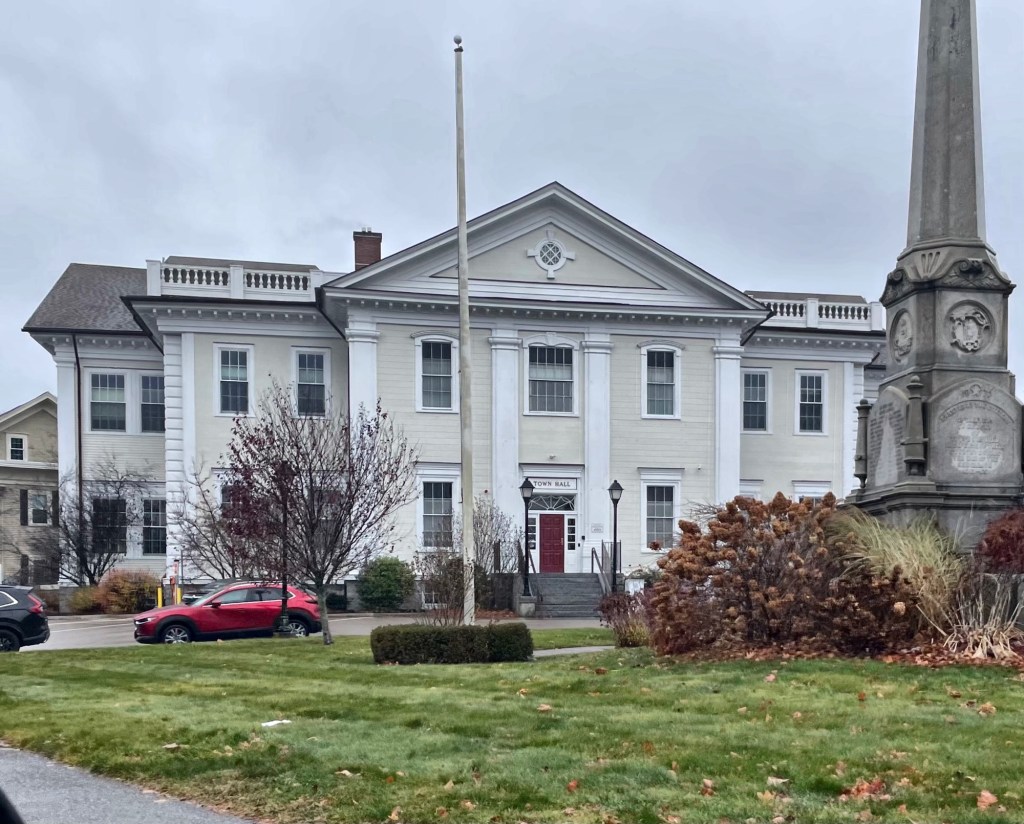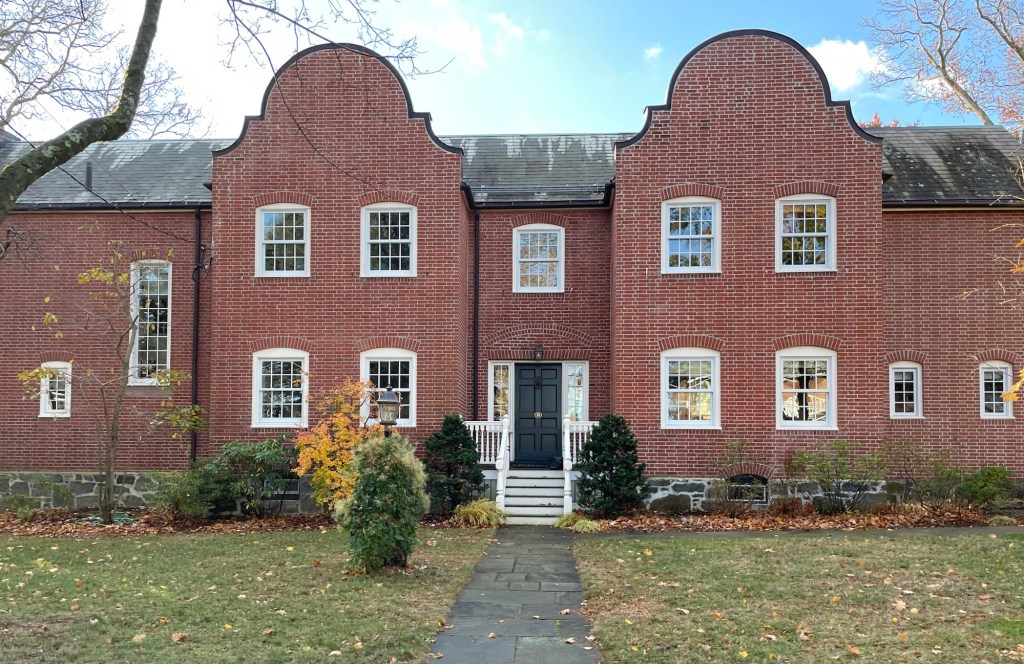
Temple Court Apartments // 1912

Constructed in 1912, Temple Court at 15 Lynde Street was erected on the site of two earlier buildings during a period of great population growth in Salem. The parcels here were acquired by Aroline C. Gove (1857-1939), a prominent local property-owner and developer between 1908 and 1911. Ms. Gove was a prominent Salem citizen and daughter of notable inventor and businesswoman Lydia Pinkham. With a business-oriented mindset like her mother, Aroline hired architect Harry Prescott Graves of Lowell to furnish plans for an apartment building on this site. Completed in 1912, the apartment building, known as Temple Court, included 36 units with two-, three-, and four-room suites with a live-in janitor. The building is unique for Salem as a courtyard style building, more common in Boston and Brookline. The building’s large mass is broken up by its setback with the U-shaped form and central landscaped courtyard, series of projecting octagonal bays, and multiple entrances. Temple Court was converted to condominiums in the 1980s.

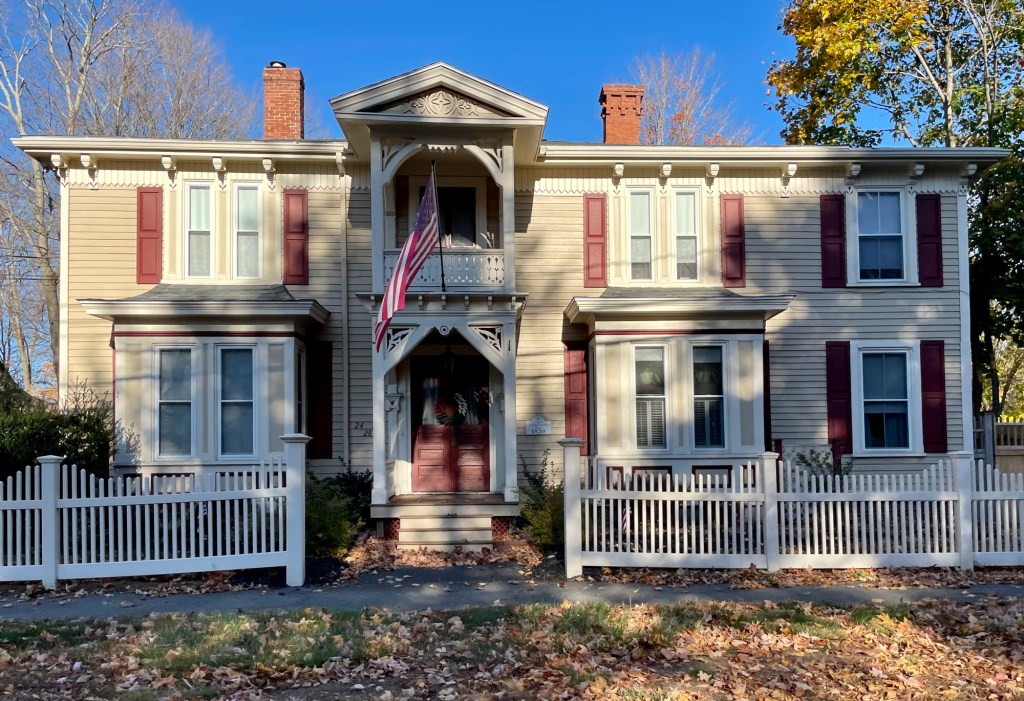
Salem Water Company Offices // 1879

Salem, Massachusetts, was first settled by Europeans in 1626, and it would take 170 years until in 1796, an organization of citizens was established for the purpose of supplying the inhabitants generally of Salem and Danvers with pure spring water. The Salem and Danvers Aqueduct Company was incorporated in 1797  “for the purpose of conveying fresh water by subterraneous pipes into the towns of Salem & Danvers.” As Salem grew, the need for a more central water district and distribution network became a necessity for the health and prosperity of the city. A 1864 law allowed Salem to construct its own water works, and it formed a Board of Water Commissioners who designed and constructed the system. From this, funding was acquired and paid for the laying of tens of thousands of feet of subterranean water distribution pipes connecting the reservoir to buildings and hydrants in Salem. Offices of the Waterworks were scattered and obsolete until 1877, when funds for the construction of this structure at 32-34 Church Street were set aside as the new Water Department Offices. Completed by 1879, the building is a great example of a Romanesque/Italianate style masonry structure with corbelled cornice and arched openings. According to the city directories, this building continued to operate as the Salem Water Works into the late 1930s. By 1945, it was the headquarters of the United States War Price & Rationing Board. In 1964, it held a number of city offices including: Civil Defense headquarters, Fire Department headquarters, Licensing Board, Planning Board, and the City Veterans Service, before being sold by the City of Salem to private ownership in 1976.

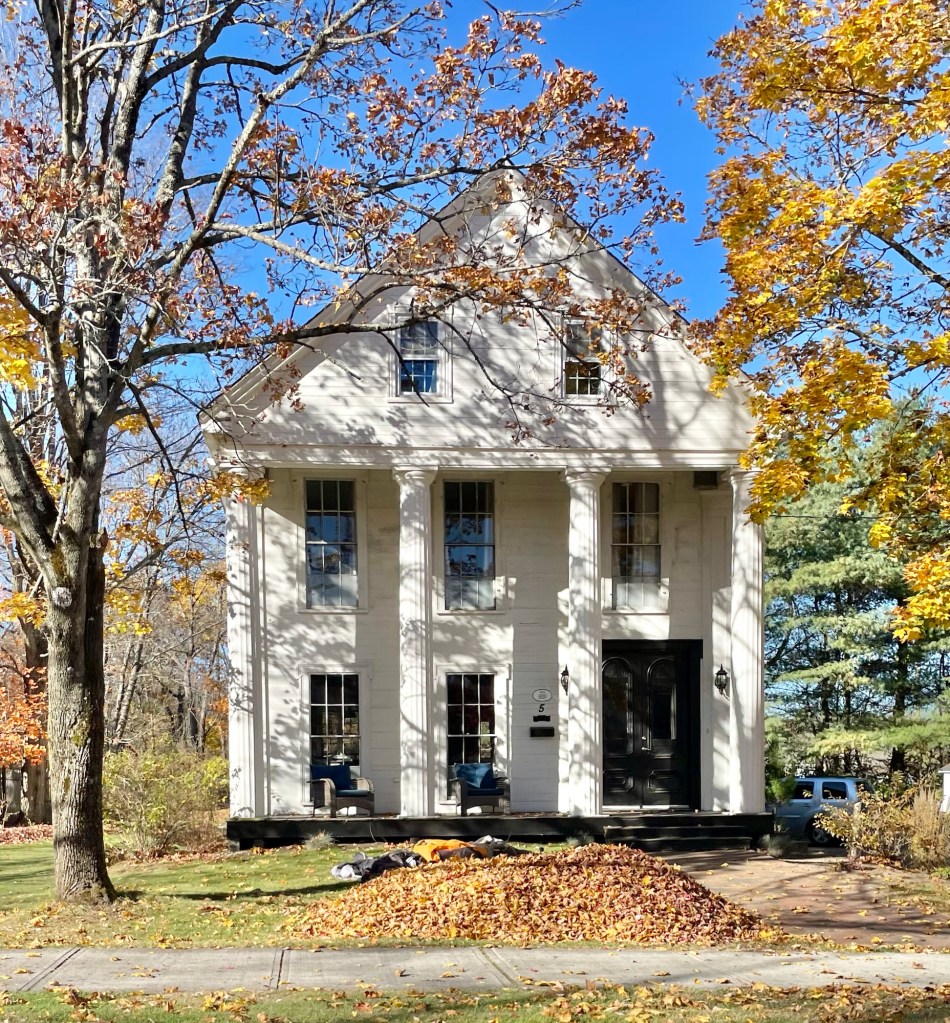
Old Boston Public Library // 1855-1898

Courtesy of BPL collections.

Established in 1848, the Boston Public Library was the first large, free municipal library in the United States. The Boston Public Library’s first building of its own was a converted former schoolhouse located on Mason Street that opened to the public in 1854. As soon as the library occupied the building, it was apparent that the amount of visitors and collections could not effectively be held in the cramped quarters. Planning began almost immediately for it’s first purpose-built library. Less than a year later, in December 1854, library commissioners were authorized to purchase a lot and fund the construction of the new library. A desirable building lot on Boylston Street, opposite the Boston Common, was purchased and a public invitation for proposals from architects was held. The requirements for the building included: a library hall with alcoves capable of containing on fixed shelves at least 200,000 volumes, a general reading room with ample accommodations at tables for at least 150 readers, a ladies reading room, an adjacent library room for the arrangement of 20,000 books “most constantly demanded for circulation,” and quarters for the Trustees and Librarian. The facade was to be of brick, with stone dressing”. The selected design by architect, Charles Kirk Kirby, was for this handsome Italianate style building which took nearly three years to build, opening in September 1858. Twenty years later, as the library outgrew that space, the Trustees asked the state legislature for a plot in the newly filled Back Bay, and planning began on the McKim Building, built in 1895 down Boylston Street. This building, the first purpose-built Boston Public Library building, was demolished in 1898, and replaced by the ten-story Colonial Theater Building. It stood just 40 years.

Walker Building // 1891

On Boylston Street overlooking the Boston Common, this historic building with two distinct parts is not photographed as much as some of its neighbors, but it is an important visual reminder of the period of growth and development in the city in the late 19th and early 20th centuries. This is the Walker Building, an early office building that was constructed beginning in 1891 in two phases by owner Joseph W. Walker. Mr. Walker hired the architectural firm of Winslow & Wetherell to design the building, which was finished in the Romanesque Revival style with a notable cornice with nine-bay arcade of arched windows and ornate wreath and swag motifs. A major tenant in the building was the Boston office of the S. S. White Dental Manufacturing Company, the largest dental manufacturing company in the world. Less than a decade after the six-story Walker Building opened, Joseph Walker purchased and razed the parcels nextdoor and again hired the same firm (at this time renamed Winslow & Bigelow), to expand the Walker Building, building a ten-story addition in a similar style. The second Walker building housed piano company showrooms and offices along with professional offices of numerous architects and professionals. The Walker Building is now owned by Emerson College, and is used as classrooms, computer labs, and study spots for students with the dining center and bookstore in the former retail spaces.

Assumption Roman Catholic Church // 1922

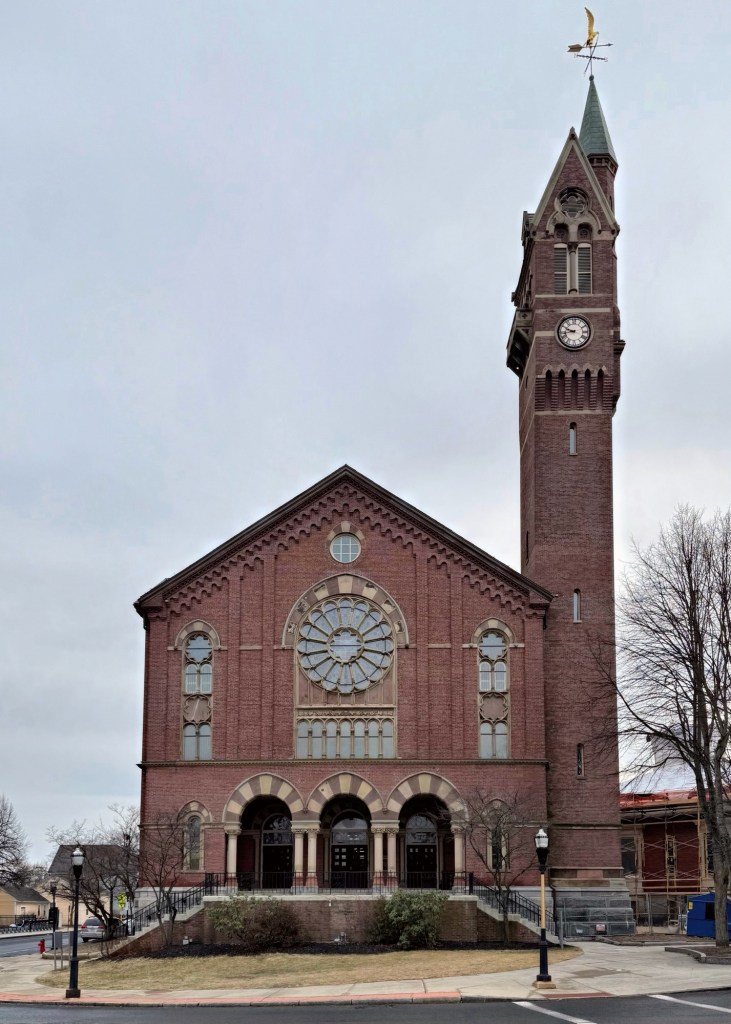
As Chicopee developed into one of the major industrial cities in Western Massachusetts, immigrant groups moved there, finding work at some of the major manufacturing companies. Irish and Polish churches were built and French and French Canadian residents too built their own church, where they could gather and worship in their native language. A wood-frame church was first built in the 1870s and used until it was destroyed by fire in 1912. It took a decade for the congregation to gather enough funds to purchase a new lot and build a new church, but patience was a virtue as their church is a stunner! The cornerstone for the church was laid in 1922 and the building was designed by local architect, George P. Dion, and constructed at the cost of $200,000. The building was dedicated in 1925 and is one of the finest, and most unique churches in the state. Italian Renaissance Revival in style, the church stands out for its 85-foot-tall campanile and cast-stone high-relief in the pediment at the facade. It is believed that within the relief, that depicts the figure of Mary surrounded by Cherubs, depicting the “Assumption of the Virgin,” George P. Dion used the likeness of his granddaughter as a face of one of the cherubs. The congregation moved out of the building but has been recently mortgaged to a new church, Iglesia Cristiana Casa De Paz y Restauración, showcasing the ever-changing demographics that keep our cities vibrant and stewards that do right by our collective history and buildings.

Old Chicopee High School // 1917

The Old Chicopee High School building is located at 650 Front Street, between the two major population hubs of Chicopee Center and Chicopee Falls and is one of the finest examples of Collegiate Gothic/Neo-Gothic Revival architecture in Massachusetts. The school building was constructed in 1917 from plans by architect, George E. Haynes as a central high school, a single building where pupils from all over the city could be educated. The population growth of Chicopee in the early decades of the 20th century necessitated additions and reworking of the spaces of the building, eventually outgrowing the building after WWII. In 1961, plans for a contemporary high school were completed and this building became a middle school for the City of Chicopee. Architecturally, the building stands out for its siting and high-quality design. The main facade features a central clock tower which contains the main entrance. The use of brick with cast stone trim and the castellated parapet add much dimension to the large building. The City of Chicopee have done a commendable job maintaining this important landmark.

Polish National Home of Chicopee // 1914

The Polish National Home in Chicopee, Massachusetts, was organized in 1910 as a fraternal service organization catering to the needs of the local Polish immigrant and Polish-American communities. The organization was founded at a time where Polish immigrants were settling in Chicopee, finding work at local factories. The Polish population of Chicopee surged in the late 19th into the early 20th centuries from just 200 residents in 1885 to over 9,000 in 1914, the year this building was completed. One of the other goals for the Polish National Home was to provide class space for new immigrants to take classes in the english language and learn to read and write, to become eligible for U.S. citizenship. The club eventually would build this five-story structure on Cabot Street, architecturally rivaling any other building in town. The building was designed by architect Bruno Wozny, a German-born architect who settled in Springfield and ran his own practice. Spaces inside the building included retail stores, a meeting hall, small meeting rooms, and apartments for some recently arrived immigrants and their families. The adjacent building was designed by local architect George Dion, as a bowling alley and billiard hall. After WWII, the building was converted almost entirely to residential use, which remains today.

Administration Building – Elms College // 1932

Elms College in Chicopee, Massachusetts began as the Academy of Our Lady of the Elms, a Catholic boarding school for girls established in Pittsfield by the Sisters of Saint Joseph in 1897. The academy was relocated to Springfield Street in Chicopee through the efforts of Bishop Thomas D. Beaven in 1899. The Academy provided elementary and secondary education with a Normal School component that prepared young women for careers in teaching. In 1924, Bishop O’Leary announced the intention to expand the school into higher education, creating a women’s college. The college charter was approved in 1928 and the Academy became the College of Our Lady of the Elms. Planning and construction of the Administration Building (later renamed Berchmans Hall in 1983) began immediately after the incorporation of the College in 1928. Designed by John W. Donahue, the official architect of the Diocese of Springfield at the time, Berchmans Hall is a landmark example of the Collegiate Gothic/Neo-Gothic style that proliferated higher education and ecclesiastical buildings in the early decades of the 20th century. Completed in 1932, the new building included offices, modern classrooms and laboratories. The back section contained a gymnasium in the basement and an auditorium on the main floor. The building remains the main building on the Elms College campus and serves as an important visual anchor to the school.

Emerson Gaylord Mansion // c.1871

Emerson Gaylord (1817-1899) was a businessman and politician from Chicopee, Massachusetts, who operated the Gaylord Manufacturing Company and later, the Ames Sword Company, furnishing military swords and other goods for the Union during the Civil War. His business did extremely well and he became one of the wealthiest men in the industrial city. In 1856, Gaylord purchased the property at the corner of Springfield Street and Fairview Avenue and resided in a home here until years following the war, when he demolished the original structures on the site in 1870 to build a new home currently known as the Gaylord Mansion, worthy of his stature and notoriety in Chicopee. In 1962, Elms College purchased the Gaylord Mansion for $50,000. In 1997, an Elms College Cornerstone Campaign raised $100,000 to refurbish the exterior of this historical treasure. In February 2020, the Gaylord mansion underwent another renovation by the college to transform the interior into a classroom-meeting space with dorm residences on the top floors dubbing it “Living-Learning, Community and Cultural Center”.

Ames Sword Company Offices // c.1865

Adjacent to the main Ames Manufacturing Company mills in Chicopee, Massachusetts, this handsome brick structure has ties to industry and the economic growth of the city in the 19th and early 20th centuries. Tucked away on Grape Street, at the edge of the Chicopee River, this building was built following the American Civil War as the offices of the Gaylord Manufacturing Company, a later subsidiary of the Ames Manufacturing Company. The company was run by Emerson Gaylord, a manufacturer, who produced leather belting and swords for the military just before and during the War. After the Civil War, the Gaylord company manufactured cabinet locks and society swords. In 1881, the adjacent Ames Manufacturing Company consolidated its own sword department with the Gaylord Manufacturing Company, forming the Ames Sword Company. The company would close in the 1930s, and today, this handsome brick building with corbelled cornice and segmental arches, sits vacant, awaiting preservation and a new life.