Isaac Gleason House // 1805

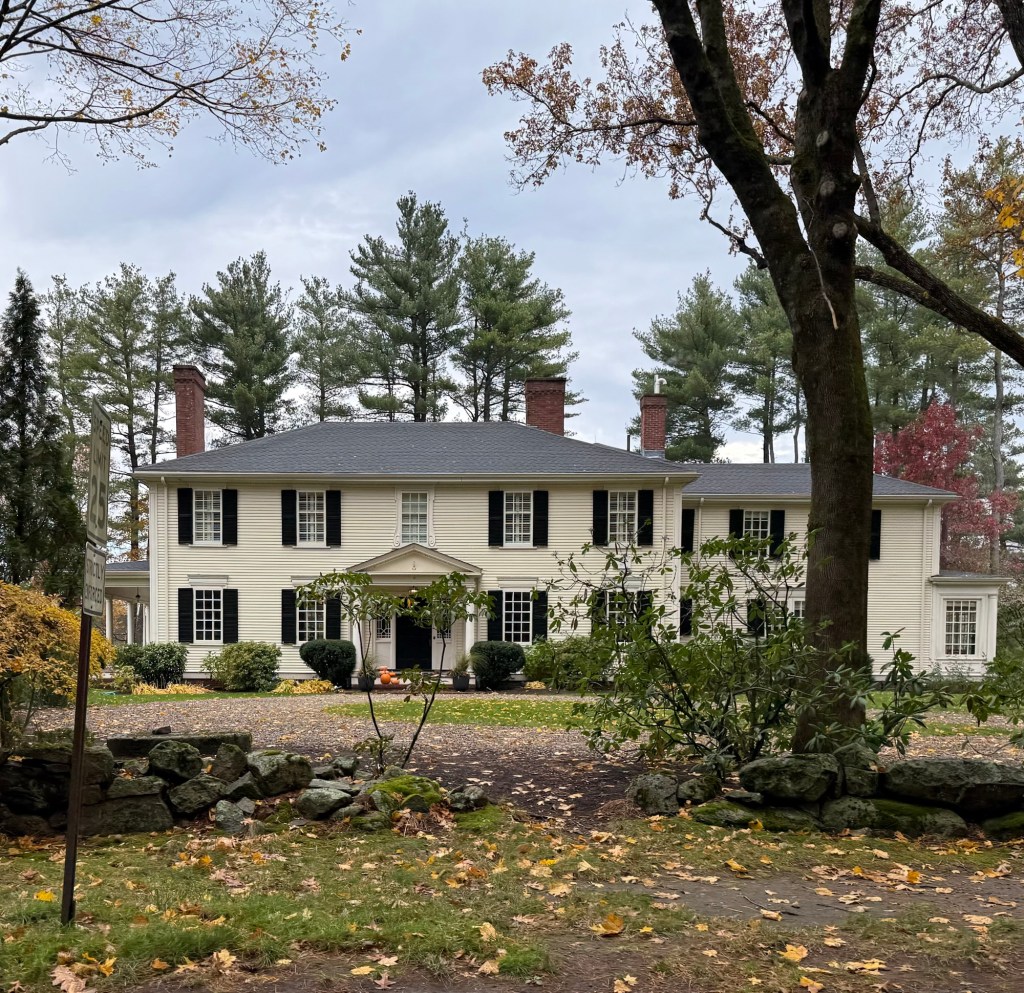
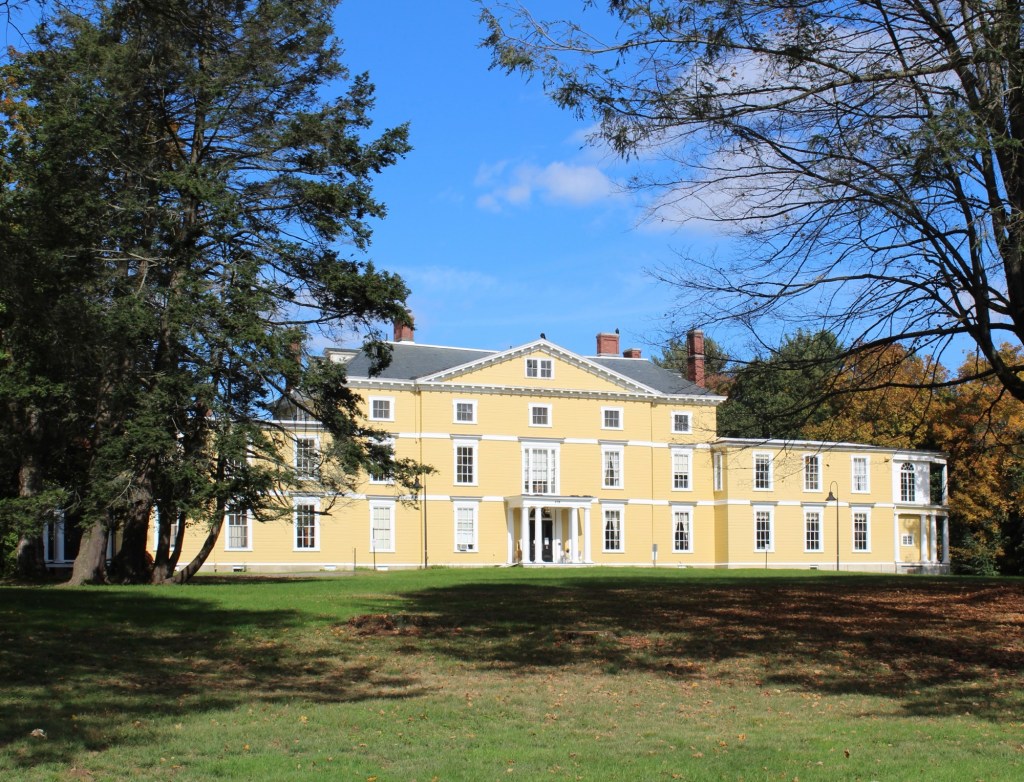
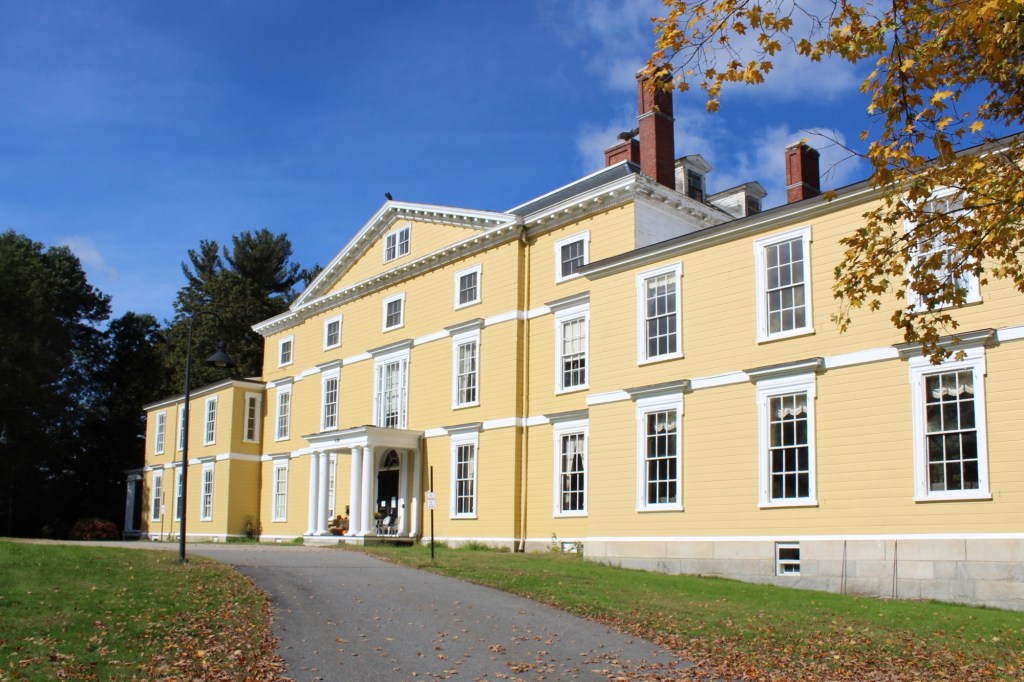
Built in 1805 by Isaac Gleason (Glezen), this Federal style mansion was later expanded in the early 20th century in the Colonial Revival style as Wayland became more of a wealthy Boston suburb. Located on the appropriately named Glezen Lane, this house was constructed for Isaac Glezen (1769-1843), who farmed the land here. Other family members built homes nearby. As Wayland shifted from rural community to a wealthy Boston suburb in the early 20th century, the property was purchased by Charles Ashley Hardy and his wife, Alice. The couple would sell the property in 1918, which comprised of 89-acres of land and a chauffeur’s residence, was purchased by Albert H. Beck, a New York banker. The property was later subdivided and consists of many other large, single-family homes.

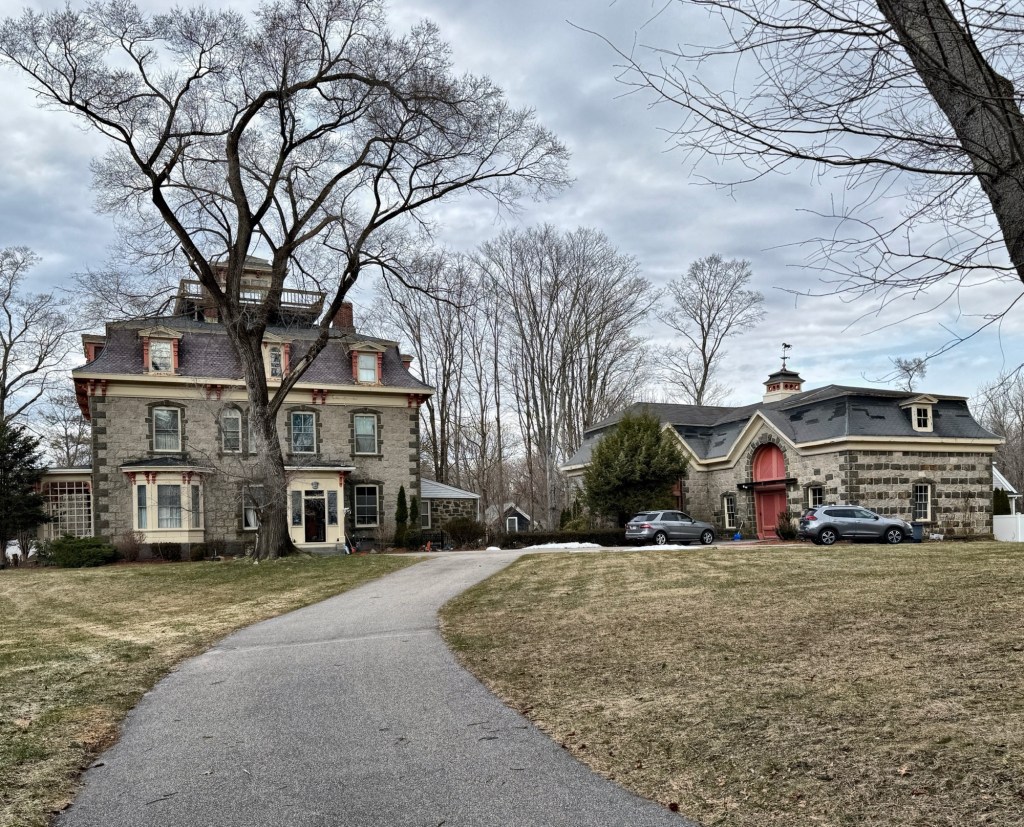
Fairlawn Mansion // 1883

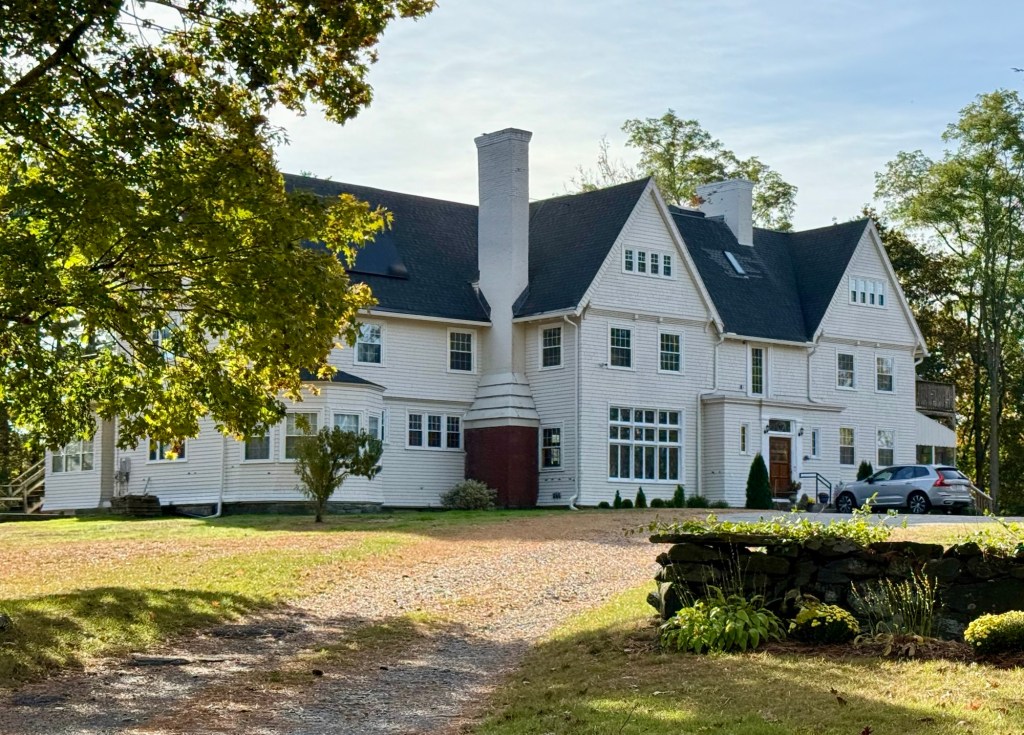
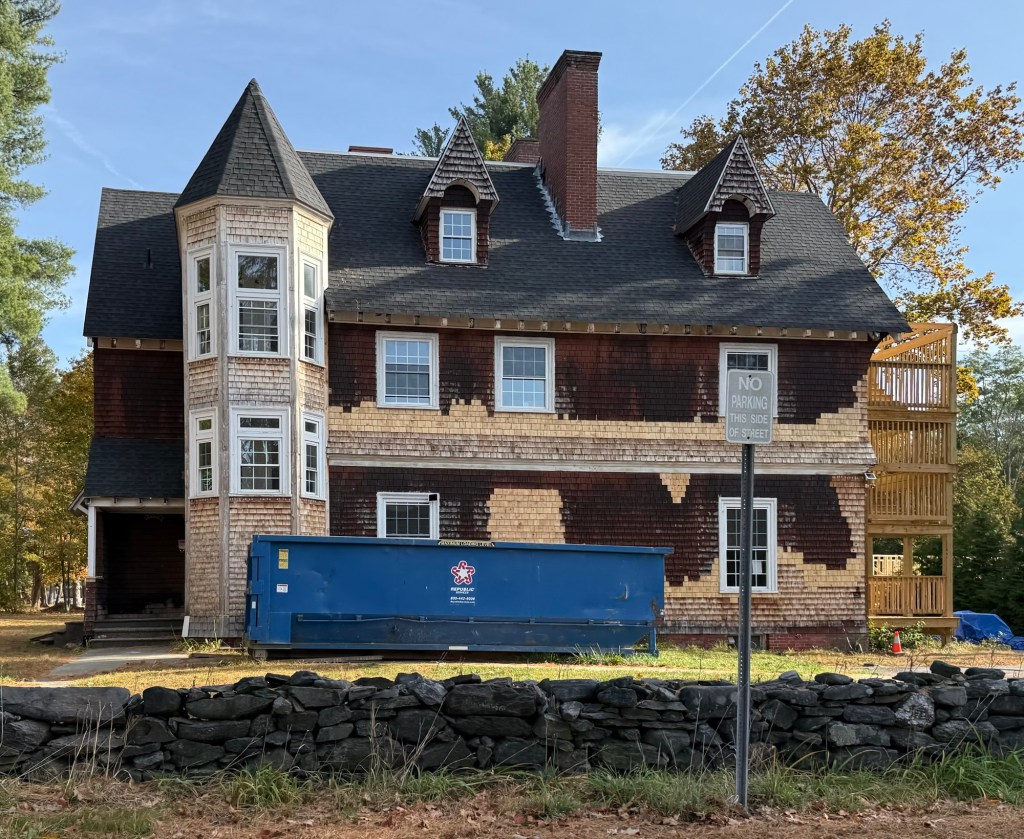
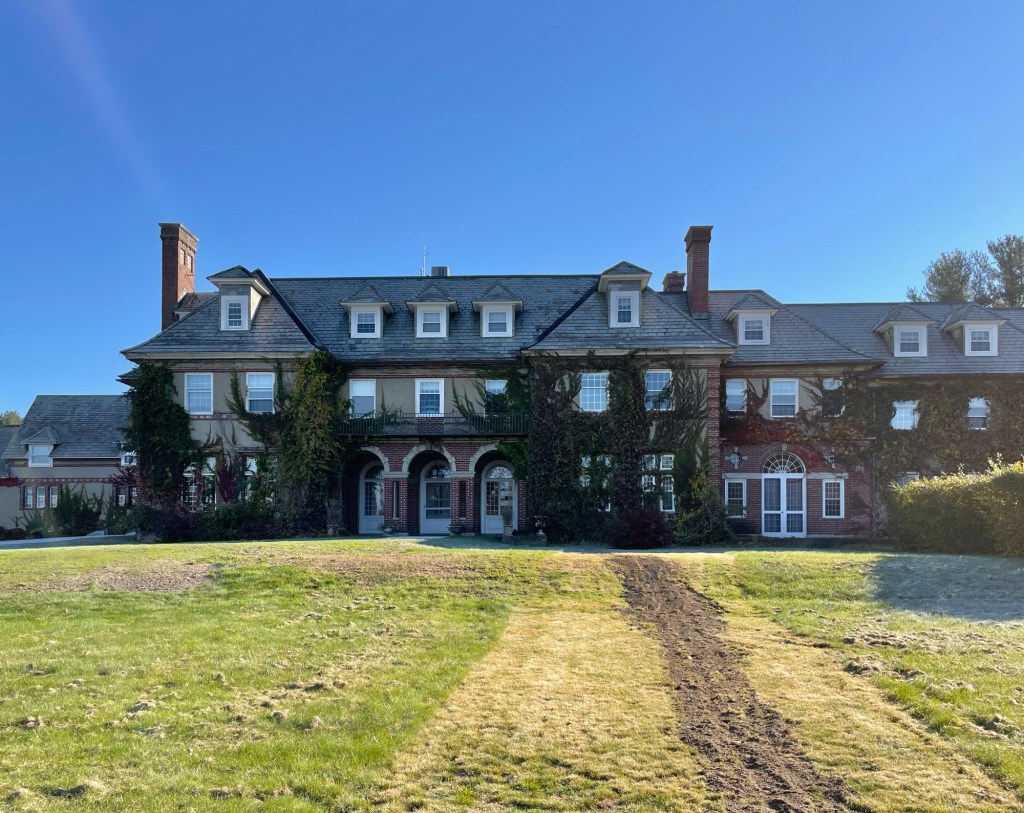
One of the great mansions built for the wealthy Thayer Family, “Fairlawn” stands as one of the finest Gilded Age homes in Lancaster, Massachusetts. This home was built for Eugene Van Renssalear Thayer (1855-1907), a financier and businessman, and his wife, Susan Spring Thayer. The gracious Richardsonianeque Shingle style house was designed by the Boston architectural firm of Andrews & Jacques as one of their first commissions after leaving the office of H. H. Richardson to establish their own practice. After the deaths of Eugene and Susan, the property was inherited by Susan Thayer Bigelow, the youngest daughter of the couple, and her husband, architect, Henry Forbes Bigelow. Under the ownership of Henry and Susan Bigelow, a massive renovation occurred, where Henry F. Bigelow oversaw in 1923, the removal of the south wing of the house, which was relocated to the south and became a detached residence, painted the brown-stained shingles white, and removed the Richardsonian arches to create a 20th century country house more in the Tudor Revival mode. From 1965, the property was owned by the former Atlantic Union College, and was colloquially known as the White House, but has since been sold to private owners. The former south wing, now a detached house, is under separate ownership. 

Detached portion of original house.

Mary S. Johnson Mansion // 1910

Mary Elizabeth Spiers (1847-1915) married Iver Johnson (1841-1895) in 1868 and raised their children until Iver’s death in 1895. The couple lived in Worcester before moving to Fitchburg where Iver Johnson was head of the Iver Johnson’s Arms & Cycle Works in Fitchburg, and had sporting goods stores in Worcester, Fitchburg, and Boston. After his death in 1895, his widow Mary, became president of the stores and trustee and operator of the Iver Johnson Sporting Goods Co. in Fitchburg. Ms. Mary S. Johnson sought retirement and purchased land on Main Street in the bucolic town of Lancaster and built this large mansion in 1910. The estate sat on 75-acres of land and comprised of an older farmhouse, the 20th century mansion, two caretaker’s cottages, and a large stable. Ms. Johnson died suddenly in 1915 and the estate of over $4 Million dollars was distributed amongst the couple’s children. In 1934, the estate became the Dr. Franklin Perkins School, a K-12 school for students with special needs.

Nathaniel Thayer Mansion // 1902

The Thayer Family is one of the most prominent and well-connected families of New England, and that stature comes with handsome estates. Nathaniel Thayer (1801-1883) was born in Lancaster as the son of Reverend Nathaniel Thayer (1769–1840), a Unitarian congregational minister. Nathaniel Thayer Jr. made his fortune in businesses and held deep ties to his hometown, despite spending most of his time in Boston. He took down the original Thayer home on this site and developed the estate in the 1850s. After his death, the property was inherited by his son, Nathaniel Thayer III (1851-1911), and the house was enlarged and remodeled in the Georgian Revival style in 1902 by the architect and interior designer Ogden Codman Jr. The mansion served as a summer home to Nathaniel, who too spent much of his time in Boston. After his death, the 46-room mansion was sold out of the Thayer family with many of its furnishings sold at auction. The Nathaniel Thayer Mansion house was sold to Atlantic Union College in 1943 at a cost of $12,500. It was used as the school’s administration building between 1945 and 1951, and then as a dormitory until about 1970. From 1973 to present-day, the estate has been home to Thayer Conservatory, Center for Music and the Arts, who do a great job at preserving this significant landmark.

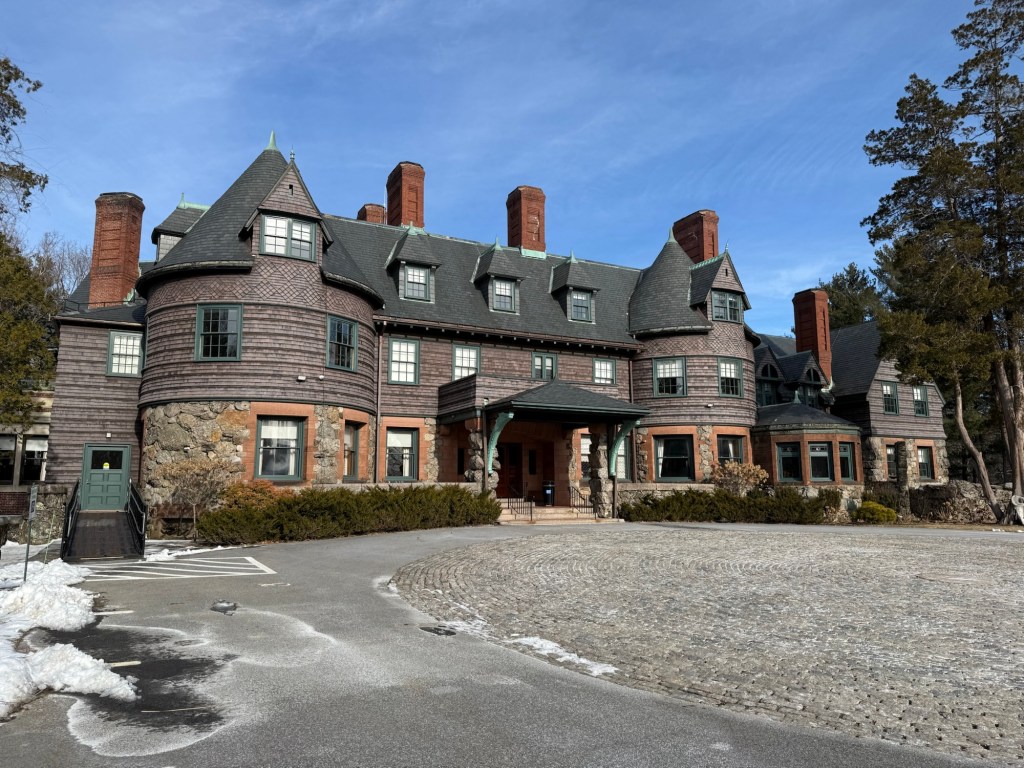
Roughwood // 1891

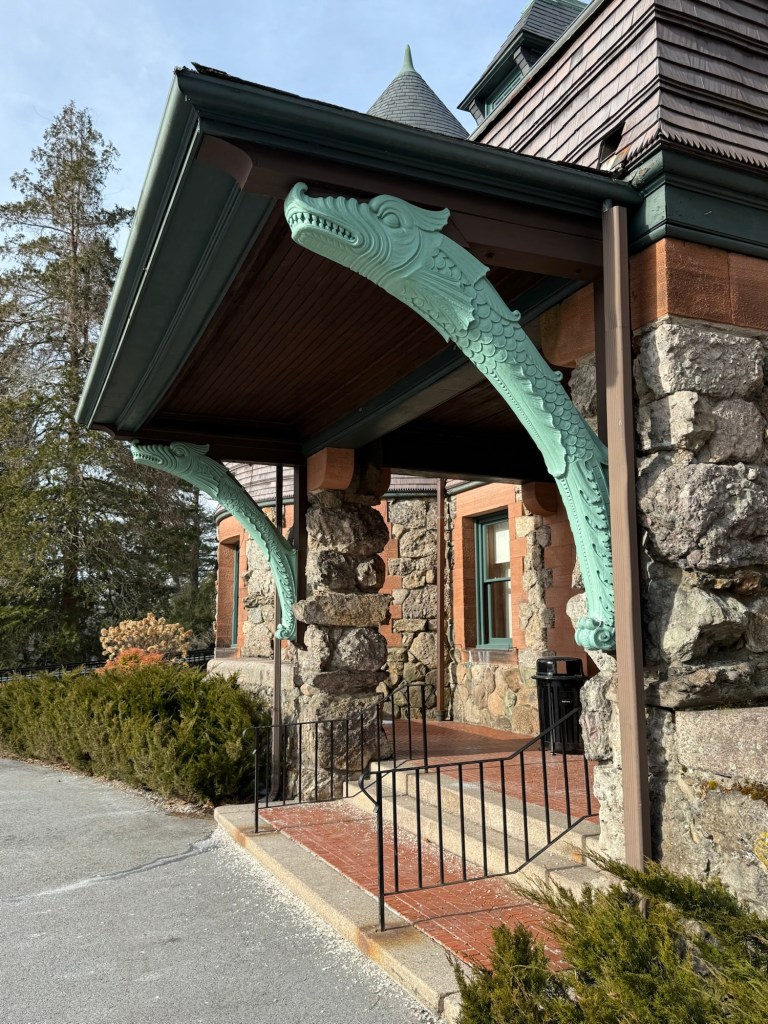
Roughwood is a historic estate house on Heath Street in Brookline, Massachusetts. The main residence and the various outbuildings on the grounds were designed by the Boston architectural firm of Andrews, Jaques and Rantoul, and built in 1891 as the summer estate of William Cox, a wholesale dealer in the footwear industry. Mr. Cox died in 1902 and the property was sold to Ernest Dane, the year before he married Helen Pratt, the daughter of Charles Pratt, a wealthy New York businessman and philanthropist. Mr. Dane was a banker who served as President of the Brookline Trust Company. The Dane’s owned the property for decades until the property was eventually purchased by Pine Manor Junior College in 1961. The estate house remained a centerpiece of the campus. In the early 21st century, Pine Manor College saw financial distress, and was saved by Boston College, who acquired the campus and its existing students as Messina College, which opened in July 2024 for over 100 first-generation college students. Architecturally, Roughwood is a high-style example of the Queen Anne/Shingle style of architecture. The mansion is built with a puddingstone and brownstone first floor and a second floor of varied patterns of wood shingles, all capped by a slate roof. The facade is dominated by towers and dormers and the great rustic entrance portico with dragon’s head brackets. To its side, a 1909 Tudor Revival addition served as a music room for the Dane’s family and while stylistically unique, is designed with impeccable proportions.

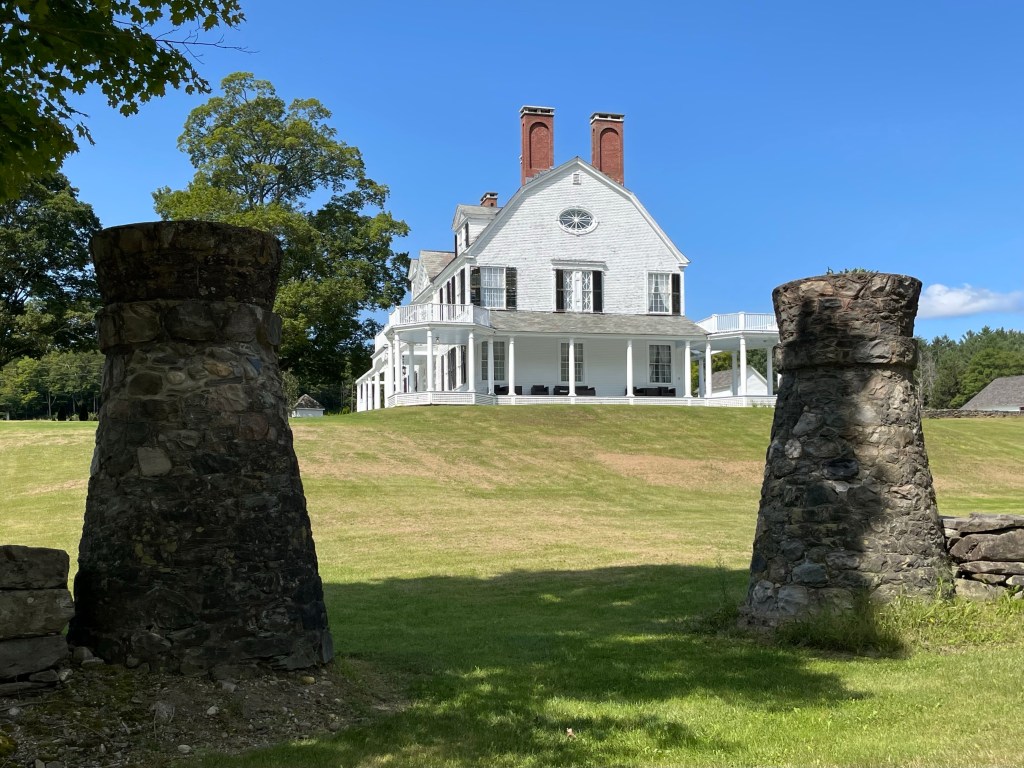
Brook Farm // 1894

By the late 1800s, Vermonters had left the state in high numbers as agriculture began to sharply decline as a career path in New England, with many leaving to urban centers and manufacturing towns. Vermont politicians responded to the de-population with initiatives to encourage the redevelopment of existing farms by seasonal residents with money who could summer there to escape the hustle and bustle (and dirty air) of urban centers. Towns threw events like “Old Home” days with activities to entice affluent family members to return home and bring their money with them. After 1850, railroads made it easier for urban families to trade the heat and congestion of the city for the beauty of Vermont. One of these wealthy expats was James Hale Bates (1826-1901), who was born in Cavendish, Vermont, and moved to New York and worked in advertising, operating a major firm there. He retired in 1895, after the completion of Brook Farm one year earlier, a gentleman’s farm that he had built in his ancestral hometown of Cavendish. This massive Colonial Revival mansion was the centerpiece among sweeping fields and orchards contained by rustic stone walls. It is believed that Vermont architect, Clinton Smith, designed the estate house and many of the out-buildings on the site from the carriage and cow barns to the caretaker’s house and creamery. In recent years, the estate was operated as a vineyard, but it appears to be closed now. This is one of the hidden gems of Vermont and one of the most stunning Colonial Revival homes I have seen!

“Beachmound” Mansion // 1897

Beachmound, a unique summer residence in Newport, was built in 1897 by architect Henry Ives Cobb for Benjamin Thaw Sr., (1859-1933) a Pittsburgh banker and philanthropist. The mansion is Neo-Classical in style, taking cues from Classical architecture, specifically Greek Revival, with the monumental columns, pediments, and pilasters. Benjamin Thaw was the half-brother of Harry Kendall Thaw (known for the 1906 murder of architect Stanford White). The murder took over the press as one of the more salacious scandals of the gilded era. Harry Thaw’s wife, the actress/model Evelyn Nesbit was said to have been raped by Stanford White while 16 year old (White was 47). She later married Harry K. Thaw. Thaw shot and killed White, the internationally famous architect, in front of hundreds of witnesses in a theater during a performance in New York. Following two trials, he was acquitted based on the insanity defense, a stint in an asylum from which he escaped, and eventual court-ordered freedom, Thaw was a celebrity. A comical piece of the story is that when Thaw later visited “Mar-a-Lago”, the Post Mansion in Palm Beach, Florida (now best known as Donald Trump’s home), he gasped, “My God, I shot the wrong architect!” Beachmound remains as a stunning, refined summer estate in Newport, and is comprised of condo units.

The Breakers – Children’s Cottage // 1878

While the Breakers Mansion in Newport is one of the most opulent buildings in the United States, a tiny cottage on the grounds always gives me feelings of whimsy. Predating the larger mansion by two decades, this cottage was constructed on the grounds of the original Breakers House, owned by Cornelius Vanderbilt, which was destroyed by fire in 1893. The cottage was built as a children’s playhouse around the time the original Breakers mansion was built in 1878. The Boston architectural firm of Peabody and Stearns built the mansion and adjacent cottage for Pierre Lorillard IV, a New York cigar manufacturer and millionaire. The Queen Anne Revival style elements, including the half-timbering and shingles and asymmetry, were in keeping with the style of the original Breakers, and complimented it well. My favorite part of the cottage is the open porch facing the ocean, which has four wooden posts, carved in the shape of figures from Dutch folklore, a sort of caryatid, supporting the roof. The house contains a living room and kitchen separated by a huge red brick chimney, which would be maintained by servants for the children while they play.

“La Rochelle” // 1903

“La Rochelle”, one of the many beautiful summer “cottages” in Bar Harbor, Maine, sits on West Street, a well-preserved stretch of mansions that showcase Gilded Age wealth in the town. The cottage dates back to the 1902-3, when George Sullivan Bowdoin, great-grandson of Alexander Hamilton, and partner at J.P. Morgan, and his wife, Julia Irving Grinnell Bowdoin, a great niece of Washington Irving) commissioned the Boston architectural firm of Andrews, Jacques & Rantoul to design a cottage for them. They hoped to spend their summers away from New York, where they could rub elbows with other wealthy and well-connected summer residents in Bar Harbor. The French Renaissance style cottage, known as La Rochelle, became one of the first Bar Harbor mansions constructed of brick. The forty-one room, 13,000 square foot cottage was built with twelve bedrooms and nine full-bathrooms on two acres of land, which backs up to the Mount Desert Narrows and harbor. The name La Rochelle comes from La Rochelle, a seaport in Nouvelle, Aquitaine, France, where George’s ancestors lived before settling in present-day Maine (later moving to Boston). In the 1940s, Tristram C. Colket of Philadelphia and his wife (the former Ethel Dorrance, daughter of John T. Dorrance, the Campbell’s Soup king) acquired La Rochelle. In 1972, La Rochelle’s owners, the Colket family, donated it to The Maine Seacoast Mission, who then sold it in 2019 to the Bar Harbor Historical Society.

Wheatleigh // 1893

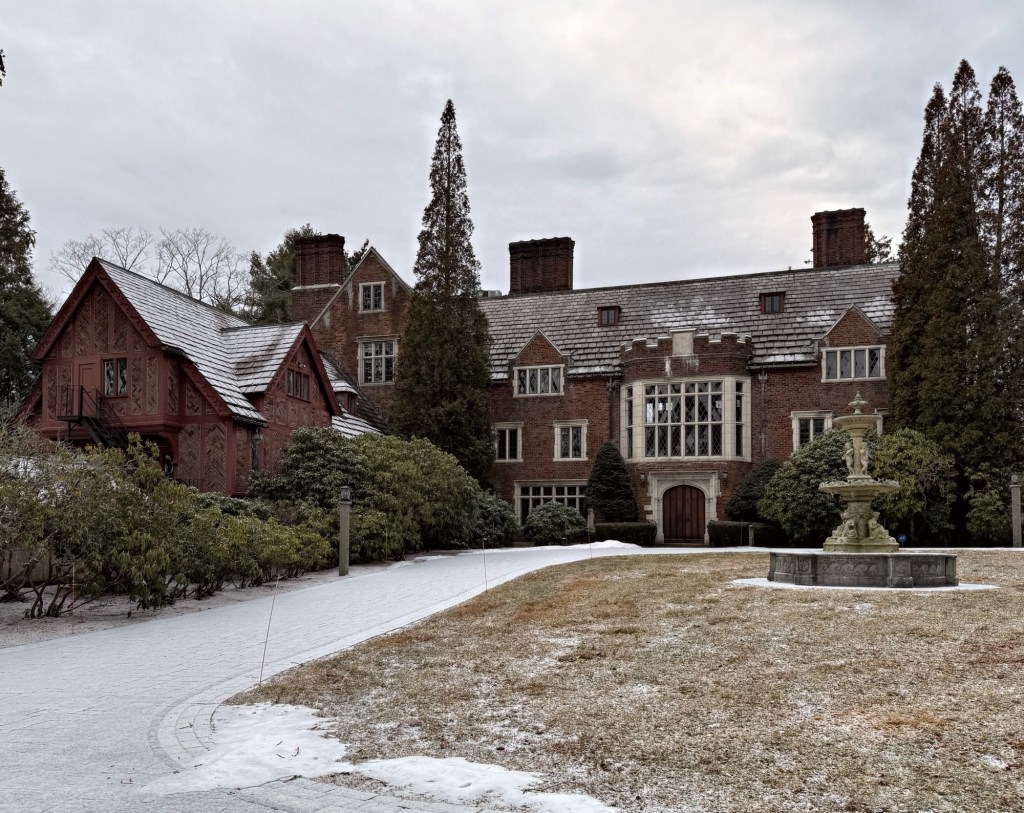
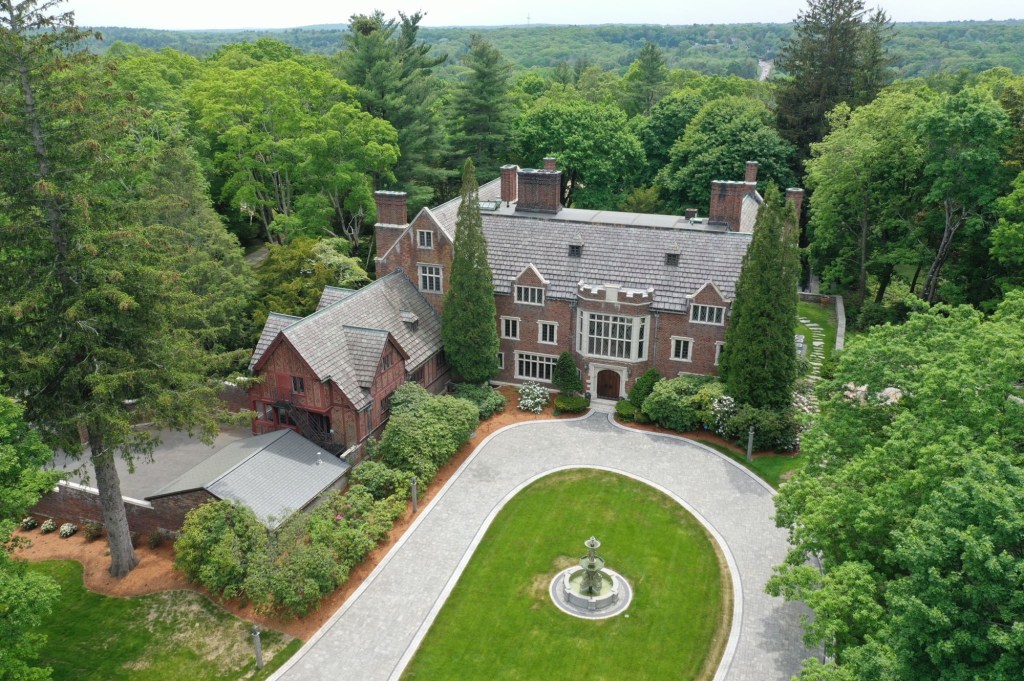
Designed in 1893 by the Boston architectural firm of Peabody and Stearns, Wheatleigh is an early example of Renaissance Revival architecture which became popular for country estates in the early 20th century. The estate was constructed for Henry Harvey Cook, who purchased over 250-acres of forest and lawns overlooking Lake Maheenac for his summer “cottage”. Cook was a New York-based businessman who made his fortune in the railroad and banking businesses, and he wanted a summer house to escape to every year. He named his home “Wheatleigh” as an homage to his family’s ancestral home, Wheatley, Oxfordshire. The mansion is approached by a circular drive that terminates in a formal entrance court partially enclosed by a buff brick wall and evergreen trees, centered on an octagonal marble fountain decorated with a shell and leaf motif. Upon Cook’s death in 1905 Wheatleigh passed to his daughter, Georgie, the Countess de Heredia. Under her ownership the formal garden was opened for evening worshipping services and musical events. Following de Heredia’s death in 1946 the property was divided and changed hands numerous times. In 1976 the mansion and 22 acres were opened as a resort hotel, known as the estates historic name. The Wheatleigh remains one of the most esteemed luxury hotels in the country.

Wheatleigh Caretaker’s house (1893)