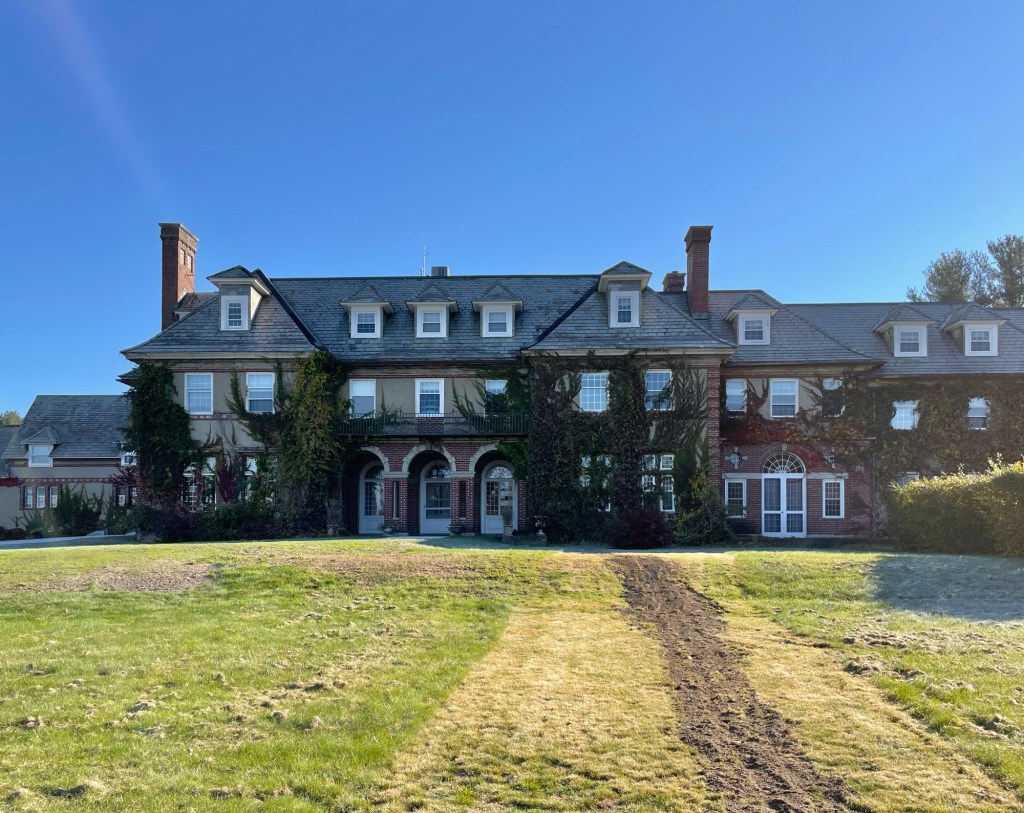
Mary S. Johnson Mansion // 1910

Mary Elizabeth Spiers (1847-1915) married Iver Johnson (1841-1895) in 1868 and raised their children until Iver’s death in 1895. The couple lived in Worcester before moving to Fitchburg where Iver Johnson was head of the Iver Johnson’s Arms & Cycle Works in Fitchburg, and had sporting goods stores in Worcester, Fitchburg, and Boston. After his death in 1895, his widow Mary, became president of the stores and trustee and operator of the Iver Johnson Sporting Goods Co. in Fitchburg. Ms. Mary S. Johnson sought retirement and purchased land on Main Street in the bucolic town of Lancaster and built this large mansion in 1910. The estate sat on 75-acres of land and comprised of an older farmhouse, the 20th century mansion, two caretaker’s cottages, and a large stable. Ms. Johnson died suddenly in 1915 and the estate of over $4 Million dollars was distributed amongst the couple’s children. In 1934, the estate became the Dr. Franklin Perkins School, a K-12 school for students with special needs.

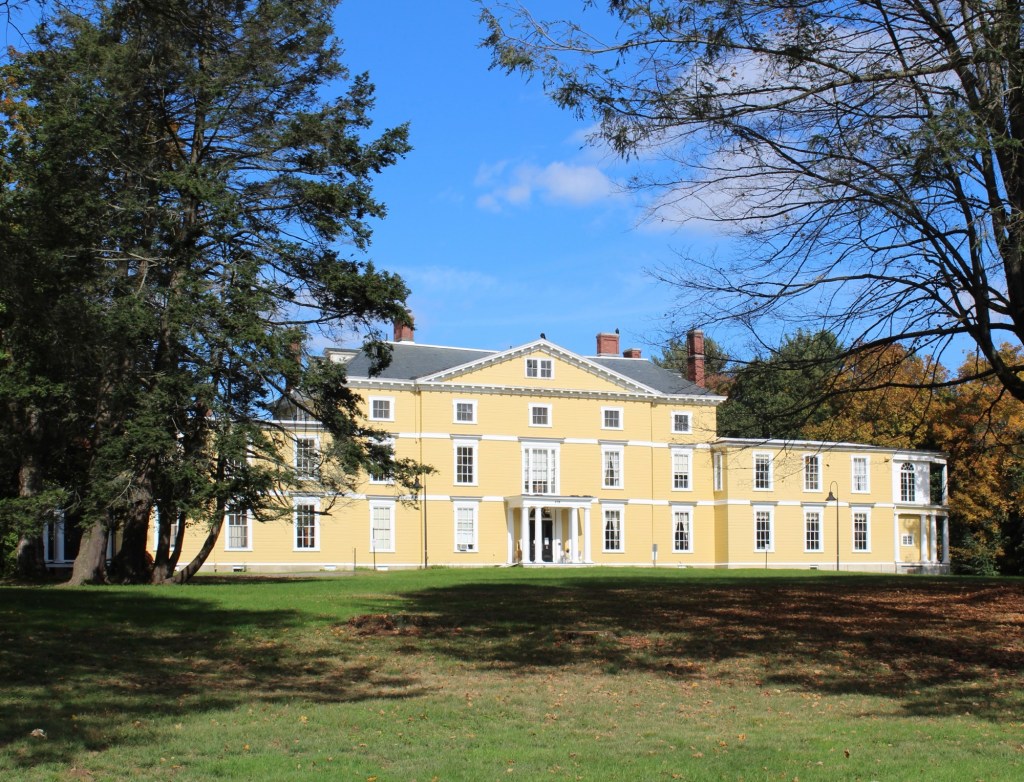
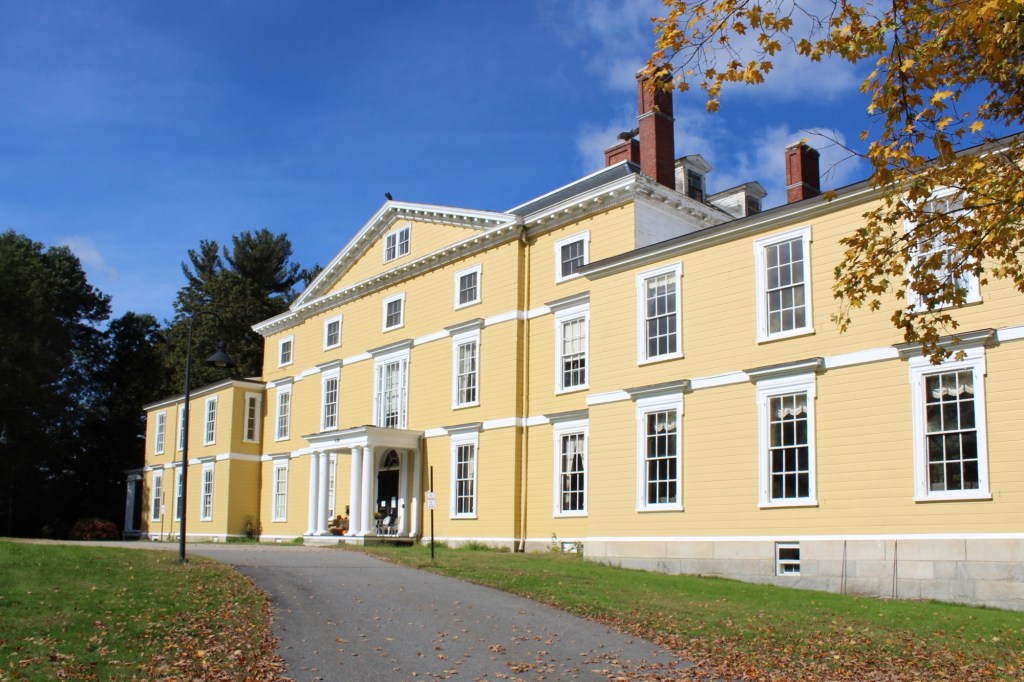
Nathaniel Thayer Mansion // 1902

The Thayer Family is one of the most prominent and well-connected families of New England, and that stature comes with handsome estates. Nathaniel Thayer (1801-1883) was born in Lancaster as the son of Reverend Nathaniel Thayer (1769–1840), a Unitarian congregational minister. Nathaniel Thayer Jr. made his fortune in businesses and held deep ties to his hometown, despite spending most of his time in Boston. He took down the original Thayer home on this site and developed the estate in the 1850s. After his death, the property was inherited by his son, Nathaniel Thayer III (1851-1911), and the house was enlarged and remodeled in the Georgian Revival style in 1902 by the architect and interior designer Ogden Codman Jr. The mansion served as a summer home to Nathaniel, who too spent much of his time in Boston. After his death, the 46-room mansion was sold out of the Thayer family with many of its furnishings sold at auction. The Nathaniel Thayer Mansion house was sold to Atlantic Union College in 1943 at a cost of $12,500. It was used as the school’s administration building between 1945 and 1951, and then as a dormitory until about 1970. From 1973 to present-day, the estate has been home to Thayer Conservatory, Center for Music and the Arts, who do a great job at preserving this significant landmark.

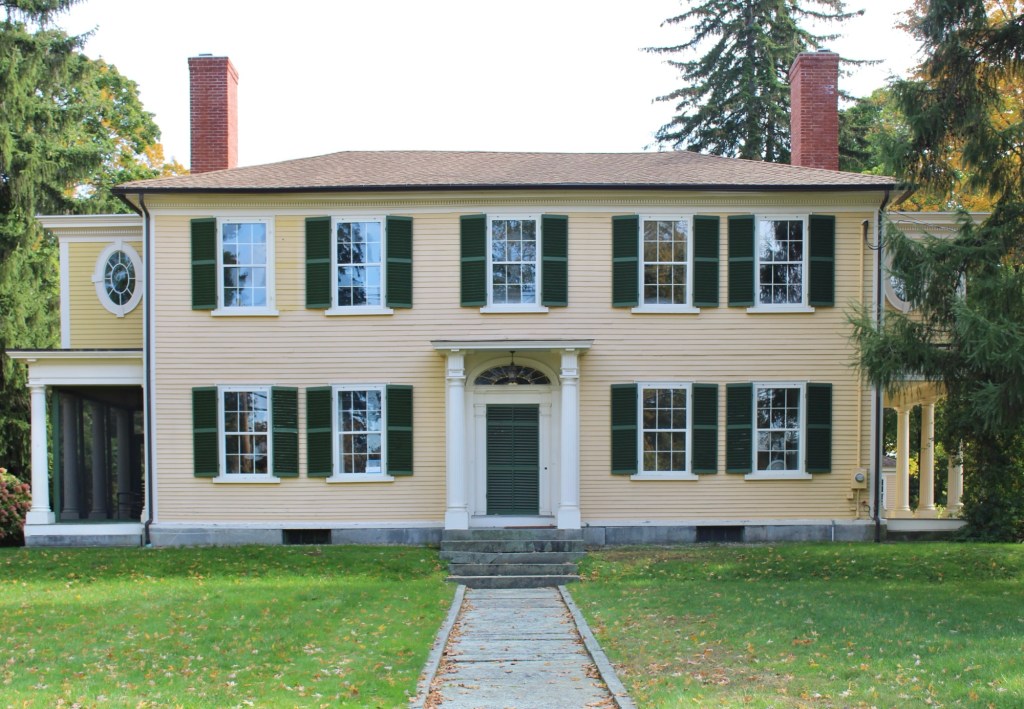
Rice-Carter House // 1796

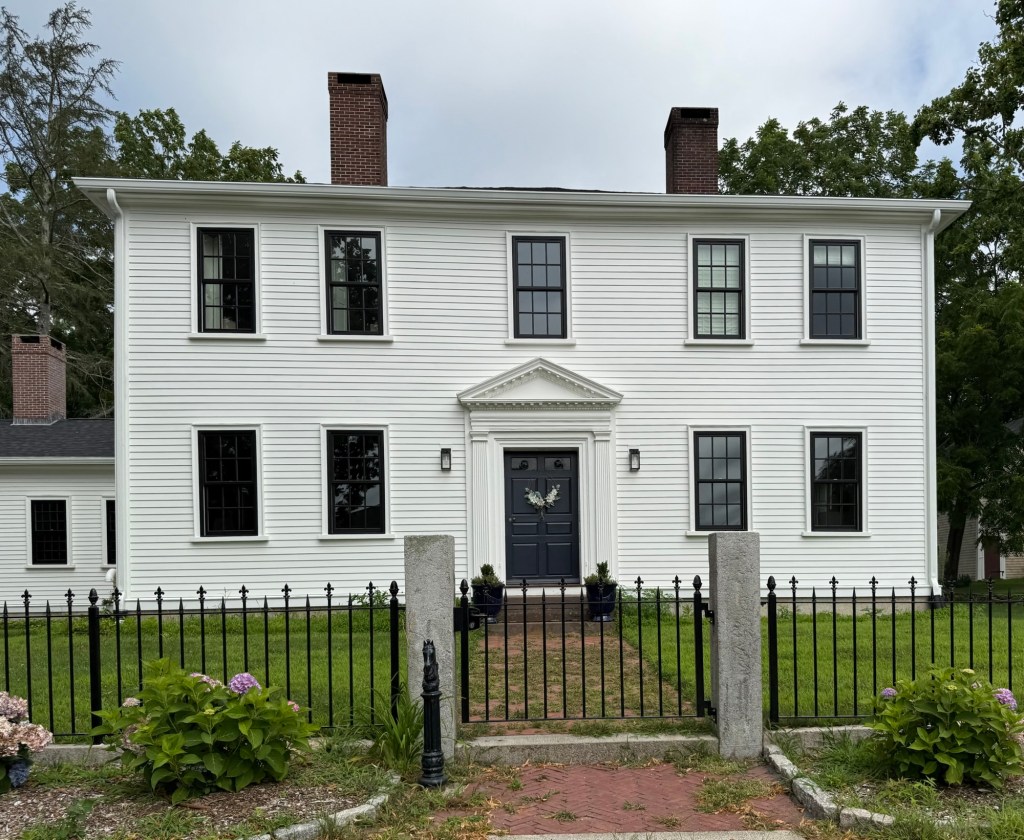
In 1796, attorney Merrick Rice (1764-1819) built this stately Federal style farmhouse on Main Street in Lancaster. The house exhibits a symmetrical facade with hipped roof and twin chimneys and portico at the entrance sheltering the front door with fanlight transom. The house has end porches which may have been added sometime in the 19th century. The property was later purchased by Rev. Asa Packard, who rented the residence to his daughter, Ann, and her husband, James Gordon Carter, a state representative and education reformer who wrote Influence of an Early Education in 1826, and in 1837, as House Chairman of the Committee on Education, contributed to the establishment of the Massachusetts Board of Education, the first state board of education in the United States. The Rice-Carter House is excellently preserved both inside and out.

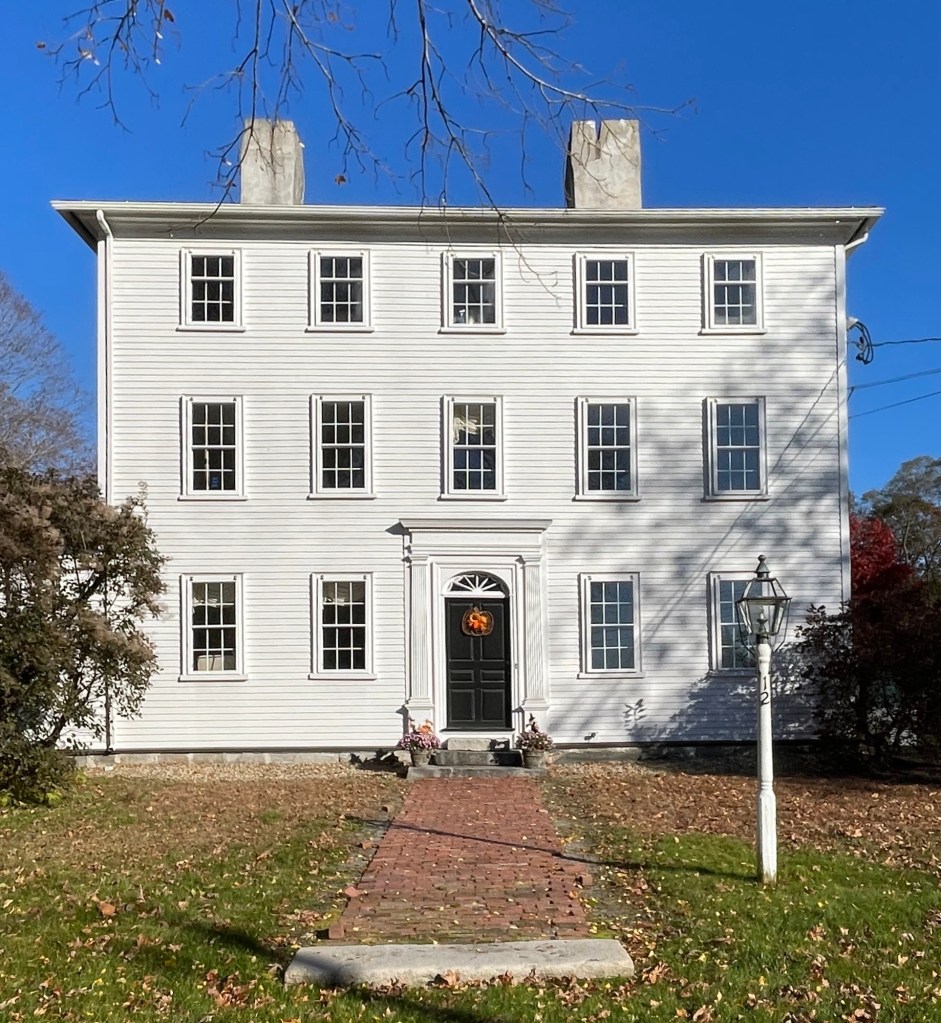
Willard-Stedman Mansion // c.1760

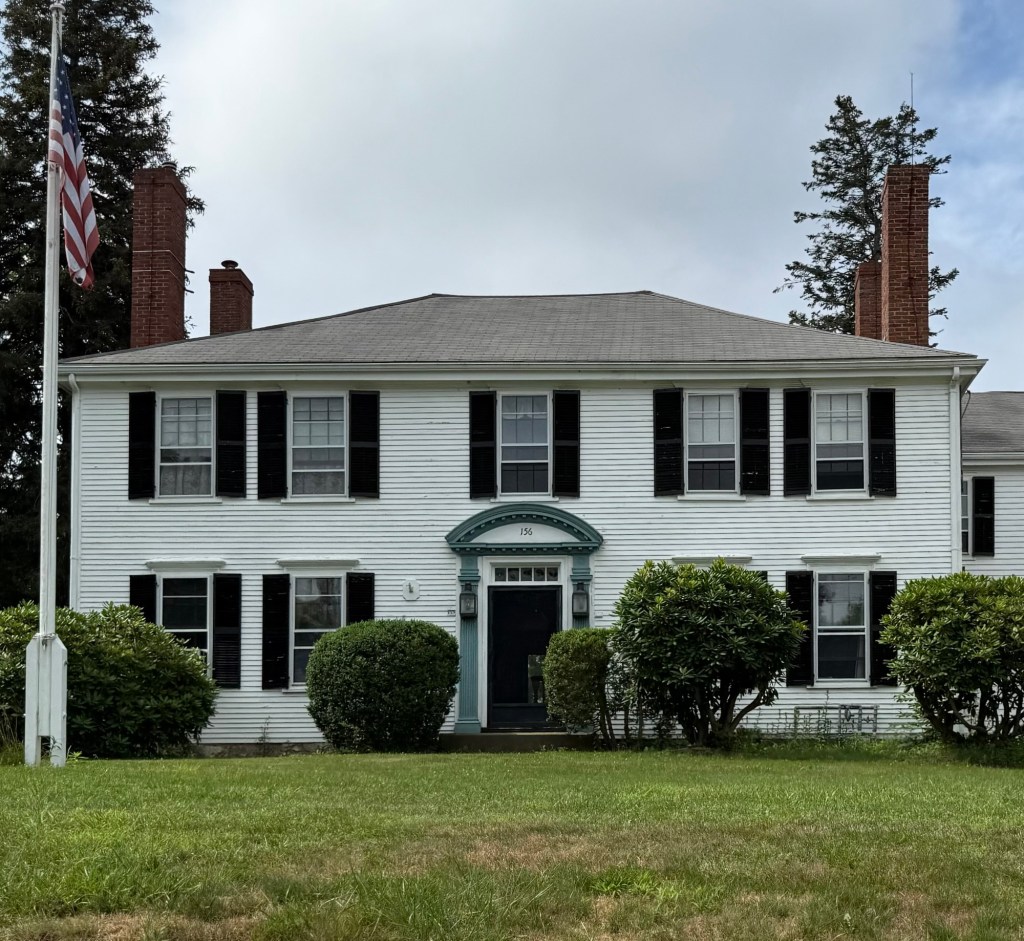
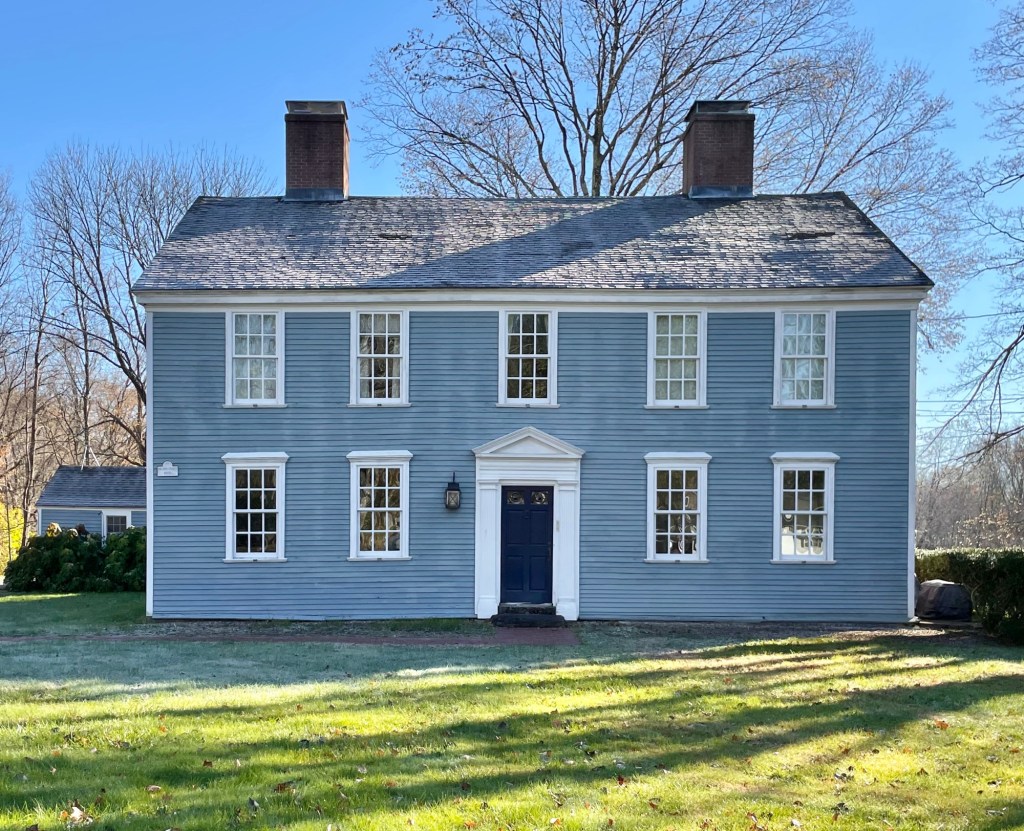
This stately Federal period mansion in Lancaster, Massachusetts, was originally constructed as a Georgian, two-story, five-bay house for Levi Willard (1727-1775), the son of a major landholder and descendant of one of the earliest settlers in the town. The residence is said to have been built by Levi’s cousin, Aaron Willard around 1760. Sometime after Levi’s death in 1775, the property was acquired by William Stedman (1765-1831), a notable attorney who served as town clerk of Lancaster 1795-1800, later becoming a member of the Massachusetts House of Representatives from 1802-1810. It was during Representative Stedman’s ownership that the house was remodelled into the fashionable Federal style appearance we see today, with the third floor added with shallow hip roof and classical entrance with pilasters and fanlight. In the mid-19th century, the house was operated as different boarding schools, though more information is needed. Today, the residence has been preserved and maintained as a single-family home, contributing to the charming Lancaster Center Village.

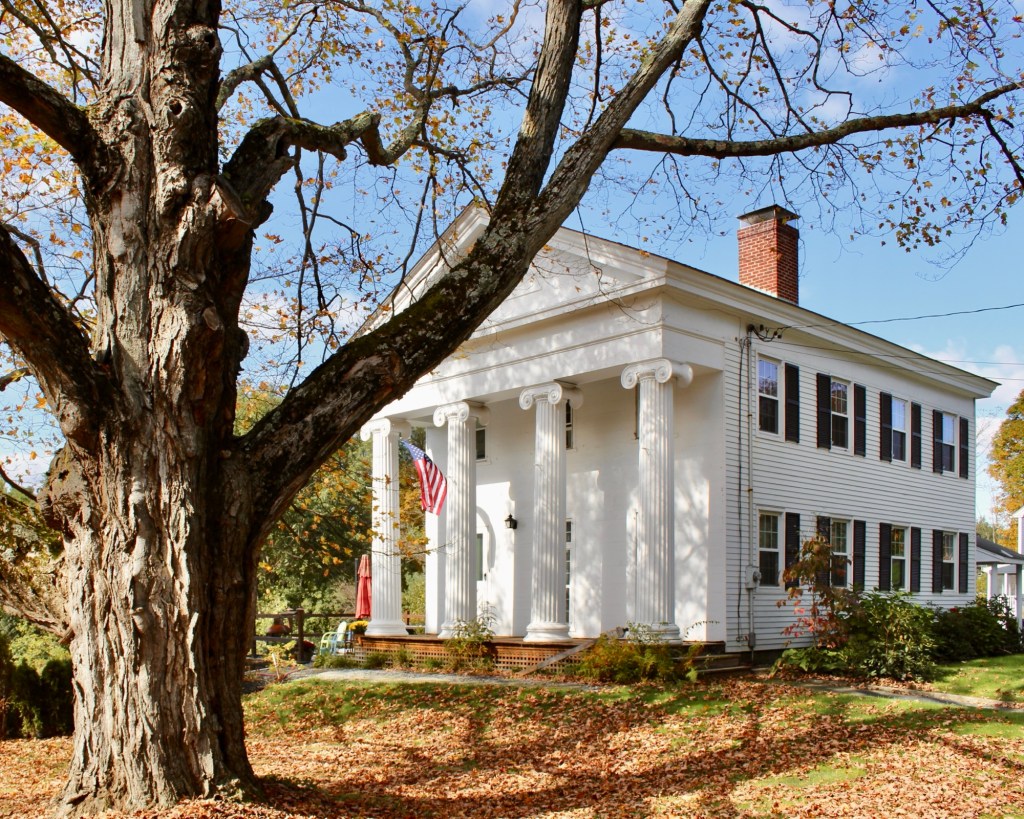
Joseph Andrews House // 1831

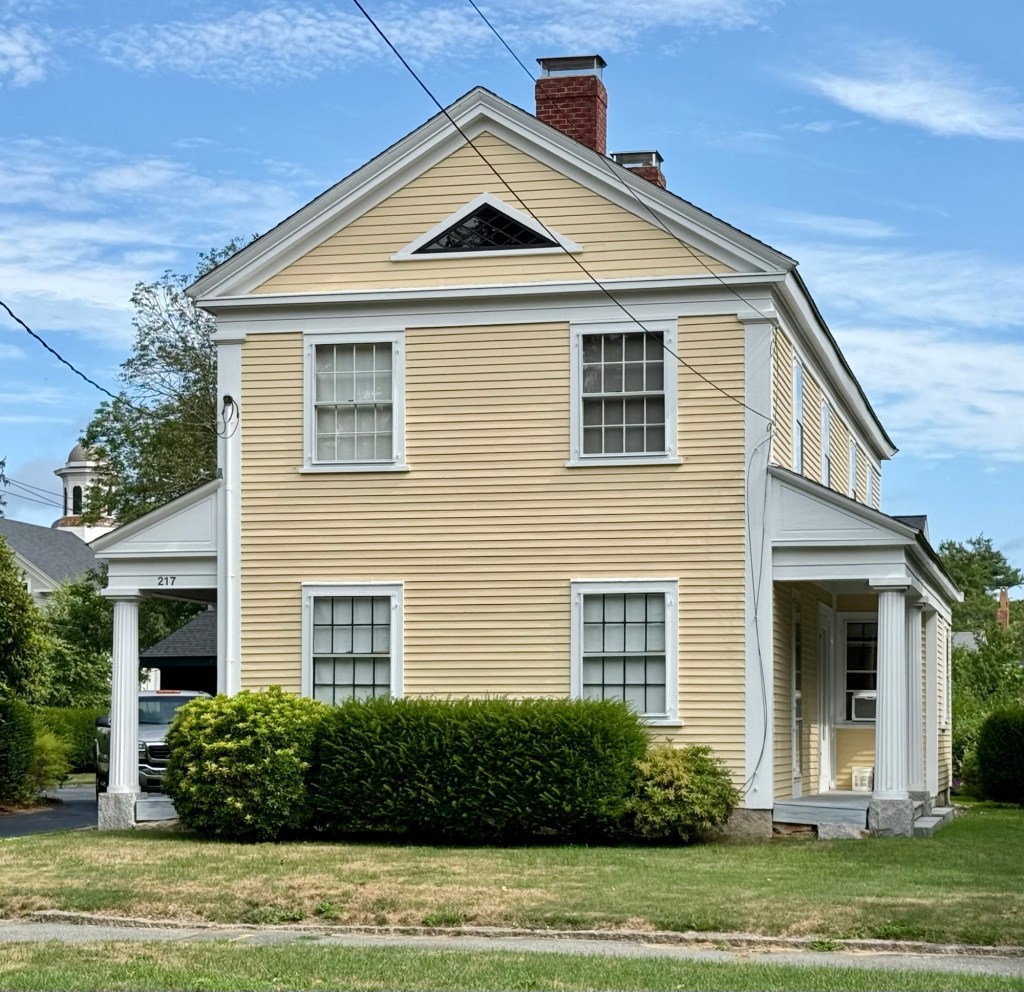
This stately temple-front Greek Revival style house in Lancaster, Massachusetts, faces southward and when originally built, had sweeping views of fields and the Nashua River which abuts the property. The residence was built in 1831 for Joseph Andrews (1806-1873), a renowned 19th century artist who engraved portraits and landscapes, and was also an elder in the local Swedenborgian Church when it still met at residences. The Andrews House was likely a wedding gift to his wife, Thomazine Minot of Brookline, when they married. Tragically, Thomazine died just years later in 1834 at the age of 22. Joseph Andrews remarried soon after and would later move to Waltham. The house, which is listed on the National Register of Historic Places, features a full-length projecting porch with pediment supported by four, two-story fluted Ionic columns and a flush-board facade.

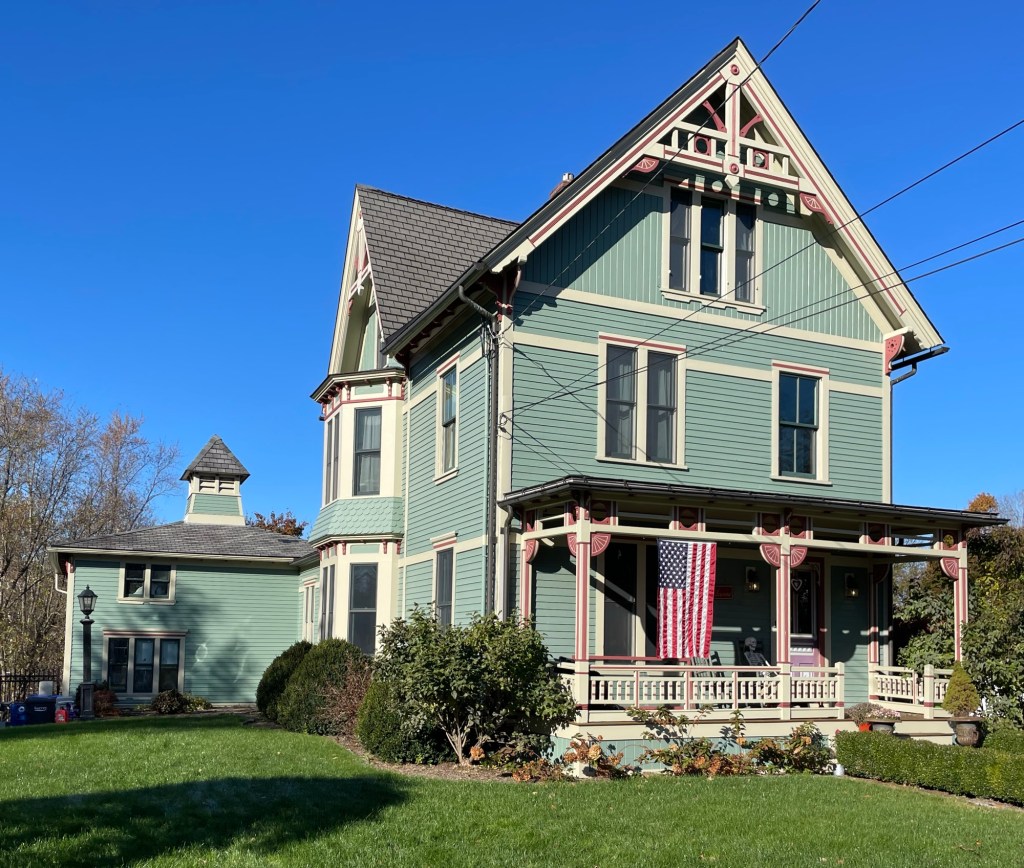
Solon Wilder House // 1883

On Main Street in the central village of Lancaster, Massachusetts, the Solon Wilder House stands as one of the town’s finest Victorian-era residences. The house dates to 1883 and was built for Solon Wilder (1828-1889) and his wife, Olive. Mr. Wilder ran a store and served as town treasurer, doing well enough financially to build this handsome, and modern house and rear stable for the time. The Stick style house features a porch with cut woodwork, decorative trusses in gables, and wooden wall cladding interrupted by “stickwork” patterns raised from the wall surface that is meant to symbolize the structural skeleton of the home.

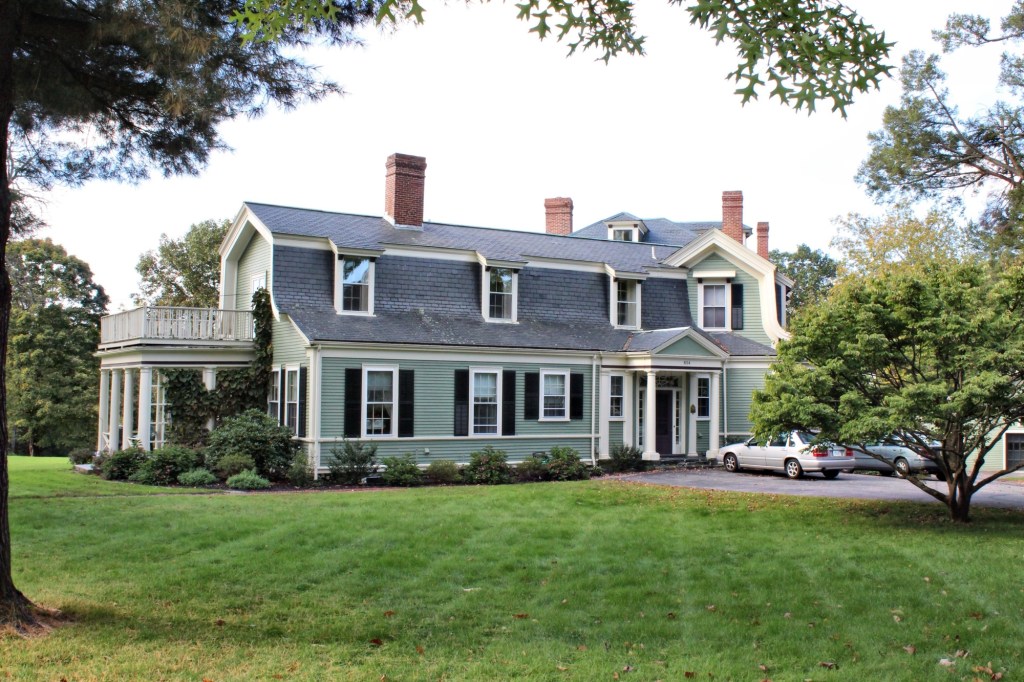
Lawrence-Bartol House // 1861

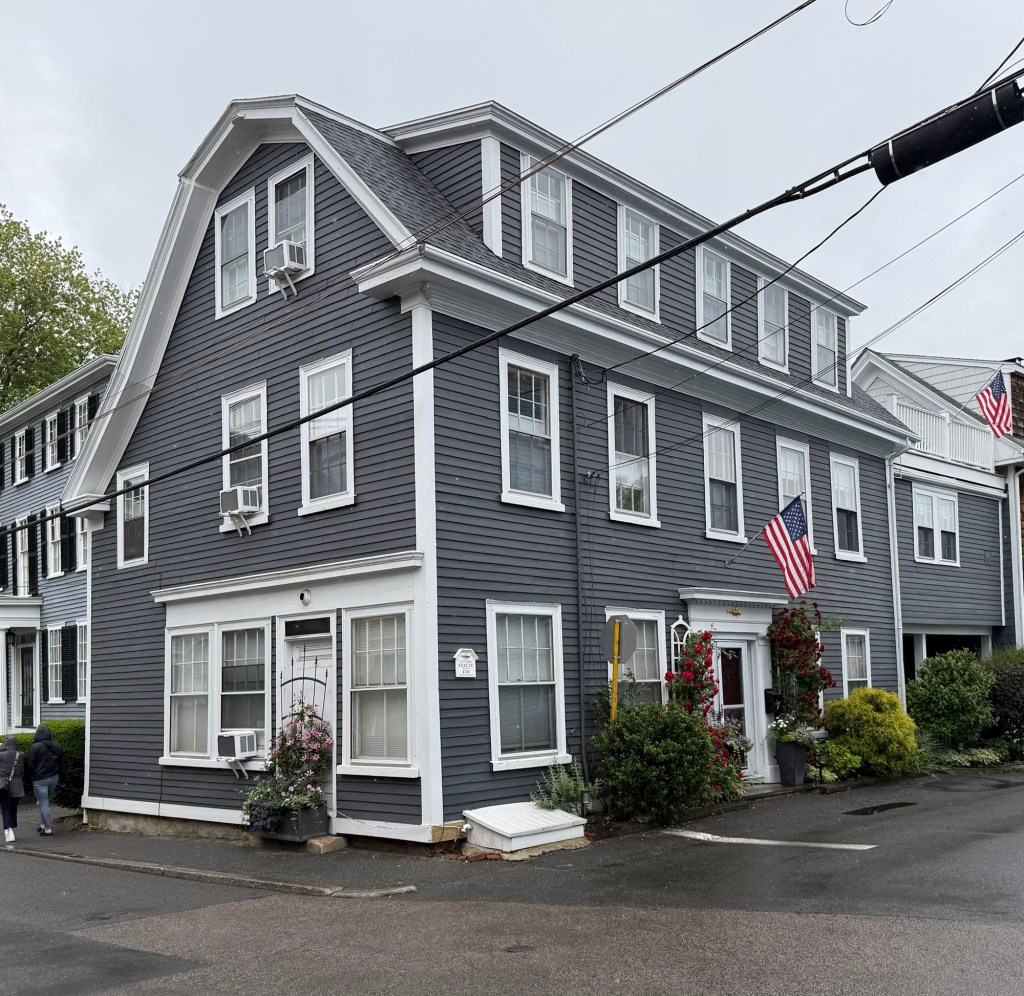
This handsome Victorian residence on Main Street in Lancaster, Massachusetts, was built in 1861 for Rev. Amos E. Lawrence (1812-1897), pastor of the local Evangelical Congregational Church. Amos Lawrence lived in the house for just 4 years until he sold it to Rev. George Bartol, of the First Church of Christ, Unitarian in Lancaster. George Murillo Bartol (1820-1906) served as the pastor for the iconic Bulfinch church for over 50 years until his death in 1906. The residence was then inherited by Reverend Bartol’s son, John Washburn Bartol, a prominent Boston physician who would spend time away from the city at his family home. The unique form of this mansard/gambrel-roofed house stands out along with its Colonial Revival alterations, which likely occurred in the late 19th or early 20th century.

Moorfield Storey House // 1875

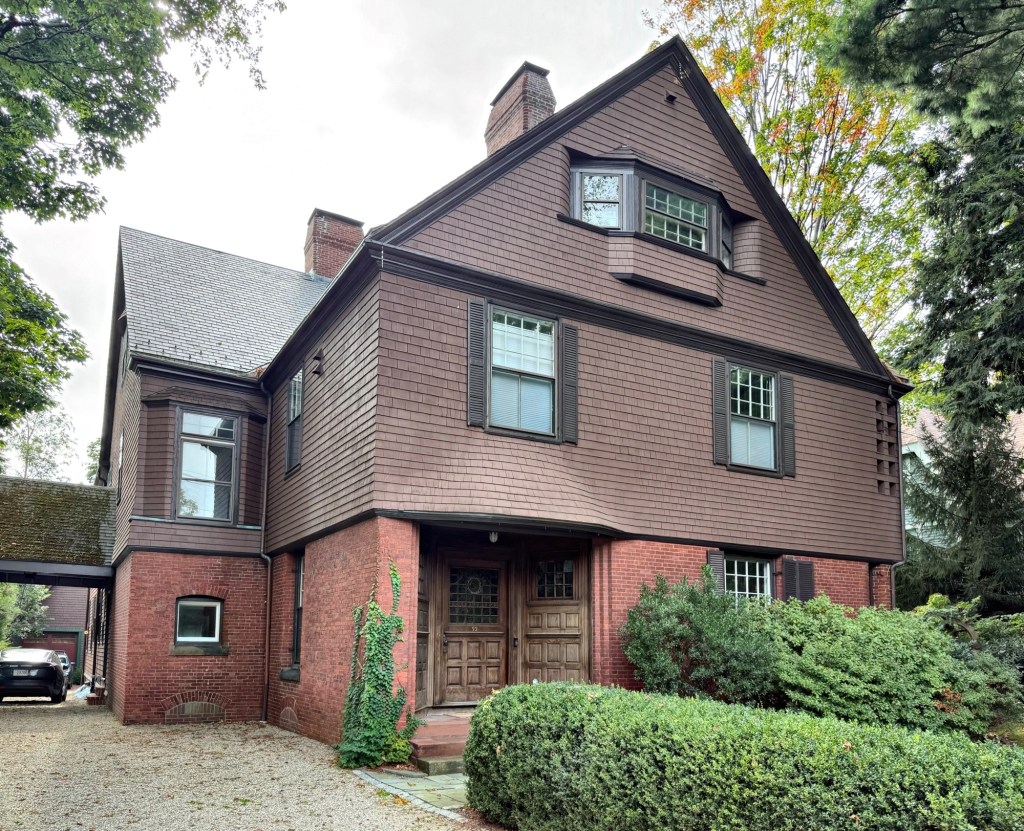
The house at 44 Edgehill Road in Brookline, is a brick Queen Anne style residence built for Moorfield Storey (1845-1929) by architect and neighbor, Robert Swain Peabody, who was Moorfield’s friend and college roommate. Both Peabody and Storey would later move in the early 20th century to the Fenway in neighboring houses, also designed by Robert S. Peabody. Moorfield Storey was a president of the American Bar Association and the president, for most of its existence, of the Anti-Imperialist League, an organization founded to oppose the annexation of the Philippines as a colony and to support free trade and the gold standard. Storey consistently and aggressively championed civil rights, not only for African Americans, but also for Native Americans and immigrants. He opposed immigration restrictions, and supported racial equality and self-determination. He would become the first president of the National Association for the Advancement of Colored People (NAACP), from its founding in 1909 until his death in 1929. The Storey House in Brookline is a well-preserved and early example of the Queen Anne style, that would dominate architectural tastes for the following decades.

Loring-Sherburne House // 1883

One of the many great Queen Anne/Shingle style homes in Brookline is this residence at 92 High Street built for Thacher Loring (1844-1928), president and treasurer of the National Dock and Warehouse Company, of Boston, founded by his father, Elisha Thacher Loring. For their Brookline home, Mr. Loring hired architect, William Ralph Emerson, one of the great architects who mastered the Shingle style of architecture. The Loring Family lived here until the early 1900s, when they sold the property and moved to the Back Bay in Boston. The property was purchased by John Henry Sherburne (1877-1959), who lived here with his family for over sixty years. John Sherburne was an attorney, politician, and military officer who served during the Pancho Villa ExpeditionWorld War I, and World War II and attained the rank of brigadier general receiving numerous military awards, including the Silver Star and Purple Heart. During WWI, he commanded the U.S. Army’s first “negro” artillery battalion in France. After the war he testified before Congress about orders that pointlessly sent hundreds of U.S. soldiers from other units “over the top” to their deaths on the morning of November 11, 1918, when the armistice hour was already known. Following his World War I service, Sherburne advocated for civil rights for African Americans, including support for anti-lynching laws and from 1926 to 1931, he served on the board of trustees for Howard University. The Loring-Sherburne House is significant for its residents and for its architecture, including the use of brick and shingle siding, and the show-stopping recessed panel-wood entry with bulging shingles above.

Major John Bradford Homestead // 1674

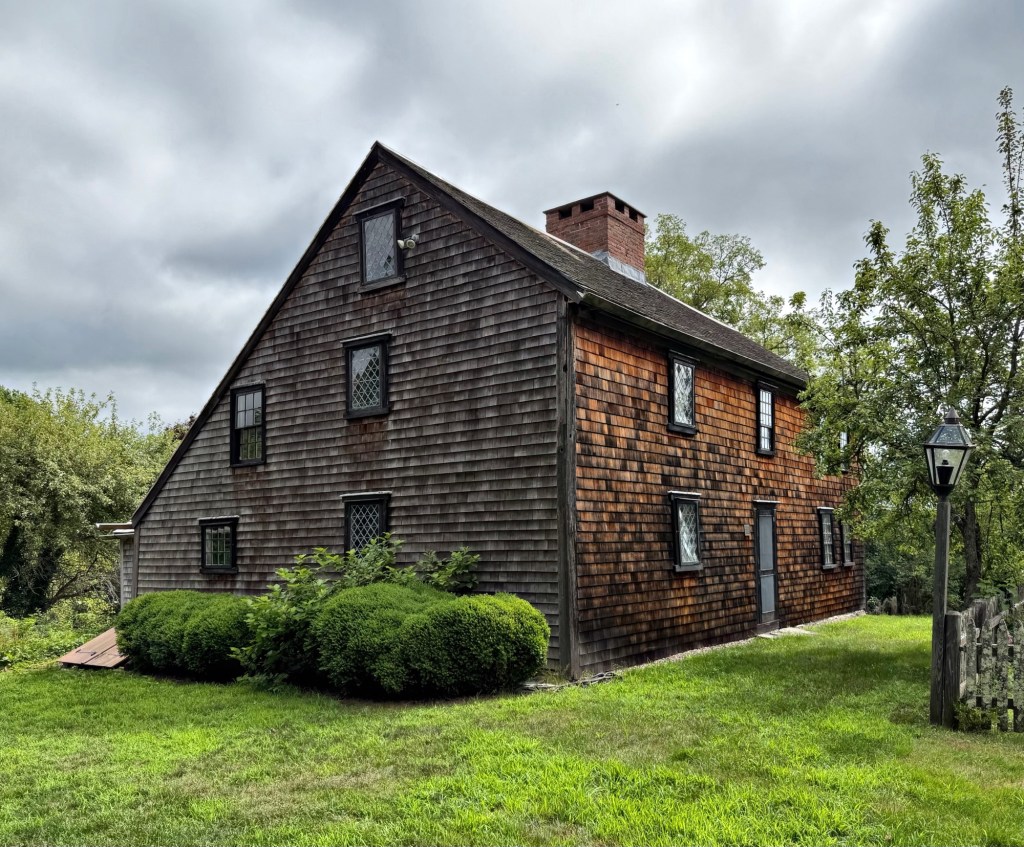
The Major John Bradford Homestead (also known as the Bradford House) is a stellar and well-preserved example of a First Period house in Kingston, Massachusetts. The house was reportedly built by Major William Bradford (1624-1704), the son of Governor William Bradford  who arrived to Plymouth via the Mayflower in 1620 and served as Governor of the Plymouth Colony between 1621 and 1657, purportedly built the west (left) half of the house in 1674 for his eldest son John Bradford and his bride, Mercy Warren. John Bradford (1653-1736) served as selectman, a deputy from Plymouth, and as a representative in the Boston General Court, who in 1717, led in the establishment of Kingston as a new town by donating land for the meeting house, school house, burial ground, training green, and minister’s house. In around 1715, John Bradford expanded this house which was not sufficient to house his wife and seven children. After centuries, the house began to show its age, and in 1921, coinciding with the tercentenary of the Pilgrims arriving to Plymouth, the Bradford House was thoroughly documented and restored by Frank Chouteau Brown and George Francis Dow. Since 1921, the property (including a historic barn moved here from a nearby site) has been owned and preserved by the Jones River Village Historical Society, who operate the property as house museum.