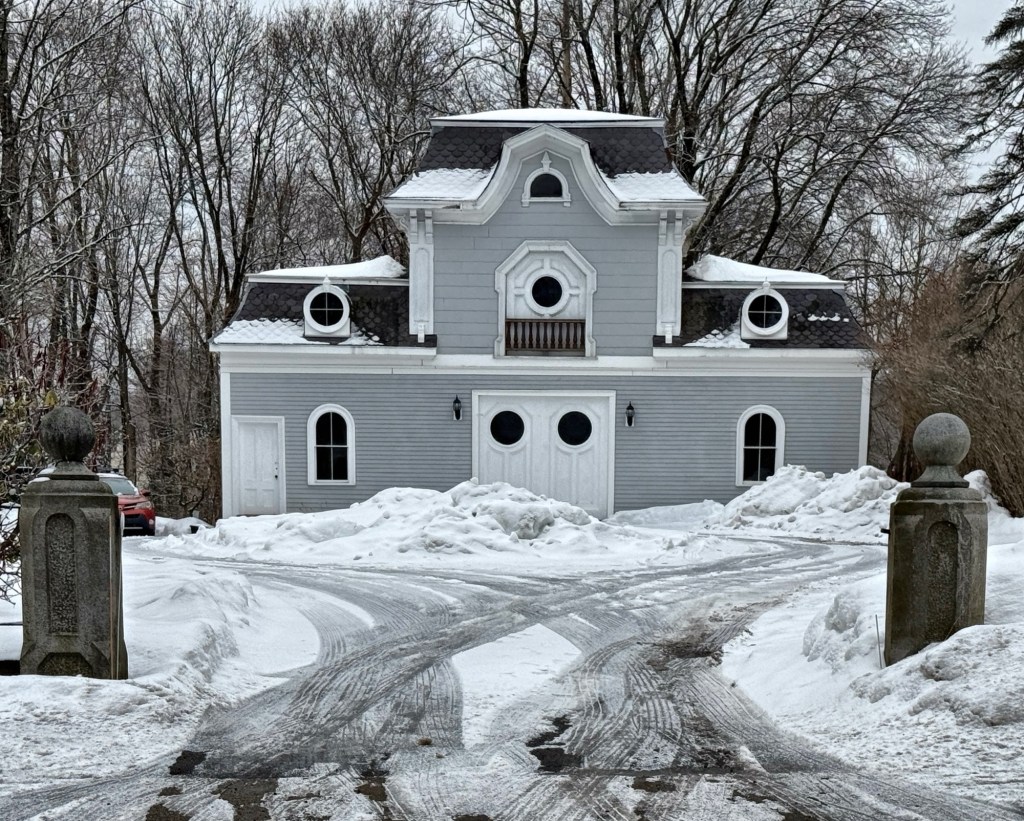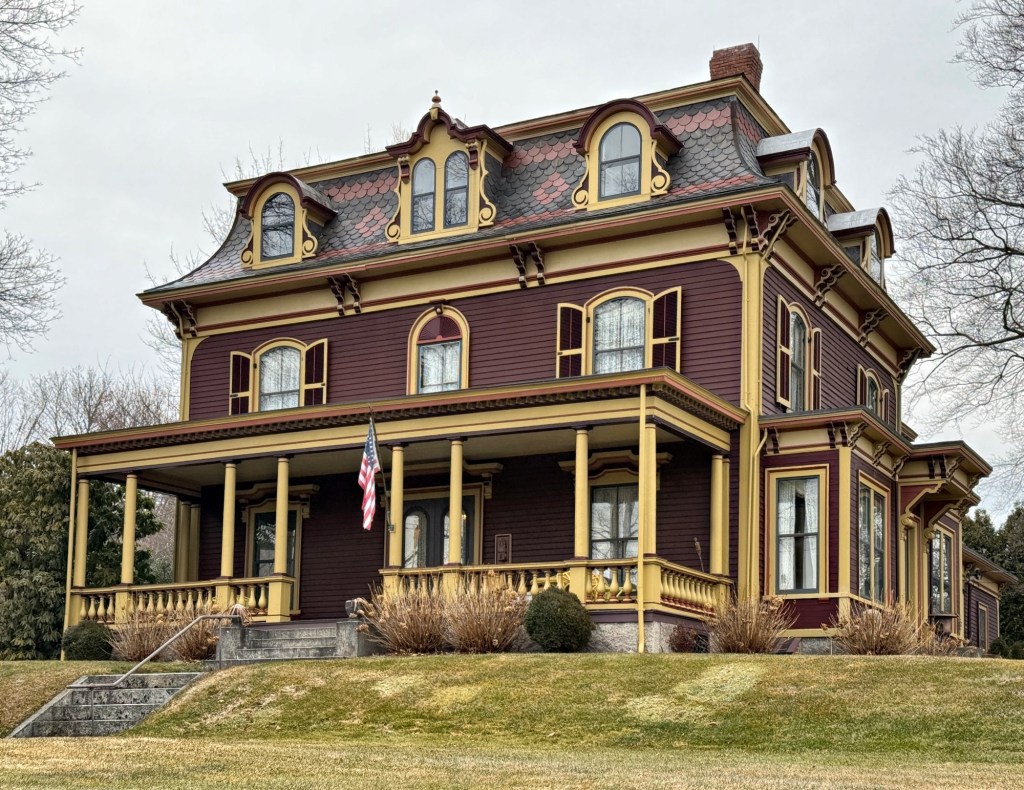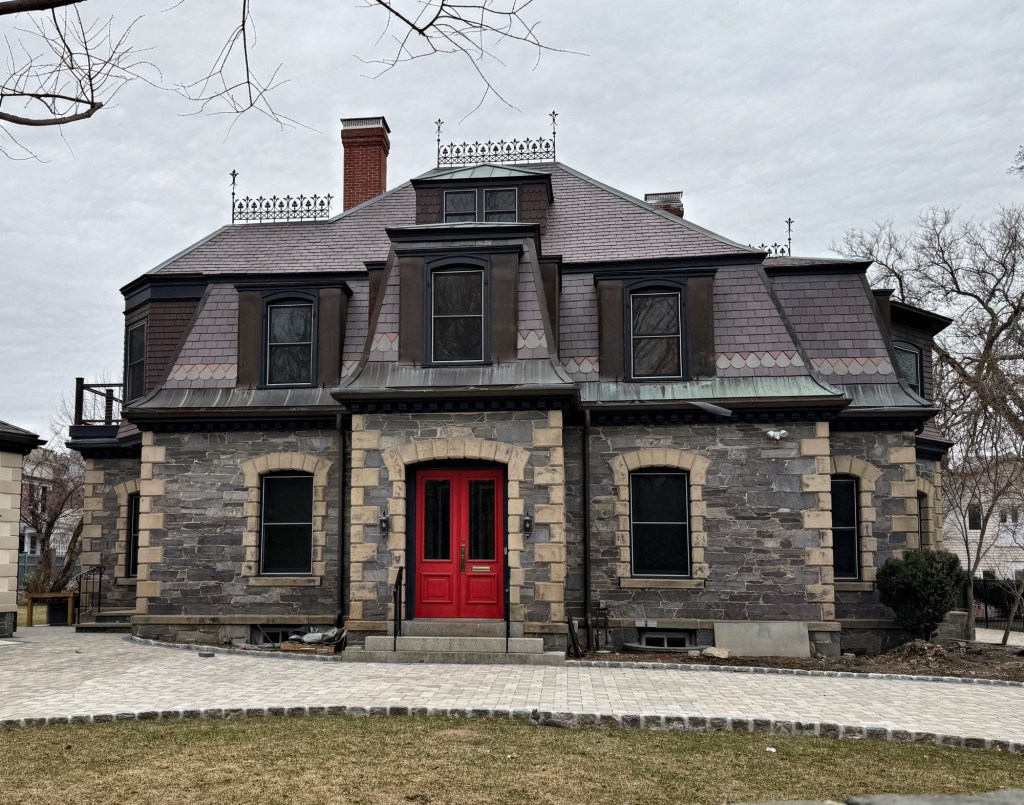
Pickering-Apthorp Houses // 1870

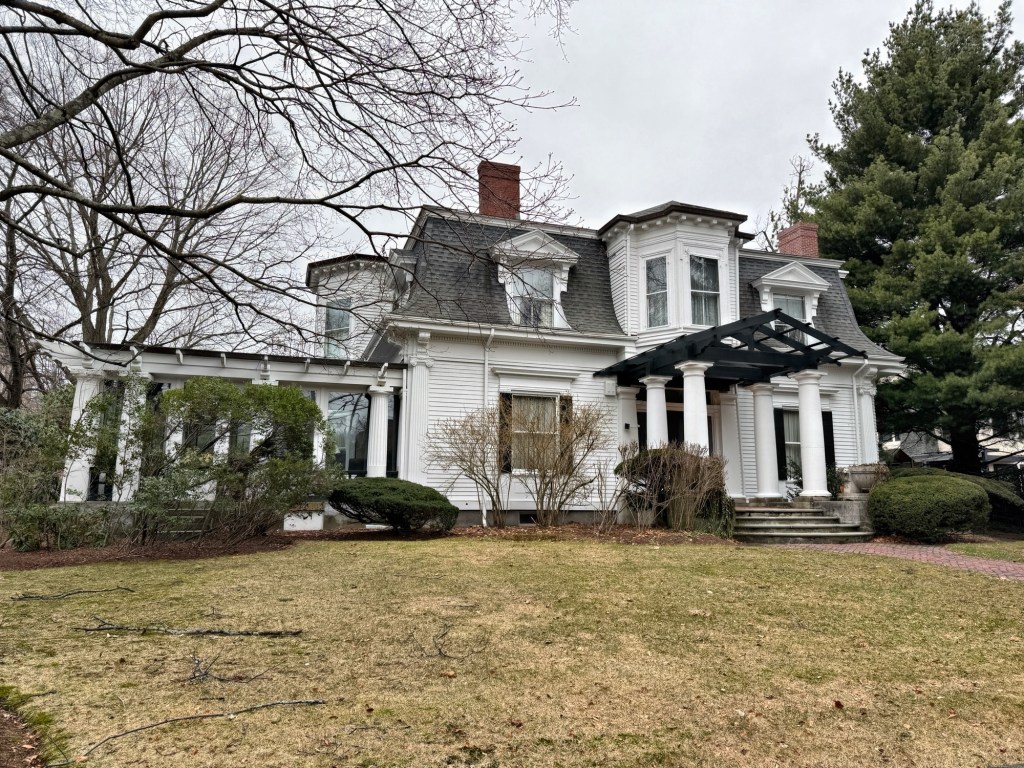
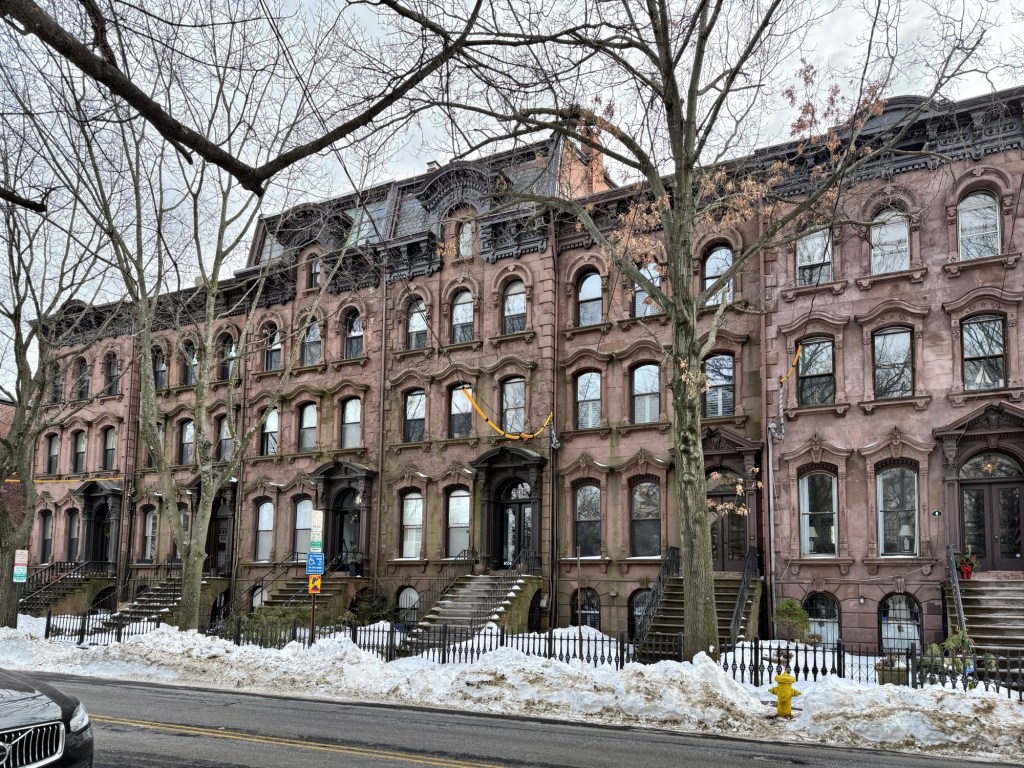
These two near-identical townhouses at 1 & 2 Otis Place in Beacon Hill are significant architecturally and as they are bounded by four streets. The unique lots were created when Otis Place was laid out on made land in 1869 and were built the following year as an identical pair sharing a party wall and with their front facades facing south on Otis Place. The two residences were designed by the firm of Ware and Van Brunt, who blendedSecond Empire and Victorian Gothic styles with gothic arched windows, bracketed cornices, slate mansard roof, and later Colonial Revival porticos added in 1916 by architect, Frank A. Bourne. No. 1 Otis Place (right side with the oriel bay window) was first owned by Henry G. Pickering, a dealer in engines and machinery at the height of New England’s industrial revolution. No. 2 Otis Place (left with later fanlight entry), was originally owned by Robert E. Apthorp, an attorney and realtor, who decades earlier, was an active member of the Boston Vigilance Committee, the group established to harbor and assist fugitives from slavery after the passage of the Fugitive Slave Act in September 1850.

Martin-Ware House // 1872

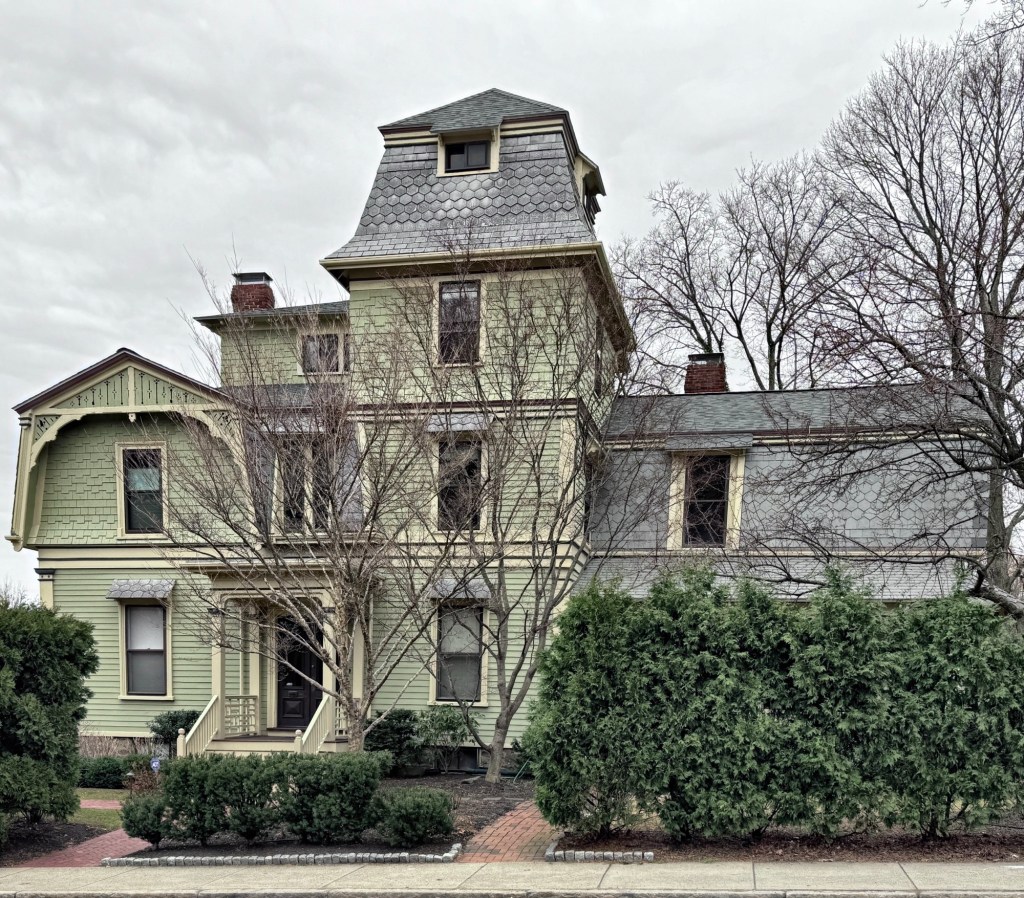
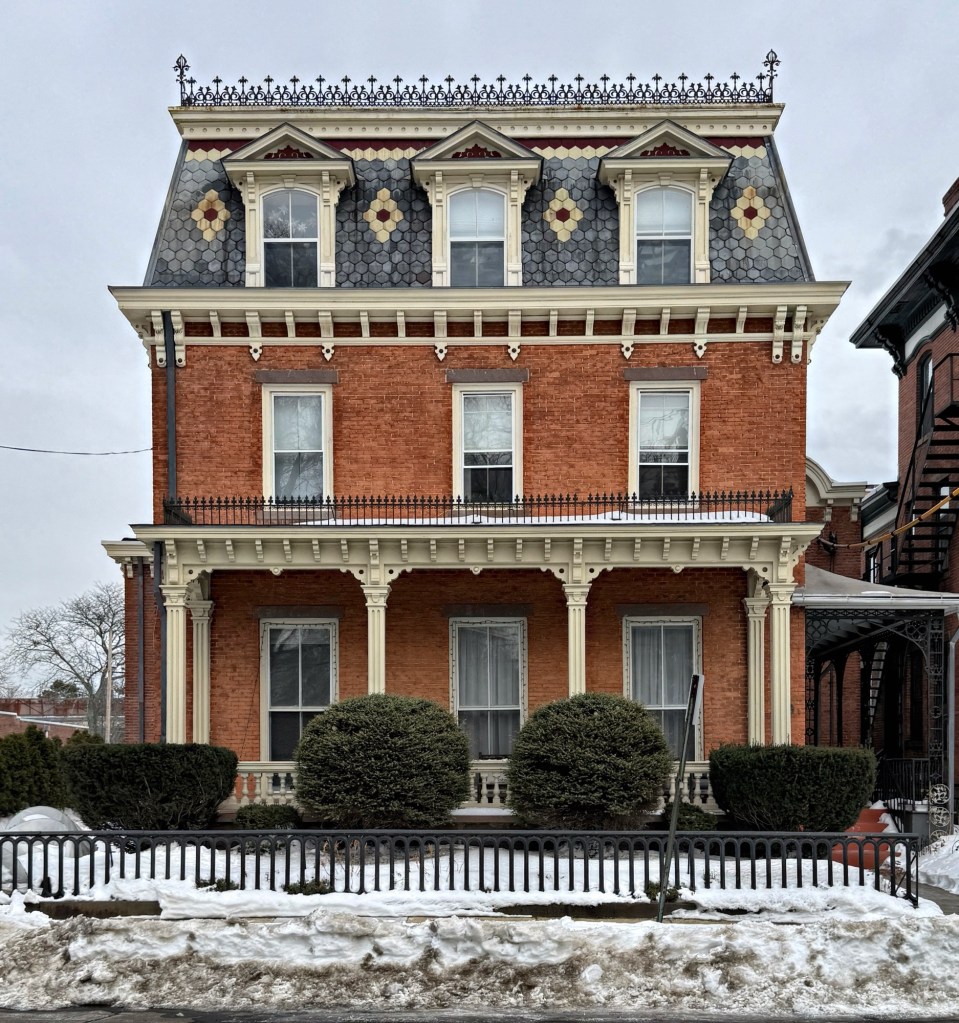
One of the most interesting houses in Beacon Hill is this unique Second Empire style townhouse with towering two-story mansard roof at 3 Otis Place/49 Brimmer Street. When walking around Boston and exploring other cities, it is always fun to delve into research and learn about the built environment and the stories that brought these places to be! This residence was constructed in 1872 on land that was filled here between 1867 and 1869 formerly occupied by the Charles River. Creating the land at and around Otis Place was one of a series of responses to the need for more physical space in Boston and to cover the pollution of the Charles River along the West End and what would become the Back Bay. The houses at 3-4 Otis Place were originally owned and designed by architect, Abel C. Martin, who resided next door to the topic of this post until his death. In the early 20th century, this house was owned by Charles Eliot Ware Jr. a publisher, who in 1929, hired architect, Charles Greely Loring to add the copper-clad oriel window on the north elevation and elevate the mansard roof to create the unique two-story mansard. The old Martin-Ware house has been apartments since at least the 1960s.

Samuel and Emily Eliot Rowhouses // 1871

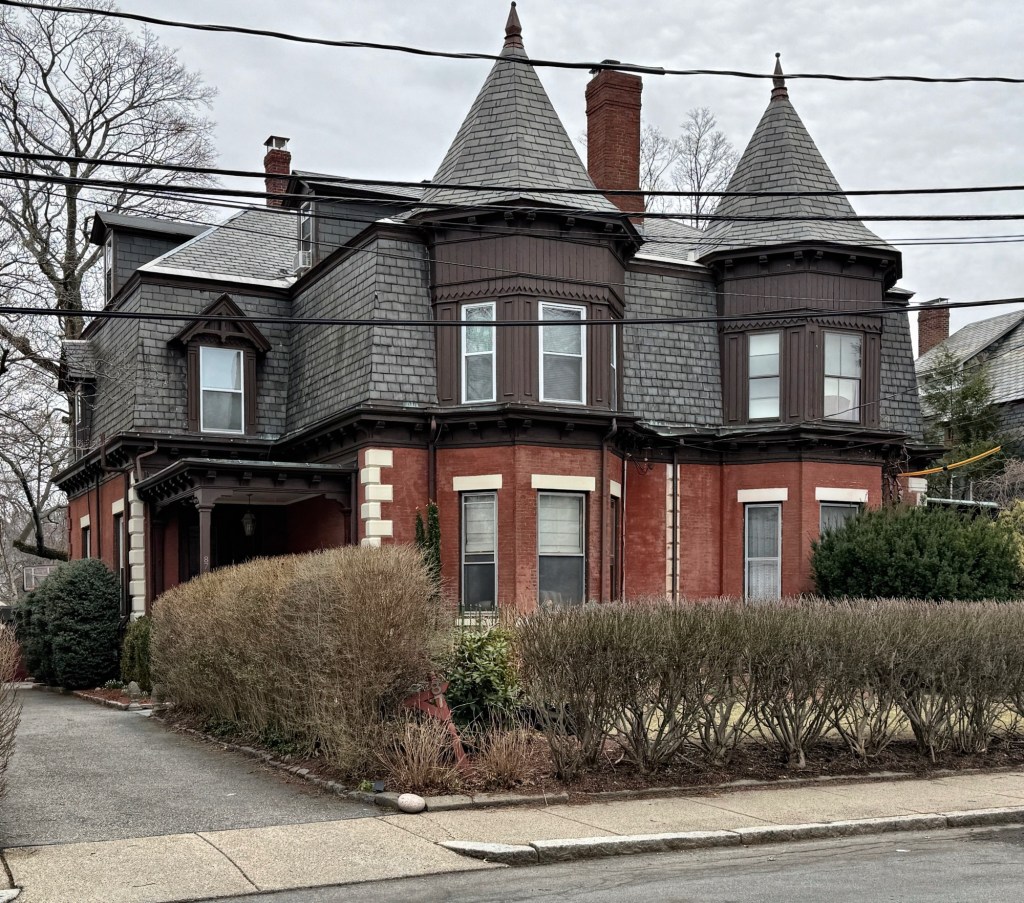
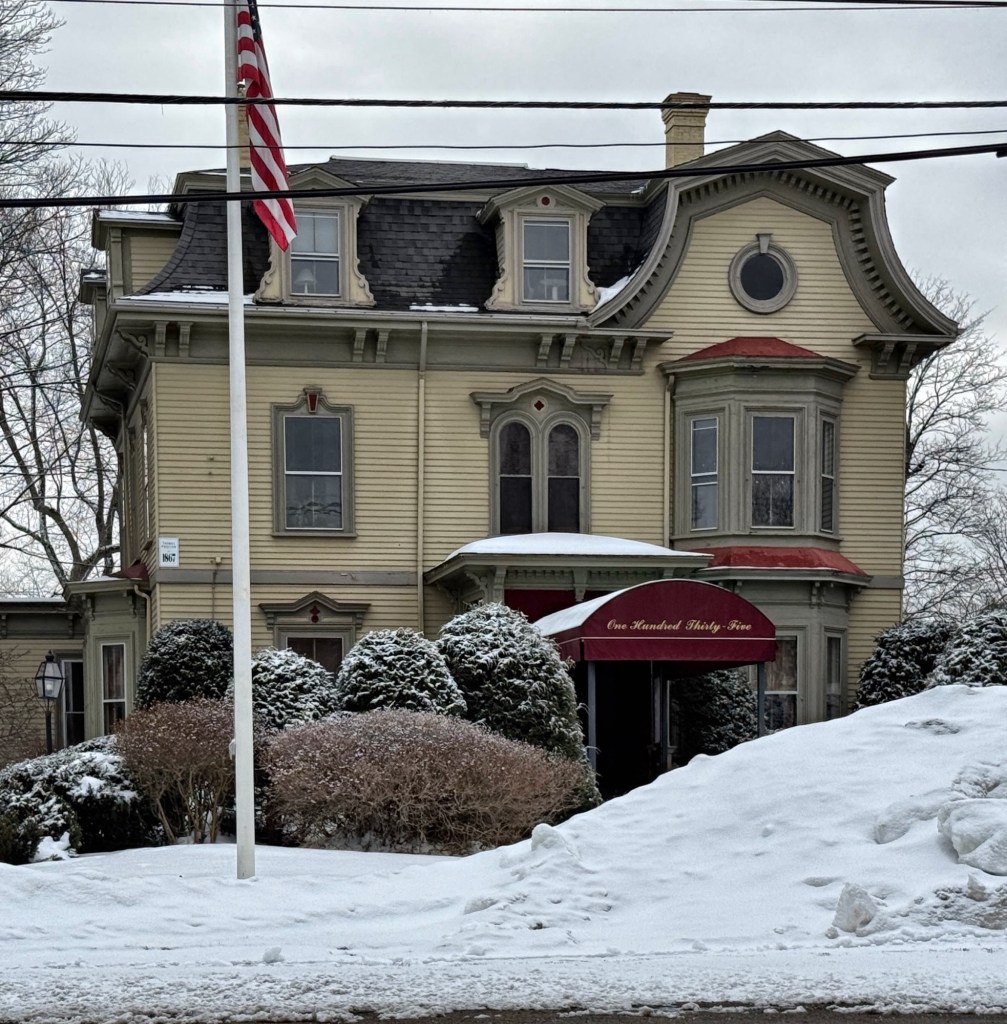
These three identical three-story houses at 156, 158 & 160 Mt. Vernon Street in Beacon Hill Flat were built in 1871 as income producing properties for Samuel and Emily Otis Eliot who lived next door on the corner of Brimmer Street. The architect is not evident from my research, but they were likely designed by Abel C. Martin, who furnished speculative housing for the Eliot’s elsewhere in the neighborhood. All three residences feature brick facades with off-center recessed entries on raised stoops. The use of brownstone lintels and sills, decorative brick cornice, and second-story hexagonal oriel windows add intrigue to the design, along with the slate mansard roofs. The three houses were sold or rented and all were owned by various families, but notable owners of the central house include the architect George Russell Shaw (1848-1937) of the firm Shaw and Hunnewell through the early 1900s. Later in the 20th century, the house was owned by Kevin White (1929-2012), who served as the mayor of Boston for four terms from 1968 to 1984.
All three residences are well-preserved and look much as they did when constructed over 150 years ago.

Charles and Elizabeth Ware Mansion // 1870

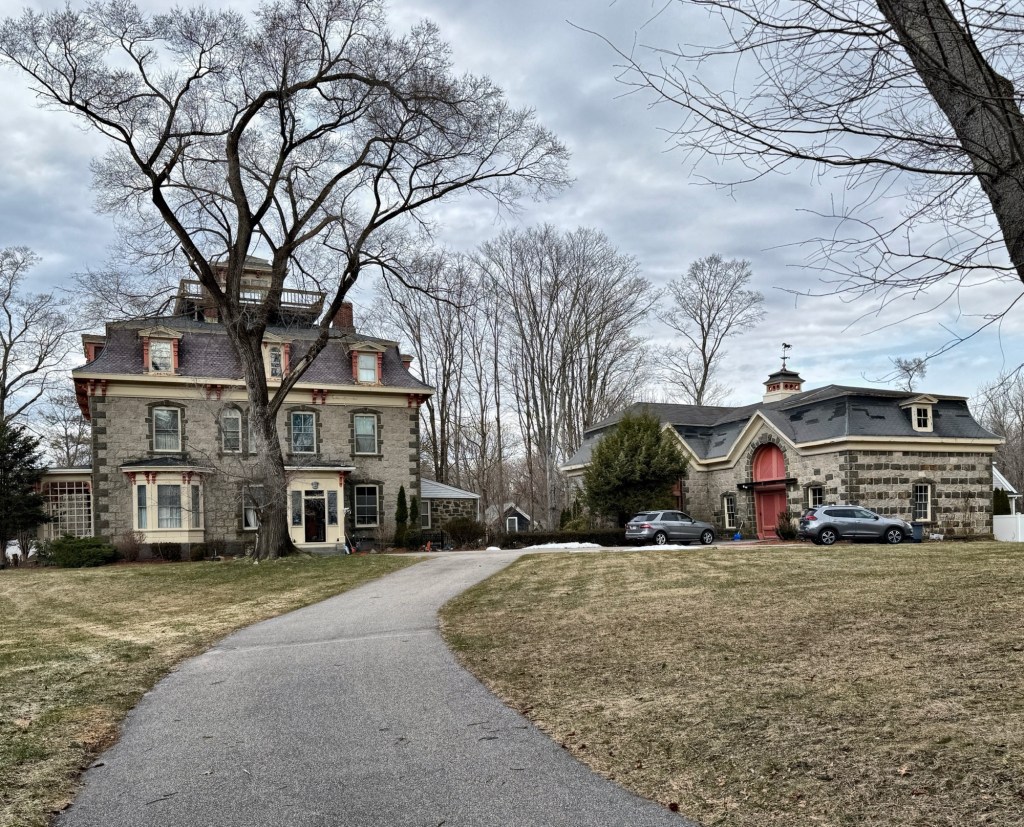
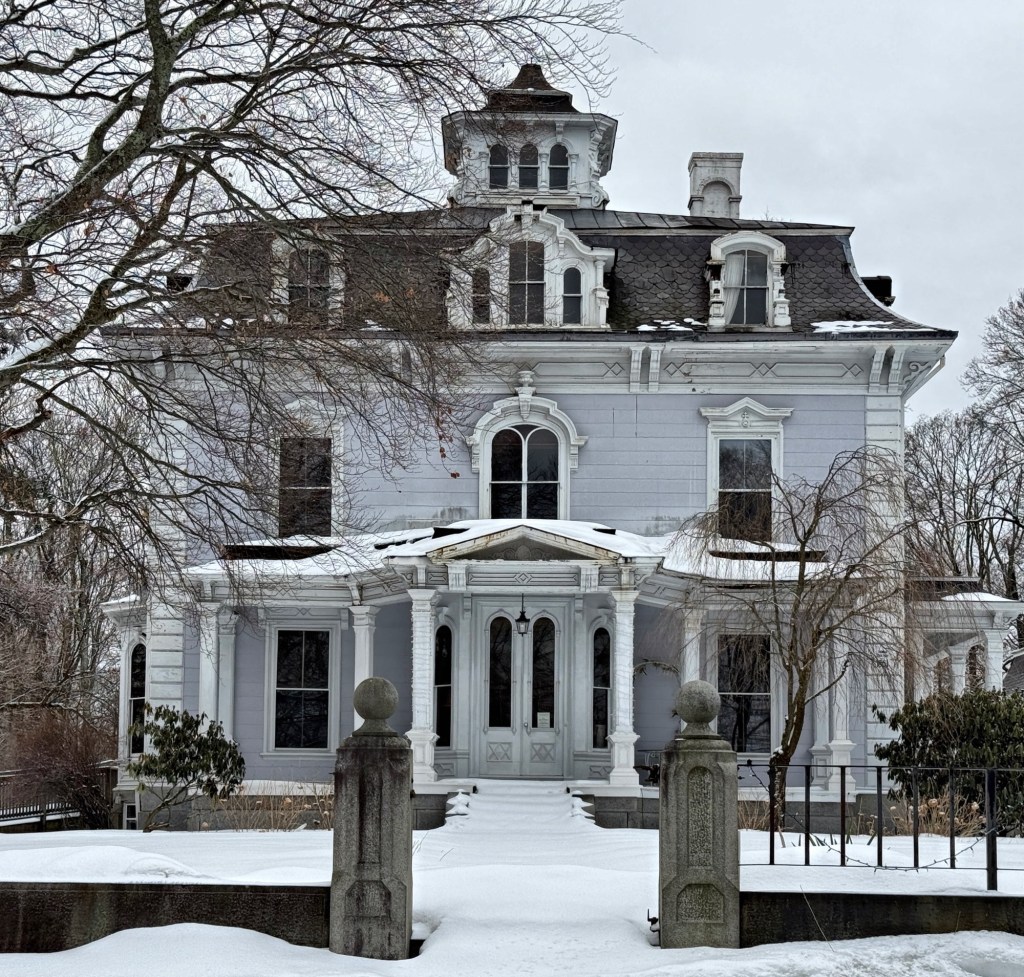
Located at the corner of Brimmer and Mount Vernon streets in Beacon Hill, this stately mansion showcases the various architectural styles and methods utilized by architects in the waning decades Victorian-era Boston. Set atop a brownstone base, the floors above are in the “Panel Brick” style, which utilizes brick masonry in a variety of decorative patterns of slight projecting or receding panels. The style was popularized by the Boston architectural firm of Ware & Van Brunt, as noted by architectural historian, Bainbridge Bunting. As expected, this house (and the attached townhouse next door) was designed by William Robert Ware for his uncle, Dr. Charles Eliot Ware (1814-1887) and his wife, Elizabeth Cabot Lee Ware. Dr. Ware was a physician at Massachusetts General Hospital and secretary of the Massachusetts Medical Society. After the death of Dr. Ware and Elizabeth, the property was inherited by their daughter, Mary L. Ware (1858-1937), a naturalist and botanist who was the principal sponsor of the Harvard Museum of Natural History‘s famous Glass Flowers. After the death of Mary, the property sold out of the family to Robert Wales Emmons III, a financier from a yachting family. The mansion remains in a great state of preservation, and is among the great Victorian-era residences in Beacon Hill.

Simmons House – Japanese Relocation Hostel // 1856

Together with its two neighbors to the south, this townhouse at 6 Walnut Street represents the development of the South Slope of Beacon Hill in the second half of the 19th century, when larger estates continued to be carved up for housing, typically in the Italianate/Second Empire styles. Built in 1856, this residence was constructed on one of the last undeveloped lots in the area and was originally owned by George W. Simmons. Simmons was the owner of a well-known clothing emporium at Oak Hall, North Street, where he sold all kinds of ready-made clothing for men, including that needed by sailors, as well as sets of clothing for those headed for the California gold fields. His business was renowned also for its ambitious and creative advertising campaigns. Simmons died in late 1882, leaving this property to his heirs who sold the property. After successive ownership, the residence was converted to a boarding house during the Great Depression and rented out to families who could no longer afford the large single-family dwellings in the city. After WWII, in 1945, the boarding house was converted into the first Relocation Hostel for Japanese Americans in New England. The mission of the Relocation Hostels was to provide temporary lodging and career guidance to Japanese Americans who had been uprooted from their homes because of unfounded accusations of sabotage during World War II. Massachusetts joined New York, Pennsylvania, Illinois, and other states in establishing these hostels. Today, the residence is a four-unit condominium. 

Tebbetts-Bowditch House // 1856

The townhouse at 4 Walnut Street in Beacon Hill is among the most architecturally unique buildings in the neighborhood. The main facade consists solely of a bowed front, which contains a deeply recessed entry to the side. To the right of the entrance, a later tripartite window exhibiting Queen Anne/Colonial Revival multi-pane sash pierces the southern half of the bow front.  At the third story, a massive wooden oriel window projects over the street below and contains a window set within a recessed panel. Above, the mansard roof ties in with its neighbor. The residence was built in 1856 and purchased by William C. Tebbetts, a dry goods merchant who was partner in a Downtown firm. By 1890, the residence was owned for a short period by Ernest W. Bowditch (1850-1918), a celebrated landscape architect and engineer. By the 1930s, the property became a boarding house, primarily for single women and widows. Today, the former single-family home contains eight apartments and from the exterior, presents some Victorian flair and quirkiness not commonly seen on the South Slope of Beacon Hill. 

Henry S. Grew Townhouse // 1856

Built in 1856, the townhouse at 2 Walnut Street is a unique Second Empire style townhouse erected on one of the last undeveloped lots on the South Slope of Boston’s exclusive Beacon Hill neighborhood. The three-story, brick residence is capped by a mansard roof and its facade is dominated by a full-height octagonal bay, which at the center on each floor, is a recessed brick panel in lieu of windows. The property was originally owned by Henry Sturgis Grew (1834-1910) a real estate developer and politician who split his time between this residence and a large estate called Grew’s Hill, that grew to several hundred acres and contained an active farm, part of which was later incorporated into Stony Brook Reservation. Henry Grew’s daughter, Jane Norton Grew, would go on to marry John Pierpont Morgan Jr. (J. P. Morgan) in 1890. The Grew House was modernized in the 20th century with a Classical door surround, but otherwise, it maintains the appearance of when it was built in 1856. 

Isaac Rich House // 1846

The Lindens neighborhood, located just east of the civic and commercial core of Brookline Village, was long an apple and cherry orchard known as Holden Farm. Beginning in 1843, the area became the earliest planned development in the town and was laid out as a “garden suburb” for those wishing to escape the growing congestion of Boston. As originally conceived in 1843, it reflected the latest ideals of planned residential development for a semi-rural setting on land owned by Thomas Aspinwall Davis. The streets, parks, and house lots here were laid out by civil engineer, Alexander Wadsworth, who two years earlier, laid out plans for Mount Auburn Cemetery in Cambridge, the first “Rural Cemetery” in America. Early homes were built on speculation by John F. Edwards, an architect-builder, for Davis, who was strict about high-quality designs in the Greek and Gothic revival styles in his newly laid out neighborhood. This house on Linden Street was built in 1846 in the Greek Revival style and was purchased upon completion by Isaac Rich. Isaac Rich (1801-1872) was a prominent merchant and philanthropist and founder of Boston University. The house was modernized in the 1860s with the addition of a mansard roof and paired windows.

Toussaint House // 1879

In 1879, furniture-maker and amateur architect, Winand Toussaint (1826-1904), built this unique mansard roofed house at 203 Aspinwall Avenue in Brookline Village. Toussaint was born in Belgium, and immigrated to the United States about 1841, where he originally settled in Roxbury and operated a cabinetmaking business. Toussaint moved from Roxbury to Brookline about 1873, but lost his fortune in the Panic of 1874. After a few years, he found work and eventually purchased a house lot here, and designed and built this home in 1879. Winand was born into a family of architects and engineers in Europe with his grandfather being Jean Lambert Toussaint of Liege, an architect who reportedly built the first railway introduced in Belgium. He is said to have studied in France and Italy before working in furniture-making in the United States. He maintained a professional office from his Brookline house until his death in 1904. After his death, the family home was inherited by daughter, Emma Toussaint, who was unmarried and worked as a linguist and writer under the name “Portia”. The charming Toussaint House blends Second Empire and Stick styles with unique beveled corners, one of which contains the main entrance, and a belvedere at the crest of the mansard roof. Due to its unique architecture, the Toussaint House was individually listed in the National Register of Historic Places in 1985.

Damon-Griffin House // 1869

The Damon-Griffin House at 92 Commonwealth Road in Wayland, Massachusetts, is one of the exemplary buildings constructed in the Cochituate village in town, which prospered in the 19th century and centered around industry. This stately Second Empire style mansion is sited on a rise in the land overlooking Lake Cochituate and was completed in 1869 for George A. Damon (1826-1885), a wealthy businessman. George Damon died in 1885, and the house was sold to Wallace Griffin, one of the Griffin brothers who worked for the Bent Company, a prominent local shoe manufacturer. In 1890, Noble Griffin bought the house from his brother and, as his business prospered, proceeded to fix up the house as the showplace of a successful shoe manufacturer. In the mid-20th century, the Damon-Griffin House became a funeral home, and later was purchased by a developer who subdivided the land to build a suburban-style development of detached homes behind the house, and constructed an addition to the rear with more condominium units.