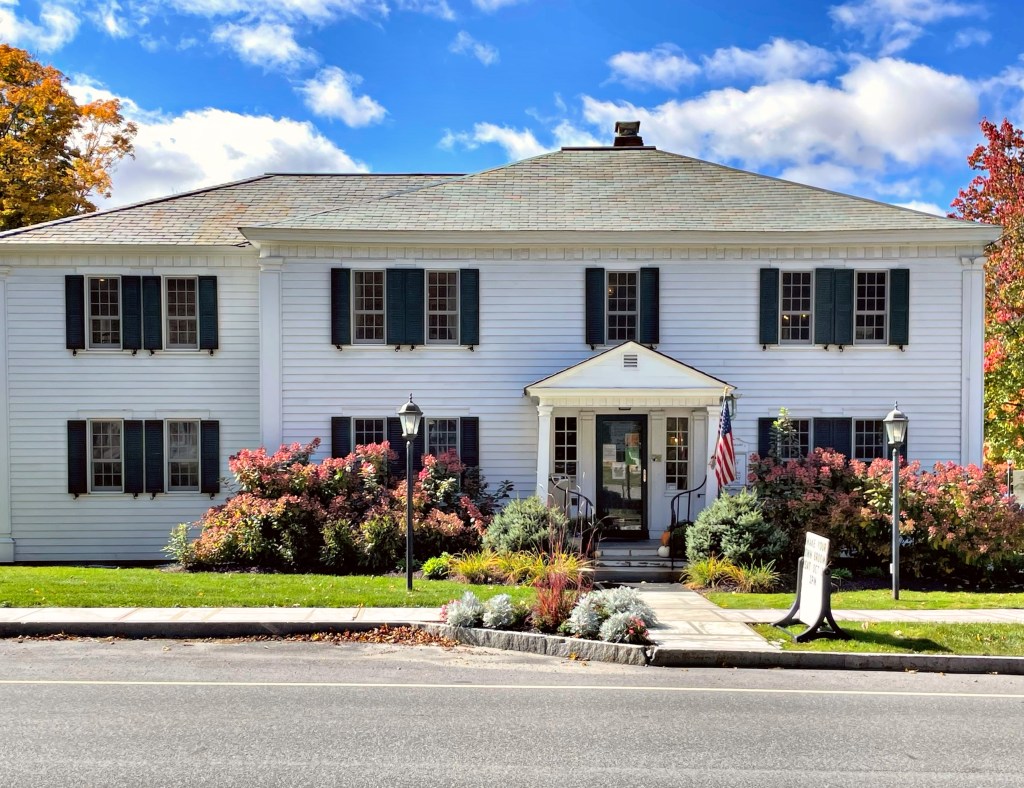
One of the oldest continually operating inns in America, the Dorset Inn remains a visual and historical anchor to the charming little village of Dorset, Vermont. The Federal period building was historically known as the Hodges Hotel before becoming The Washington Hotel in about 1858 (the porch was added at that time to make it resemble George Washington’s Mt. Vernon home). The name became the Dorset Inn in 1904. As constructed in 1796, the main block possessed a five-bay facade arranged symmetrically around a central entrance; an 1858 extension added two bays on the west, when it was modernized. Though the inn has seen changes and modernizations over time, the building has such a historic character that brings in people from all over the country to experience the best of Dorset every year.
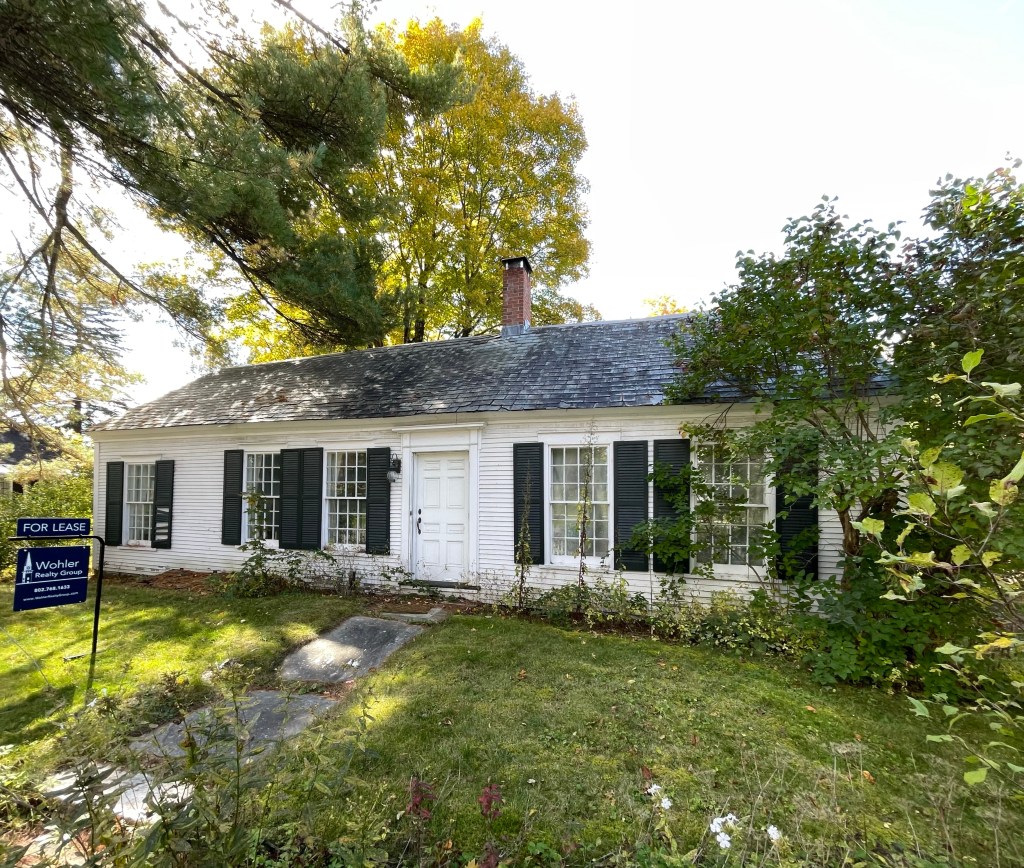
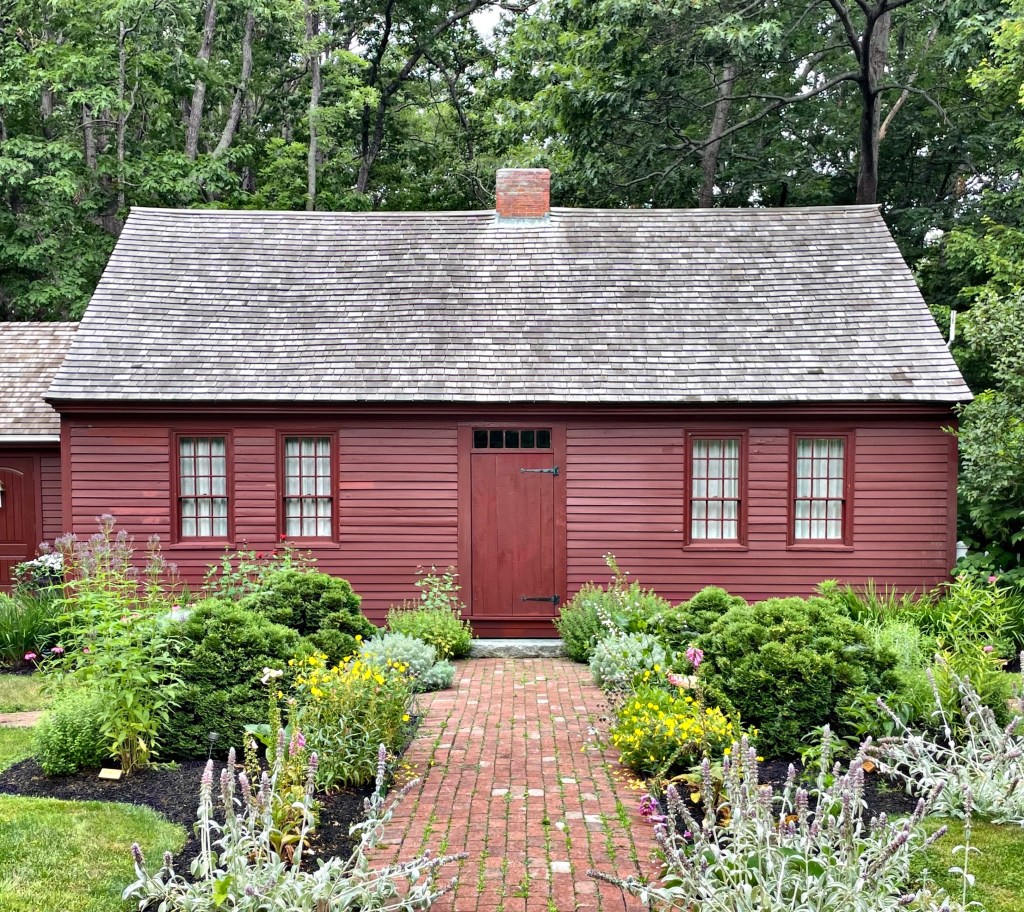
One of the oldest extant houses in Dorset, Vermont, this gorgeous Federal Cape house adds so much charm to the village. The house is possibly the homestead of James Abel Hodge (1756-1826) who settled in Dorset from Connecticut after serving in the Revolutionary War. Hodge settled in the town when it was but wilderness, opening up a store in the village and helping the infant township grow into a thriving marble manufactory. This house was later owned by stonecutter I. W. Dunton and after, by “Grandma” Annette Weeks (1841-1925). Like many Cape houses, it probably evolved, adding wings to the right and left as the family inside grew.
Dorset, Vermont is one of the most beautiful villages in New England and is often overlooked and rarely featured by “influencers” and blogs compared to nearby Manchester or Woodstock, which get all the love. This building in Dorset Village was built around 1800 and was constructed by John Gray, who kept a tavern here the early 19th century. The tavern was eventually sold out of the Gray family and was donated by Bernard G. Sykes to the Town of Dorset as the village’s library. It was originally known as the Sykes Memorial building so-named as a memorial to Bernard’s late parents, Lydia and Gilbert Sykes. The former tavern was renovated, giving it the Colonial Revival detailing and addition.
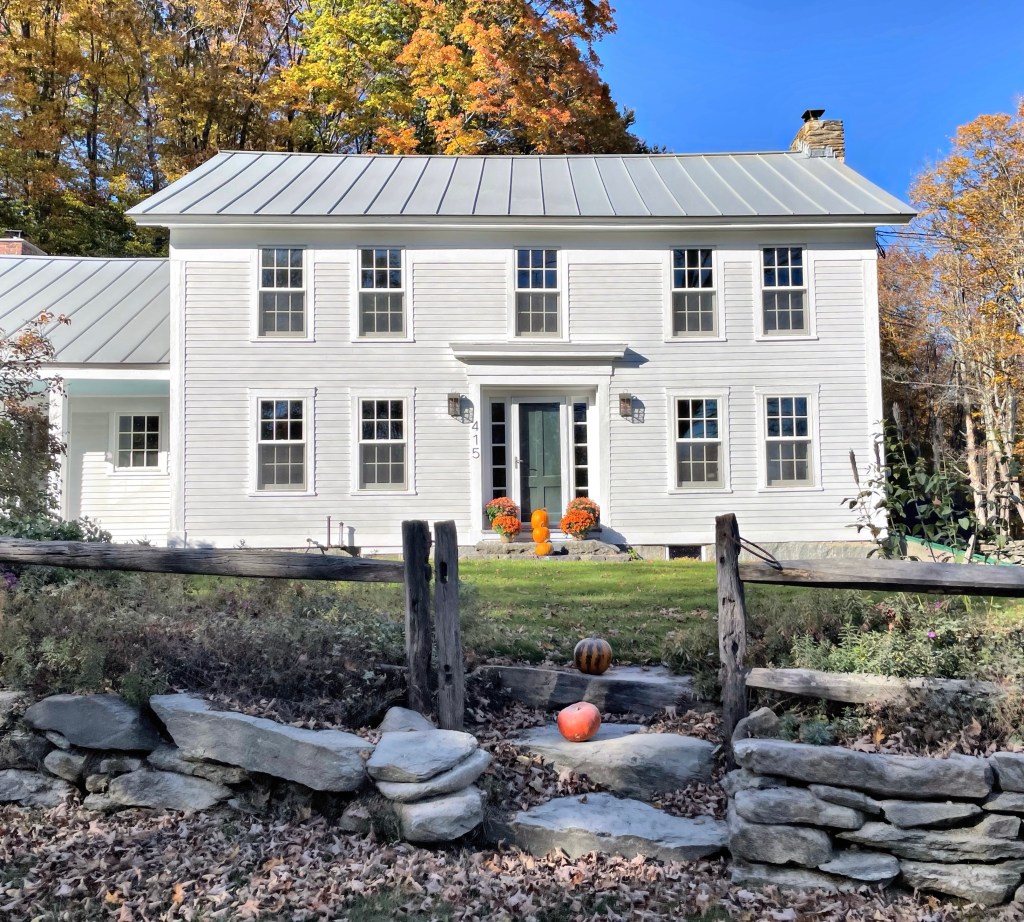
Welcome to Peru…Vermont. The town of Peru sits in Bennington County, adjacent to the previously featured town of Landgrove. Peru was chartered with the name Bromley in 1761 by Benning Wentworth, governor of the Province of New Hampshire as one of the land grant towns in the former hinterland of present-day Vermont. By 1804, the name of the town was changed to Peru. The new name was adopted to attract more people to the town by associating it with the South American province of Peru, which was considered to be a place of great wealth (wishful thinking). This house on the western edge of the village was built c.1820 and significantly modernized since then. The original log house here was built c.1804 by Joel Adams. The home was modernized to the present five-bay facade by the 1820s-30s and operated as a double-house for Joel and his son Joel Adams Jr. The property was also inhabited by Everett Adams, Joel’s grandson, who briefly served in the Civil War.
Sitting on the banks of Utley Brook, which meanders through the Clarksville village in Landgrove, Vermont, you will find this gorgeous Cape home in a perfect yellow color (seemingly to blend in with the turning leaves every Fall). The home dates to the early 19th century, possibly earlier, and was owned by the Harlow Family, who operated a saw mill across the street. The house was listed for sale in 2019 and is absolutely stunning inside and out!
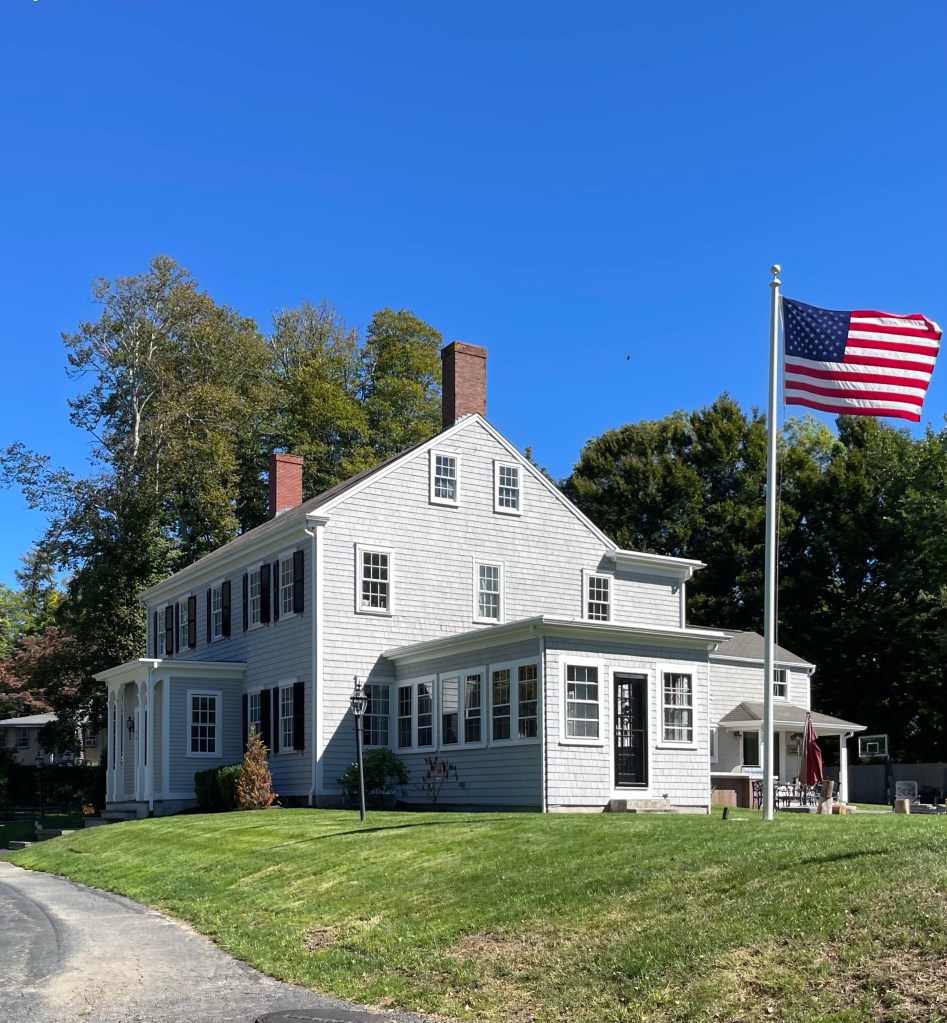
Landgrove, like many other rural towns of Vermont, has seen a lot of investment from out-of-state residents who pick up historic farm properties and renovate them. This is a great thing for many, as with investment comes tax-dollars and preservation of these historic buildings. On the other side, it prices out many who have grown up in these rural towns. Many villages and regions in Vermont have strict zoning which limits density, to maintain the character and charm of these back roads. Another Catch-22, as more housing (especially multi-family) means lower costs for limited available housing, but it can adversely impact what makes these rural towns so enchanting. Anyways, here is a beautifully restored Federal house!
In the early years of the establishment of the settlement of Landgrove Vermont, Joshua Dale 1765-1845) moved to the newly incorporated town and built this large farmhouse on the south-facing slope of a mountain. With strong ties to nearby Weston, he tried to make a life in the new town of Landgrove, serving as a selectman, but he and his family moved back just four years later. The property was purchased by Obadiah Pease (1766-1830) who lived here with his wife Achsah and their seven children. The farm was eventually willed to their son Elihu, who did very well farming the property during his ownership (1830-1857). In 1842, he was the third-richest man in town at just 39 years old. From 1855 to 1857 he farmed only half the farm and a Shrewsbury man, Dexter R. Way, farmed the rest. At age 54, Elihu sold his farm to Dexter Way and left Landgrove to Wisconsin. After successive ownership, the farm was bought in 1933 by Nelson and Elizabeth Bigelow, for $1,500! The property included 200 acres of land, a dilapidated farmhouse and two decrepit barns. For the following seven years the land was gradually brought under control and the house restored, but the barns were unsalvageable. This homestead is a lasting example as to what a little faith and hard-work can accomplish, bringing what is seen as a tear-down up to one of the nicest homes in the area!
In 1832, Sylvanus B. Phinney purchased land on Main Street in Barnstable Village, building a home two years later. He never lived in the home and rented it to friends. The house was purchased in 1850 by 25-year-old Peter Pineo after he graduated from Harvard Medical College. During the Civil War, he worked with Clara Barton, founder of the Red Cross, and after the Civil War, in Hyannis, Pineo started a hospital for sick and disabled seamen. The home transferred hands many times throughout the remainder of the 19th and 20th centuries, with slight changes in almost its 200 year history. It has been owned by the Barnstable Historical Society since 2012.
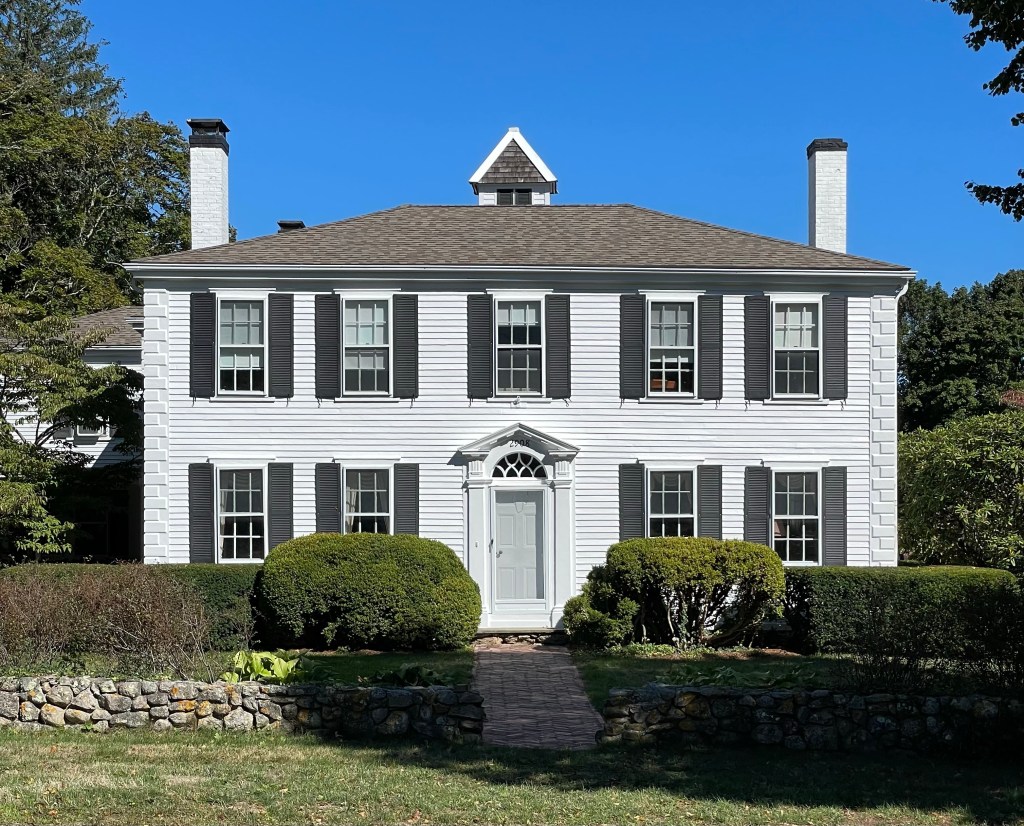
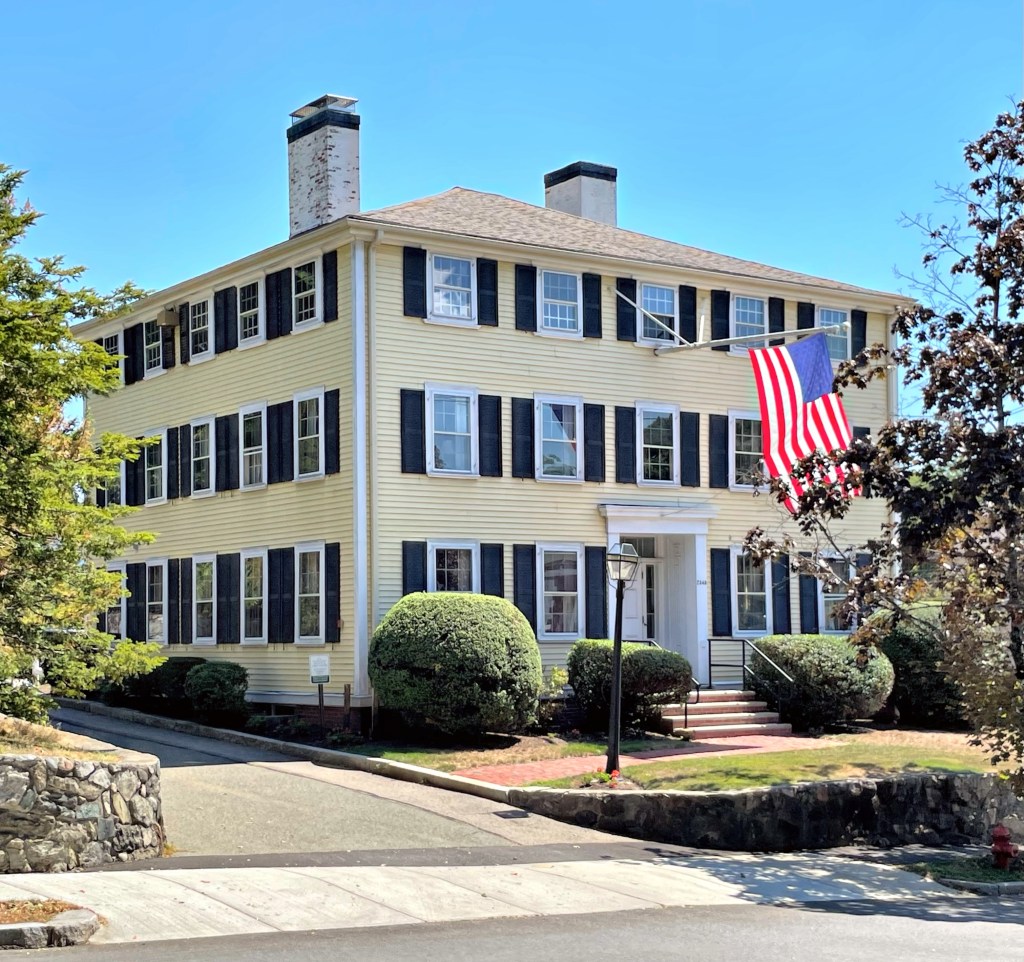
This large, Federal period home in Barnstable Village was built around 1807 by Deacon Timothy Phinney (1746-1838), a merchant and member of the Whig Party as a State Senator and supporter of the Revolution. He lived into his nineties and fathered twelve children. The Phinney House was purchased by Daniel Carpenter Bacon, a prominent merchant who was born in Barnstable and went off to Boston in 1802 at 14 years old, to sail as a mate on William Sturgis’s ship Atahualpa. He was first mate on the Xenophon, and became its Captain in 1807. He later sailed on Theodore Lyman’s ship and distinguished himself in trade with China and in the Pacific Northwest fur trade, making his fortune. He retired from the seas and sold this house to his brother, Ebenezer Bacon, in 1837. Ebenezer worked locally as the second president of the Barnstable Savings Bank and as trustee of the Barnstable Academy. Upon his death, his widow Phoebe (1797-1882) inherited the house and lived there until her death with her three unmarried daughters. She left the house in her will to their three unmarried daughters, Louisa, Emily and Sarah, stating she knew the other seven children “would understand”. The home has been very well-preserved and is an excellent example of a Federal style mansion on the Cape.
As the Elmendorf family put its roots down in Hurley, Ulster County, New York, the descendants built stone houses as a nod to their ancestors of Dutch heritage, following those building traditions. This five-bay stone house was built around 1789 and is a vernacular Federal home with Dutch and English building influence. The property exhibits shed dormers and a Colonial Revival portico, but exudes 18th century charm.
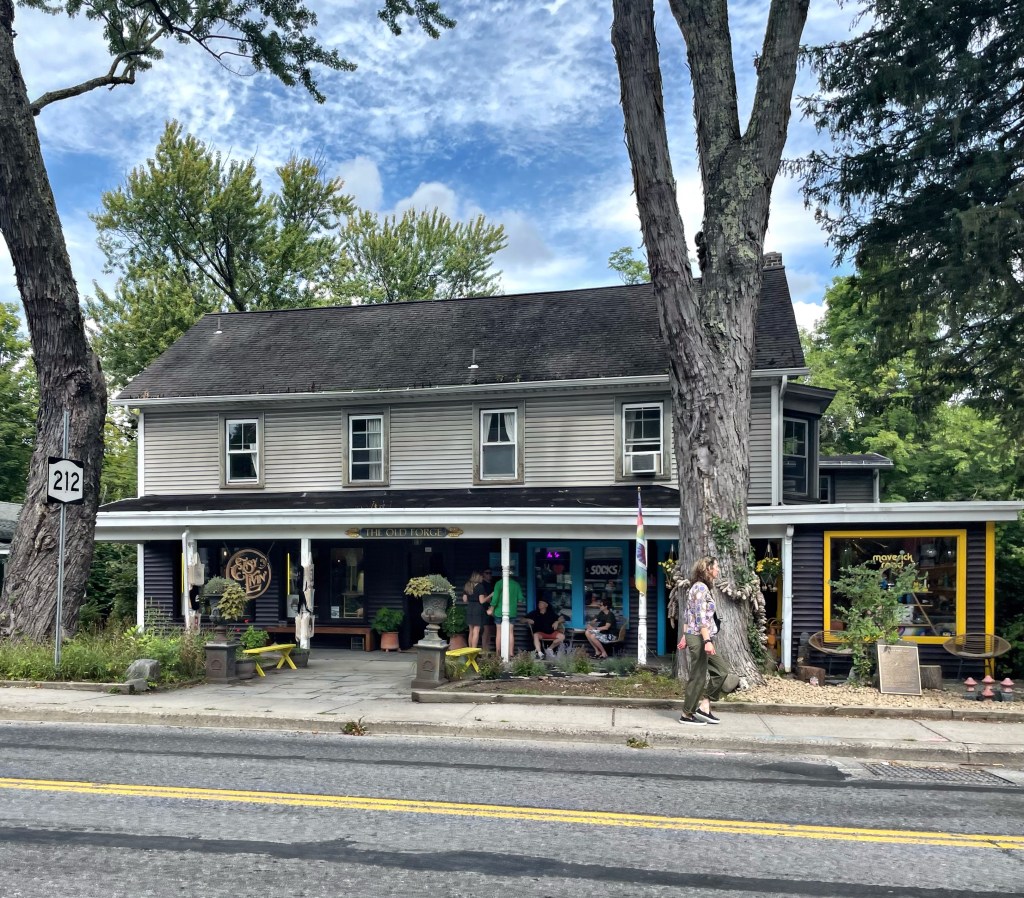
One of the oldest extant buildings in Woodstock Village is the old Tannery Brook House. The building (or a part of it) was originally an old grist mill developed by Isaac Davis and it was later turned into a saw mill. Around the end of the Civil War, the structure was home to the village blacksmith operated by John Wigram Davis, then it was enlarged as a barn for wagons and carriages. Later, owner Peter Longendyke operated a boarding house from the building. Around 1904, the New York Art Students League is believed to have had their first summer art class in the upstairs rooms of the building. In 1935, owner Lamonte Simpkins remodeled it as “The Art Shop”. Upstairs Mr. Simpkins sold clothes, shoes and drygoods, while downstairs The Art Shop and Tannery Brook Garden Flourished. The building was rebranded as the Old Forge House, as a nod to its historic use. It remains a vernacular, and important piece of Woodstock’s rich history from sleepy industrial village to vibrant artist community.
One of the oldest extant houses in the village of Ogunquit Maine is this charming Cape house thought to have been built in the 1780s. The house was later purchased by James Winn (1783-1861) and his wife Philadelphia Maxwell Winn (1785-1855), probably about the same time as the birth of their first child, James Winn Jr. in 1808. Both James Sr. and his son in 1846, launched a 161–ton brig out of Kennebunkport with Captain James at the helm. After several trips James Jr. succumbed to an illness that was aboard the vessel and died at the New York Marine Hospital. Over 150 years later, the house, largely untouched, was seemingly threatened by development pressure on the busy highway. In 1980, the home was donated to the town by then-owner, Phyllis Perkins, and moved nearby to a park on Obed’s Lane. It now houses the Ogunquit Heritage Museum.
Thought to be the oldest extant house in Newton Lower Falls, this historic mansion has seen a lot of change over its nearly 300 years in the village. The house believed to have been built around 1755 by John Parker (1687-1761) for his son Ezra (b. 1731) after his marriage. William Hoogs, a ship carpenter from Boston, took ownership of the house in 1781 from his father-in-law (and boss), Aster Stoddard, who had bought it from the Parker family. William Hoogs was a sole-owner of a paper mill in the village and made a good name for himself. The house was likely modified during this period in the Federal style, with a third floor added. The home was possibly passed to his son, also William, who was written about in papers as fleeing town to Canada with the family maid, who was late in her pregnancy and their two-year-old child together. Hoogs had debtors looking for him. Hoogs had a change of heart and sent for his eight children to live with him in Quebec that same year. Sadly, the ship bringing them up sunk on Lake Champlain and all perished. By 1813, the property was purchased by Samuel Brown of Boston, a wealthy merchant who was a strong financial supporter of Saint Mary’s Church. By 1825, he officially bequeathed the property to Dr. Alfred Louis Baury (1764-1865) rector of Saint Mary’s Church. By 1917, the Lucy Jackson Chapter of the Daughters of the American Revolution operated it as a chapter house and a museum for antiques. In 1971, the Newton Redevelopment Authority bought the property and sold it to a developer for conversion into office space, it was rotated 90 degrees to face Concord Street at this time.
Located next to the John Wright House (last post), this gorgeous 19th century home blends the Federal and Greek Revival styles elegantly under one roof. The house was likely built in the 1830s when the Federal style was waning in popularity and the Greek Revival style was THE style for houses and churches in New England. By 1850, the property was owned by William T. Haskell.