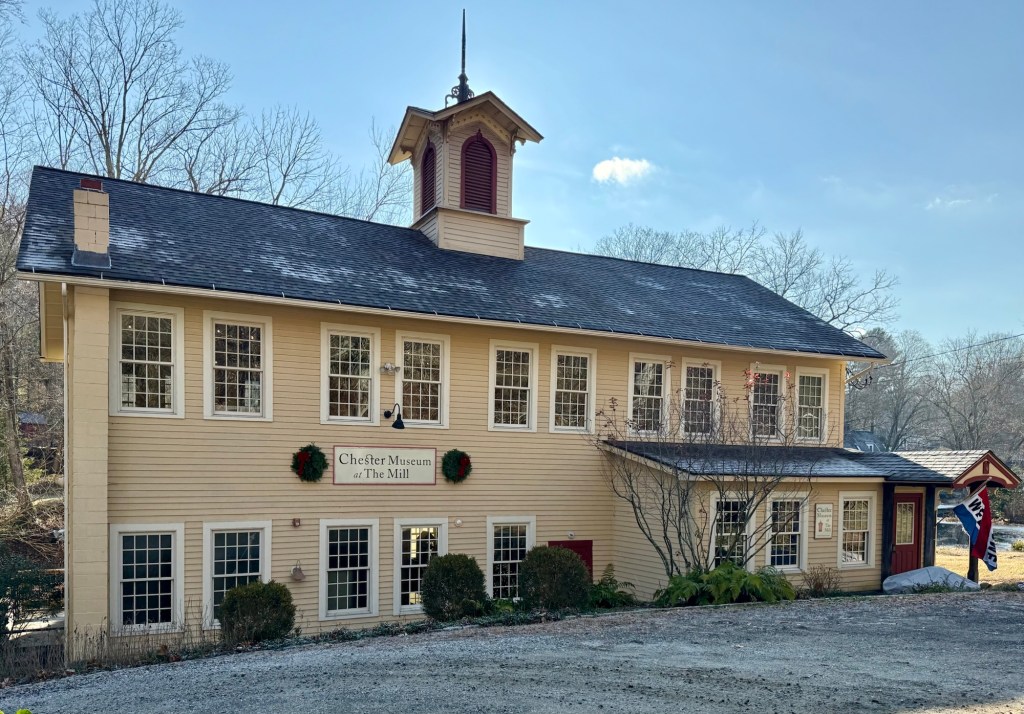
C. L. Griswold Mill // 1850

Tucked away on the banks of the Pattaconk Brook in Chester, Connecticut, this mid-19th century industrial building contributes to the town’s vibrant industrial past. Built in 1850 by Charles L. Griswold (1822-1901) the mill ran on water power and originally produced auger bits, wood screws, corkscrews and other light hardware under the name Chester Manufacturing Company, before closing in 1919. In the early-mid 20th century, the building was occupied by the Solar Masonic Lodge No. 131, who renovated the building and removed all the original factory equipment. The National Theatre of the Deaf bought the building in 1983 and restored the original openings, using the building for rehearsal space and small performances until the theater company moved to Hartford in 2000. With its future uncertain, the old Griswold Mill was purchased by the Chester Historical Society, who opened it as the Chester Museum at The Mill in 2010.

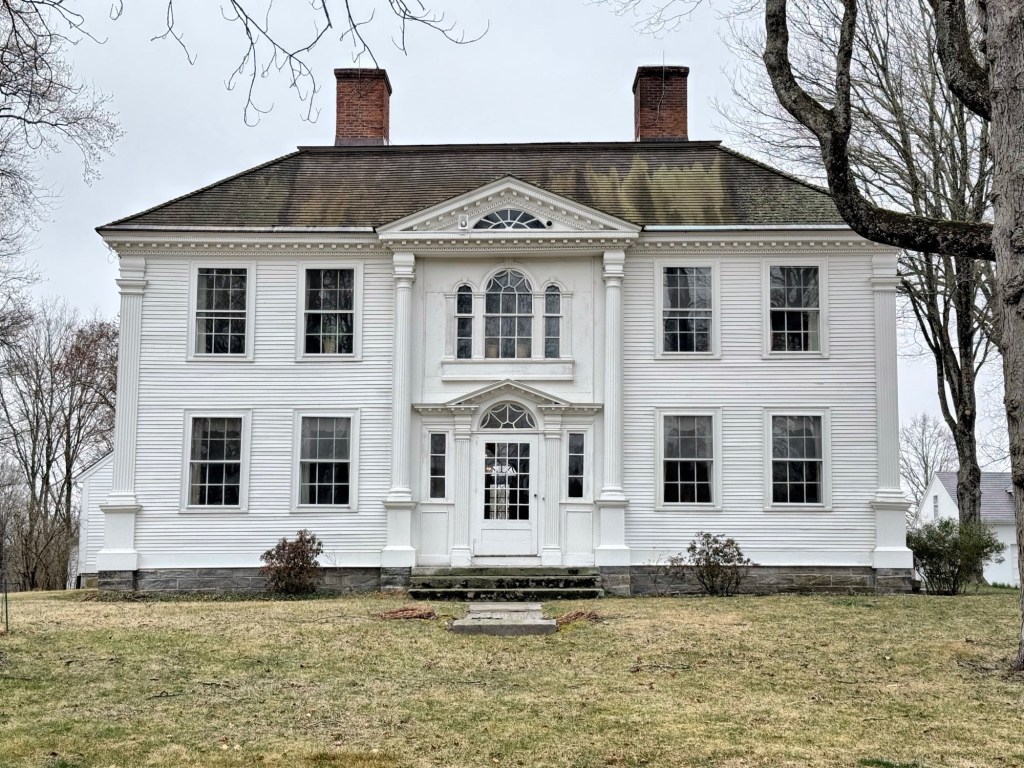
Captain John Clark House // 1802

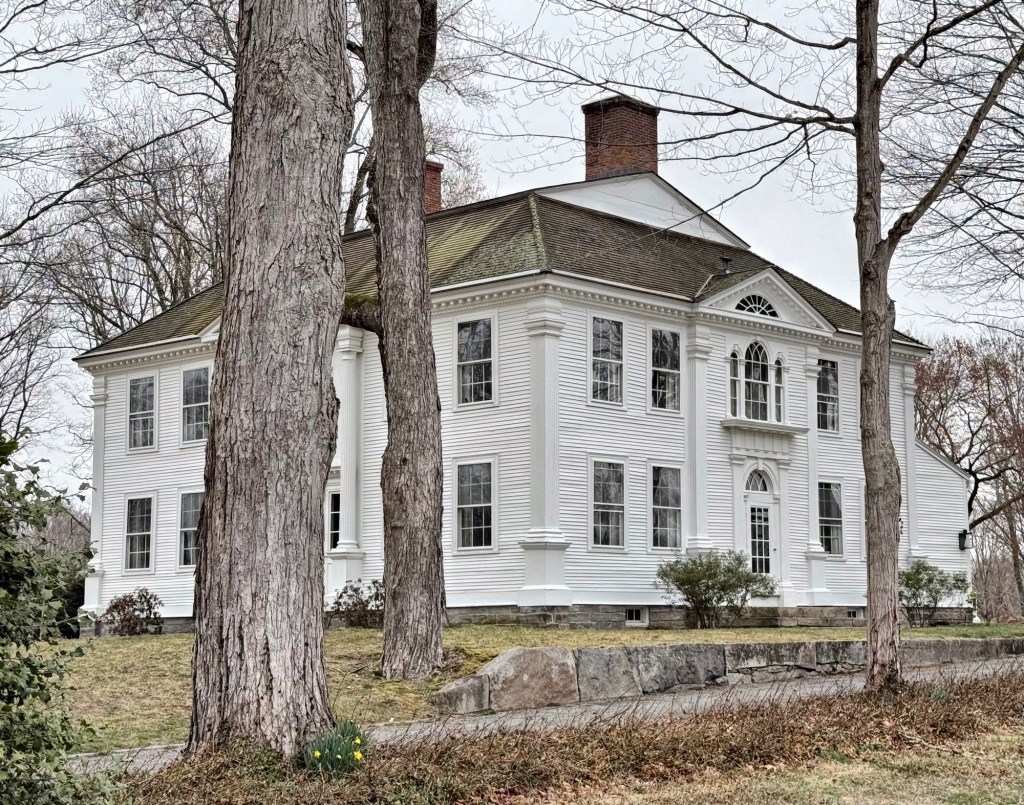
The Captain John Clark House in Canterbury, Connecticut, is one of the finest examples of the Federal style of architecture in New England, and has remained in a fine state of preservation since its construction in the early 19th century. The house was built by 1802 for John Clark (1731-1834), who purchased an earlier home on the site from and had it either taken down or enlarged to its present appearance. The mansion is symmetrical with five bays, central entry and twin chimneys projecting through the hipped roof. The central bay is a showstopper with its triangular pediment at the roofline containing a fanlight, Palladian window at the second floor, and main entrance with its own pediment, sidelights, fanlight transom, all framed by two-story columns. The house’s south facade is equally beautiful with its own Palladian window and entrance.

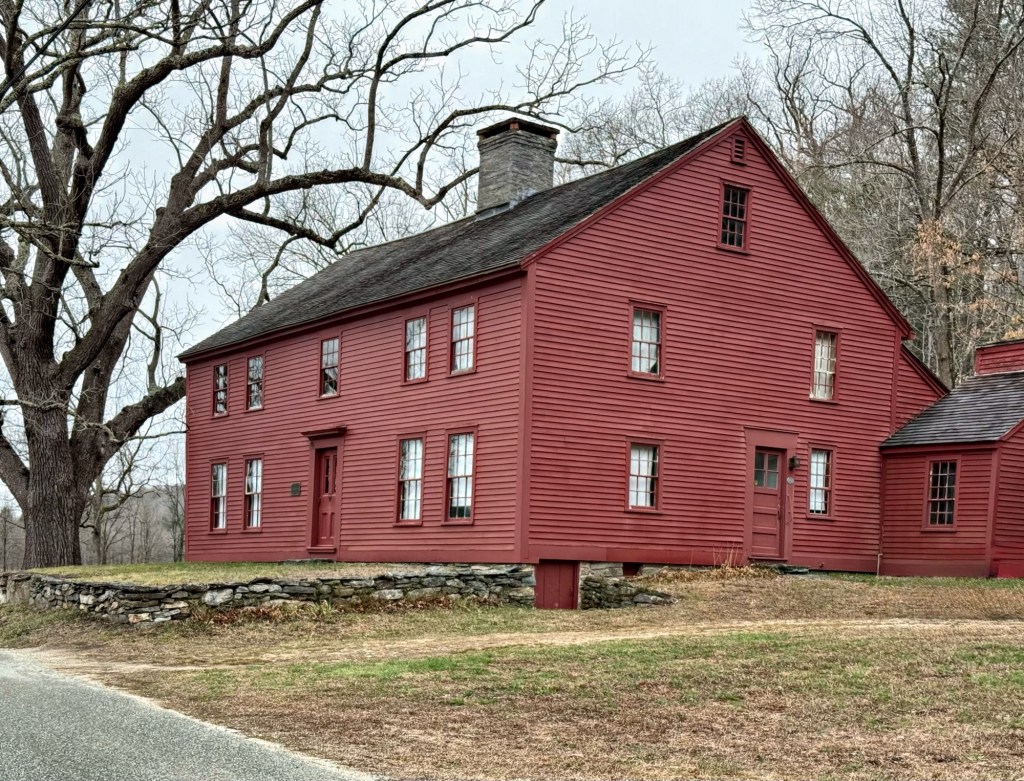
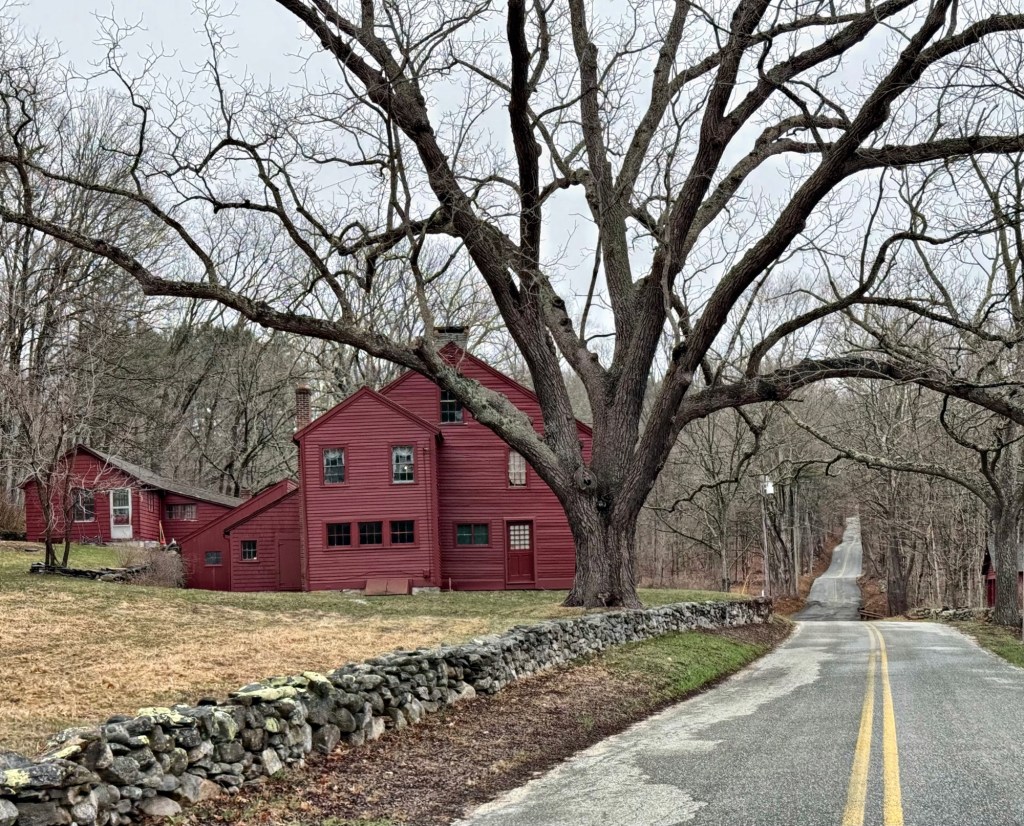
Edward Waldo House // c.1715

The Edward Waldo House in Scotland, Connecticut, is a vernacular Georgian house with saltbox roof and wings which from its erection about 1715 until 1971 was owned by members of the Waldo family. Edward Waldo (1684-1767) purchased land here along the Shetucket River in 1702 and by 1715, erected this house. The saltbox house which Edward Waldo built was one of the first houses in the town of Scotland and would remain in successive generations of the family for centuries. The house was the birthplace of Samuel Lovett Waldo (1783-1861), a portraitist who was a founder of the National Academy of Design as well as Daniel Waldo, chaplain of Congress, 1856-1858, and was one of seven Revolutionary War veterans who, having survived into the age of photography, were featured in the 1864 book The Last Men of the Revolution. The last Waldo owner, Miss Ruth Waldo died in1975. She insured the preservation of her family homestead by bequeathing the house, its contents, and about 15 acres of land to the Antiquarian & Landmarks Society of Connecticut Inc. and the surrounding acreage to the Connecticut Forest and Park Association, creating an enduring legacy for centuries to come. The house, set amongst a quiet country road, is evocative of early days in Scotland, Connecticut, and is one of the finest-preserved Colonial homes in this part of the state. 

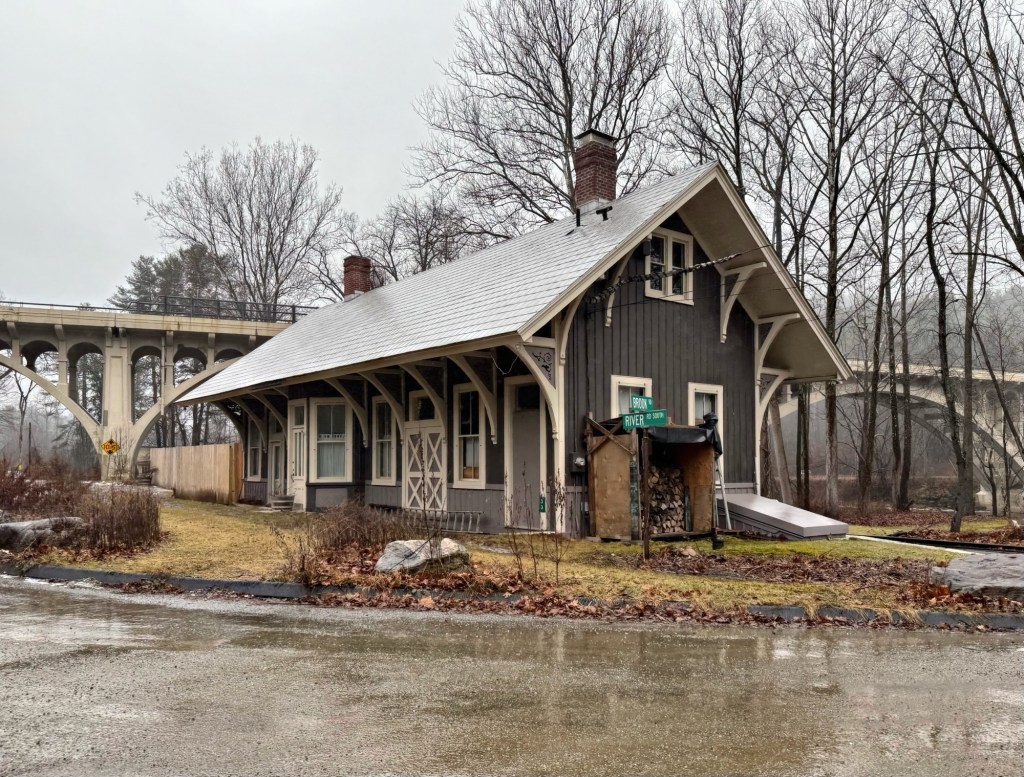
Cornwall Bridge Railroad Station // 1886

One of the most attractive railroad depots in Connecticut, the Cornwall Bridge Railroad Station exists in almost complete originality. Its siding is board and batten and its slate roof with a wide overhang supported by the original brackets, showcases the attention to detail railroad companies paid to design and appoint these important landmarks. Built in 1886, the building can be classified as Stick Style and is one of a few buildings in town of the style, adding to its significance. The station was built by the Housatonic Railroad to replace an earlier station on the site. The Housatonic line was acquired by the New York, New Haven and Hartford Railroad in 1892 and later by the Penn Central Railroad in 1969, which went bankrupt by 1970. This station was subsequently sold to private ownership and listed on the National Register of Historic Places as a tool to bring awareness to its significance and threatened status. Luckily, the building was preserved and has been converted to a private residence.

West Cornwall Covered Bridge // 1864

The West Cornwall Covered Bridge spans the the Housatonic River in the town of Cornwall, Connecticut and is one of three historic covered bridges in the state. Records indicate that a bridge was in this location as early as 1762, but many were destroyed by floods and storms over the years, and even in the past century, flooding as a result of the 1938 New England hurricane and the flood of 1955, threatened to wash the bridge away, but she survived. The 172-foot bridge has been depicted in paintings, photographs, and movies, including Valley of the Dolls a 1967 film. The charm of a historic New England covered bridge is so enchanting and has been a draw for tourists to stop by this amazing town for decades.

Versailles United Methodist Church // 1876

After the Civil War, the Village of Versailles’ Congregational Church was seeing less attendance and its deathknell was a fire which destroyed the building in 1870. That next year, a vote was taken by members of the Congregational Church as to a preference for their denomination. A majority voted for Methodist Episcopal and asked the New England Conference to appoint a Pastor for the new church. Funds were gathered and this church was opened in 1876, in the Italianate and Victorian Gothic styles. The building sits upon a raised brick foundation with small windows on the facade. In 1887, the Versailles church was linked with Baltic and Greenville (Norwich) the following year.

Versailles School // 1924

While Baltic has long been the dense population center of the Town of Sprague, Connecticut, the Village of Versailles has also had ties to industry and growth. The village was originally named Eagleville but was renamed sometime in the late 19th century. The village is located along the Shetucket River and has had industry, which was slower to grow than neighboring Baltic. The village had a wood-frame school building, which was consumed by fire in the early 20th century. In 1924, this substantial “fire-proof” school was built just at the time the Town of Sprague was consolidating schools, in the three main population centers: Baltic, Hanover and Versailles. The schools were consolidated again and this building was sold in the mid-1950s. It was later a Masonic Lodge and is now a commercial use, occupied by Dark Manor, Inc., a haunted house company.

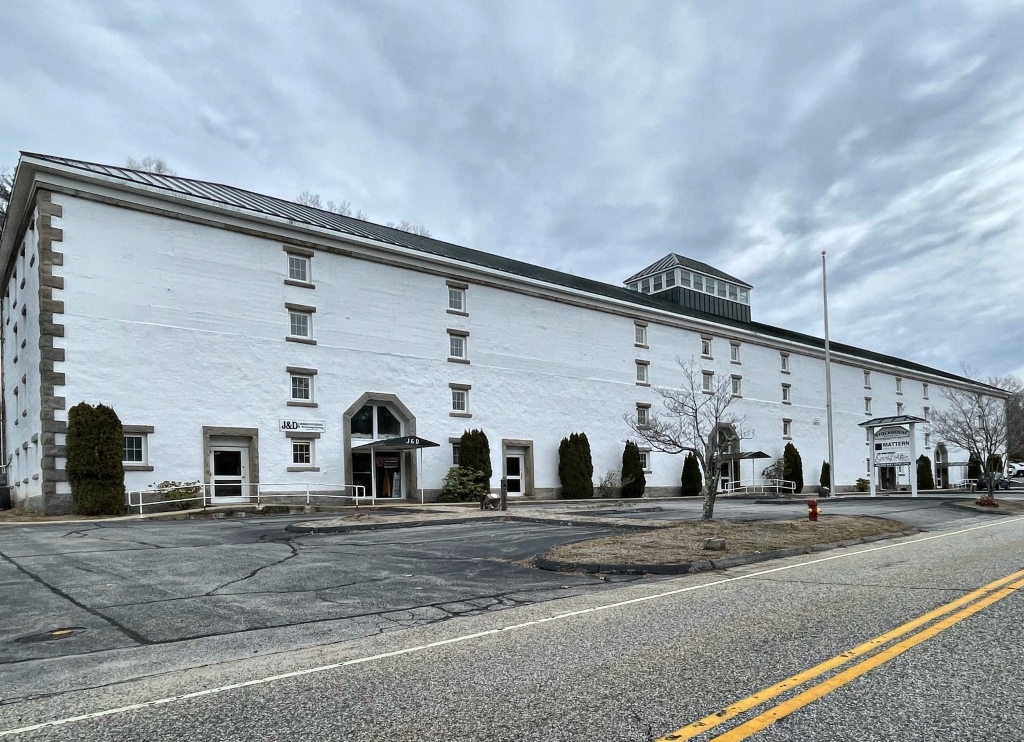
Baltic Mill Warehouse // c.1890

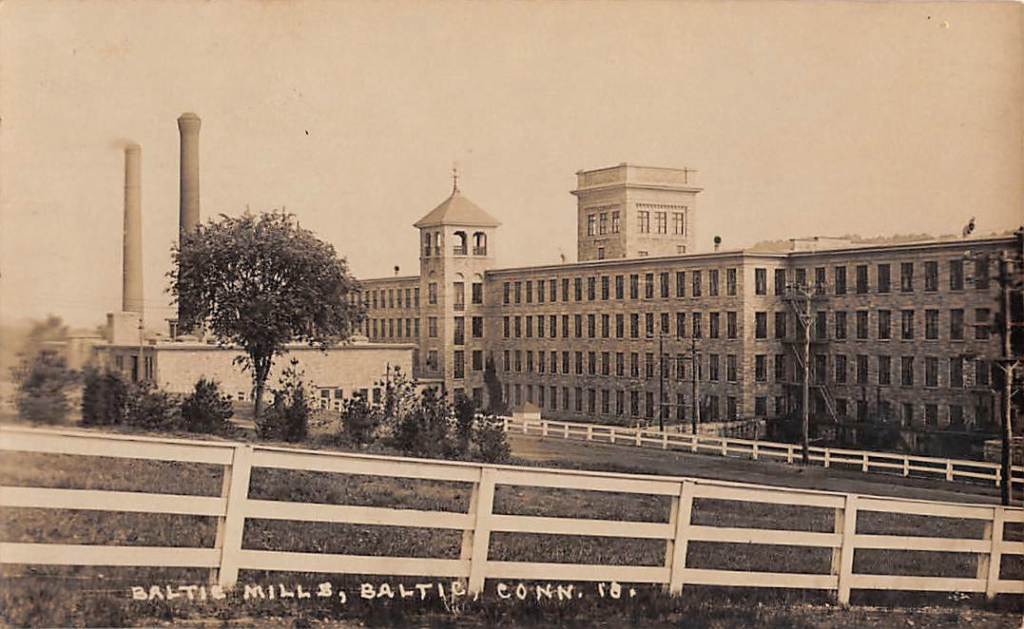
Situated along the Shetucket River in Sprague, Connecticut, lies the remains of what was once the nation’s largest textile mill. At its peak, over 1,000 employees operated 1,750 looms and 70,000 spindles to produce some of the country’s finest cotton. The Baltic Mill (as it became known) not only helped reshape Connecticut’s economic and cultural landscape, but its geographic one as well, giving rise to the founding of an entirely new village. The Baltic Mill did very well until the economic Panic of 1873 set in, decimating the company’s finances. The mill was forced to scale back their operations. Then, in 1877, a fire destroyed the interior of the mill, bringing an end to the complex for decades. At the turn of the 20th century, a businessman from Pawtucket, Rhode Island, named Frederick Sayles purchased the property with an eye toward revitalizing the local textile industry. He founded the Baltic Mills Company and set about making extensive repairs and upgrades to the property, including this c.1890 storage building for materials and finished textiles. Unfortunately for Sayles, the New England textile industry had already begun to decline and it wasn’t long before the company’s depleted finances forced Sayles to sell off much of its assets. The company did survive long enough to produce uniforms, parachutes, and life rafts for soldiers in World War II, but the mill’s operations ultimately came to a halt in 1966. The large 19th century mill would eventually be demolished, but this old Warehouse (a fraction of the size of the mill) is one of the last industrial pieces of the former sprawling complex and is now occupied by local businesses.

Cote Block // c.1910

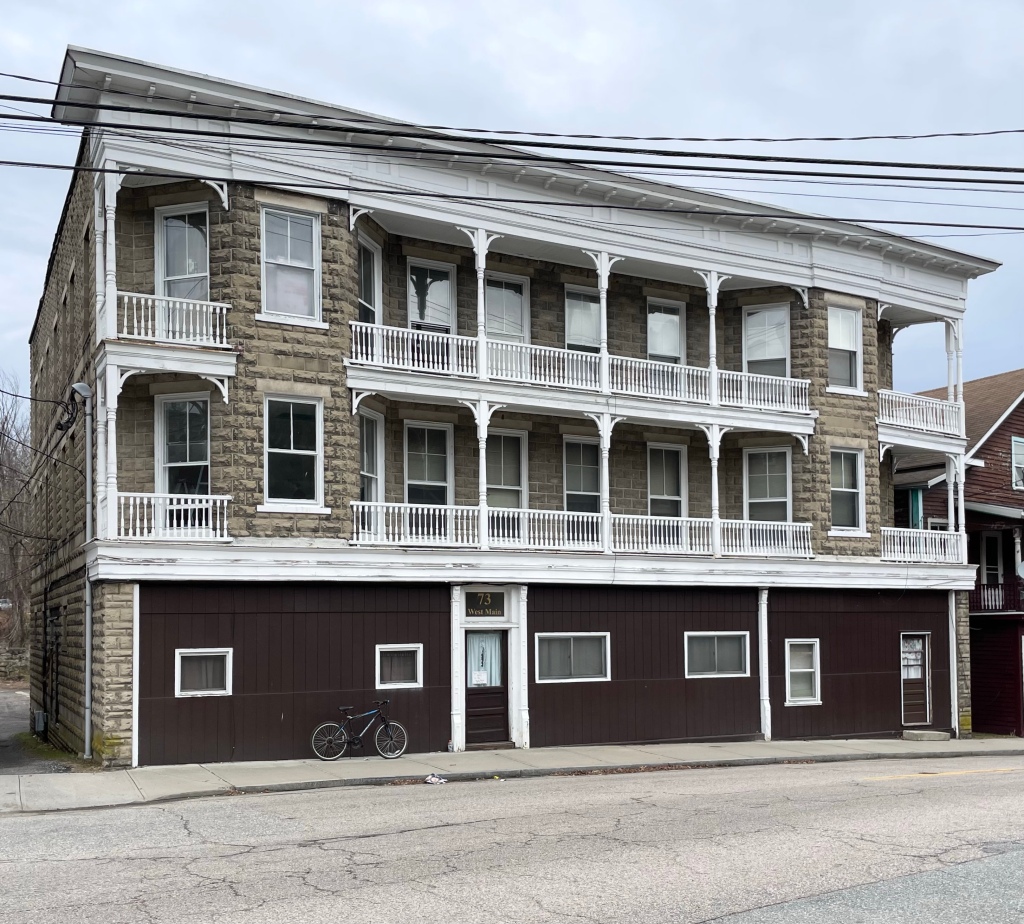
The population of Sprague, Connecticut nearly doubled between 1900 and 1910 from 1,300 to 2,500. As a result, the town needed a new town hall and commercial buildings to service the new residents. A member of the Cote Family in Sprague took this as a good opportunity to erect this three-story mixed-use building on Main Street, renting out space for retail, a confectioner, and a clubhouse with residences above. The building is constructed of concrete block, a building material that surged in popularity after concrete block machines allowed these blocks to be manufactured quickly off molds of uniform style and dimension. The building also features inset center and corner porches off the street and a projecting cornice. The storefronts have since been enclosed, but the building remains one of the finest in town (even with its original windows!)

Sprague Former Town Hall and Fire Station // 1911

At the turn of the 20th century, the town of Sprague (including Baltic Village), had 1,300 residents. Just ten years later, in 1910, the population doubled, largely due to Frederick Sayles‘ purchase of the Sprague Mill and re-investment in the village’s housing and buildings. The need for new town offices and a fire station was evident, and this building in the village was constructed in 1911 to serve both needs. The old Town Hall and Fire Station is a late example of Romanesque Revival style architecture with the arched windows at the second floor and in the dormer. The space was outgrown again and the town offices relocated to a Modern building down the street after WWII.