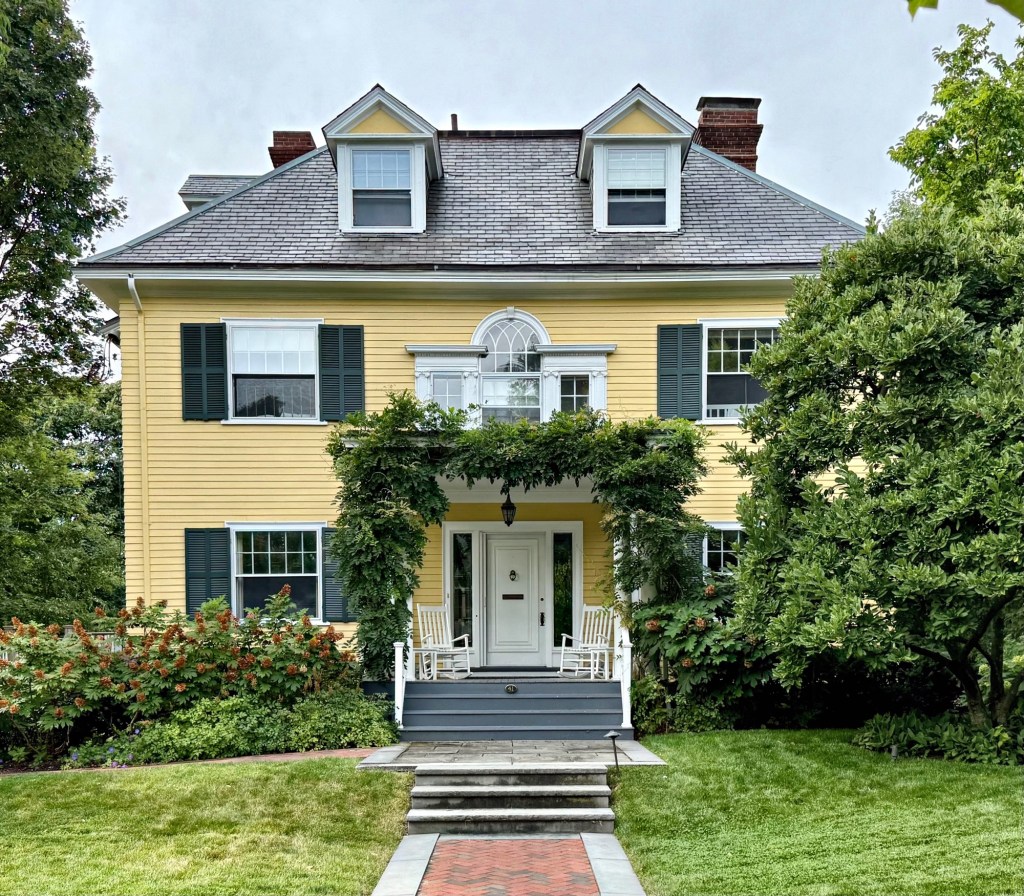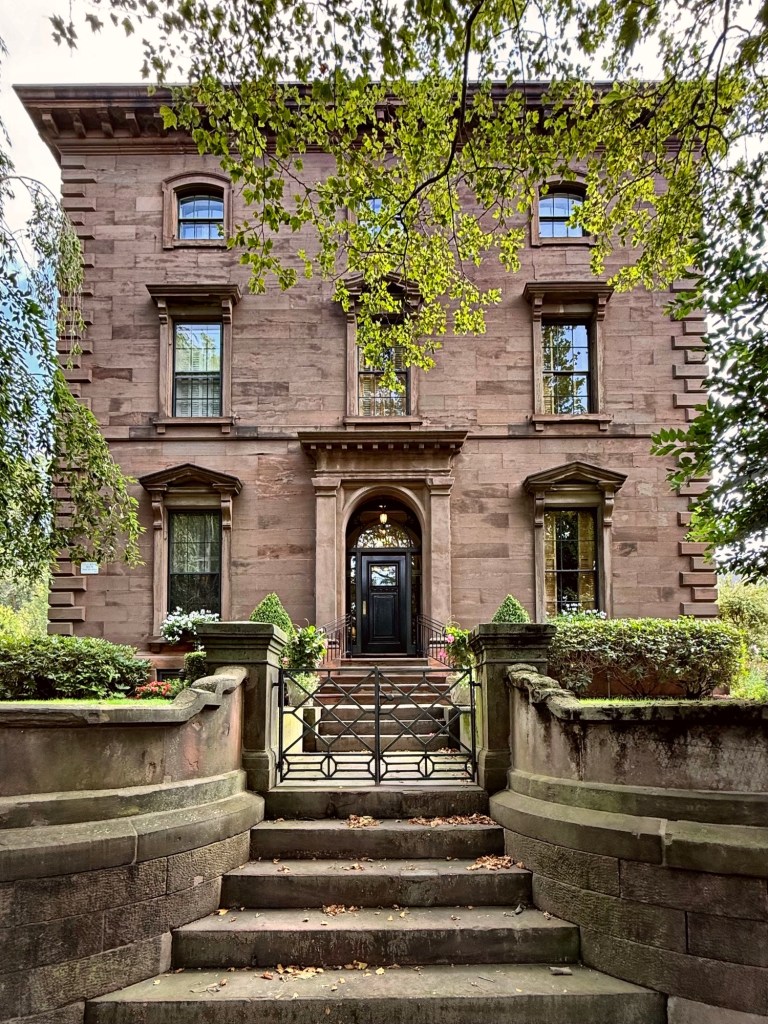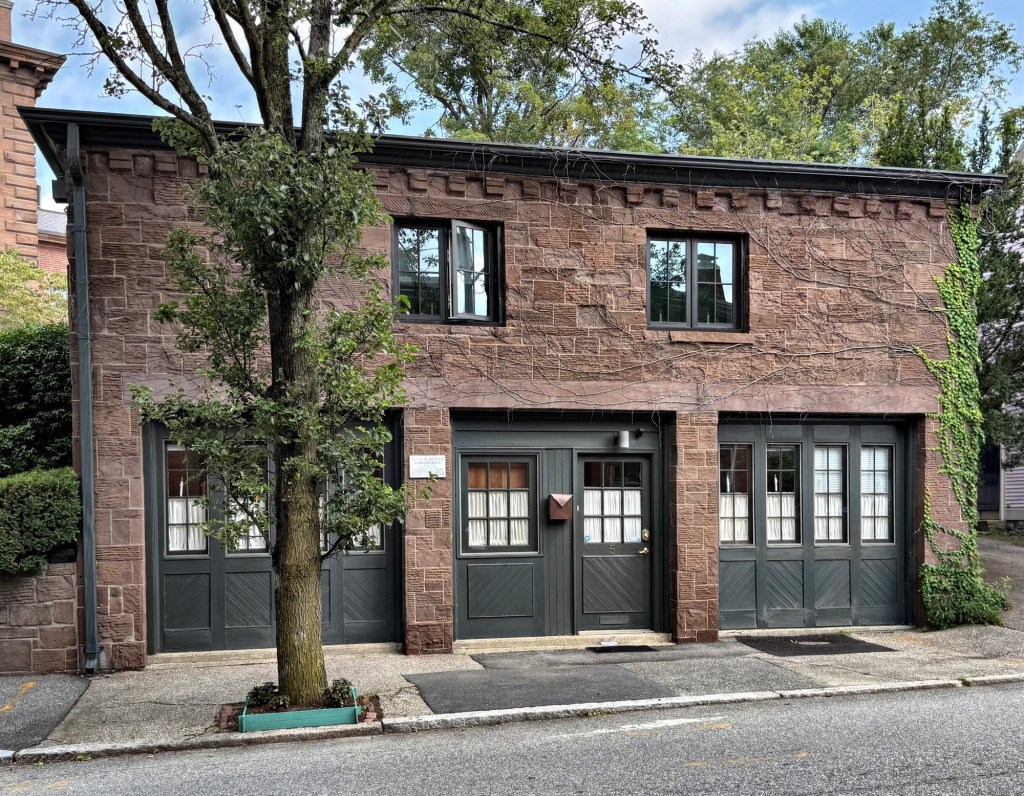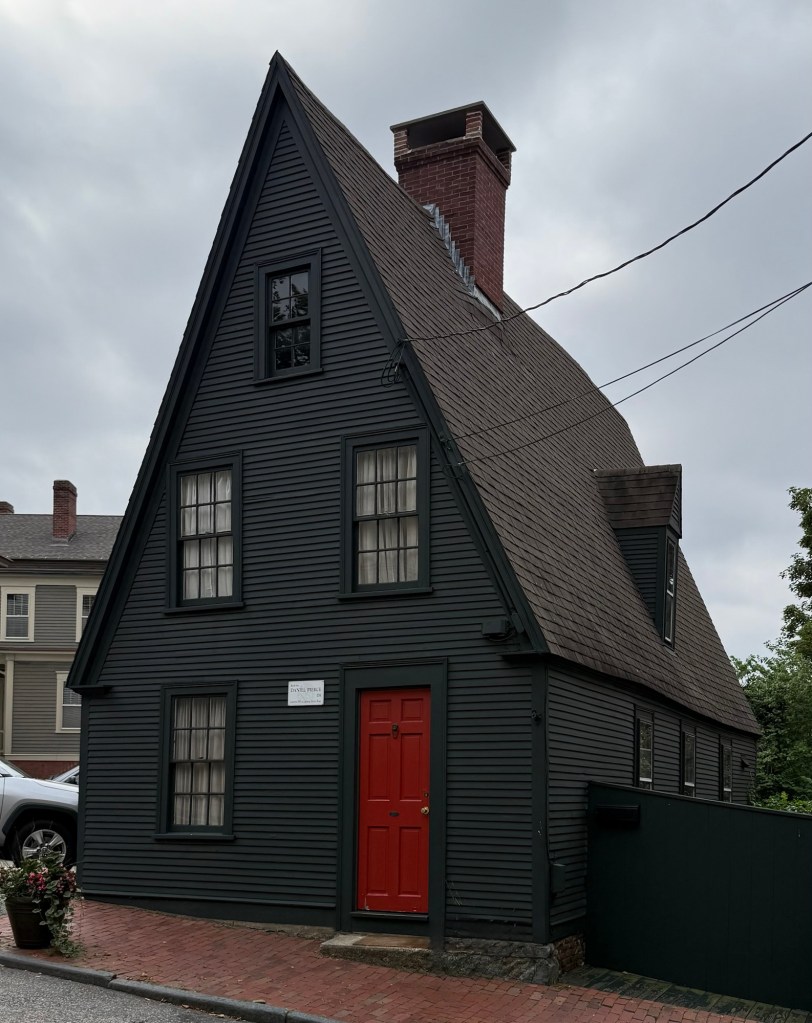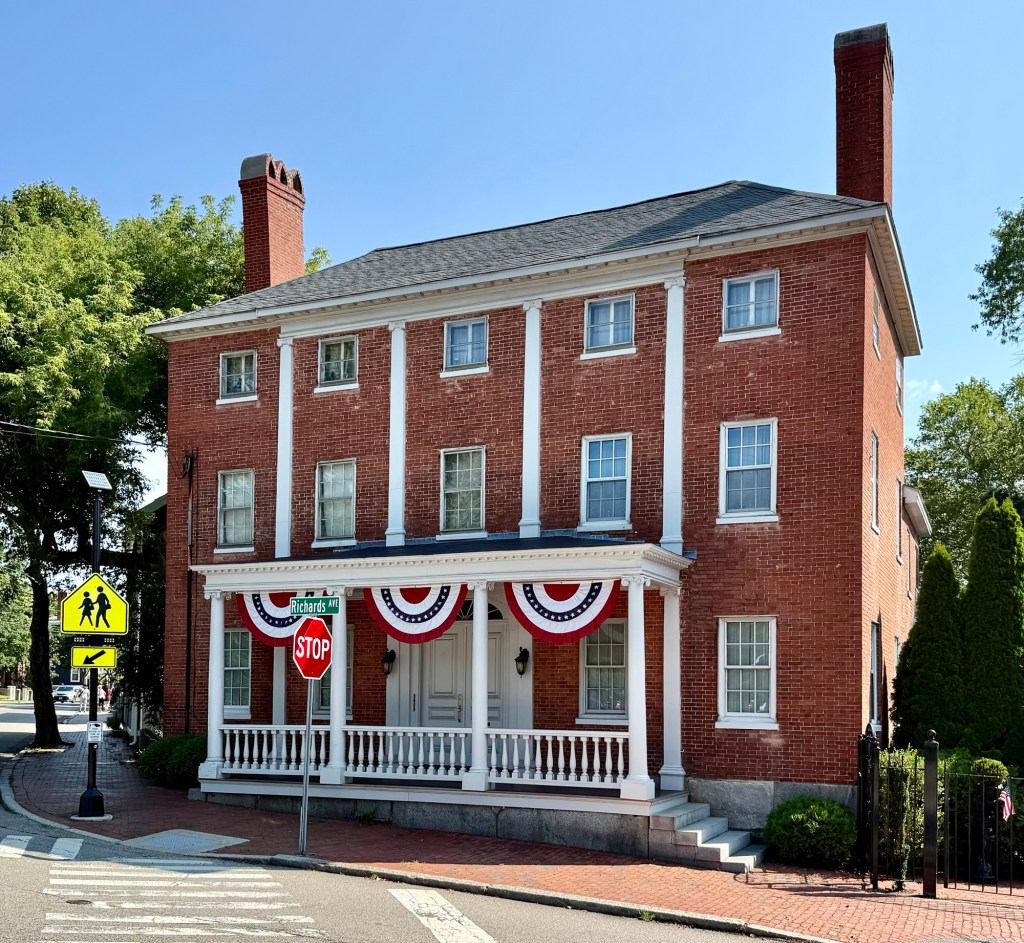
Warren Homestead // 1727

The old Jonah Warren Homestead of Westborough, Massachusetts, was built in 1727 on the Old Connecticut Path, a former Native American trail, and is among the earliest and best-preserved examples of 18th-century domestic architecture in Westborough. The Colonial-era house was built for Jonah Warren (1700-1780) and his wife Elizabeth Seaverns (1700-1775), who moved from Watertown to Westborough in 1720, the couple would have 13 children. The home remained in the family for generations. Jonah was a tanner by trade, but also sold wooden shingles, cut from nearby cedar swamps. In 1778, the couple’s son, Aaron, owned the house, as he returned home to take care of his aging father. The property was later owned by Aaron’s son, David Warren, and later passed to his only child, a daughter, Mary Waterman Warren (1799-1858), who married Josiah Fay (1797-1869) in 1838. The home was inherited by Hercules Warren Fay, a Harvard-educated reverend and author. The homestead remained in the family until the last of Hercules’ children died in 1957. The Warren Homestead remains as one of the finest and best-preserved Colonial-era residences in Central Massachusetts.

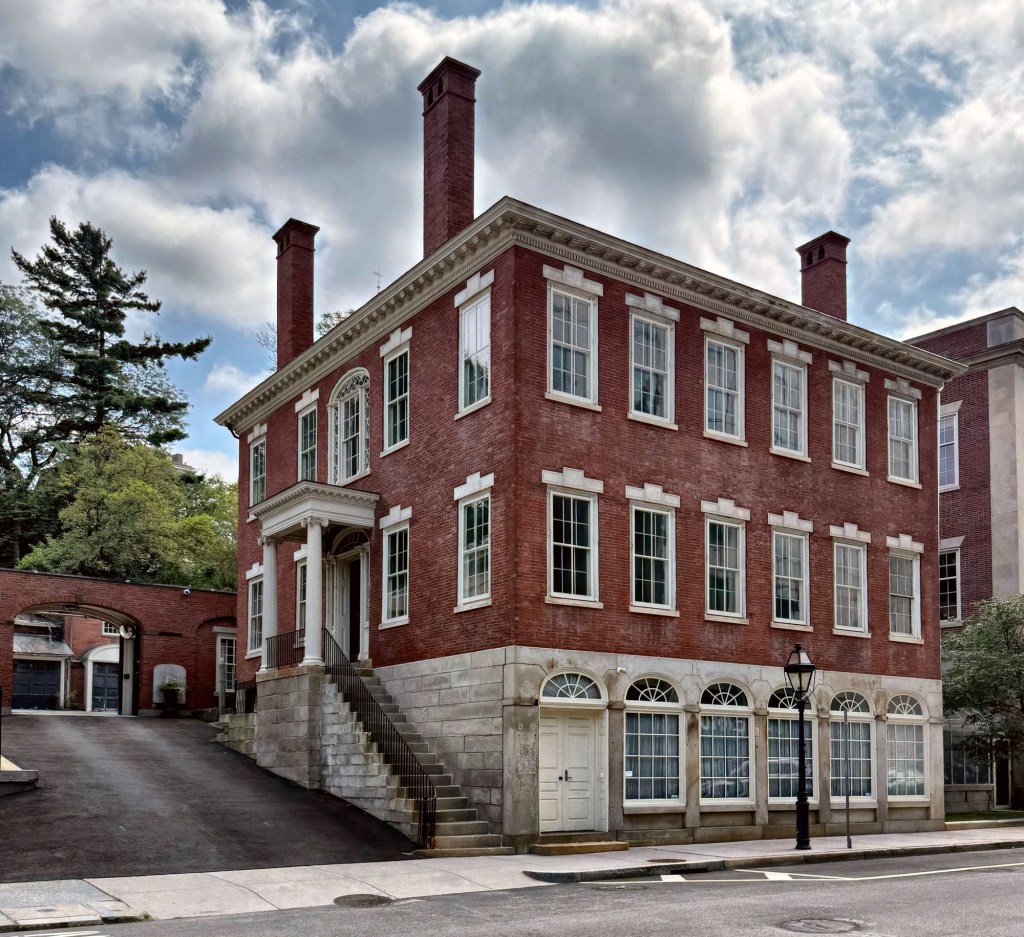
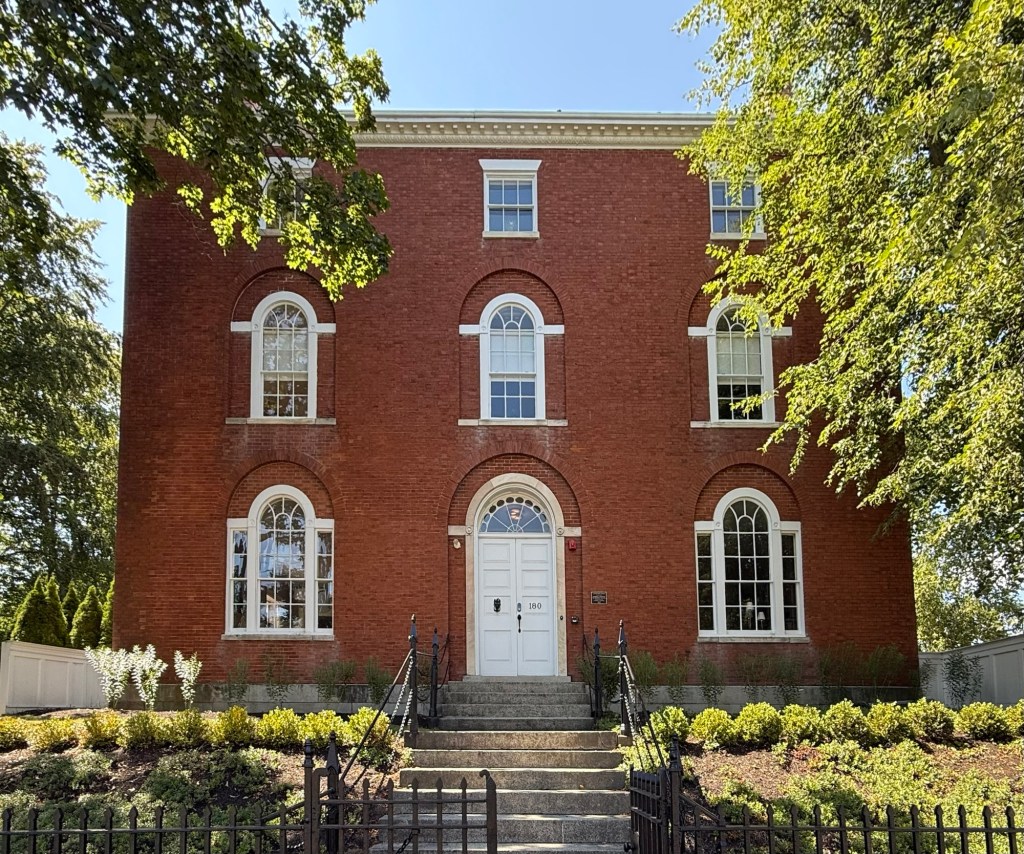
Nathan Fisher House // 1822

In 1820, Nathan Austin Fisher (1796-1851) purchased land along the Boston-Worcester Turnpike in Westborough, Massachusetts with the aim to build a home for his new wife, Susan T. Lothrop. By 1822, he had built a five-bay, center-hall Federal style estate house on the property and the couple began to raise their family. By 1826, Nathan and his brother-in-law, Joseph Lothrop, had opened a store in a section of Fisher’s house, which had been added for that purpose, presumably the western (left) three bays of the structure. Joseph Lothrop would build a Federal style residence on the opposite side of the turnpike that same year. When the railroad came to Westborough, turnpike traffic slowed, and the new rail line went through the center of town, bypassing the Fisher House and store, causing it to fail. Fisher and Nothrop would eventually leave Worcester County, and the property was sold numerous times until 1919, when this property was purchased by the Lyman School. The Fisher House became a residence for younger, special-needs boys to insulate them from the main population of Lyman, a reform school for the education and vocational training of wayward boys. In 1938, the house was converted back to a two-family home and used by families of Lyman School employees until the Lyman School closed in 1972, leaving the iconic Nathan Fisher House vacant for decades. After a failed attempt to convert the property into a house museum, the property was purchased by a local business, Release Well Being Center, and has been lovingly restored and maintained ever-since!

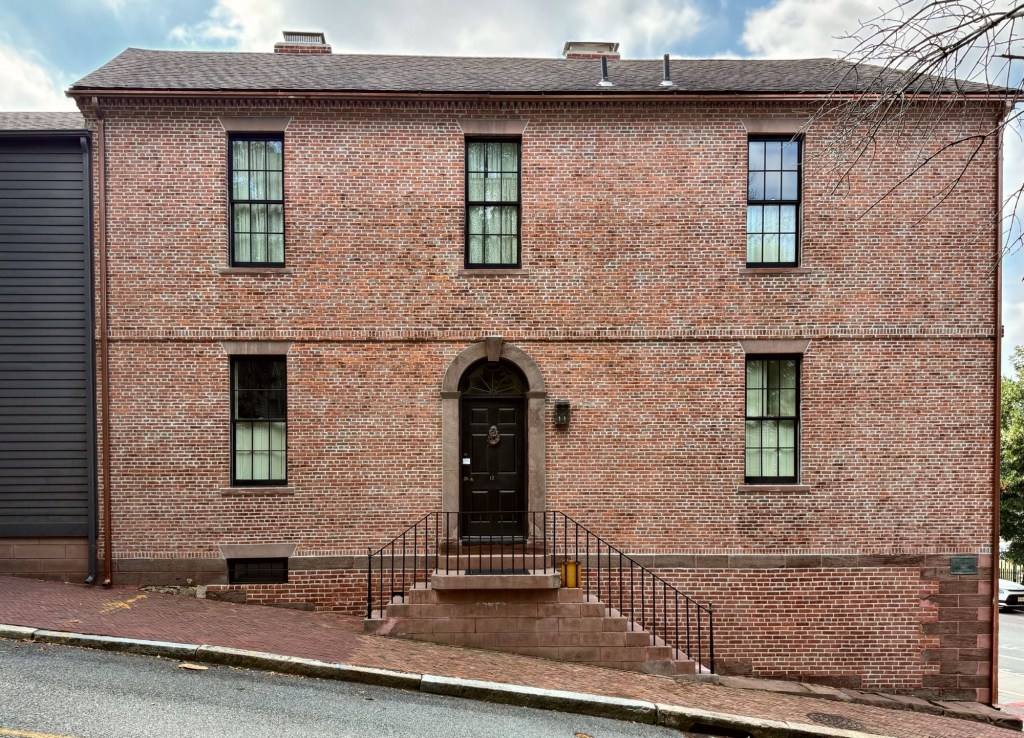
Parker-Maynard Homestead // 1777

Hidden away on a quiet country road in Westborough, Massachusetts, the Parker-Maynard Homestead sits as one of the best-preserved and significant properties in town. Revolutionary War veteran Isaac Parker (1750-1798), after the war, acquired land in town and built a farmhouse here around 1777. Upon the time of his death in 1798, his property listed in his will included: a homestead farm, grist mill, saw mill, a small dwelling house, a horse stable, and a pew at the town meetinghouse. The property was acquired by brothers Ebenezer and Ephraim Maynard, who lived in the house together with their respective families. The Maynard brothers worked as wheelwrights and had their shop on the property for years. Ephraim Maynard’s eldest son, Horace Maynard (1814-1882) was born here and after graduating from Amherst College, moved to Tennessee to teach law at East Tennessee University before getting into politics. Horace served in Congress between 1858-1873 as a representative from Knoxville. He spent much of his first two terms in Congress fighting to preserve the Union, and during the Civil War, he consistently urged President Abraham Lincoln to send Union forces to free East Tennessee from its Confederate occupiers. After the war, he was appointed minister to Constantinople by President Grant in 1875. In 1880 he returned to the United States and was appointed Postmaster General by President Rutherford B. Hayes. Horace owned the family homestead following the death of his father and uncle, and often returned to Westborough to see family and get away from politics.

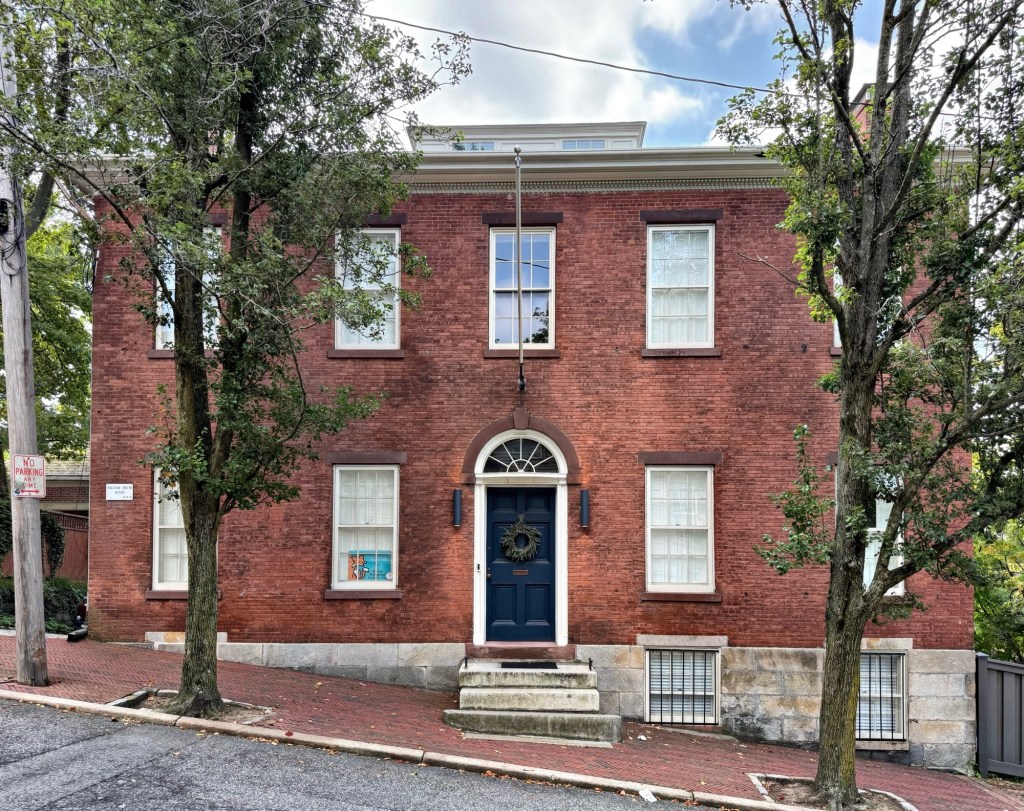
Forbush-Brigham House // c.1875

This stately and well-preserved Stick style residence is located on High Street in Westborough, Massachusetts. The house was built around 1875 for Mr. William Henry Forbush and his wife, Alice. William was a sleigh manufacturer in town and served in the Civil War, mustering out years after injuring his left hand during the Second Battle of Bull Run. Forbush died in 1881 at the age of 37, and Alice married to Dexter Brigham, a carpenter who also fought in the Civil War. It was possibly Mr. Brigham who added the intricate woodwork on the home.

Sibley House – Westborough Historical Society Building // 1844

The Sibley House is a historic house museum as well as the headquarters of the Westborough Historical Society. Located on Parkman Street in the center of Westborough, Massachusetts, the transitional Greek Revival/Italianate style house was built in 1844, by William Sibley, who was a blacksmith and wheelwright. Soon after the house was built, William married Jane Caroline Gibson, and the couple raised five children here. William joined Westborough’s Company K, 13th Massachusetts Regiment during the Civil War and was wounded at Antietam. After the war, William returned home and he and his brother Frank began to manufacture sleighs.  At one point, they produced as many as 300 a year! The Sibley House was purchased by the Westborough Historical Society in 1990, nearly 100 years after the society was established in 1889. The house is open to visitors and provides a glimpse into daily life for Westborough citizens at the time. 

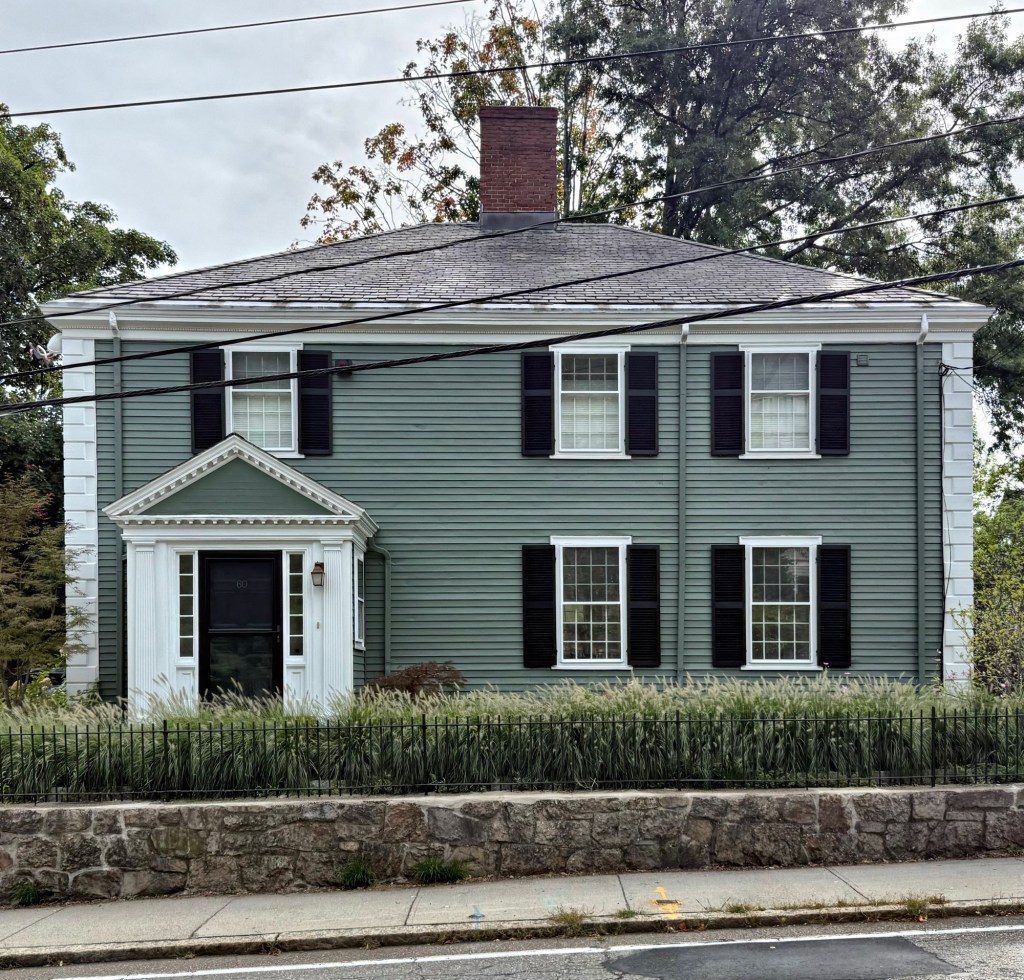
Dr. Edwin B. Harvey House // c.1830

Edwin Bayard Harvey (1834-1913) was born in Deerfield, New Hampshire, and attended Wesleyan University in Connecticut, pursuing his career as a teacher. He would teach for a few years until he shifted gears and enrolled at Harvard Medical School, graduating in 1866. With the intention of settling in the West, he went to Waukegan, Illinois, but was not satisfied, so he returned to New England, and made his home in Westborough, Massachusetts. Edwin operated a medical office from this house on West Main Street and resided here with his family until his death in 1913. He often made house calls around town travelling by horseback. During his time in Westborough, Dr. Harvey served as President of the Massachusetts Medical Society from 1898-1900, and served on local school and library boards in Westborough. Never giving up on his push for education, as a State Senator in the legislature in 1884, Dr. Harvey introduced and was instrumental to the passage of a bill to provide free textbooks to the children of the state. The Dr. Edwin Harvey House remains in a great state of preservation.

Oceanview House // 1883

At the tail-end of the 19th century, the active fishing town of Stonington, Maine, like many other coastal communities Down East, began to see growing seasonal tourism and summer residents escaping the woes of city life for the cool sea breezes. Although there were neighborhoods of summer cottages built and occupied in the 1890s on Deer Isle, no summer colonies formed in Stonington in the late 19th century, likely due to its industrial nature with fishermen and quarry-workers living in the village. There were however, visitors, and the 1883 Oceanview House was built to house “people from away” every summer. The Oceanview House property also included its own water tank and windmill along with a meeting room for local groups. The late Italianate style building has been lovingly maintained by later owners and most recently, housed an antique store!

Wadleigh – Friend House // 1893

One of the most beloved houses in Somerville, Massachusetts is this beauty on Highland Avenue, known best for the unique assemblage of colorful found objects in the front yard, as a living museum. The residence was built in 1893 for William Y. Wadleigh, a wholesale grocer who operated markets all over the region. The house is an eclectic blending of Queen Anne and Colonial Revival styles with an asymmetrical plan and rounded corner tower taken from Victorian styles, along with a classical porch and swan’s neck pedimented dormers at the roof, clearly Colonial Revival in style. Today, the Wadleigh House is best-known for its owner, artist Martha Friend, who has preserved the house, and created an enchanting, ever-evolving installation outside and inside the residence. Sapphire City, an installation in the front yard, draws passersby in to see the assemblage of blue bottles and Dance Party, an assortment of animals at the porch roof, make the house a favorite in the neighborhood. It is houses and owners like this that make Somerville such a vibrant and great place to live and explore.

Irving-Strauss Mansion // 1906

This unique Tudor Revival style house in the Cottage Farm neighborhood of Brookline was built in 1906 for Irving J. Sturgis (1873-1924), a banker and broker originally from Michigan. Architect Joseph Everett Chandler, specialized in the Colonial Revival style and historic restorations, but was clearly adept at other styles as evidenced in this stately manor for Mr. Sturgis. After WWI, the property sold to Mr. Leon Strauss, who worked in dry goods. The Irving-Strauss mansion is constructed of brick with cast stone trim and features classic ornamentation seen in the Tudor Revival style. Steeply pitched gable roofs have stone
coping, metal windows are casement or fixed with small pained lights and are framed in cast stone trim. Framing the entranceway is a brick and stone gateway, of which, a garden wall extends around the property, with a stately garden gate surmounted by stone finials displaying the flair of the style.

Lawrence-Parker House // 1864

Built in 1864 as one of the rental properties owned by Amos A. Lawrence as part of his exclusive Cottage Farm neighborhood in Brookline, this house has been extensively altered and even moved but retains significance as a surviving mid-19th century “cottage” in the neighborhood. The house was likely constructed as a one-story, stone cottage with a second floor contained within a mansard roof. In 1903, Mrs. Francis W. Lawrence hired the well-known architect and Brookline resident, Julius A. Schweinfurth, to make extensive alterations to the cottage, replacing the mansard roof with a new second floor with gable roof, along with a new porch. Schweinfurth’s design included wood shingle siding for the upper floors, which were replaced with stucco in 1970. The house was moved to its current site at the corner of Carlton and Mountfort streets in 1929 when the street was re-oriented to follow the old Boston & Albany Railroad tracks. When moved, the cottage was occupied by Philip Stanley Parker, a judge, and his wife, Eleanor. Today, the cottage is owned by Boston University and known as the Core House.