Hope Block // 1869

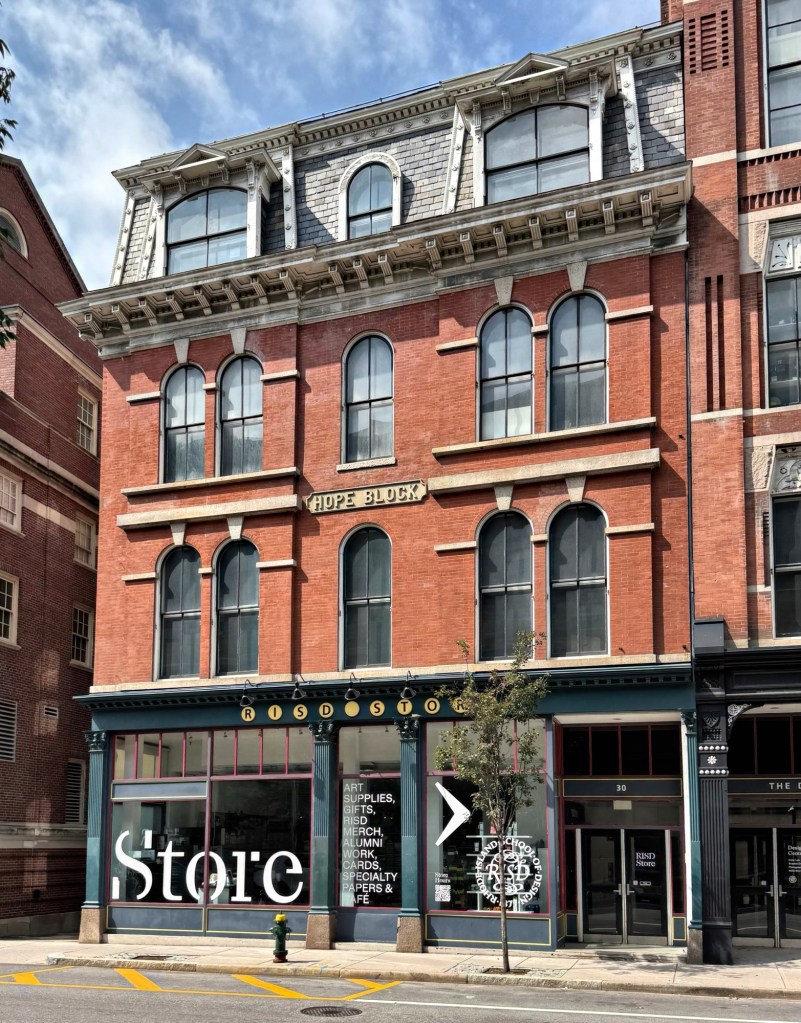
The Hope Block on North Main Street in Providence’s East Side neighborhood is an architecturally significant commercial block in the Second Empire style. The masonry building was constructed in 1869 and is probably designed by architect, Clifton A. Hall, who designed similar buildings in the city around that time. The block was developed by Edward M. Young and Ezra P. Lyon of the firm, Young & Lyon to house their fruit and grocery store, which they operated here from 1870 until 1889. By the latter half of the 20th century, the building was owned by the Rhode Island School of Design, and rehabilitated for classrooms in 1984, even retaining the cast iron storefronts, unique arched windows, and slate mansard roof. Today, the Hope Block houses the RISD Store.

Horatio Adams Stable // c.1880

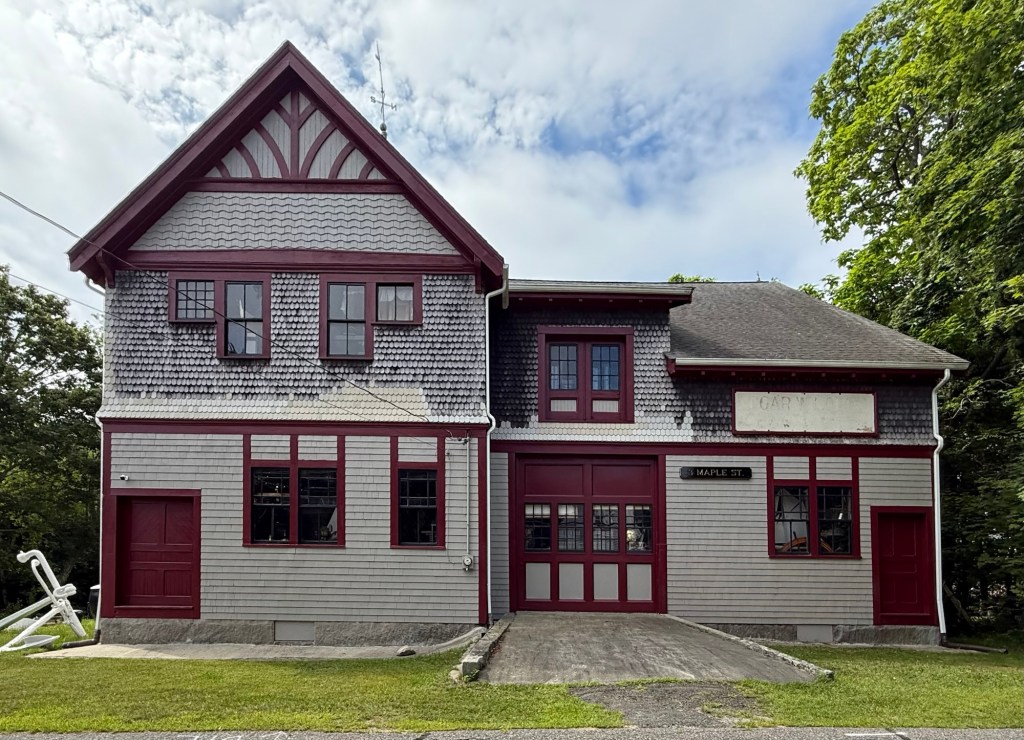
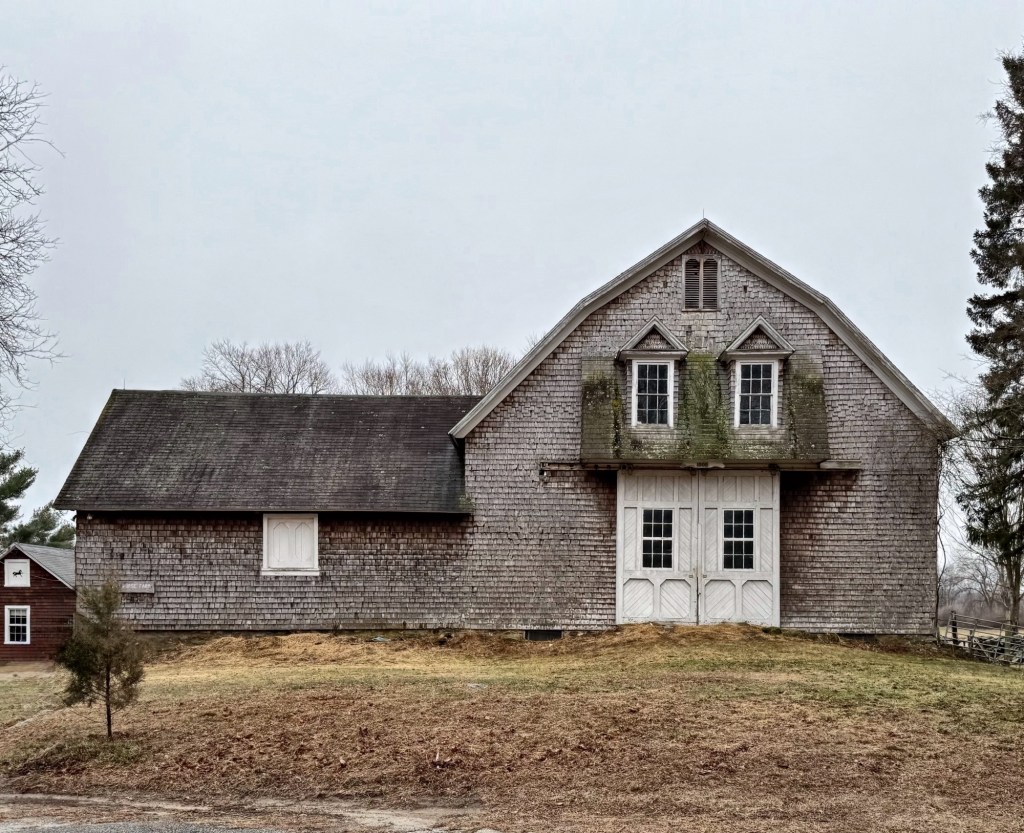
This oversized stable and carriage house is located at 3 Maple Street in Kingston, Massachusetts and it dates to about 1880. The stable was built for Horatio Adams (1845-1911), a wealthy resident who operated a successful slaughterhouse and stockyards nearby along with maintaining stores adjacent to the nearby the train tracks. After Horatio Adams died, the stable was eventually purchased by Edgar W. Loring and converted to a cranberry screen & warehouse for his cranberry farm. The significant Queen Anne/Stick style building suffered from deferred maintenance by the late 20th and early 21st centuries, but was purchased in recent years and undergoing a restoration of the exterior. Does anyone know what its use is today?

Dorchester Temple Baptist Church // 1889

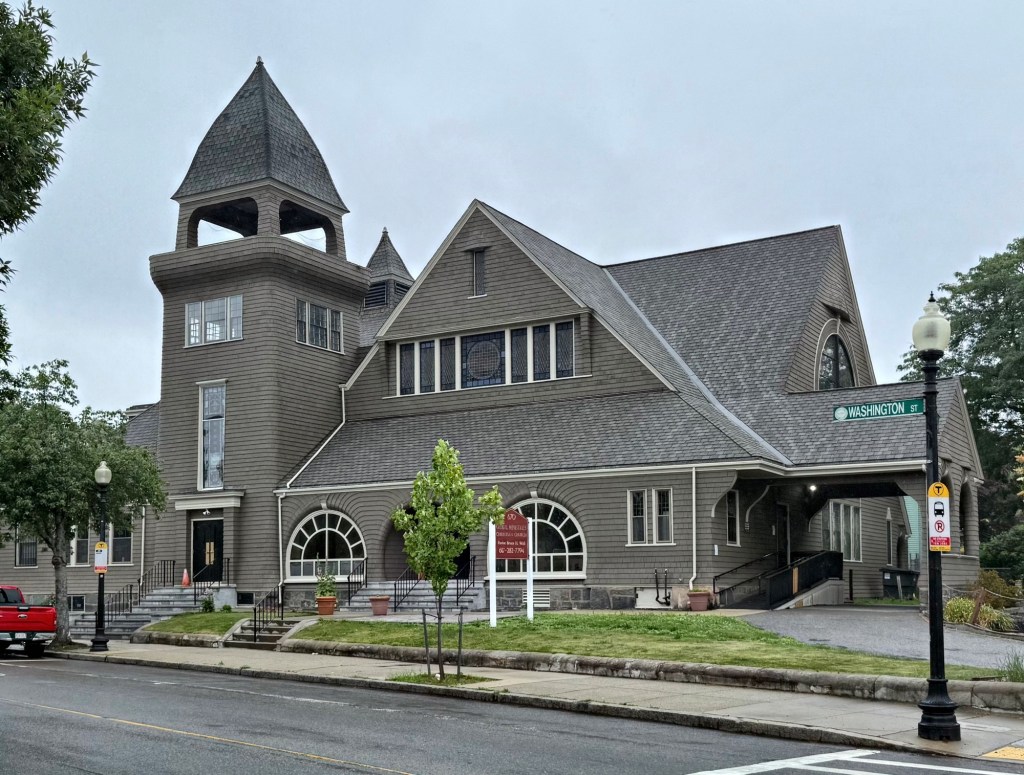
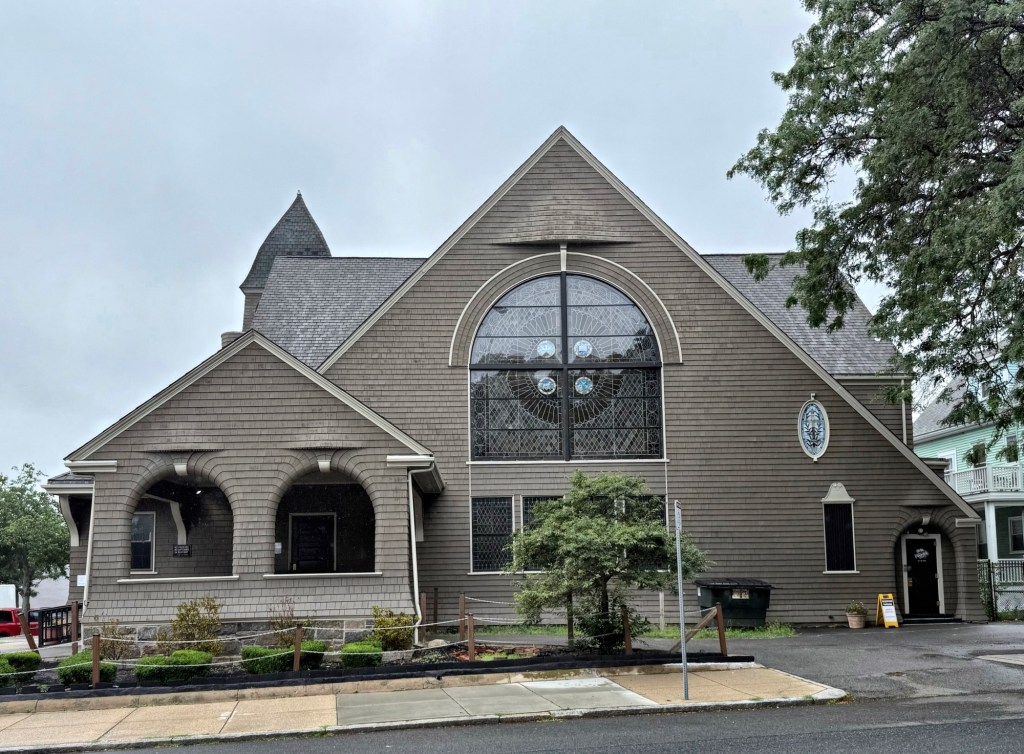
Located at the corner of Washington Street and Welles Avenue, the Dorchester Temple Baptist Church was designed in 1889 by architect Arthur H. Vinal, as one of the best examples of a church designed in the Shingle Style in New England. The church began in 1886 as a mission church of the Tremont Temple Baptist Church in Boston. At this time, Dorchester was a semi-rural area and would surge in development when the streetcars were electrified in the 1880s. With a rapidly developing neighborhood, the congregation here, purchased lots and hired Vinal to furnish plans for a house of worship. The church’s cornerstone was laid October 3, 1889, with the church membership numbering ninety-nine at that time. Membership would decline in the decades following WWII, and shifting racial and ethnic demographics in the neighborhood brought new members to worship here. The building was renamed as the Global Ministries Christian Church by the current congregation, who with the assistance of preservation grants, worked with Mills Whitaker architects to restore the iconic landmark. Specific details of the building stand out, including the stained glass windows, the belfry with bulbous form, and the arched openings with continuous shingled walls.

John A. Turner Cottage // c.1875 

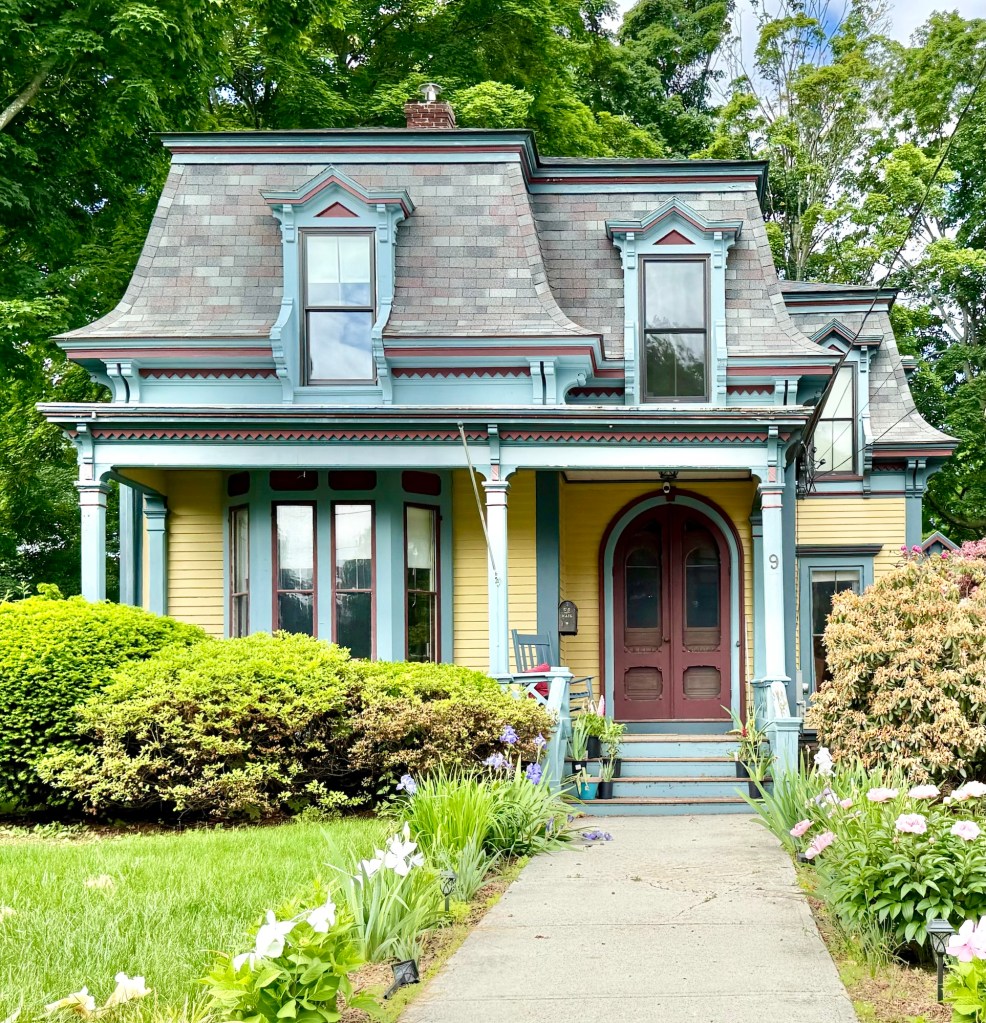
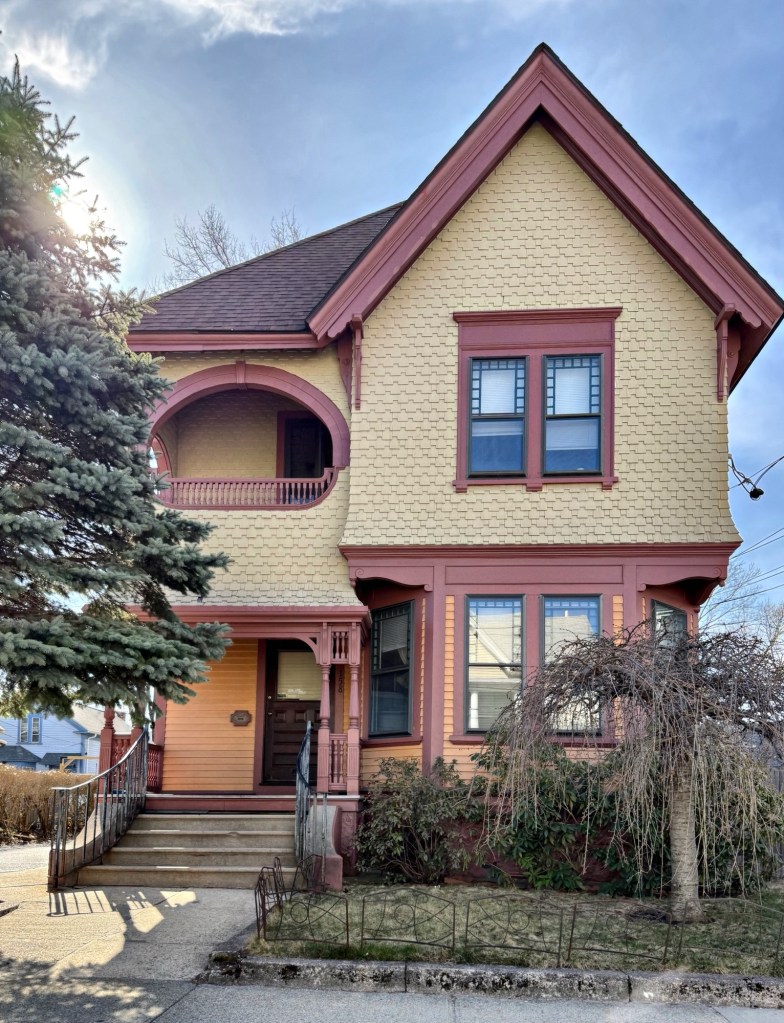
One of the most charming houses in Westborough, Massachusetts, can be found on Central Street, in the commercial village of town. The house was built around 1875 as a Mansard cottage, a style that was beginning to wane out of style by this point. The cottage was built for John Addison Turner (1833-1900) and his wife, Mary Ann Fiske. John worked as a superintendent at the National Straw Works factory, a local manufacturer of straw hats and other goods. The Turner House remains one of the best-preserved Victorian-era homes in Westborough and is even painted to highlight the many intricate details. 

Richmond Block // 1892

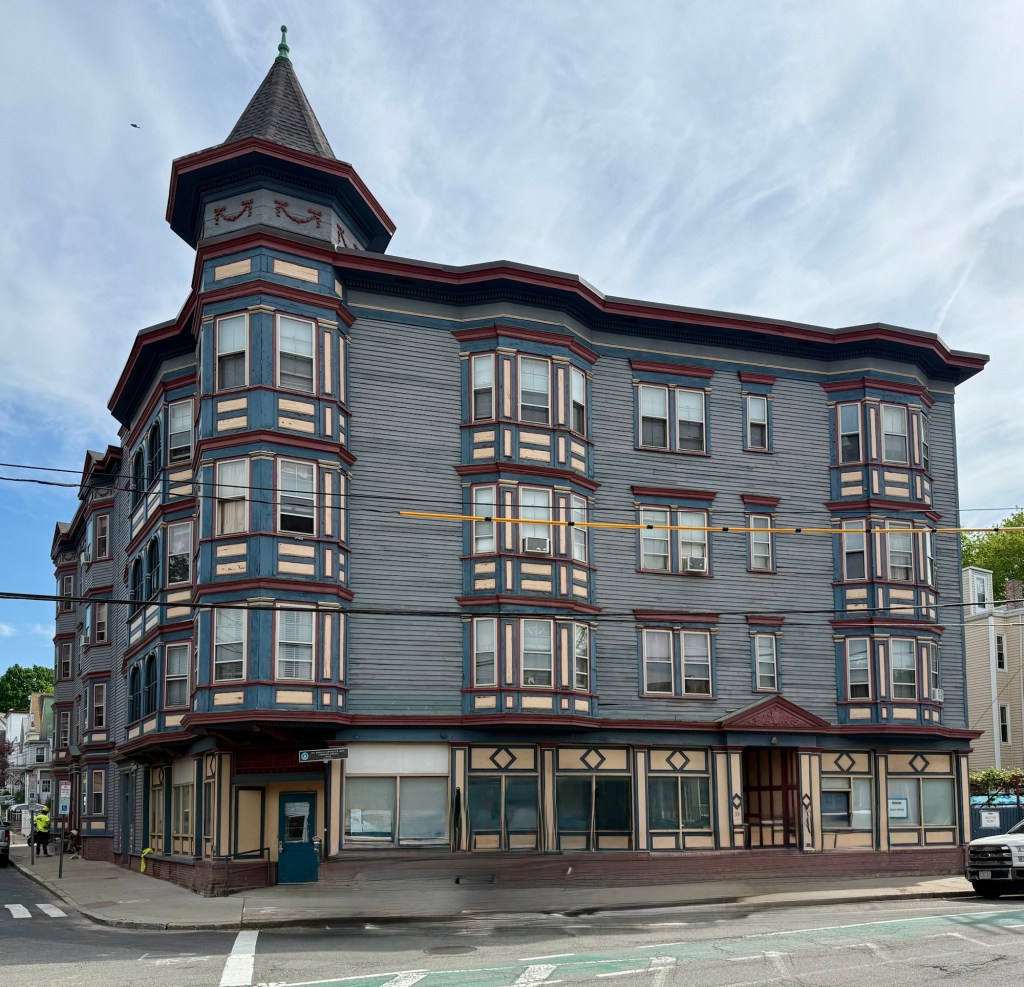
The Richmond Block on Bow Street in Union Square, Somerville, is a historic and architecturally significant mixed use building. Constructed in 1892 as one of the substantial wood-frame buildings in the western section of Union Square, the Richmond was designed by architect Aaron Gould for Mr. Charles Drouet, who developed the Drouet Block, a historic flatiron building just years later. Designed in the Queen Anne style, this building is noteworthy for its corner tower, octagonal oriel bay windows, sleeping porches on the side facade, and polychromatic color scheme to highlight the many architectural details on the block.

Zenas Lane House // c.1860

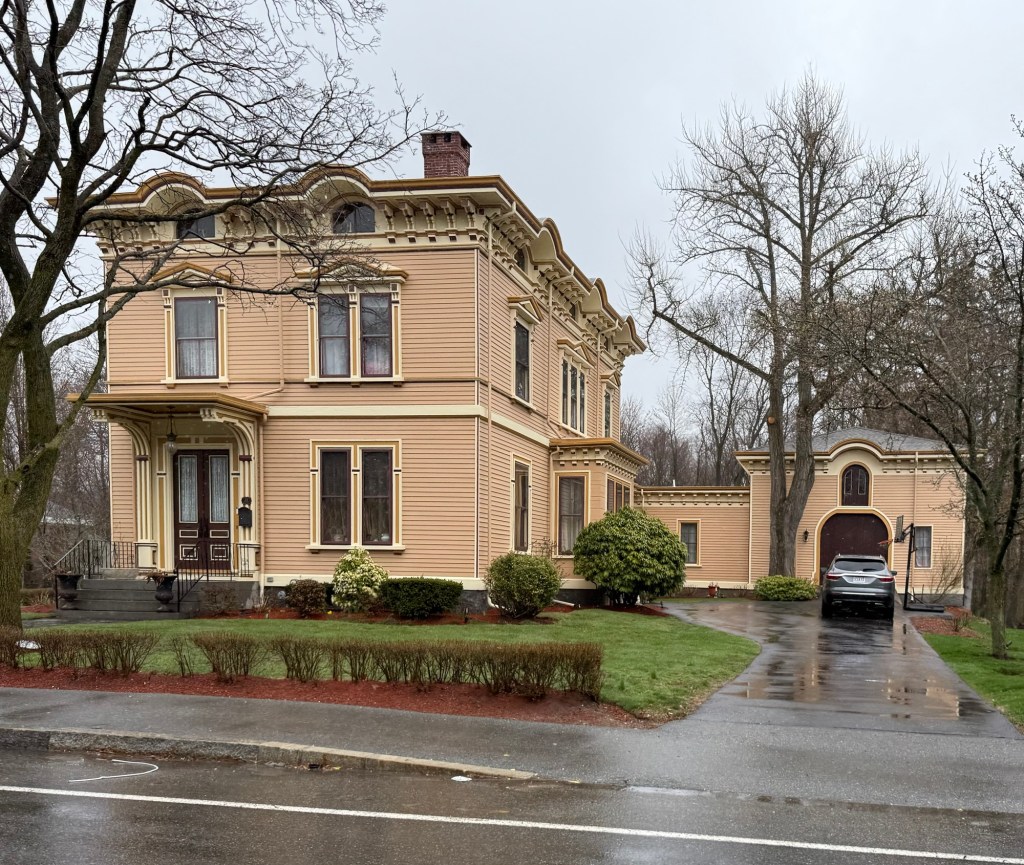
The Zenas Lane House on Union Street in Rockland, Massachusetts, was built circa 1860 for its namesake, a shoe manufacturer who later engaged in real estate and local politics. Zenas Meriet Lane married Emeline Morse and had this handsome Italianate style residence built on the town’s main street. The two-story house is capped with a shallow hip roof with eyebrow window heads breaking the eaves. At the rear of the site, there is a preserved carriage house which echoes design details from the main structure.

George Washington Smith House // c.1886

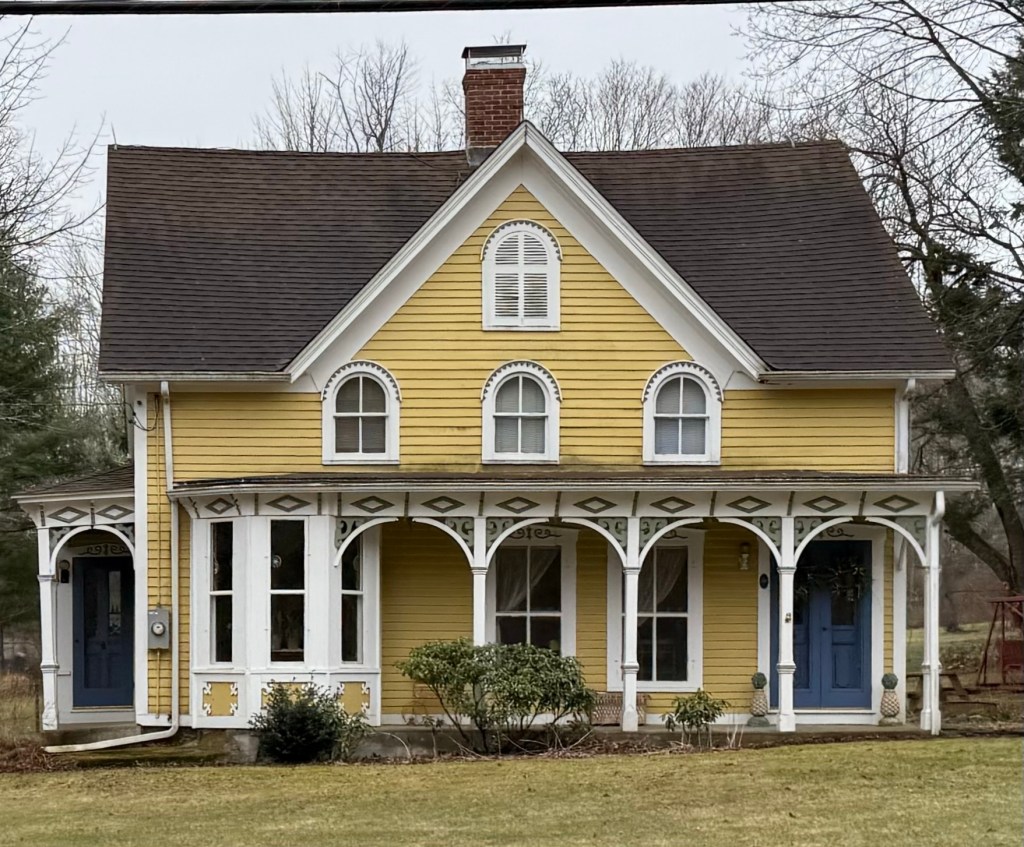
This house on Westminster Road in Canterbury, Connecticut, is architecturally distinguished by its extensive and imaginative detailing, which reflects the widespread availability of manufactured architectural ornament in the Victorian period. The porch columns, archways, bay window, and round-arched windows all reflect an Italianate influence and the work of its original owner, Mr. George Washington Smith (1857-1937). The house dates to about 1886 when George W. Smith, built it from his workshop formerly located across the street. Smith manufactured mast-hoops, the wooden fixtures for attaching sails to the masts of sailing ships, and utilized his woodworking skills to build and decorate the exterior of his family home.


Gallup Farm Carriage House // 1906

This handsome Shingle style building was constructed in 1906 as a carriage house of a larger farm property in Scotland, Connecticut. The barn is said to have been built for Archie Gallup, who purchased the old Manning farm just west of the town green in Scotland. The 1 1/2-story carriage-house with a gambrel-roof stands out for its principal entry of paneled wooden doors and above, a large, flared hood featuring two pedimented gable-dormers. The entire building is clad with varied shingles to add complexity to the design, catching the attention of all who drive by.

Edward Johnson House // c.1886

Central Falls, Rhode Island, is not necessarily known for its residential architecture, but like any good industrial city, there are some excellent examples of Victorian houses from the mid-late 19th century to be discovered! This is the Edward L. Johnson House on Cross Street in Central Falls. The house was built around 1886 for Mr. Johnson, a manufacturer, who resided here for some years with his wife, who founded the Pawtucket Women’s Club in 1899 and was an active member of the Daughters of the American Revolution. The house is an excellent example of the Queen Anne architecture style, from the various siding types including clapboard and patterned shingling; its steep cross-gable roof; and its variety of windows, including a shallow bay on the first floor and oval and half-round windows in the 2nd-floor porch. 

Broad Street Fire Station // 1889

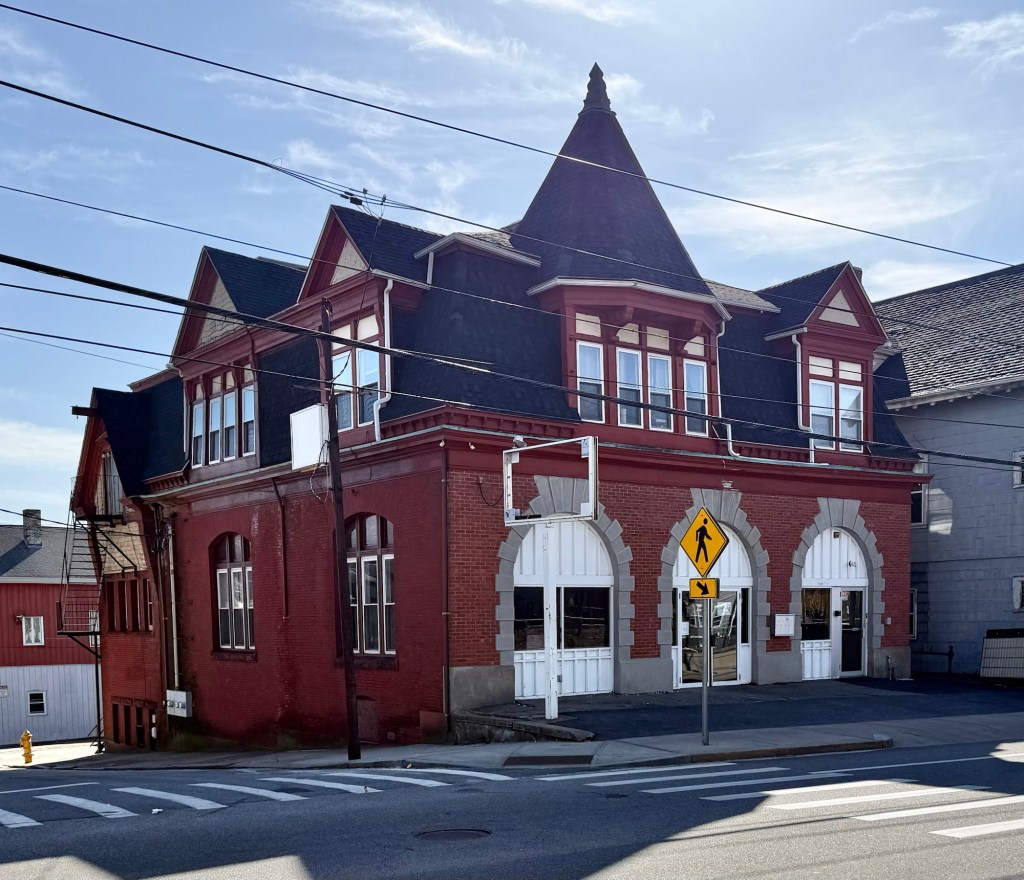
Built in 1889 at the same time as the Central Falls City Hall across Broad Street, this former fire station in Central Falls, Rhode Island, is a great example of late 19th century architecture for a civic use. The fire station was built in the dense Central Falls village, before it separated from Lincoln, creating their own city. The brick, Queen Anne style structure features a unique mansard roof which is broken by a series of pedimented dormers. The original arched doors have since been infilled, but maintain the original openings, awaiting a thoughtful restoration. The fire station was designed by Pawtucket-based architect, Albert Humes. Due to ever-growing fire trucks, the historic station was eventually deemed obsolete, and a new station was built elsewhere. Today, the former Broad Street Fire Station is occupied as the Morabeza Health Center.