Dr. Tappan Eustis Francis House // 1879

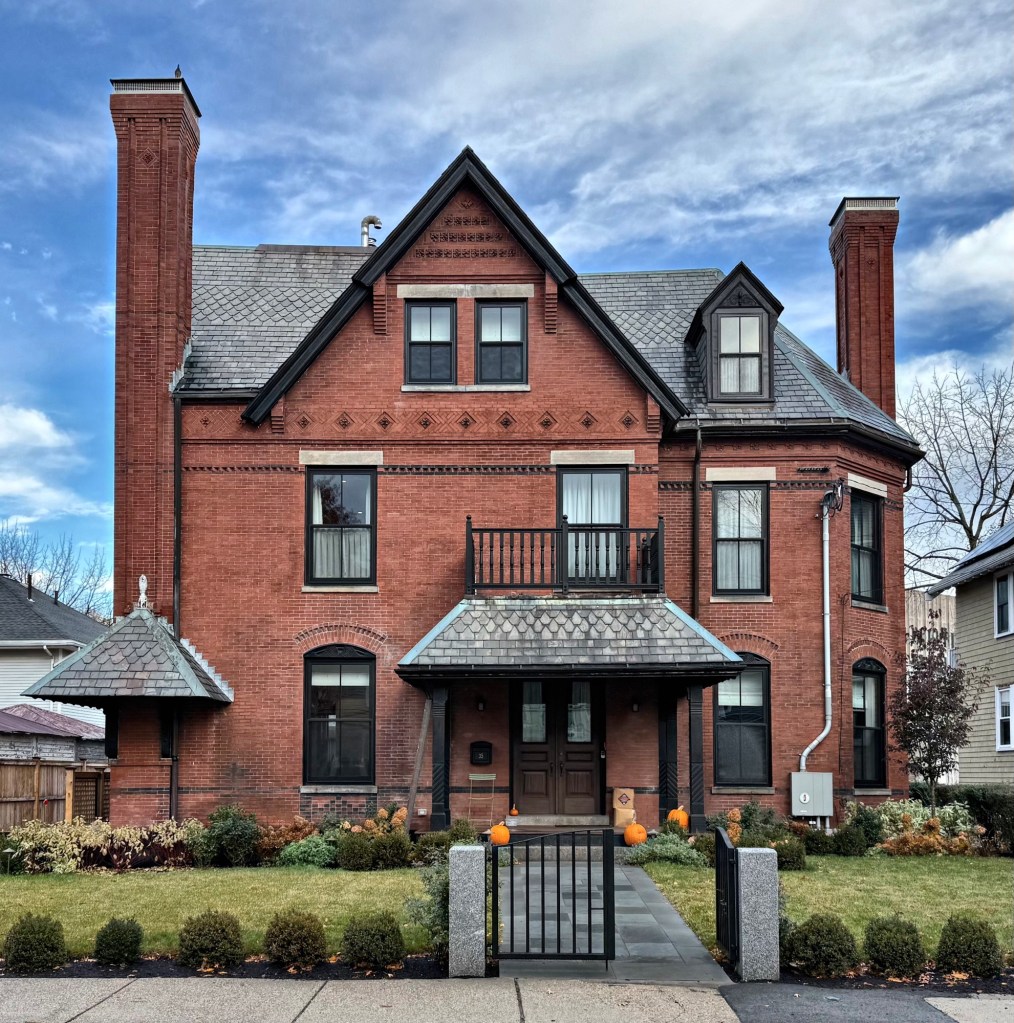
Located on Davis Avenue, a narrow residential street in Brookline Village, the Dr. Tappan Eustis Francis House is an unusual work by an architect that differs from the style they became best-known and sought after. Dr. Tappan Eustis Francis (1823-1909) graduated from Harvard College in 1844 and Harvard Medical School in 1847 and moved to Brookline where he practiced medicine for over 50 years. For his Brookline residence, Dr. Francis hired William Ralph Emerson, who has become best-known for his Shingle style designs and summer cottages that lined the New England coastline and in Boston suburbs, to furnish plans for his suburban residence. For Dr. Francis’ home, Emerson envisioned a brick house in the English Queen Anne style. The tall chimneys with panel brick designs, corbeled brick brackets and terra-cotta decorations in the gable peaks, and the massive slate-roofed entry porch are all stunning features on the house; but the most intriguing has to be the bracketed hood on the corner of the house which originally sheltered a wooden bench, as depicted in an 1879 drawing.

James H. Small House // c.1898

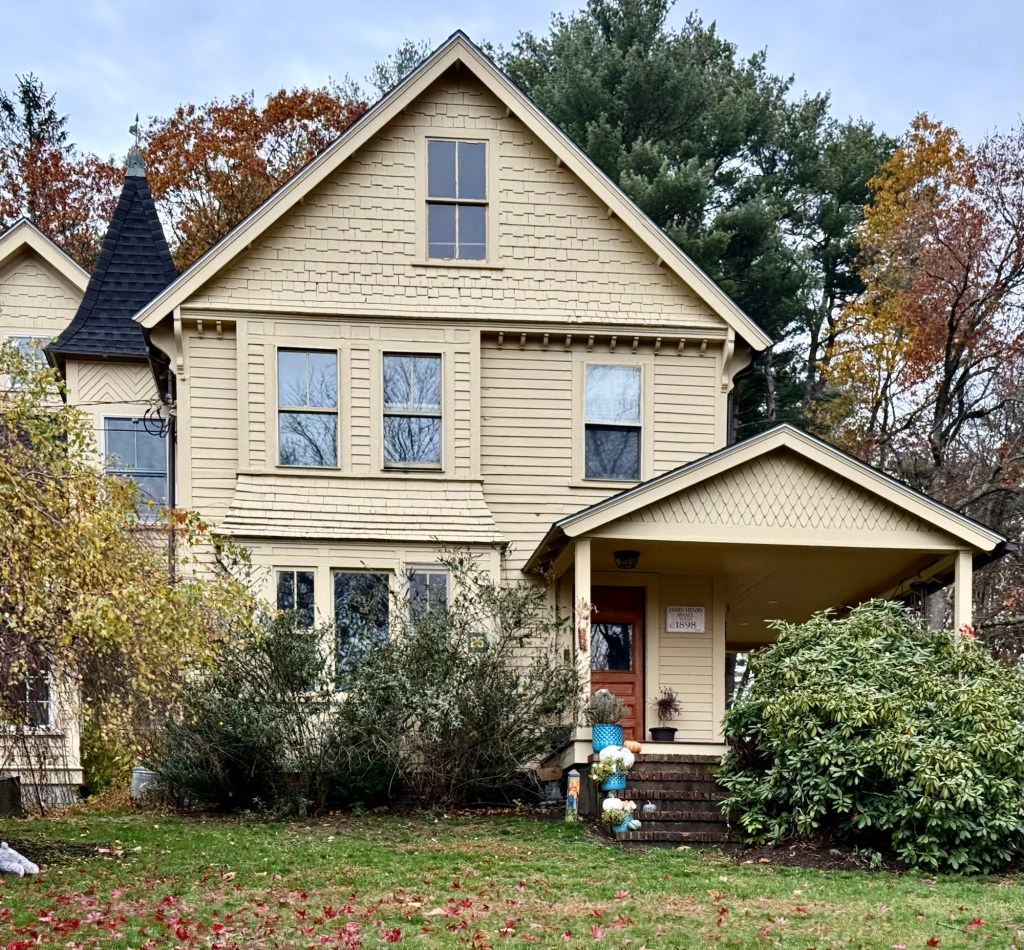
After the completion of the Wayland Railroad Depot in 1881, suburban development in Wayland Center increased, where the village saw dozens of large homes built in the late 19th and early 20th century. On Bow Road, the James H. Small House was built around 1898 by and for its namesake, who worked as a carpenter and builder in town. James Henry Small (1847-1913), while not a trained architect, built this home as a late example of the Queen Anne style, as the Colonial Revival style began to proliferate in the village, showing a changing of architectural taste. The James Small House consists of a main gable-front block with a side wing that includes a square tower. The use of clapboards, differing shingles, and diagonal sticks provide variety and texture to the house and serves as a unique contribution to the village which is largely dominated by rigid symmetry and vernacular of Colonial-era homes.

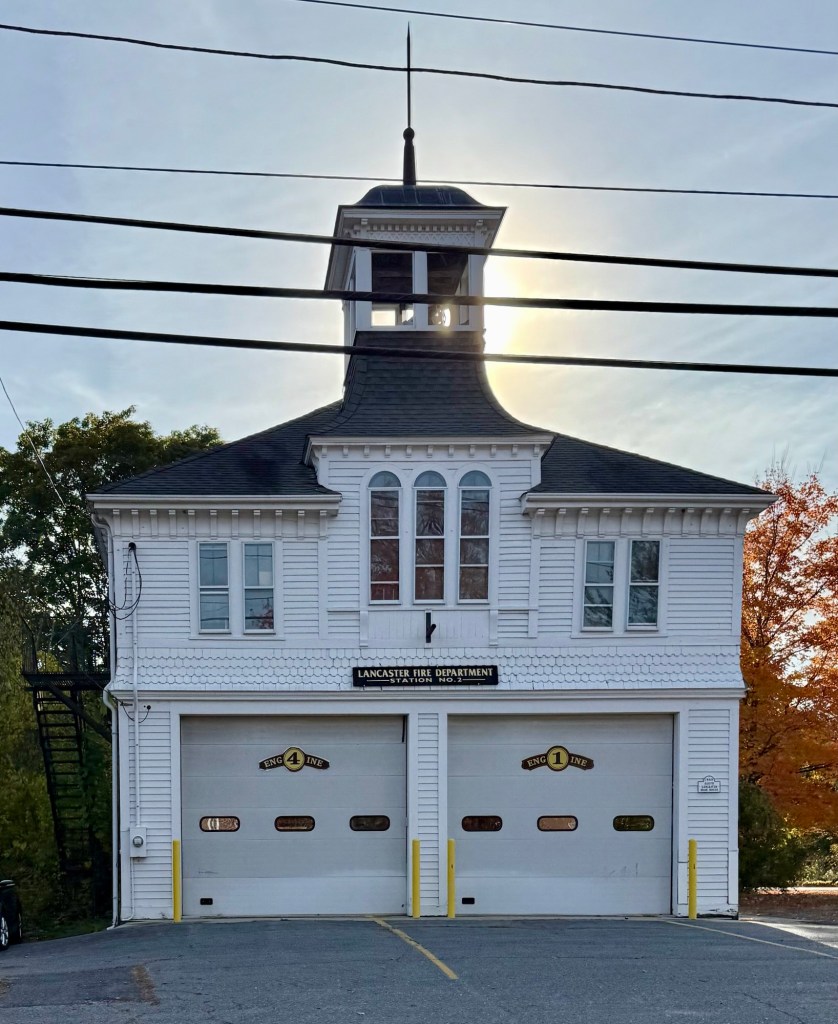
South Lancaster Engine House // 1888

The South Lancaster Engine House is located in the village of South Lancaster, Massachusetts, and is one of the town’s three remaining historic fire stations and the oldest that remains in use by the local fire department. At the Town Meeting of June 18, 1887, it was decided that $3, 500 would be expended to build a station for the Fire Department in South Lancaster. Construction began in 1887, and was completed in March of 1888 from plans by architect, C.A. Woodruff. The station housed horse-drawn wagons, including one sleigh, and featured a bell in the belfry to call attention to the public. The station appears much like it did when built in 1888, besides the bright white paint color and the modification of the engine doors for the new, larger fire trucks. 

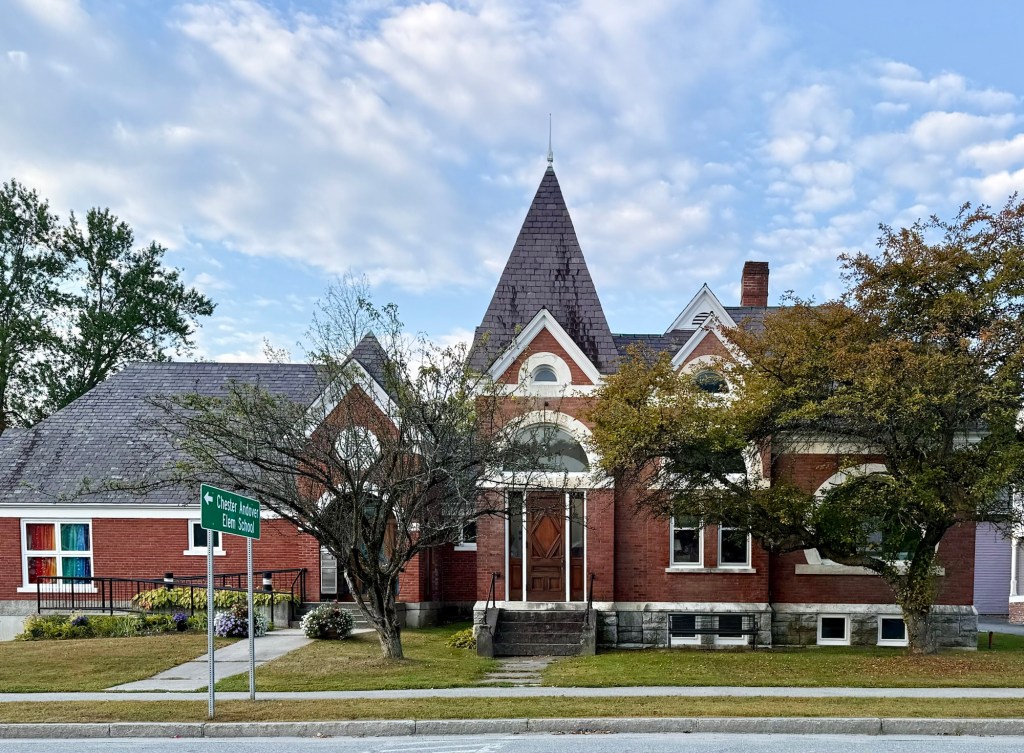
Whiting Library // 1891

The Whiting Library in Chester, Vermont, was designed by architect George H. Guernsey, and is said to be the only building in the village designed by a regionally significant architect. For the design, Guernsey created an eclectic library blending Romanesque and Queen Anne influences that strikingly enhance the library’s relatively modest physical stature. The building was named to honor Chester physician, Laurin G. Whiting and his wife, Abigail, who donated funds for the land and building. The polychromatic brick and granite building features unique gables, corner tower, and arched openings, which were carried over to a lesser scale into an addition a few decades ago.

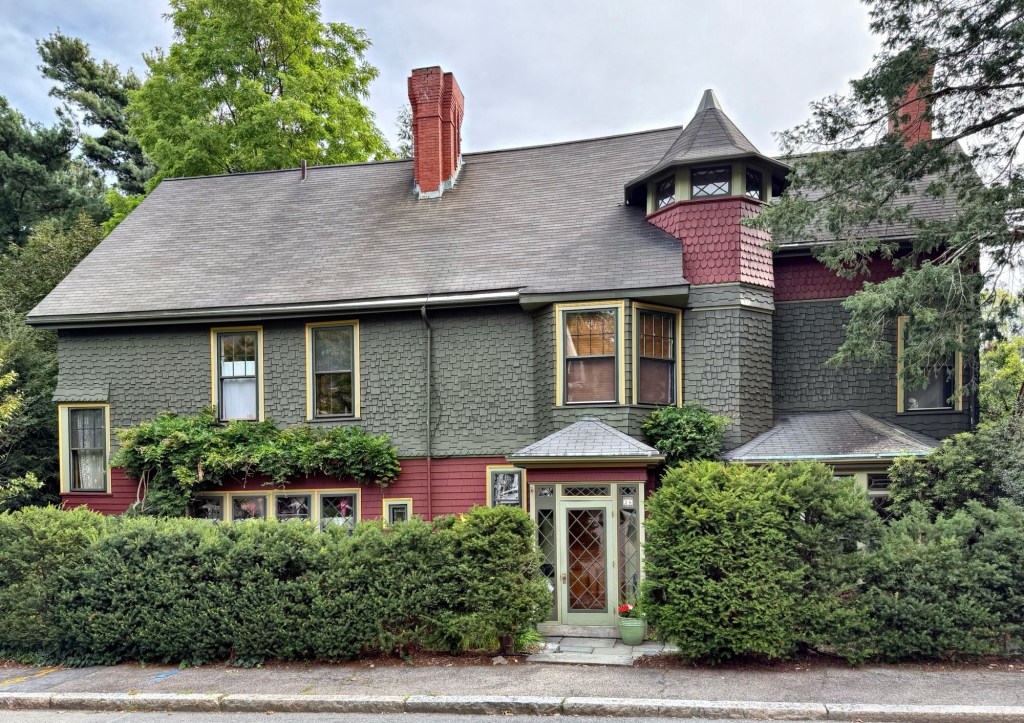
Samuel Cabot Jr. House // c.1886

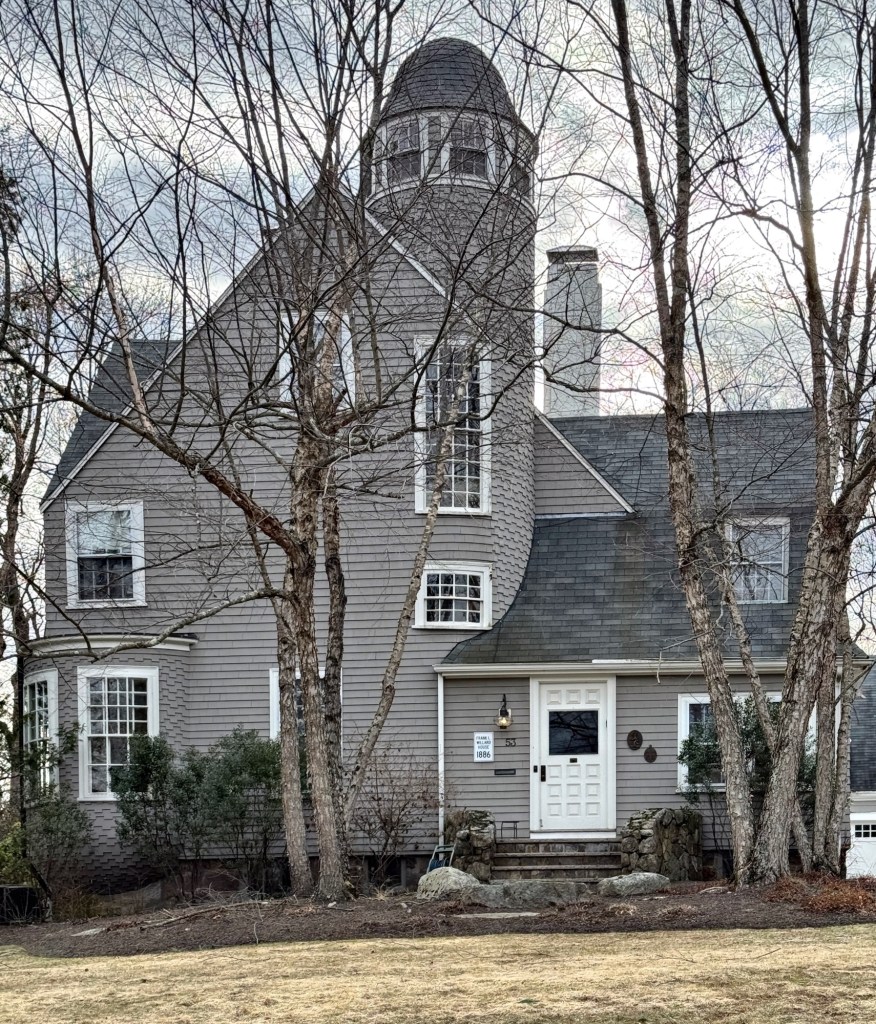
This altered Queen Anne/Shingle style residence on Edgehill Road in Brookline, Massachusetts, was built around 1886 as a suburban retreat for Samuel Cabot Jr. (1850-1906) and his wife, Helen (Nichols) Cabot. Samuel Cabot, a member of the affluent and well-connected Cabot family of Boston, was a chemist who worked alongside his uncle, Godfrey Lowell Cabot, to produce household disinfectant, sheep dipwood preservatives, and shingle stain using coal tar that was a by-product of the gas works in Boston. Their companies would split, with Samuel’s part of the company continuing as Samuel Cabot Incorporated, and Godfrey’s became Cabot Corporation. To showcase his company’s amazing wood stains, Samuel Cabot had this house built in Brookline, from plans by his uncle, Edward Clarke Cabot, of the firm Cabot & Chandler. In the 20th century, the house was somewhat streamlined with some dormers removed and the main entry relocated to the present location.

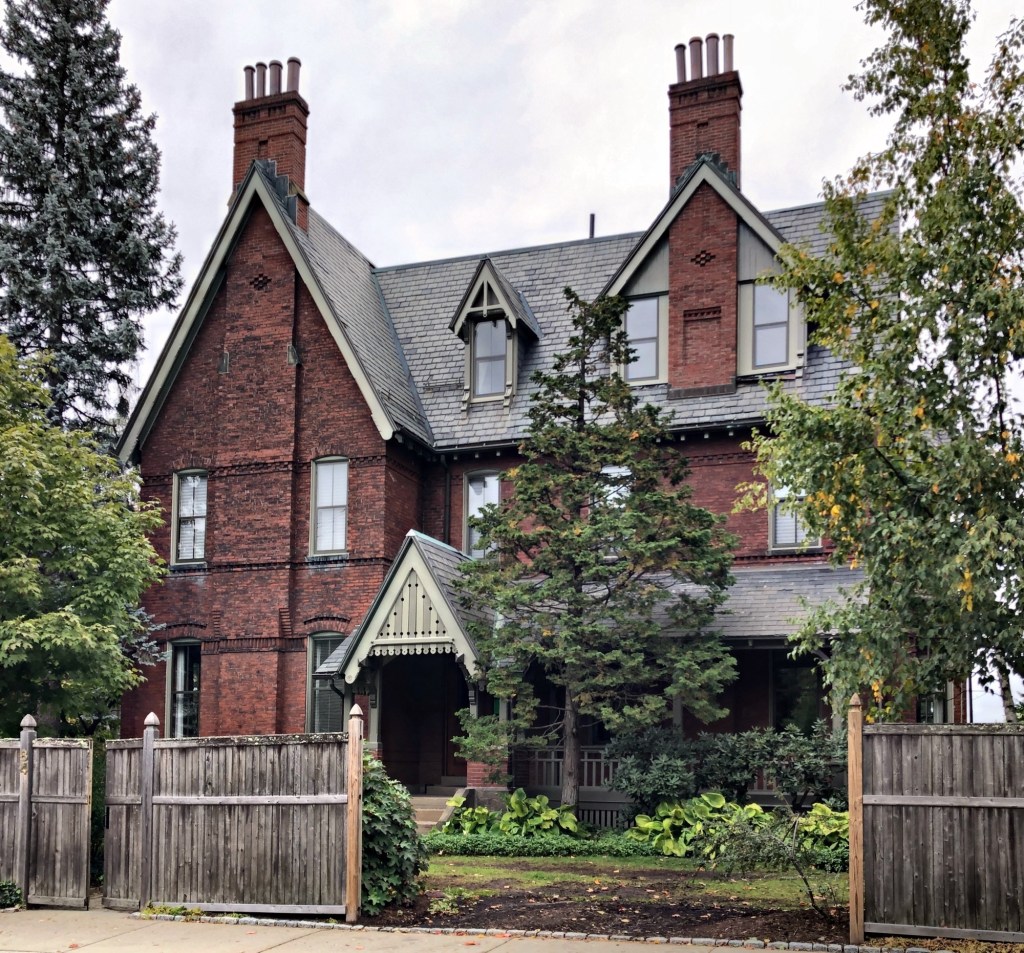
John D. Runkle House // 1875

The John Runkle House on High Street, is one of the most interesting houses in Brookline. Built in 1875 for educator John Daniel Runkle (1822-1902), the brick residence excellently blends early Queen Anne form and flourish with Victorian Gothic design elements all with Stick style entry porches and dormers. John D. Runkle was a noted mathematician who later became the second President of the Massachusetts Institute of Technology from 1868 until 1878. This occurred before MIT moved over the Charles to Cambridge, so President Runkle would not have traveled far to the Institute when located in the Back Bay. The Runkle House was designed by the architectural firm of Weston & Rand with an irregular plan of elaborate belt courses in the brickwork that is set against the extremely steep slate roof with tall prominent chimneys and corner turret. Sadly, the residence is largely obscured by a tall wooden fence, but I caught it on a good day that a panel was down.

Ambrose Burnside House // 1866

What do this unique Victorian house and sideburns have in common? Well, you are about to find out!

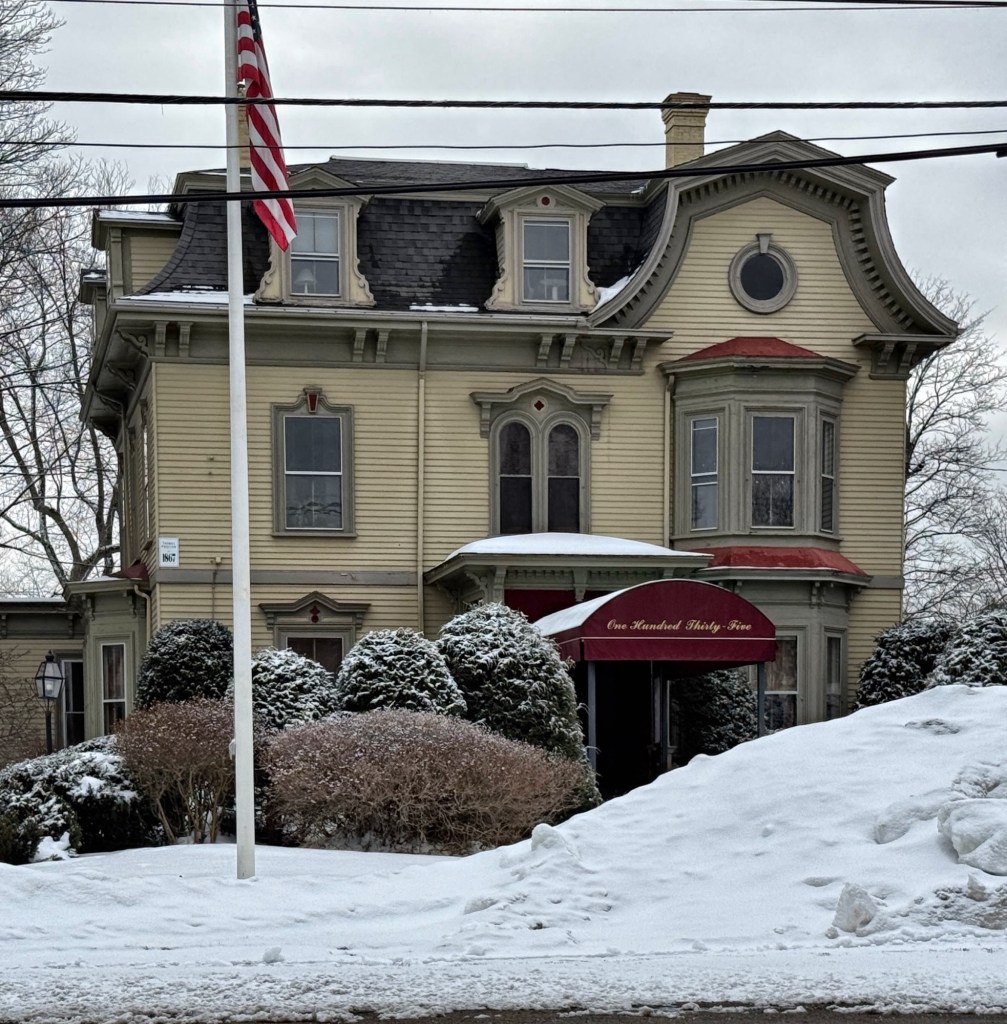
The Ambrose Burnside House is sited on an oddly shaped, and sloping corner lot on Benefit Street in Providence’s East Side neighborhood, and is one of the most unique Second Empire style residences in New England. The house was built in 1866 for General Ambrose Burnside (1824-1881), a Union general in the American Civil War, who returned to Providence and was about to begin a term as governor, followed by two terms in the United States Senate. Ambrose Burnside hired local architect, Alfred Stone, to design his new city mansion, which upon completion, was deemed one of the most “modern residences” in Providence. Built of brick with Nova Scotia stone with a concave slate mansard roof and one-of-a-kind rounded corner bay, the Ambrose Burnside House does not disappoint! Ambrose Burnside died in 1881 and the property was occupied by his sister-in-law until the property was sold in 1884 and housed the Providence Children’s Friend Society House for Aged Women and the Providence Association for the Benefit of Colored Children, providing shelter and food for elderly women and children of color without parents or guardians. After WWII, the Burnside House was converted to apartments.

Now, to the sideburns… Ambrose Burnside was noted for his unusual beard, joining strips of hair in front of his ears to his mustache but with the chin clean-shaven; the word burnsides was coined to describe this style. The syllables were later reversed to give sideburns.

Clark-Cottle House // 1890

One of the most sumptuous Victorian-era homes in Dorchester can be found at 94 Ocean Street, this is the Clark-Cottie House. The residence (and rear stable) was built in 1890 from plans by famed architect Arthur H. Vinal, who designed many other Shingle style and Queen Anne homes in the surrounding neighborhood. The first owners of the mansion were Evelyn and Edward Clark, who after a few years, sold the property to Edgar Cottle, president of the Curtis & Pope Lumber Company. The three-story Queen Anne style mansion features a rounded corner tower, varied shingle siding, shingled porch, and the intact, charming stable at the rear.

Reed-Fitzgerald House // 1891

The Reed-Fitzgerald House at 75 Ocean Street in Ashmont Hill, Dorchester, stands out as a simple, yet beautiful example of the Shingle style of architecture for residential purposes. The house here was built in 1891 from plans by Edwin J. Lewis, Jr., a Boston-born architect who worked at the office of Peabody and Stearns before he opened his own firm in 1887, specializing in suburban houses and churches. The first owner of this residence was George Reed, a Boston insurance executive. Years later, the house was owned by Henry Fitzgerald, possibly Henry S. Fitzgerald, the brother of John “Honey Fitz” Fitzgerald (1863-1950), the Mayor of Boston who resided in a since demolished house in the neighborhood. Mayor John Fitzgerald was the father of Rose Fitzgerald and maternal grandfather of her sons President John F. Kennedy, Attorney General Robert F. Kennedy, and Senator Ted Kennedy. Recently, the owners of the Reed-Fitzgerald House have restored the exterior, and stained the shingles the lovely rust color.

Dillaway House // 1889

One of the finest and refined examples of the Shingle style in Boston can be found on Alban Street in the Ashmont Hill section of Dorchester, a lovely, walkable neighborhood where you can find timeless examples of just about any Victorian-era architectural style. Built for Charles F. Dillaway, a banker in Boston, this home was designed by local architect, Edwin J. Lewisarchitect for many houses in the Ashmont area.  Lewis’s designs are distinguished by their crisp geometry, often with horizontal lines emphasized and small-paned windows. The house has been slightly modernized by later owners who added new siding within the inset porch and a more moody color scheme.