Richard P. Spencer House – Deep River Public Library // 1881

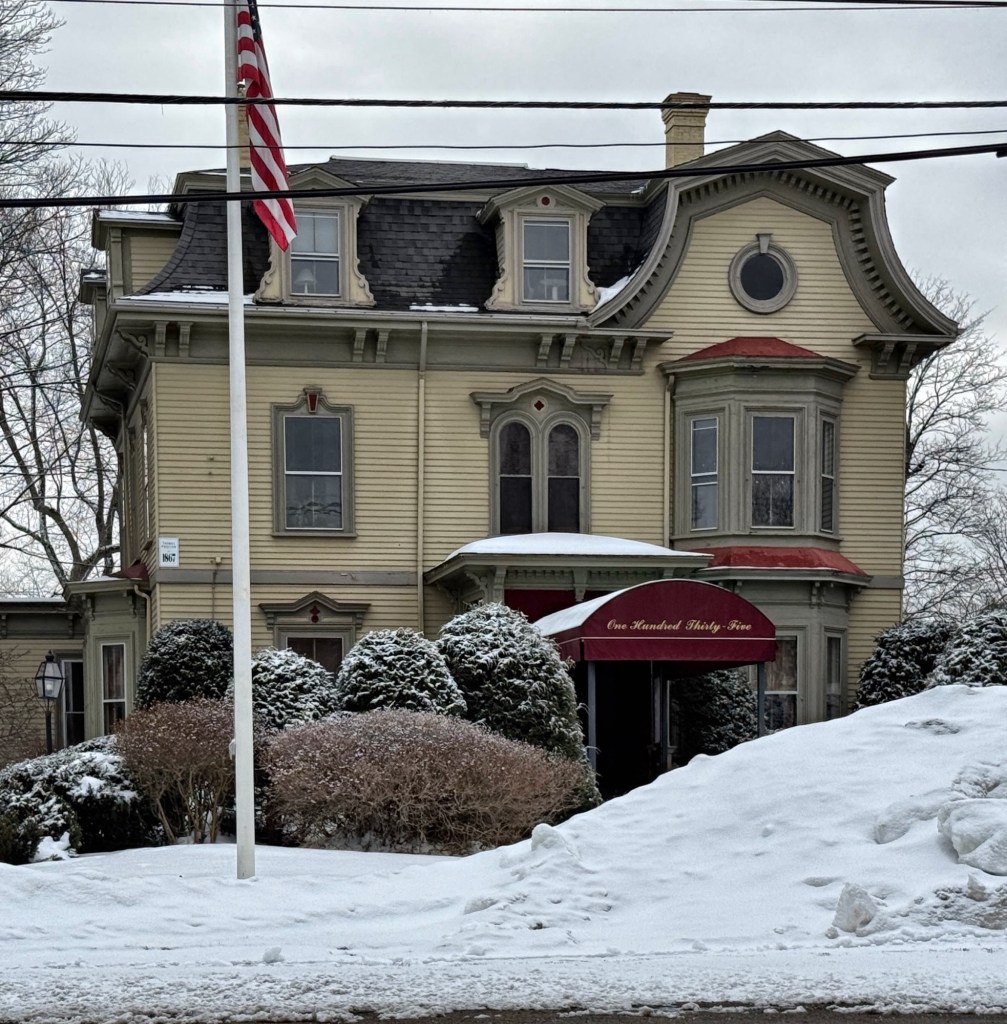
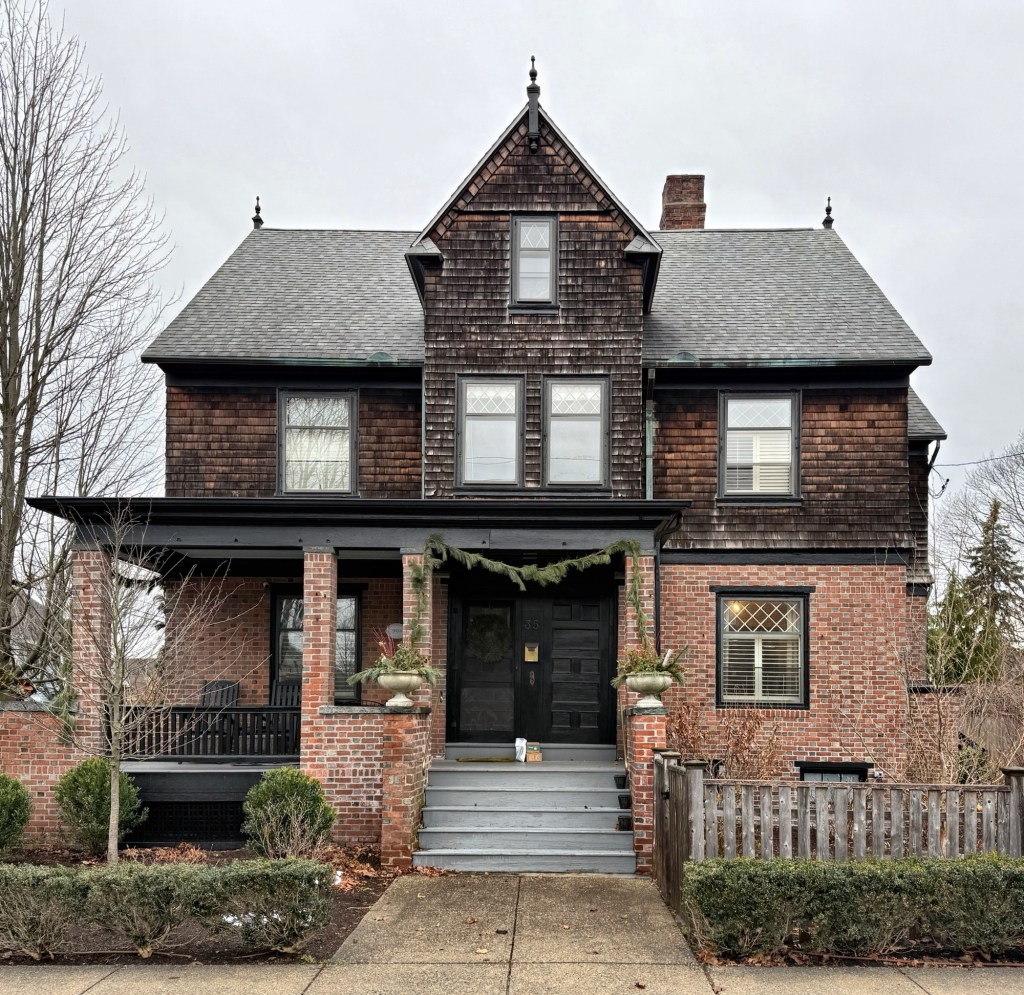
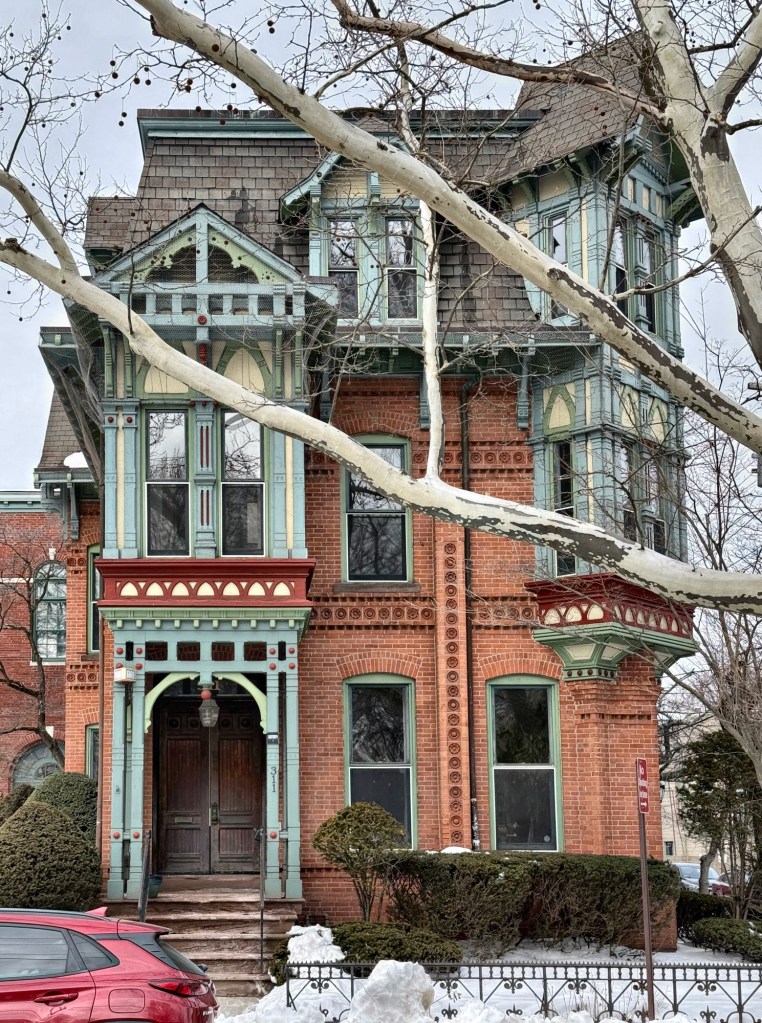
The finest extant Queen Anne Victorian-era house in the town of Deep River, Connecticut, is located on Main Street and since the 1930s, has been home to the town’s public library! How’s that for adaptive reuse?! This residence was built in 1881 for Richard Pratt Spencer (1820-1910), a local prominent businessman who lived to be 90 years old. Spencer lived here with his second wife, Juliana Selden, who was 32 years his junior, and three children until his death in 1910. When Spencer’s widow died in 1932, the heirs sold the property to the Saybrook Library Association (before the town renamed Deep River in 1947), which then, in turn, sold the building to the town for a small price in order to convert it into a library. Opened to the public in 1931, the Deep River Public Library has been preserved inside and out with historic fireplaces, woodwork, and features. The only notable change occured in 1995 when a children’s room addition was built to resemble an old porch. The library even retains the original pebbledash finish in the gables, a rare detail not commonly found in typical old houses of the period.


Emerson-Arnold Double-House // c.1875

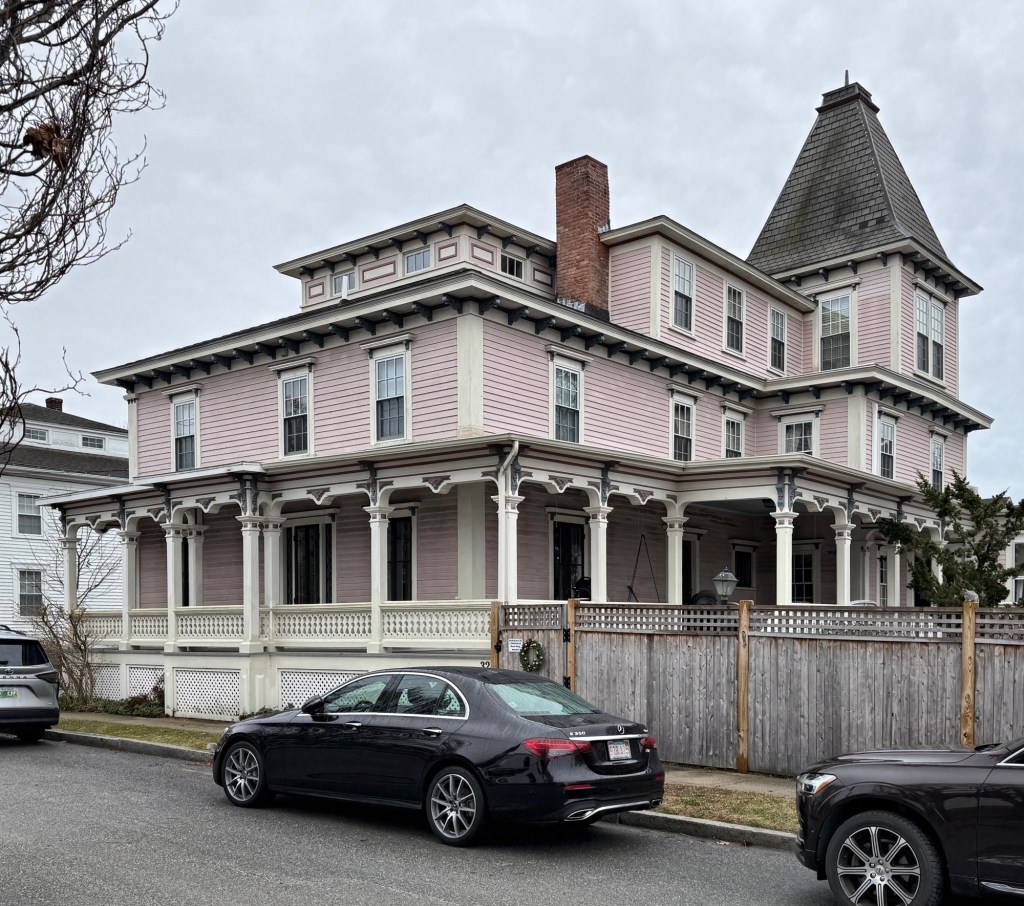
Elijah Carleton Emerson (1807-1888) was a wealthy Boston merchant, making his fortune as Director of the Second National Bank and President of the Middlesex Horse Railroad. In his late 30s, he purchased land in Brookline Village and established his estate on the land that is now Emerson Park in 1846. The bucolic setting of his estate included a pond, boathouse and adjacent cottage, but as the surrounding area continued to develop with easy access to Downtown Boston, Elijah Emerson began to develop his estate. Emerson began to build residences on his land for supplemental income. This handsome Stick style double-house was built around 1880 and rented by Mr. Emerson and was eventually occupied by his granddaughter, Tirzah and her husband, George Francis Arnold. The residence features a mansard roof, decorative brackets and applied stickwork, and a handsome porch with turned posts.

John D. Sturtevant Double-House // 1892

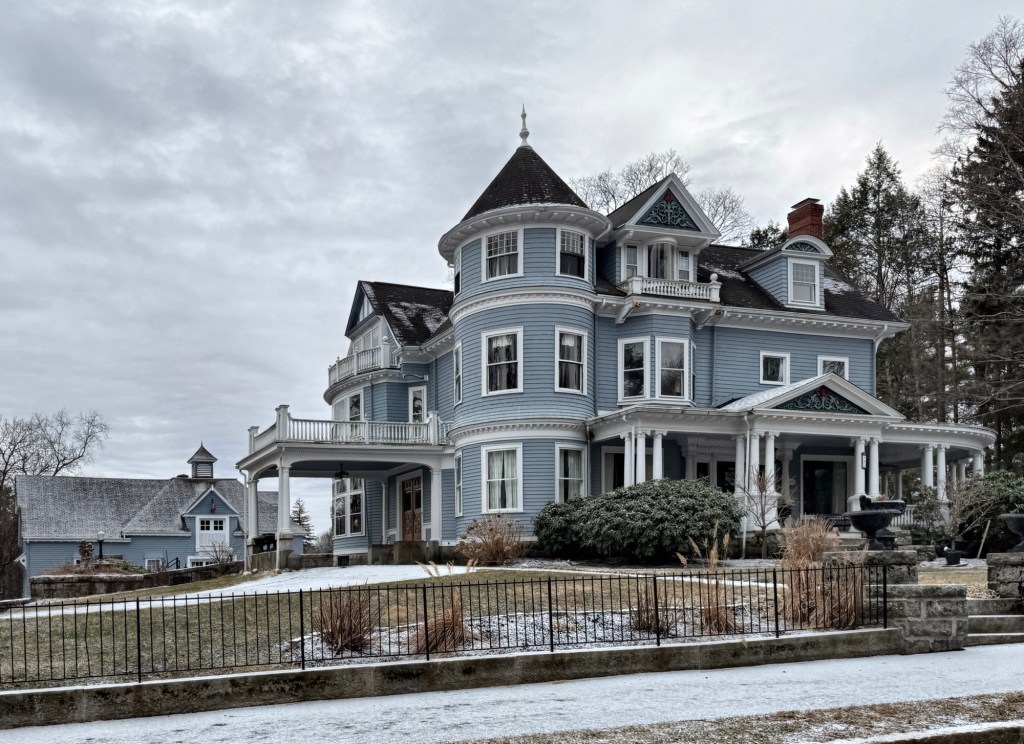
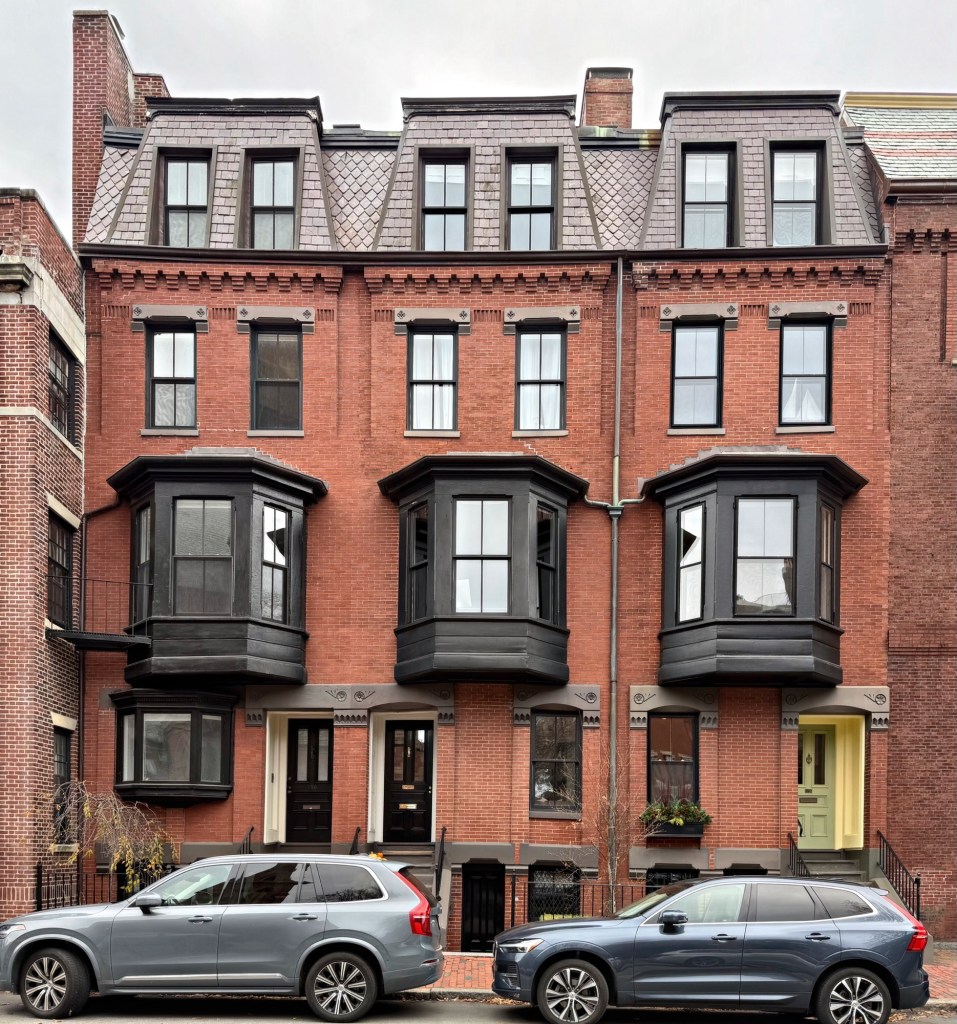
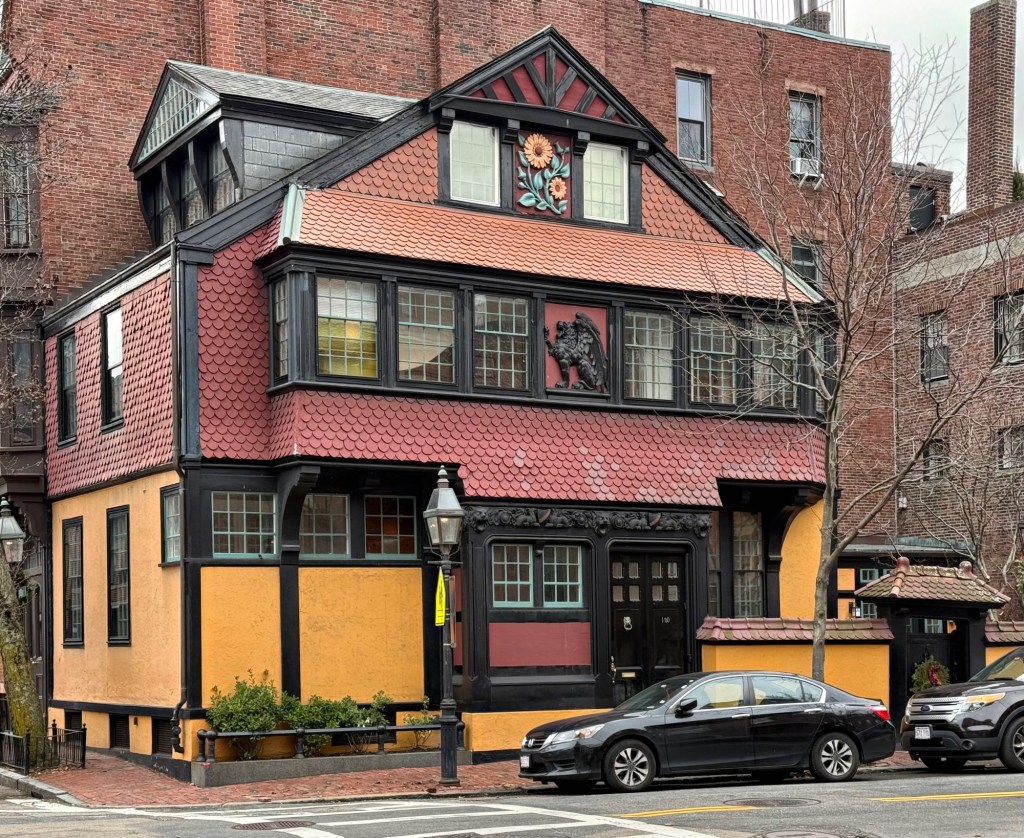
John Dean Sturtevant (1816-1889) was born in New Hampshire and became engaged there in local woolen mills, quickly growing into advanced management positions. He operated woolen mills in New Hampshire, Maine, Connecticut, and Massachusetts, and settled in Brookline where he had access to other states via excellent rail service. When he died in 1889, John’s heirs inherited their late-father’s properties, and began to develop them as Brookline filled out in the last decades of the 19th century. This handsome double-house at the corner of Cypress and Waverly streets was built in 1892 by the Sturtevant Estate, who rented the property to two families of wealthy residents. The Sturtevant Double-House is a landmark and exceptionally preserved example of the Queen Anne style, with varied siding, asymmetrical forms, complex roofline with dormers, and applied ornament in the form of carved panels.

Isaac Rich House // 1846

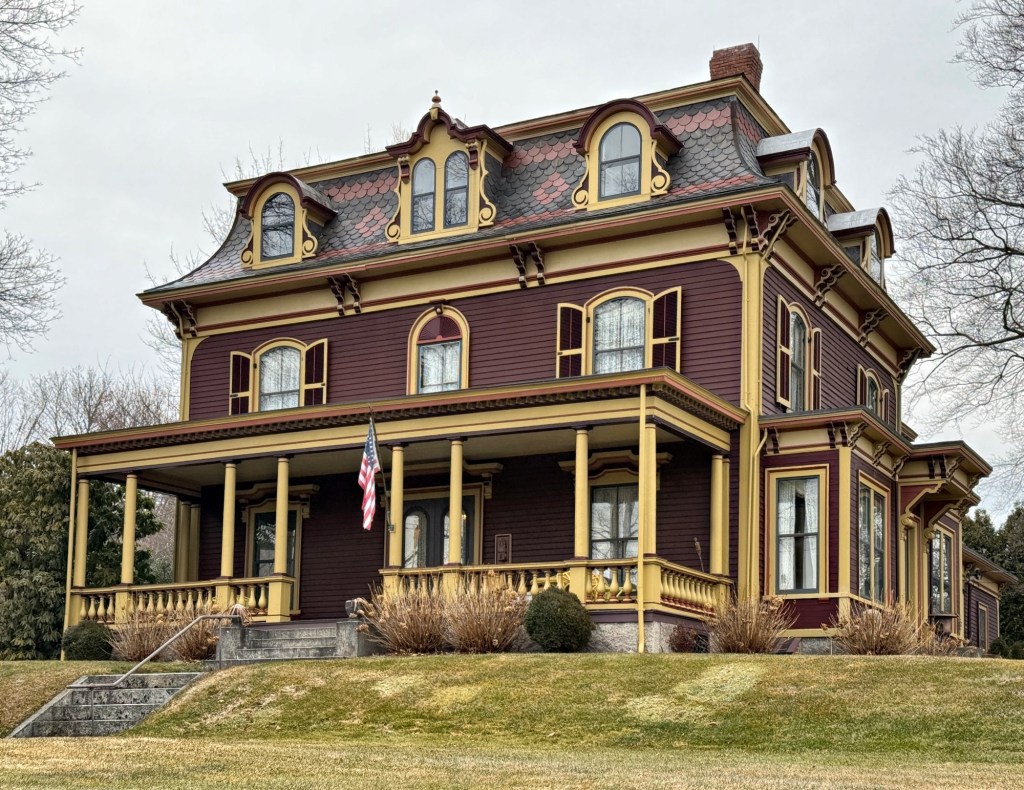
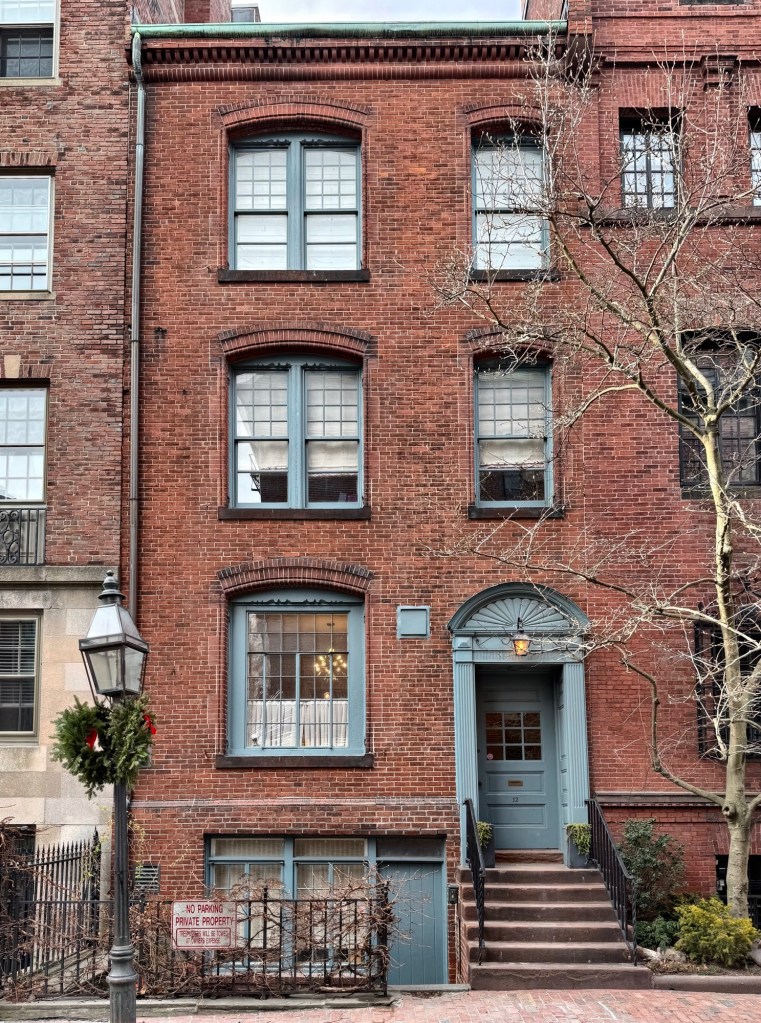
The Lindens neighborhood, located just east of the civic and commercial core of Brookline Village, was long an apple and cherry orchard known as Holden Farm. Beginning in 1843, the area became the earliest planned development in the town and was laid out as a “garden suburb” for those wishing to escape the growing congestion of Boston. As originally conceived in 1843, it reflected the latest ideals of planned residential development for a semi-rural setting on land owned by Thomas Aspinwall Davis. The streets, parks, and house lots here were laid out by civil engineer, Alexander Wadsworth, who two years earlier, laid out plans for Mount Auburn Cemetery in Cambridge, the first “Rural Cemetery” in America. Early homes were built on speculation by John F. Edwards, an architect-builder, for Davis, who was strict about high-quality designs in the Greek and Gothic revival styles in his newly laid out neighborhood. This house on Linden Street was built in 1846 in the Greek Revival style and was purchased upon completion by Isaac Rich. Isaac Rich (1801-1872) was a prominent merchant and philanthropist and founder of Boston University. The house was modernized in the 1860s with the addition of a mansard roof and paired windows.

Dr. Tappan Eustis Francis House // 1879

Located on Davis Avenue, a narrow residential street in Brookline Village, the Dr. Tappan Eustis Francis House is an unusual work by an architect that differs from the style they became best-known and sought after. Dr. Tappan Eustis Francis (1823-1909) graduated from Harvard College in 1844 and Harvard Medical School in 1847 and moved to Brookline where he practiced medicine for over 50 years. For his Brookline residence, Dr. Francis hired William Ralph Emerson, who has become best-known for his Shingle style designs and summer cottages that lined the New England coastline and in Boston suburbs, to furnish plans for his suburban residence. For Dr. Francis’ home, Emerson envisioned a brick house in the English Queen Anne style. The tall chimneys with panel brick designs, corbeled brick brackets and terra-cotta decorations in the gable peaks, and the massive slate-roofed entry porch are all stunning features on the house; but the most intriguing has to be the bracketed hood on the corner of the house which originally sheltered a wooden bench, as depicted in an 1879 drawing.

George Risley House // c.1870

This unique residence in Wayland, Massachusetts, is tucked away on Corman’s Lane, a dead-end street near Snake Brook, a small stream leading into Lake Cochituate. The house was built around 1870 for George William Risley (1836-1913), a shoe manufacturer and Civil War veteran who settled in Cochituate Village and ran a factory there. Risley was active in town affairs and served as Selectman in 1872, the year in which the annual meeting authorized the selectmen to petition the General Court for Cochituate to separate from Wayland. The petition was ultimately never was filed and Cochituate remains a part of Wayland. The Risley House has five bays and a shallow side gable roof with broad, overhanging eaves supported by brackets. A central porch runs along part of the facade and has intricate turned posts and spindlework. The home remains in great shape and is evocative of mid-late 19th century industrial housing built for factory managers.

Damon-Griffin House // 1869

The Damon-Griffin House at 92 Commonwealth Road in Wayland, Massachusetts, is one of the exemplary buildings constructed in the Cochituate village in town, which prospered in the 19th century and centered around industry. This stately Second Empire style mansion is sited on a rise in the land overlooking Lake Cochituate and was completed in 1869 for George A. Damon (1826-1885), a wealthy businessman. George Damon died in 1885, and the house was sold to Wallace Griffin, one of the Griffin brothers who worked for the Bent Company, a prominent local shoe manufacturer. In 1890, Noble Griffin bought the house from his brother and, as his business prospered, proceeded to fix up the house as the showplace of a successful shoe manufacturer. In the mid-20th century, the Damon-Griffin House became a funeral home, and later was purchased by a developer who subdivided the land to build a suburban-style development of detached homes behind the house, and constructed an addition to the rear with more condominium units.

James H. Small House // c.1898

After the completion of the Wayland Railroad Depot in 1881, suburban development in Wayland Center increased, where the village saw dozens of large homes built in the late 19th and early 20th century. On Bow Road, the James H. Small House was built around 1898 by and for its namesake, who worked as a carpenter and builder in town. James Henry Small (1847-1913), while not a trained architect, built this home as a late example of the Queen Anne style, as the Colonial Revival style began to proliferate in the village, showing a changing of architectural taste. The James Small House consists of a main gable-front block with a side wing that includes a square tower. The use of clapboards, differing shingles, and diagonal sticks provide variety and texture to the house and serves as a unique contribution to the village which is largely dominated by rigid symmetry and vernacular of Colonial-era homes.

Dr. Albert Phillips House // c.1875

Dr. Albert W. Phillips (1838-1929) was born in Marcellus, New York, the son of immigrant parents from England. He studied medicine in the Midwest and later opened a medical practice in Rockport, Illinois, but in response to President Lincoln’s first call for volunteers, he returned to New York and enlisted as a private in the Union cause. He served as assistant surgeon with the 149th N. Y. Volunteers, where he saw action in many battles, including at Gettysburg. After the war, Dr. Phillips moved to the rapidly developing industrial city of Derby, Connecticut, where he opened a family practice. By the 1870s, he built this Stick style residence on Caroline Street. While working as a doctor of great esteem, Dr. Phillips was elected as the fifth mayor of Derby in 1901 and in 1903, was elected as a state senator.His home on Caroline Street in Derby maintains its unique entry porch and trusswork in the gables.

John E. Thayer Mansion // 1883

Photo from real estate listing.

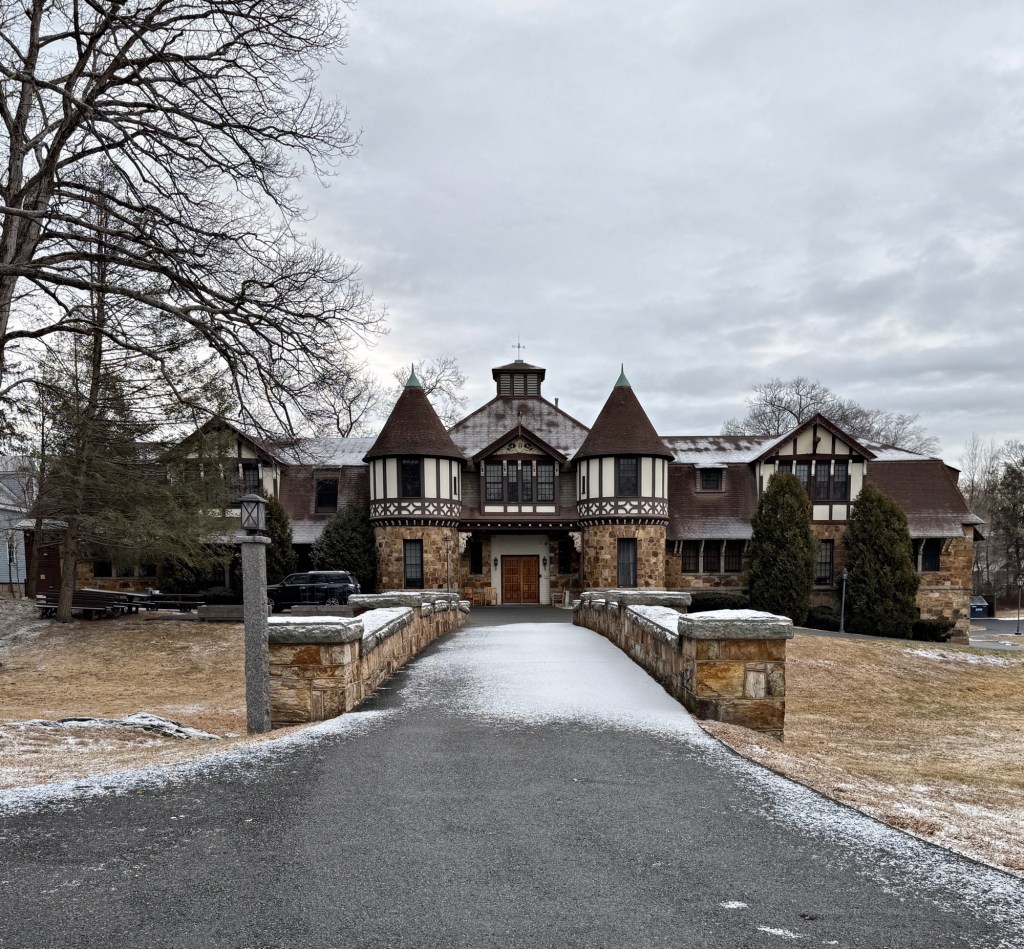
A lesser-known residence built for a member of the wealthy Thayer Family is this stately Queen Anne mansion tucked away in South Lancaster, Massachusetts. The John E. Thayer Mansion was built in the 1880s for its namesake, John Eliot Thayer (1862-1933), who graduated from Harvard College in 1885 and engaged in business before becoming one of the world’s most prominent ornithologists. John began collecting and housed his collections in several wooden buildings close to his home in Lancaster, but when these became unsafe and crowded he built a beautiful brick building in 1903 nearby, opening it to the public as a museum a year later. John Thayer hired esteemed Boston architect, John Hubbard Sturgis, who was then working with his nephew, Richard Clipston Sturgis, to design the English Queen Anne style country mansion. The residence features a stone first floor with wood-frame above that is given half-timbering treatment, suggesting the English design. John Thayer’s country mansion was a short walk away from his twin brother, Bayard Thayer’s mansion, and his other brother, Eugene’s country house, both in Lancaster. The house remained in the Thayer family until the 1960s, and was recently sold to new owners. The interiors are some of the best preserved for a country estate I have seen and worthy of the Thayer name.