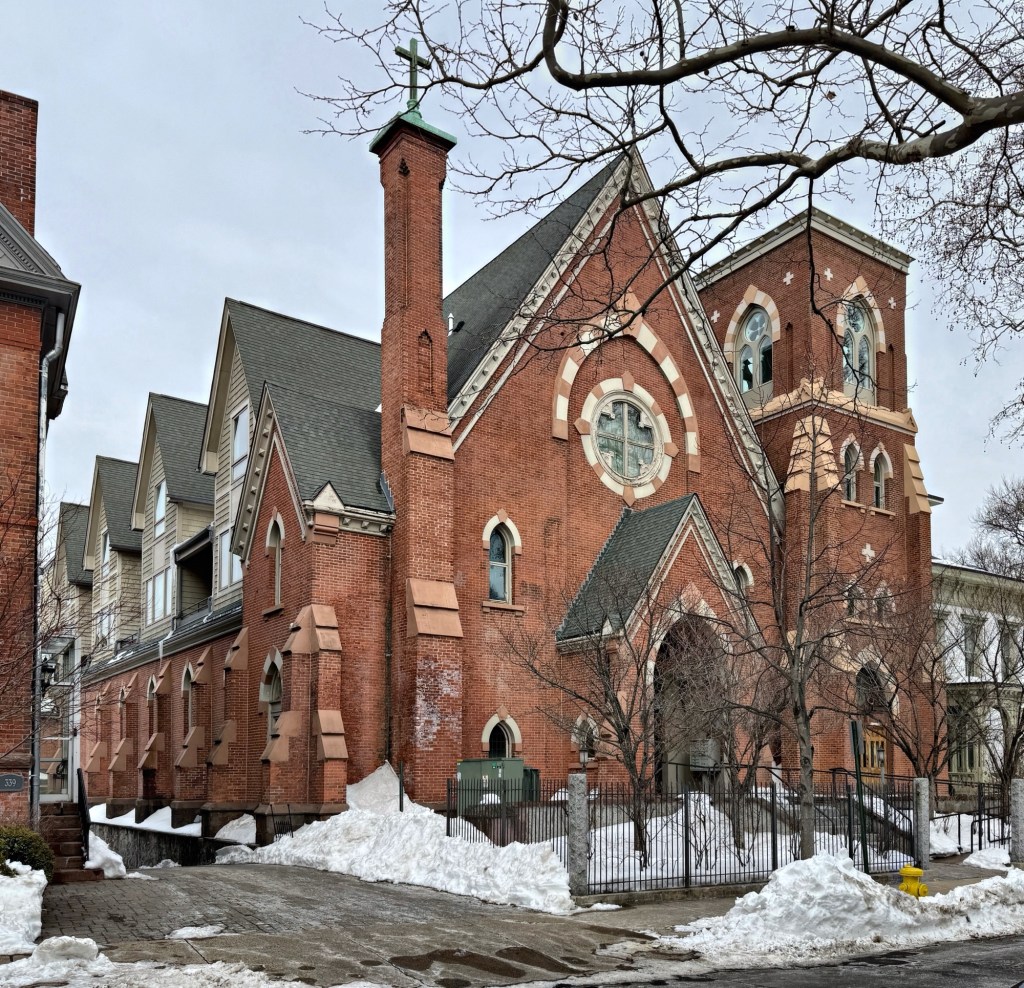
Built in 1872, this Victorian Gothic style church on Greene Street in the Wooster Square area of New Haven, Connecticut, has had a varied history that tells the full story of its neighborhood. The church was originally constructed as the Davenport Congregational Church and was designed by New Haven architect, Rufus G. Russell, who formerly worked many years for Henry Austin, the city’s leading architect, before opening his own firm. In the early 20th century, the neighborhood demographics shifted to a more diverse area of recently arriving immigrants who worked in nearby industry and the edifice was occupied by an Italian Baptist church. 1927, the church was purchased by a local Lithuanian congregation, who re-established the building as the St. Casimir Catholic Church. For nearly 100 years, the church remained an active use anchoring the iconic Wooster Square park until the congregation closed, leaving the building’s fate unclear. Luckily, developers purchased the property, which is located within a local historic district, and converted the church into residential units.
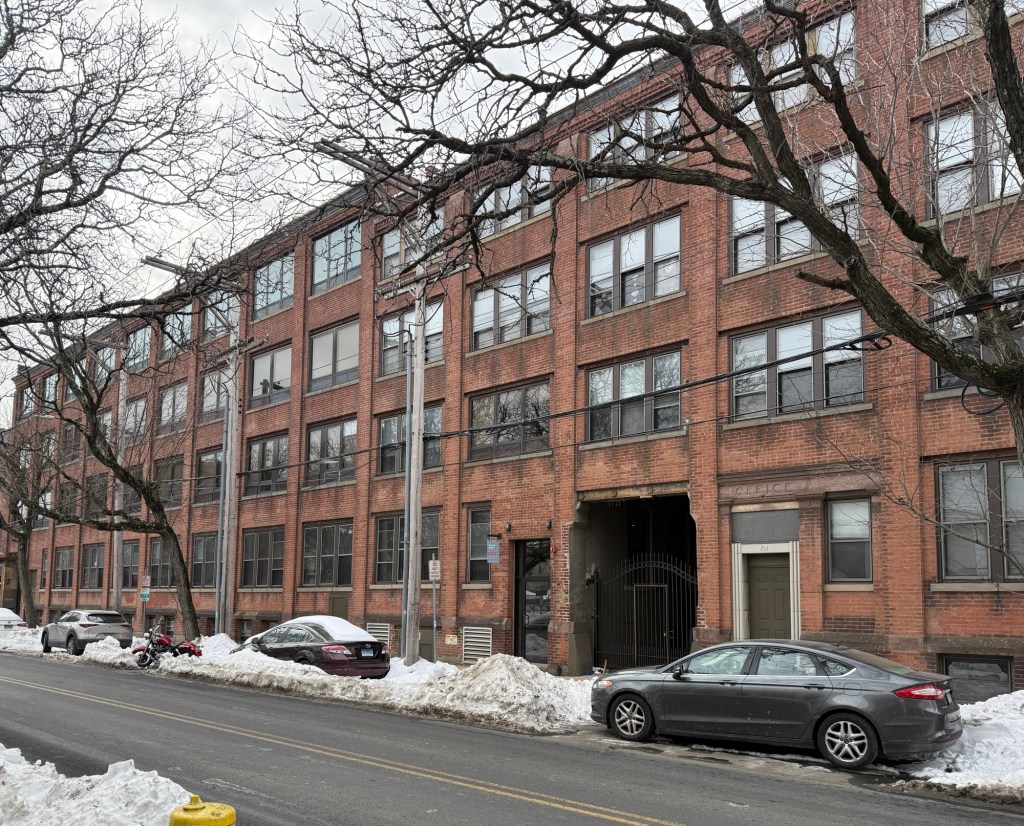
The Strouse, Adler Company Corset Factory is a historic factory complex at 78-84 Olive Street in New Haven, Connecticut that has been adaptively reused into apartments, serving an important second life. Developed between 1876 and 1923, the complex was the largest and oldest of New Haven’s several corset manufacturers, and remained in continuous operation for that purpose until 1998. The company was originally founded in 1861 as J.H. Smith and Company, and was the nation’s first manufacturer of corsets. The business was purchased the following year by Isaac Strouse, who took on Max Adler, a local dry goods retailer, as a partner. The company adopted the name Strouse, Adler in 1899 and was incorporated in 1927. The complex eventually closed and was converted to apartments, serving an important need for housing in the region.
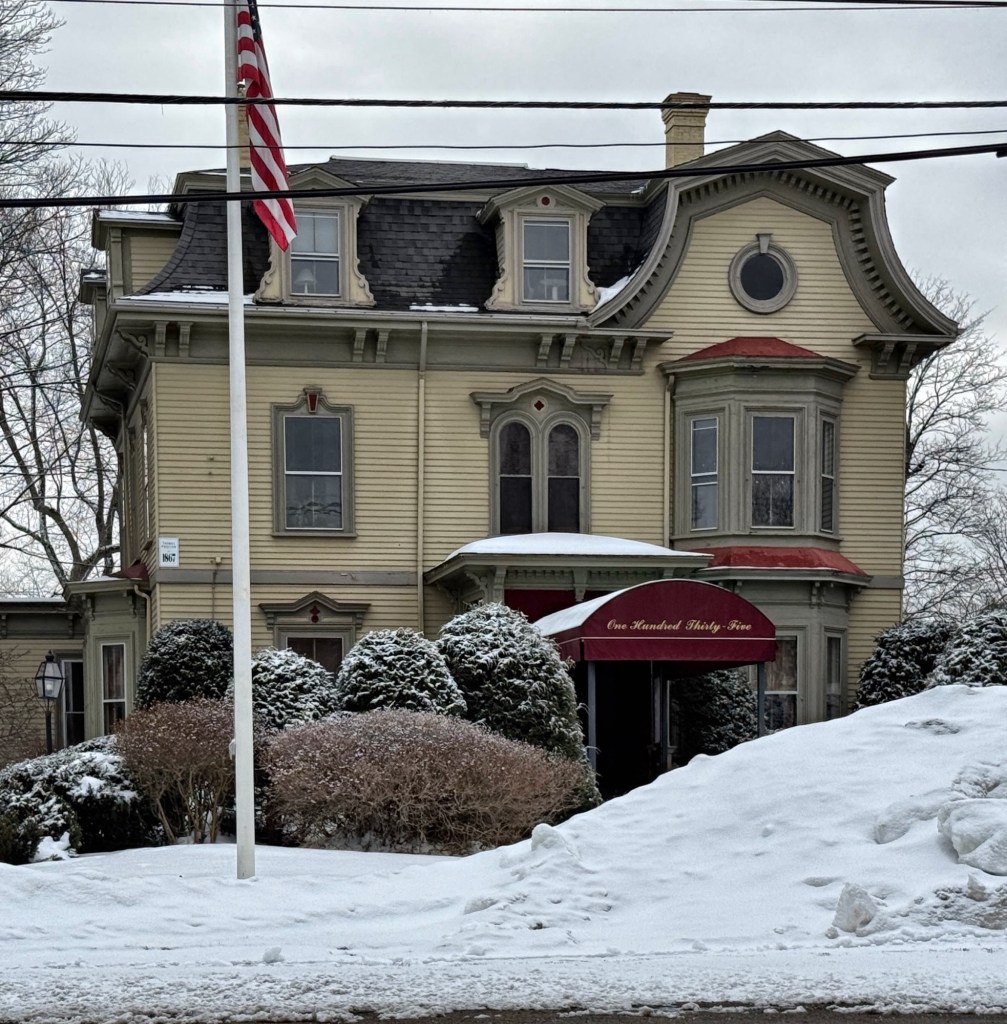
The Fisher-Mason Mansion on South Street in Wrentham, Massachusetts, is among the town’s finest and well-preserved Victorian-era homes. The house is said to have been funded and built in 1868 by Thomas Proctor (who lived in a large Mansard house overlooking the town common) for his daughter, Emma Proctor as a wedding gift upon her marriage to husband, Henry Kollock Fisher, a shoe manufacturer. The couple lived in the home, raising four children here until 1910, when the Proctors sold the property to Otis N. Mason of Providence. Today, the Fisher-Mason Mansion is known as the R. J. Ross Funeral Home, who have operated a funeral home from the residence since before WWII. The mansion features a mansard roof with unique mansard gable at the side sheltering an ocular window.
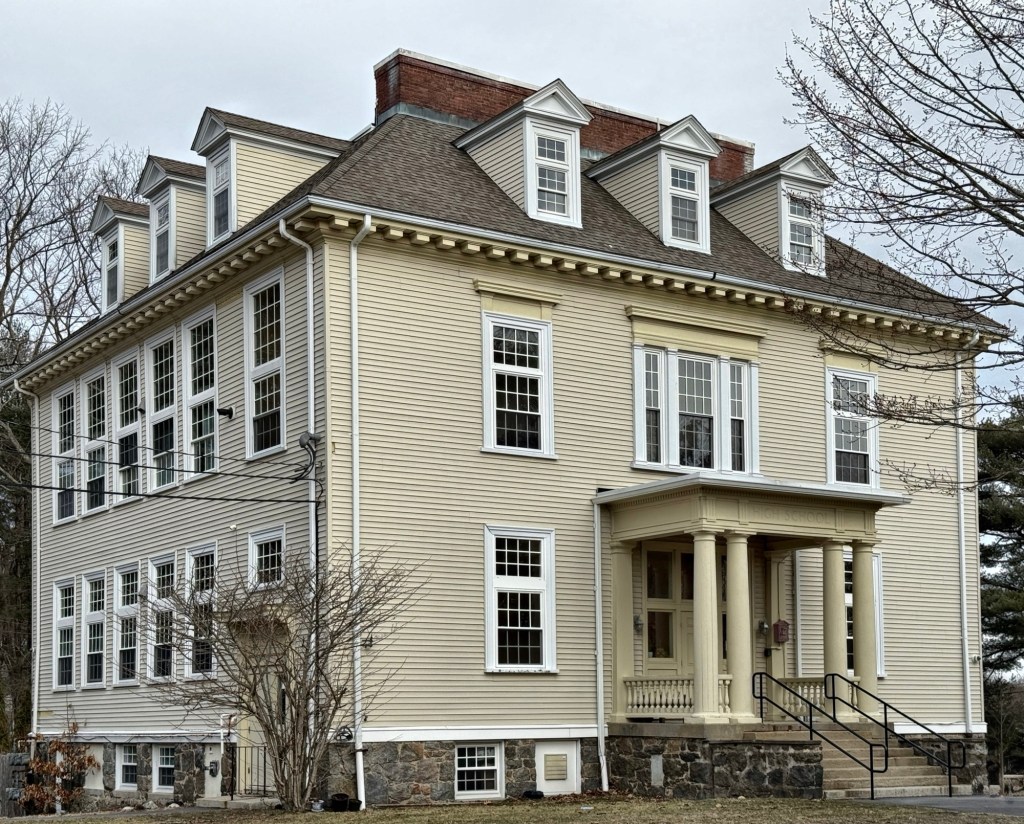
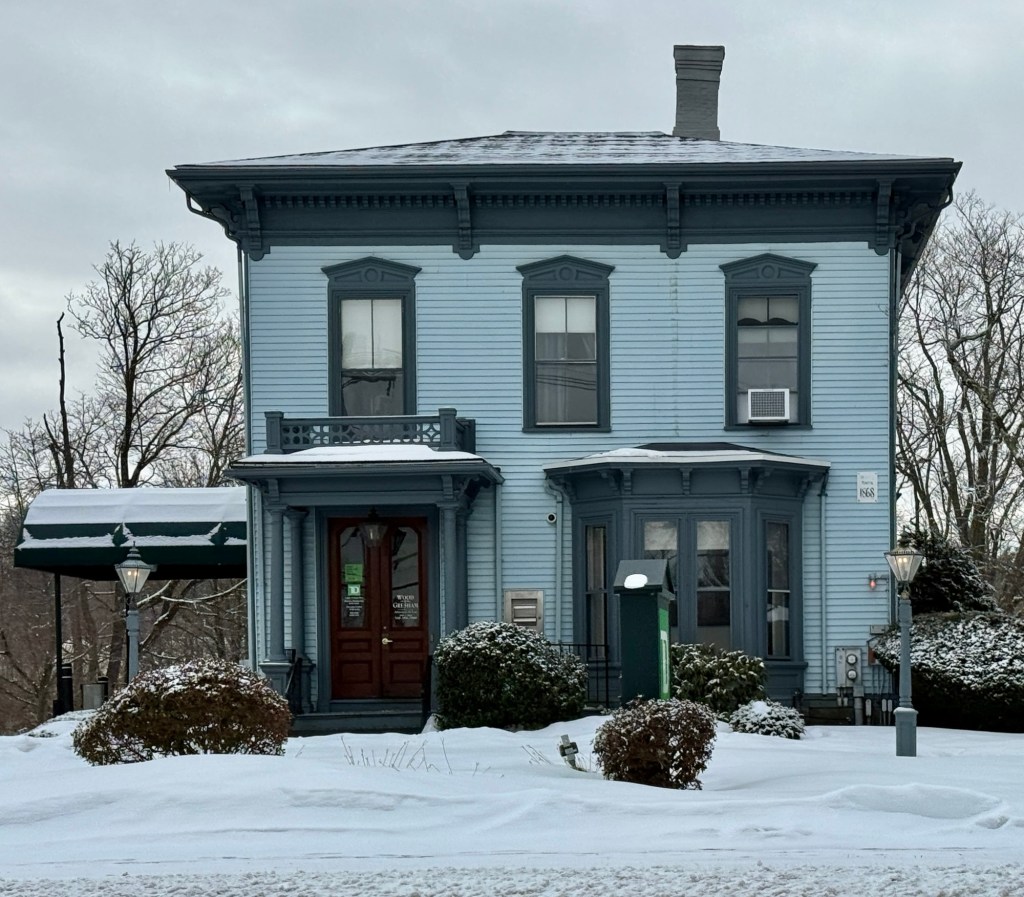
Only in New England will you find a historic 19th century house converted into a bank! The Plimpton-Winter House is located at 127 South Street in Wrentham, Massachusetts, and is among the finest Italianate style houses in the community. The residence was built in 1868 for Francis Newton Plimpton (1828-1913), who worked as a cashier and town treasurer, later becoming President of the National Bank of Wrentham. Two years after Plimpton’s death, in 1915, the house was bought by Murray Winter, who moved to Wrentham with his two brothers and established the Winter Brothers Tap and Dye Factory. The company manufactured gauges and valves during the early 20th century, quickly becoming the town’s largest employer until WWII. In the 1980s, the home was purchased and rehabilitated by the Foxboro Savings Bank to serve as its Wrentham Branch location. Today, the Plimpton-Winter House stands as a TD Bank Branch, where the exterior of the Italianate style residence is preserved, down to its bracketed cornice, ornate trim, bay window, and entry with paired wooden doors. How cool is that?
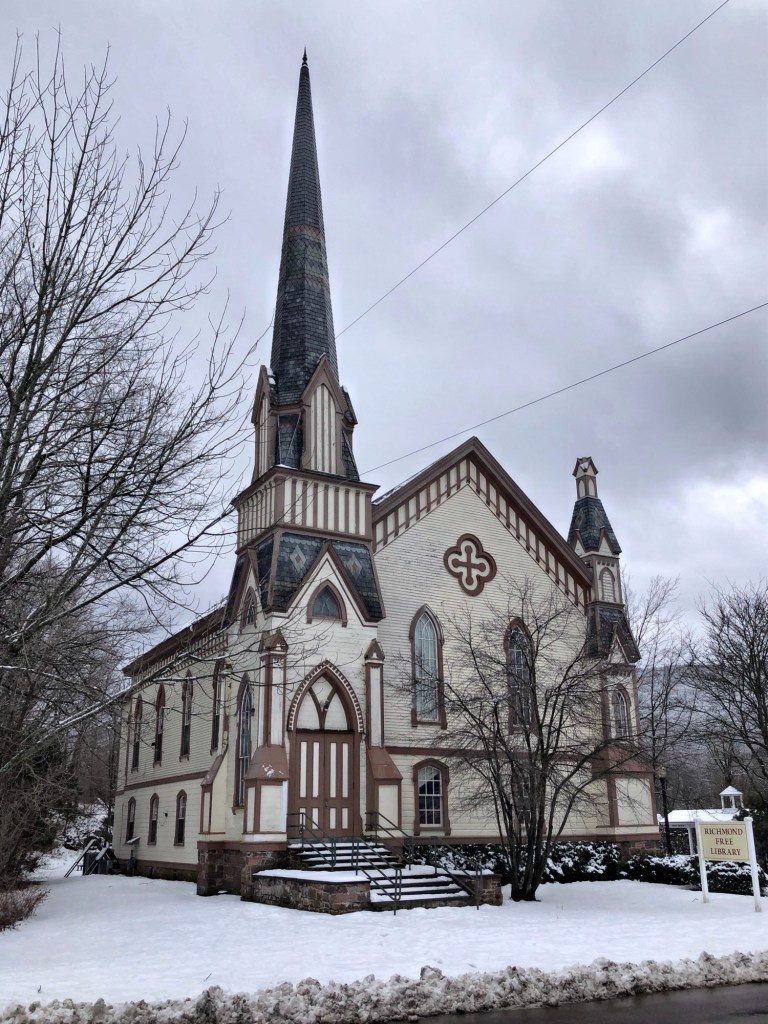
Adaptive reuse of old churches in New England is fairly common; with most conversions into housing or community centers, but have you seen a church turned into a library? Located in the charming town of Richmond, Vermont, this Victorian Gothic landmark was constructed in 1880 after Universalists in the community decided to leave the Round Church where they shared meeting space with other congregations in town. After WWII, the dwindling congregation sold the church to a resident who then offered the property to the Richmond School District, which had its large school next door. Voters accepted the gift at Town Meeting and passed a bond to convert the building into a cafeteria and gymnasium for the school next door. In the mid-1980s, with a new school built elsewhere in town, the school building was abandoned and converted to the Town Hall, with this former church, which served for years as the school gymnasium and cafeteria, eyed for demolition. It was explored to raze the former church and build a new, modern library building in its place. Preservationists petitioned to save the building, acquiring funds to restore the exterior and convert it to a library, and succeeded. Now the town of Richmond is home to one of the greatest examples of adaptive reuse in the state of Vermont.
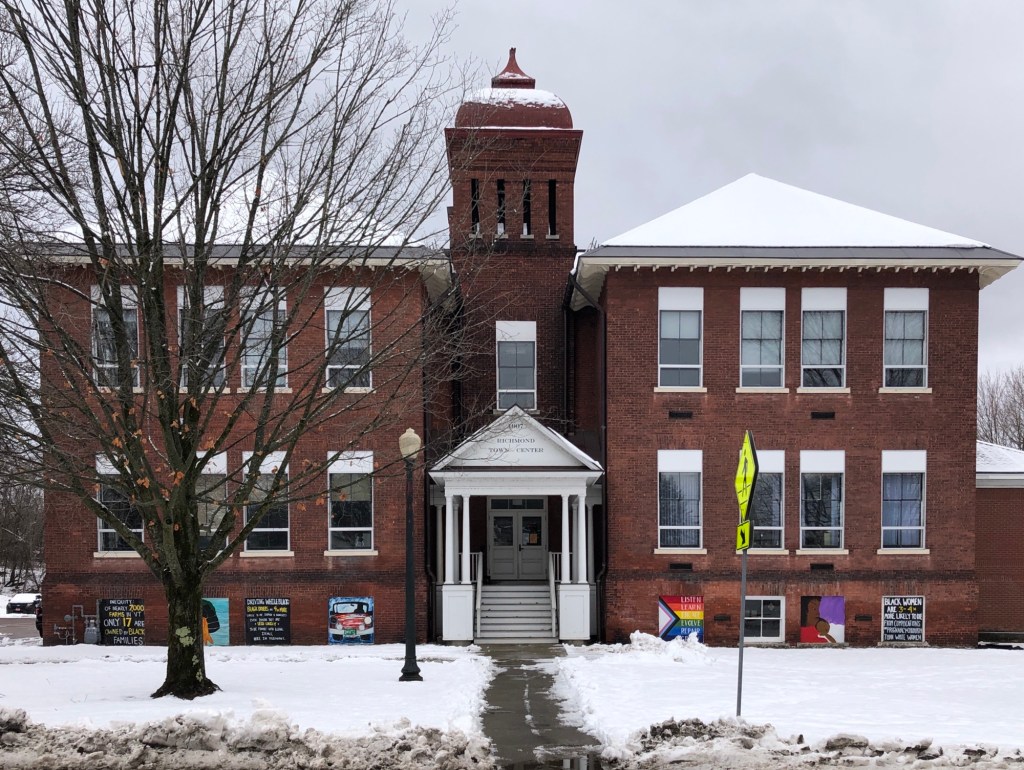
This handsome brick building is located in the historic downtown of Richmond, Vermont, and was built at a time of rapid growth of the small community. Pupils in the town of Richmond originally went to school in small, one-room rural schoolhouses, with the Richmond Academy serving the main village. The old academy building was constructed in 1868 and taught classes from elementary through high school. The building was outgrown as the town grew in the first decade of the 20th century, necessitating a new, larger schoolhouse for the main village. This new school was constructed in 1907, apparently just as the right side and tower, which was expanded with the left half four years later in 1911. Blending Craftsman and Romanesque styles, plans for the school were drawn up by Vermont architect, Frank Lyman Austin. Another rear addition in the 1950s was constructed to meet increased demand until the 1980s when a new elementary school was built in town. Since 1989, the former Richmond School has been home to Richmond town offices. The building, while altered, is an important landmark of the town, showcasing a blending of architectural styles popular in the early 20th century.
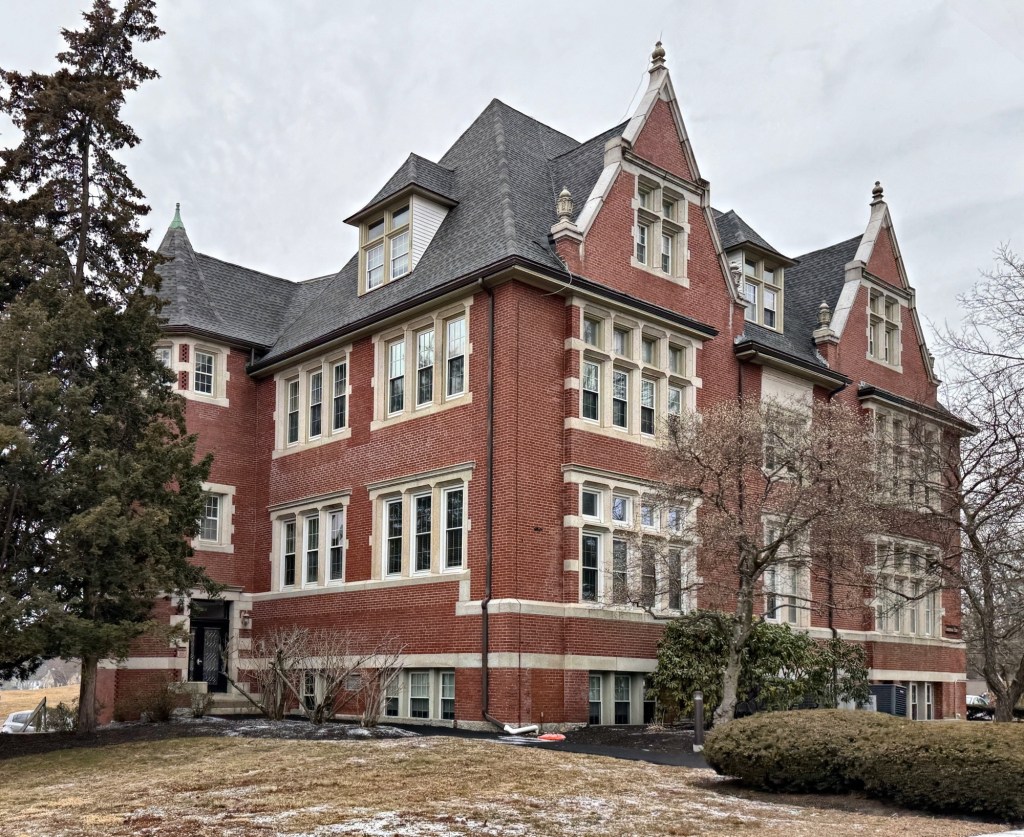
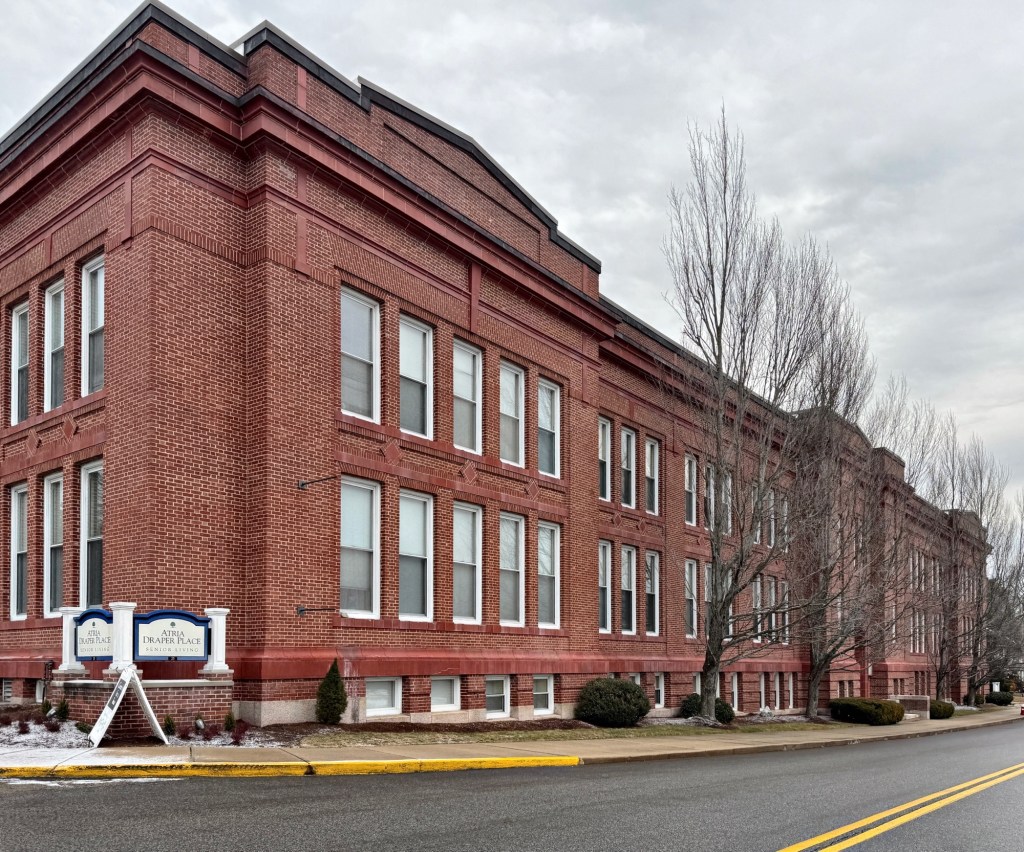
The former Dutcher Street Grammar School in Hopedale, Massachusetts, is a great example of a Tudor Revival/Chateauesque style public school building that has been adaptively reused. Built in 1897, the Dutcher Street School was designed by Charles Howard Walker of the firm, Walker & Kimball, at a cost of $40,000. The school is built of red brick with granite trimmings and is one of the finest late-19th century school buildings in the state. The school closed in the late 20th century after the Draper Factory, the largest employer in town, closed in 1980. Instead of being demolished, the Dutcher Street School was renovated and given an addition to convert the building into condominiums, a great example of adaptive reuse!
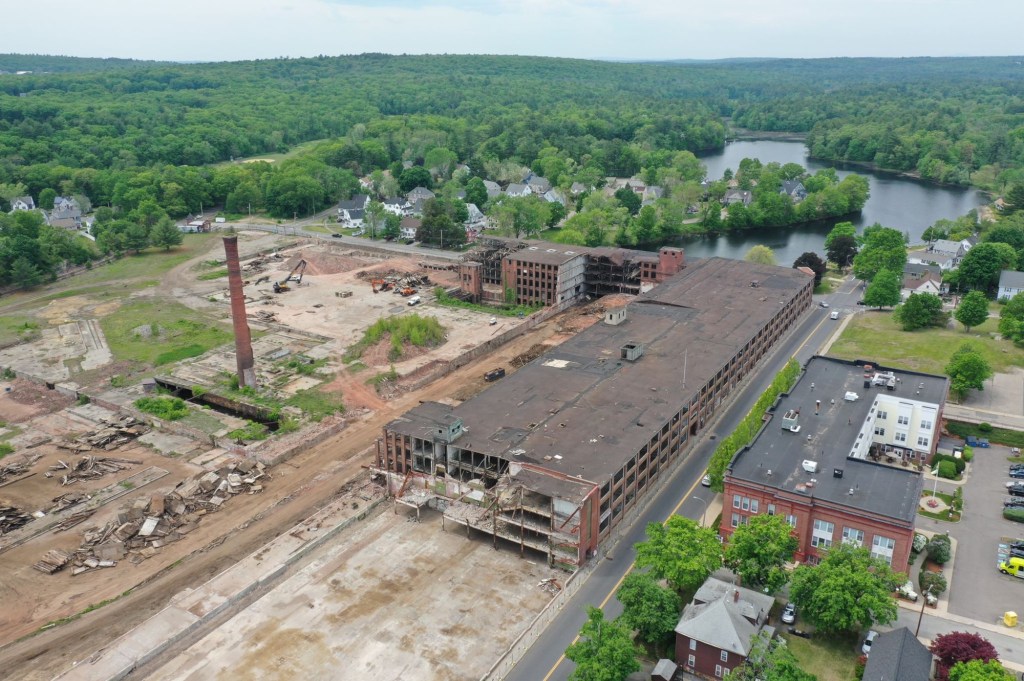
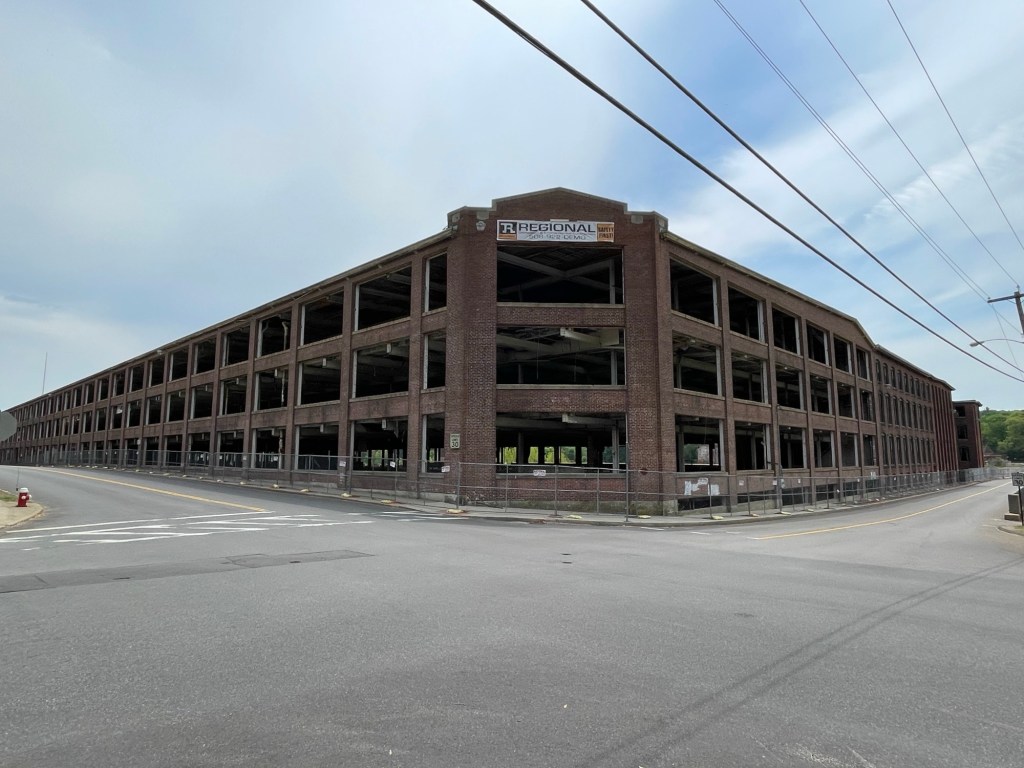
Hopedale, Massachusetts separated from Milford and incorporated in 1886. The “downtown” of the community encompasses industrial, institutional, and residential buildings in Hopedale Village, also known as Draper Village after the long-driver of the local economy, Draper Corporation. Hopedale was largely developed as a planned company town, and its architectural significance and ultimate preservation was largely due to the success of the Draper Corporation as majority owner until the 1950s. The Draper Corporation was originally a small operation in Hopedale in 1841 managed by George Draper (1817-1887), but grew exponentially thanks to his son, George Albert Draper (1855-1926), who had a passion for finding innovative technology to make the production of cloth more efficient. He led the company’s charge to become the nation’s leading producer of machines for the cloth-making industry. In the ensuing decades the factory village of Hopedale became a “model” company town under his leadership, with the business controlling every aspect of the town and worker life in a paternalistic program that extended beyond social structure to include architecture and urban planning of the village. The company developed hundreds of homes for workers, a town hall, library, churches, schools, a fire station, and recreational facilities, along with its factory complex at the center. In1892, with the advent of the Northrop Loom, Draper became the largest producer of textile machinery in the country. Due to their success at the end of the 19th century, much of the complex was built and rebuilt in fire-proof brick factory buildings with large windows to allow light and air into the facilities. Draper’s dominant position within the textile machine manufacturing industry began to erode shortly after World War II, and the company began to sell its company houses to their occupants as private homes in 1956. During the 1960s American textile machinery makers such as Draper lost their technological leadership to foreign manufacturers due to cheap labor, and the general American textile industry collapsed. The plant eventually closed in 1980, and sat vacant until it was decided by the local officials to raze the once great complex, as adaptive reuse was not feasible in the market for such large structures. The mill was demolished in the summer of 2021 and the lot at the center of town remains a brownfield site.
 Buildings of New England