Thayer Bird Museum // 1903

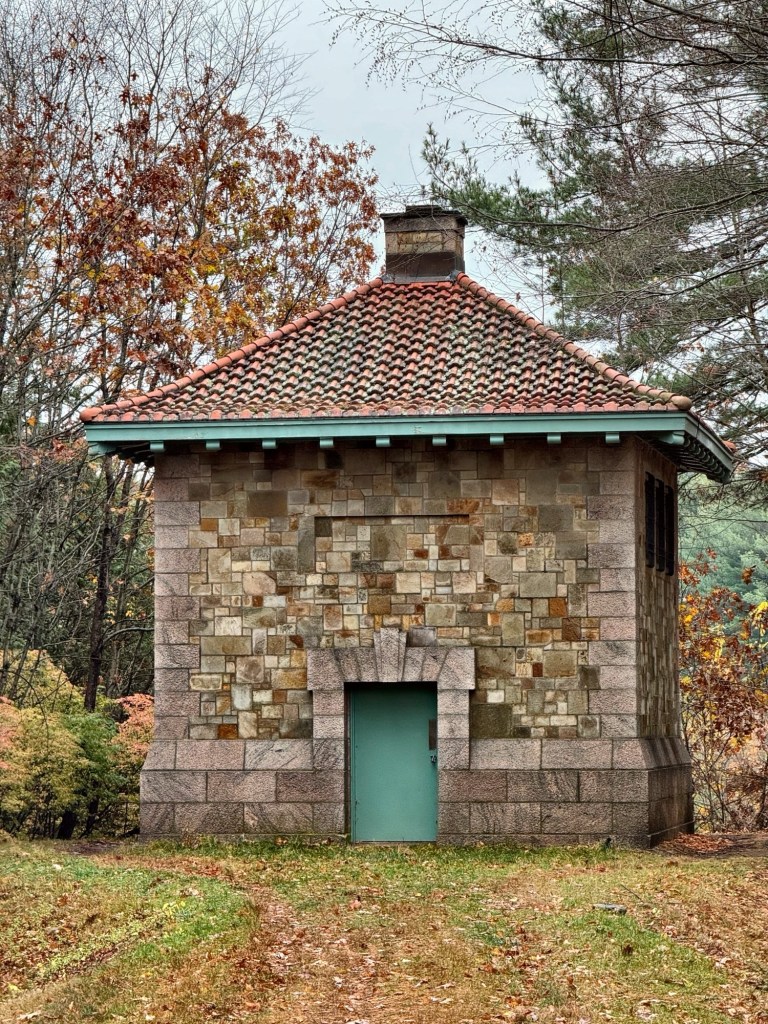
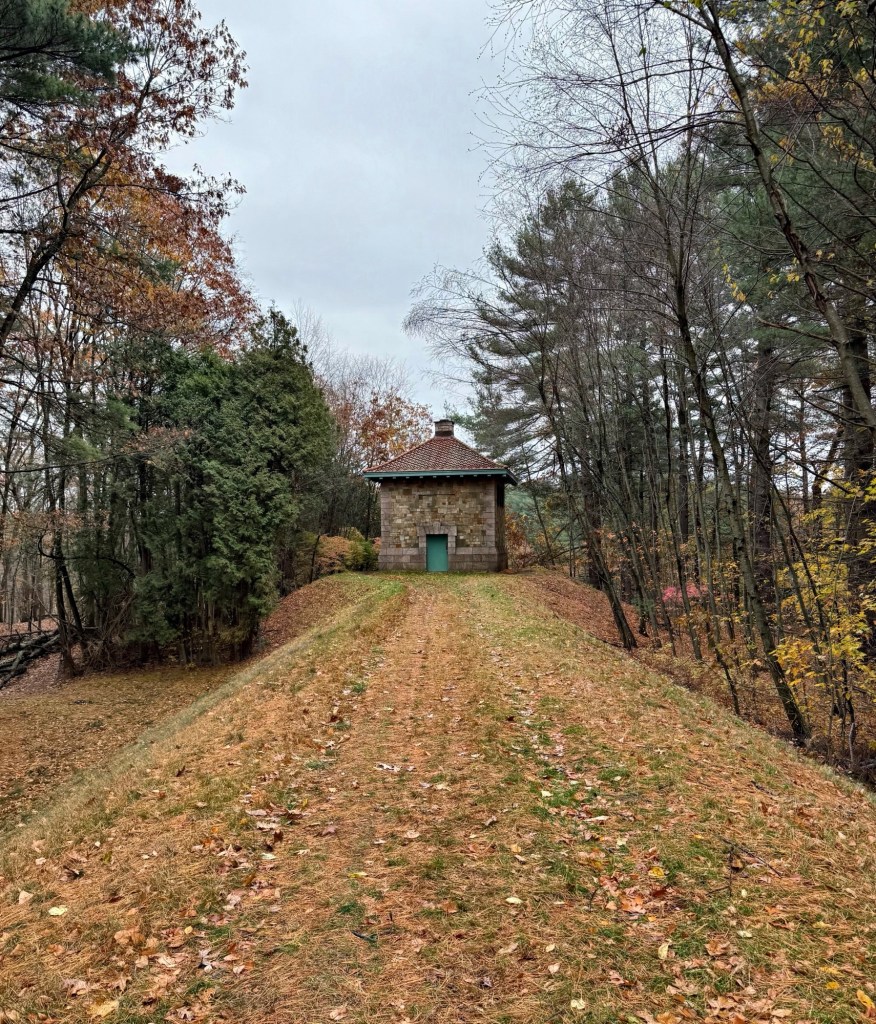
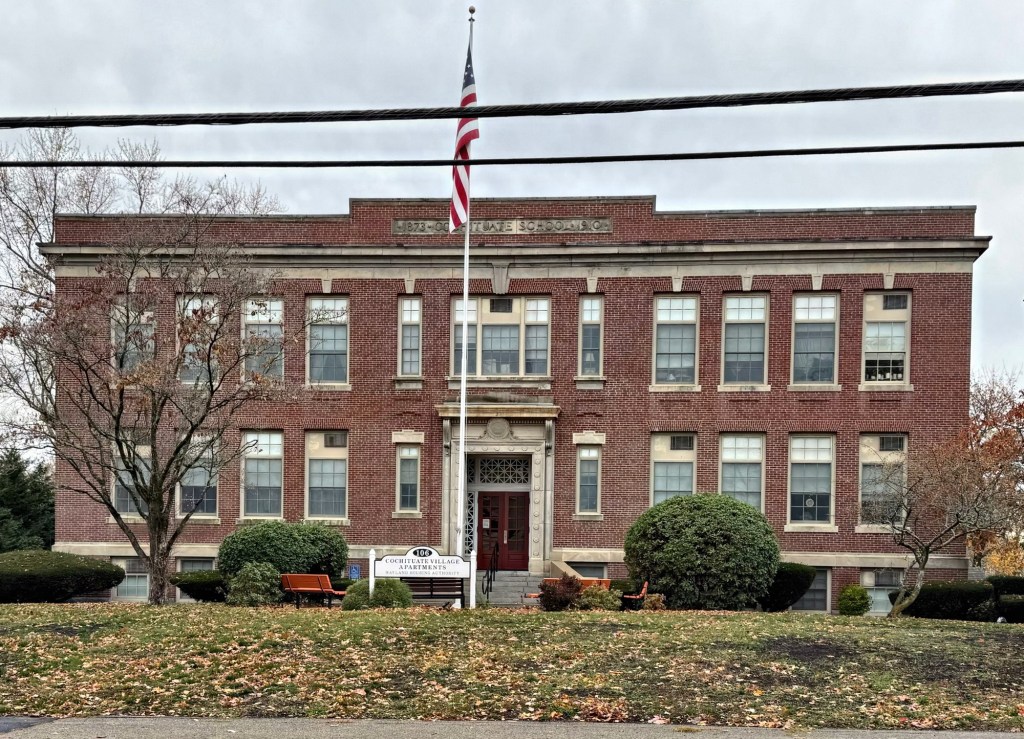
John Eliot Thayer (1862–1933) was an amateur ornithologist and member of the wealthy Thayer Family in Lancaster, Massachusetts. Due to his family’s business dealings, John Thayer was able to turn his passion, studying birds, into one of the largest collections of stuffed birds, eggs and nests for professionals all over the country to study. John began collecting and housed his collections were in several wooden buildings close to his home in Lancaster, but when these became unsafe and crowded he built this beautiful brick building in 1903 in South Lancaster opening it to the public as a museum a year later. The Boston architectural firm of Winslow & Bigelow designed the Colonial Revival style building, with the Guastavino Fireproof Construction Company providing plans for interior spaces and likely engineering inside. Many of the leading ornithologists of the time visited the Thayer Museum and it was estimated that more than ten thousand visitors came to the museum in the first six years.  In 1974, the building was sold to the now defunct Atlantic Union College and reopened as the Mabel Bartlett Art Gallery. Much of the Thayer collection was donated to the Museum of Comparative Zoology at Mr. Thayer’s alma mater, Harvard University. Since the Atlantic Union College closed in 2018, this important building has been closed, hopefully to see reuse in the eventual redevelopment of the campus.

Founder’s Hall // 1884

Completed in 1884, Founder’s Hall is the oldest building on the campus of Atlantic Union College, a now defunct college in Lancaster, Massachusetts. The handsome Queen Anne style building was constructed for the school, originally known as South Lancaster Academy by Stephen N. Haskell, an elder of the Seventh-day Adventist (SDA) church. The building was designed by Worcester-based architects Barker & Nourse, and is the oldest educational SDA facility standing. The institution changed names, first to Lancaster Junior College, and then to Atlantic Union College, before the institution closed in 2018. The building and nearby campus buildings were sold in 2021, but the future is uncertain at this time.

Rice-Carter House // 1796

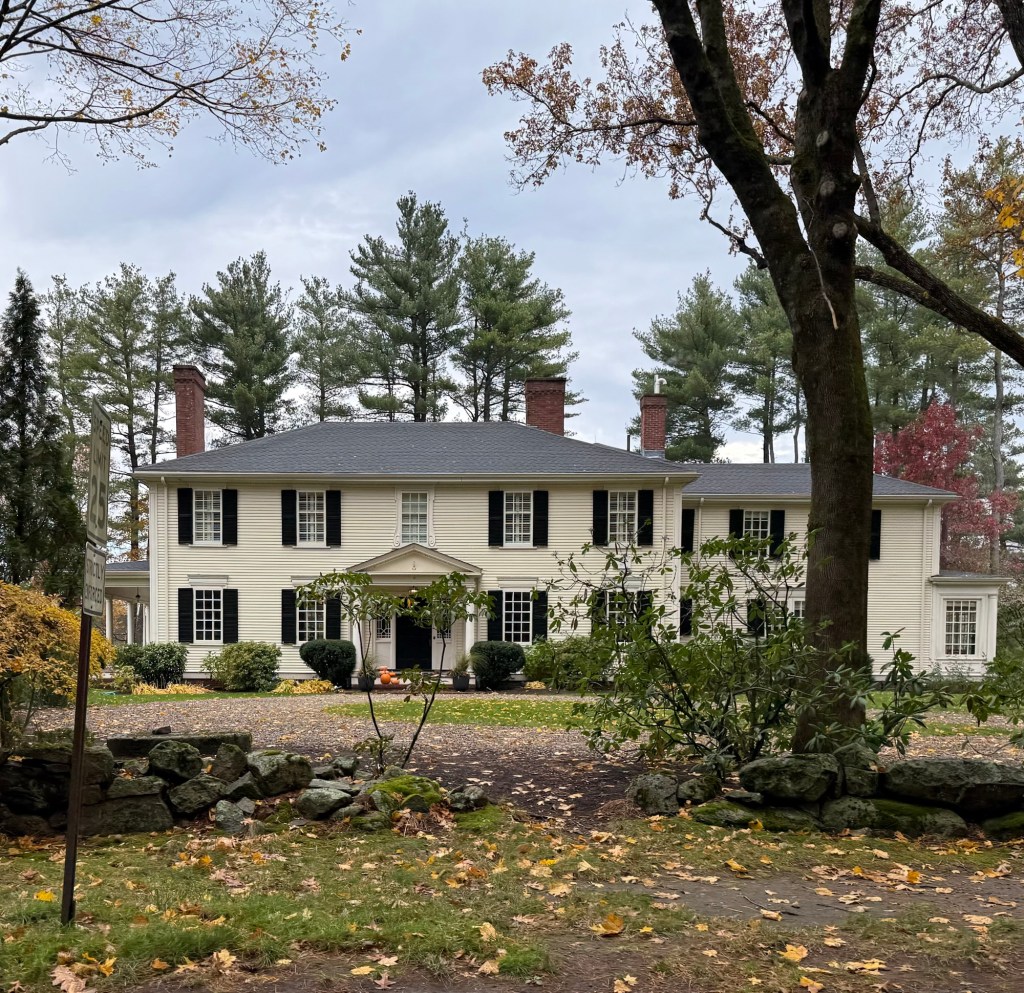
In 1796, attorney Merrick Rice (1764-1819) built this stately Federal style farmhouse on Main Street in Lancaster. The house exhibits a symmetrical facade with hipped roof and twin chimneys and portico at the entrance sheltering the front door with fanlight transom. The house has end porches which may have been added sometime in the 19th century. The property was later purchased by Rev. Asa Packard, who rented the residence to his daughter, Ann, and her husband, James Gordon Carter, a state representative and education reformer who wrote Influence of an Early Education in 1826, and in 1837, as House Chairman of the Committee on Education, contributed to the establishment of the Massachusetts Board of Education, the first state board of education in the United States. The Rice-Carter House is excellently preserved both inside and out.

Willard-Stedman Mansion // c.1760

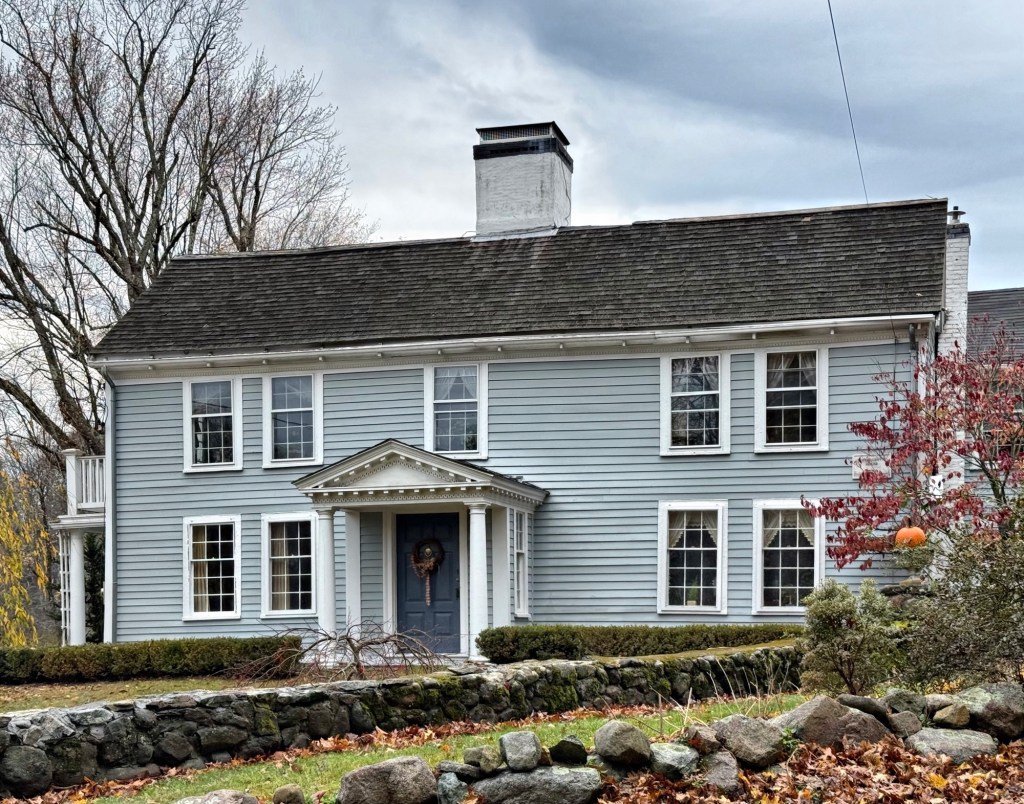
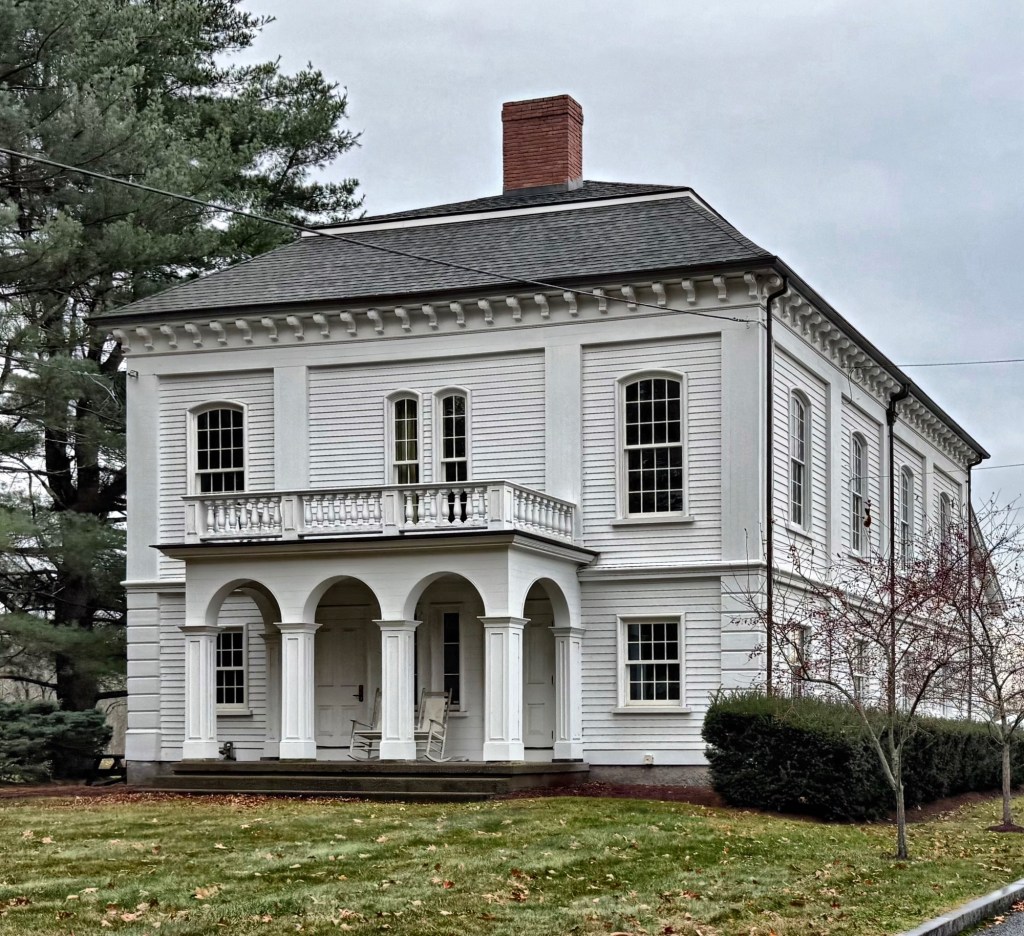
This stately Federal period mansion in Lancaster, Massachusetts, was originally constructed as a Georgian, two-story, five-bay house for Levi Willard (1727-1775), the son of a major landholder and descendant of one of the earliest settlers in the town. The residence is said to have been built by Levi’s cousin, Aaron Willard around 1760. Sometime after Levi’s death in 1775, the property was acquired by William Stedman (1765-1831), a notable attorney who served as town clerk of Lancaster 1795-1800, later becoming a member of the Massachusetts House of Representatives from 1802-1810. It was during Representative Stedman’s ownership that the house was remodelled into the fashionable Federal style appearance we see today, with the third floor added with shallow hip roof and classical entrance with pilasters and fanlight. In the mid-19th century, the house was operated as different boarding schools, though more information is needed. Today, the residence has been preserved and maintained as a single-family home, contributing to the charming Lancaster Center Village.

Swedenborgian Church of Lancaster // 1881

Built in 1881, the Swedenborgian Church of the New Jerusalem in Lancaster, Massachusetts, is a handsome Victorian-era chapel that has been well-preserved for nearly 150 years. The Queen Anne/Shingle style church was designed by architect Francis Ward Chandler of the firm, Cabot & Chandler, for the local Swedenborgians in Lancaster, some of which likely spent summers in Lancaster from Boston. The membership of the church dwindled in the early 20th century, and the congregation sold the church to a local women’s social group, the Current Topics Club in 1923. The women’s club met in the old church and maintained the building for nearly a century until the building sold to private owners in about 2007, who converted it to a residence, preserving the unique architecture we still see today.

Solon Wilder House // 1883

On Main Street in the central village of Lancaster, Massachusetts, the Solon Wilder House stands as one of the town’s finest Victorian-era residences. The house dates to 1883 and was built for Solon Wilder (1828-1889) and his wife, Olive. Mr. Wilder ran a store and served as town treasurer, doing well enough financially to build this handsome, and modern house and rear stable for the time. The Stick style house features a porch with cut woodwork, decorative trusses in gables, and wooden wall cladding interrupted by “stickwork” patterns raised from the wall surface that is meant to symbolize the structural skeleton of the home.

Lawrence-Bartol House // 1861

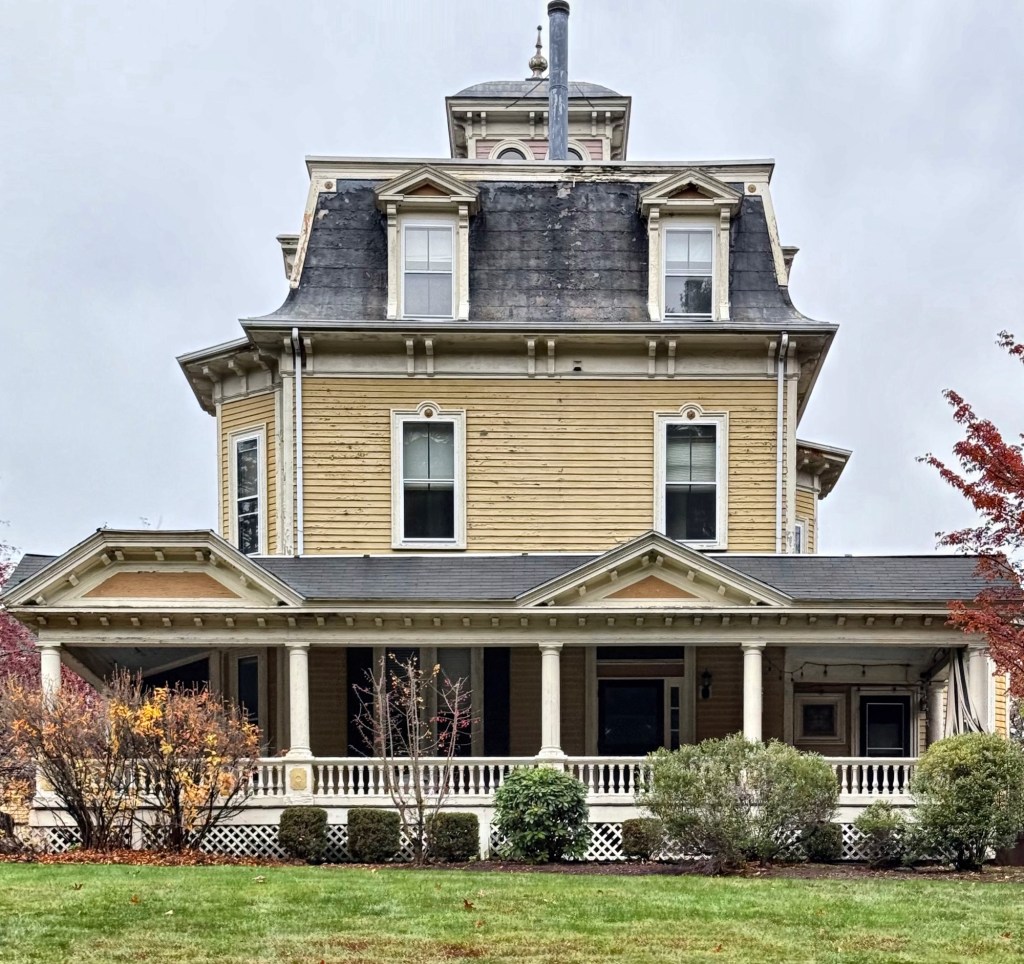
This handsome Victorian residence on Main Street in Lancaster, Massachusetts, was built in 1861 for Rev. Amos E. Lawrence (1812-1897), pastor of the local Evangelical Congregational Church. Amos Lawrence lived in the house for just 4 years until he sold it to Rev. George Bartol, of the First Church of Christ, Unitarian in Lancaster. George Murillo Bartol (1820-1906) served as the pastor for the iconic Bulfinch church for over 50 years until his death in 1906. The residence was then inherited by Reverend Bartol’s son, John Washburn Bartol, a prominent Boston physician who would spend time away from the city at his family home. The unique form of this mansard/gambrel-roofed house stands out along with its Colonial Revival alterations, which likely occurred in the late 19th or early 20th century.

Low-Rock House // 1888

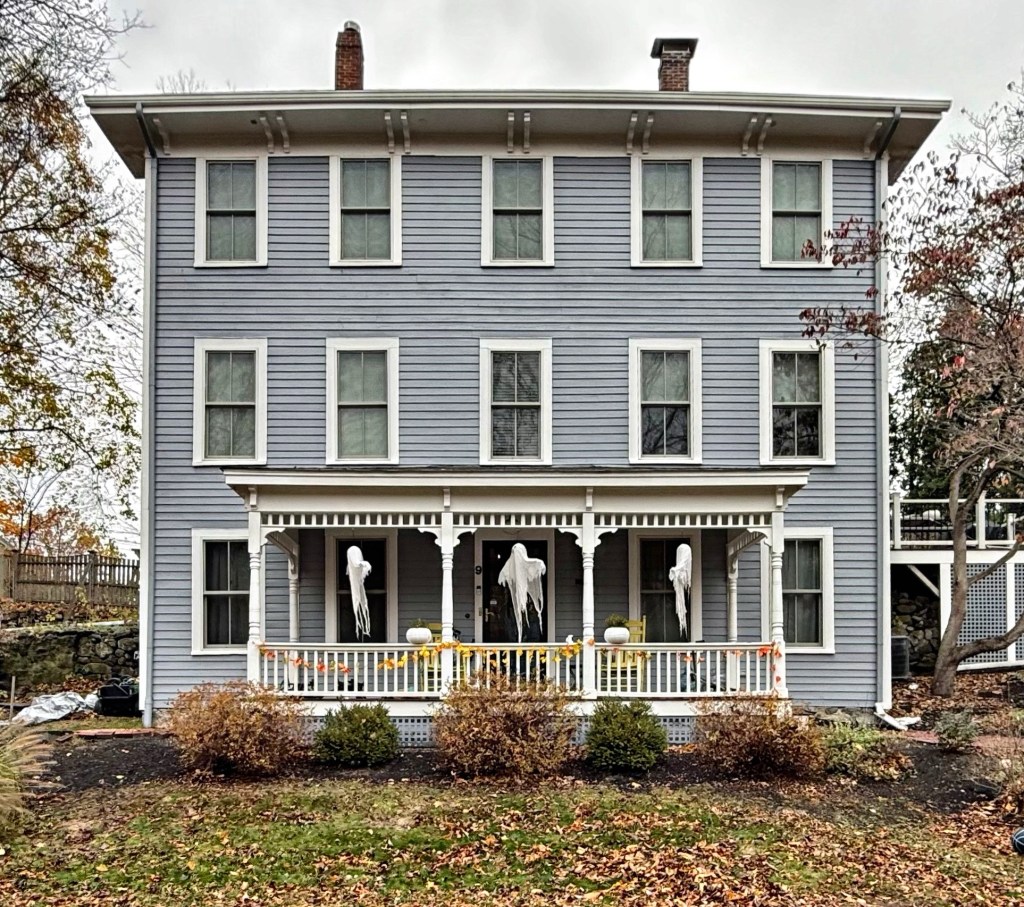
This handsome shingled Queen Anne style home on Allerton Street in Brookline, Massachusetts, is part of the reason why the “Pill Hill” neighborhood gets its name. The residence was built in 1888 for Mr. Sumner Flagg, likely as an investment property as the neighborhood developed into one of the finest in the Boston area. An early resident here was Judith Motley Low (1841-1933), founder of the Lowthorpe School of Landscape Architecture, which was the first school intended solely to prepare women as landscape professionals in a field dominated by men. In 1945, the Lowthorpe School merged into the Rhode Island School of Design and became the basis of RISD’s Landscape Architecture Department. Another prominent resident of the house in the 20th century was Dr. John Rock (1890-1984), a physician and scientist who worked nearby at the Massachusetts Hospital for Women. As a Catholic doctor, John Rock is best-known for two groundbreaking medical discoveries in women’s health: the birth control pill and in-vitro fertilization. Dr. John Rock and his lab technician, Miriam Menkin, were the first researchers to fertilize a human egg outside of a human body in February of 1944, this research was compounded and later led to in-vitro fertilization as we know it today. Additionally, while running his clinic, Dr. Rock encountered a number of women bearing unwanted children that they could neither afford financially nor handle physically. Rock observed numerous women who, after giving birth to multiple children, had prolapsed uteri, malfunctioning kidneys, and were prematurely aging. In 1952, Rock was recruited to investigate the clinical use of progesterone to prevent ovulation. Enovid, the brand name of the first pill, was approved by the U.S. Food and Drug Administration (FDA) and put on the market in 1957 as a menstrual regulator. In 1960, Enovid gained approval from the FDA for contraceptive use.

Delano Warehouse and Wharf // 1803

In 1802, Kingston-based merchants and landowners Benjamin Delano and brother-in-law Peter Winsor built this stone wharf and warehouse at Rocky Nook, a small peninsula at the end of the Jones River where it meets Plymouth Bay. The Rocky Nook had several warehouses in the early 1800’s which were used to hold cargo for the busy Kingston vessels that carried passengers and goods all down the eastern seaboard for transit, with larger vessels sent to the West Indies for trade. Benjamin Delano and his son Joshua either owned or partly owned 37 vessels between 1803 and 1882 and were a wealthy family that built their fortune on shipbuilding and trade. The warehouse, built at the end of the wharf was used to store goods and also served as a ship chandlery, a store selling goods needed for newly outfitted ships that were berthed up the Jones River.  A combination of the coming of the railroad and the need for faster and bigger vessels caused the decline of the shipping business in Kingston in the late 19th century with the shipbuilding industry largely evaporating by the 20th century. The Delano warehouse at the end of the wharf has since been converted to a private residence yet retains its unique character and siting with arguably the best view in town. 

Major John Bradford Homestead // 1674

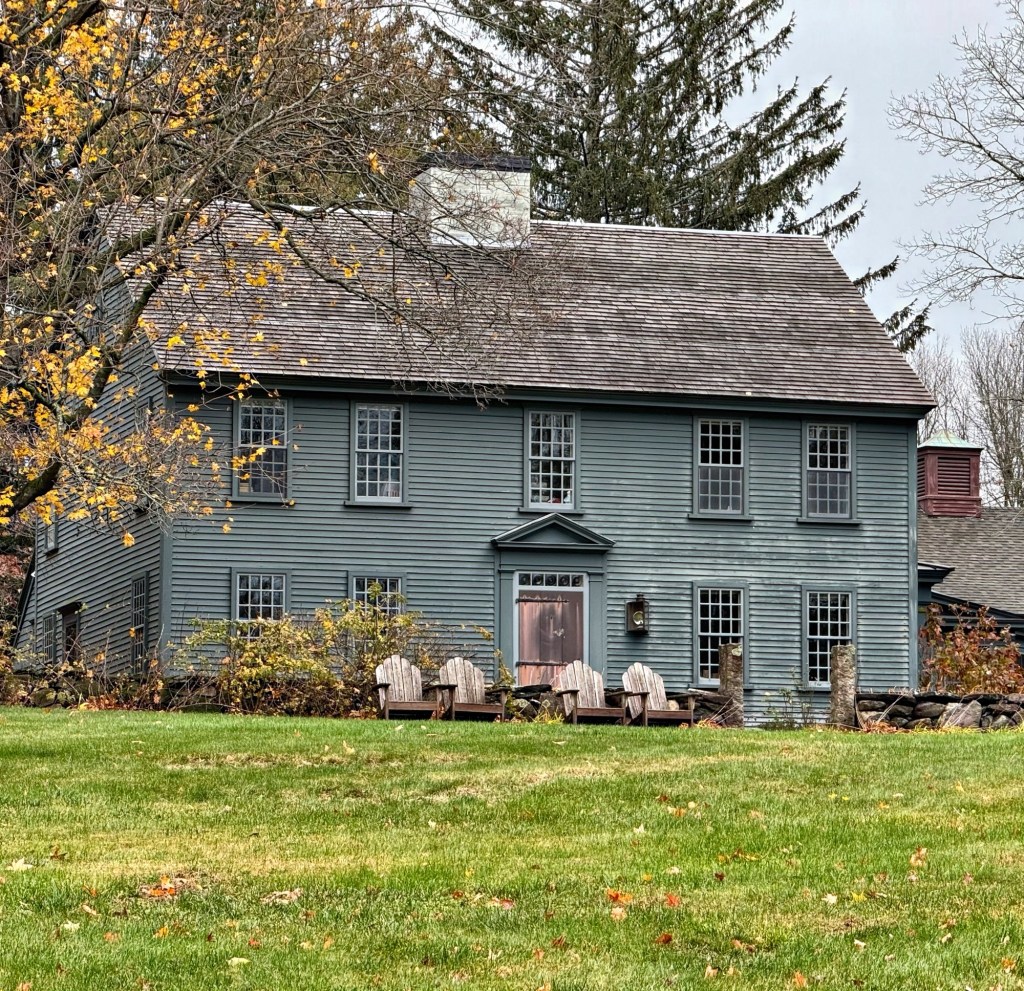
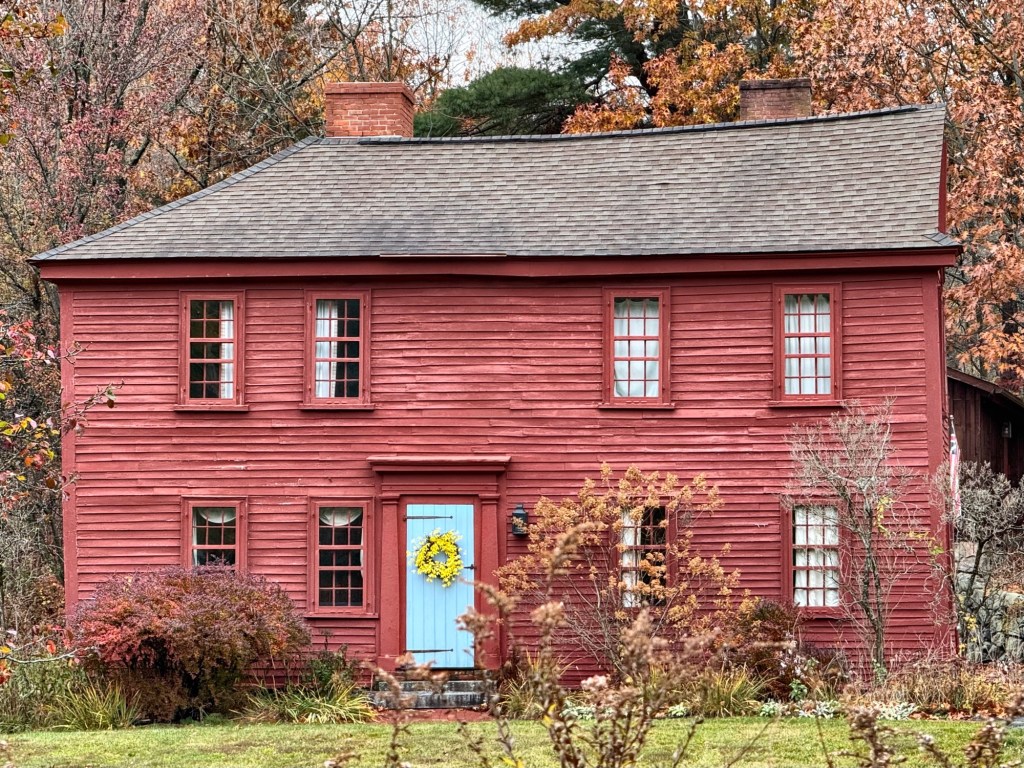
The Major John Bradford Homestead (also known as the Bradford House) is a stellar and well-preserved example of a First Period house in Kingston, Massachusetts. The house was reportedly built by Major William Bradford (1624-1704), the son of Governor William Bradford  who arrived to Plymouth via the Mayflower in 1620 and served as Governor of the Plymouth Colony between 1621 and 1657, purportedly built the west (left) half of the house in 1674 for his eldest son John Bradford and his bride, Mercy Warren. John Bradford (1653-1736) served as selectman, a deputy from Plymouth, and as a representative in the Boston General Court, who in 1717, led in the establishment of Kingston as a new town by donating land for the meeting house, school house, burial ground, training green, and minister’s house. In around 1715, John Bradford expanded this house which was not sufficient to house his wife and seven children. After centuries, the house began to show its age, and in 1921, coinciding with the tercentenary of the Pilgrims arriving to Plymouth, the Bradford House was thoroughly documented and restored by Frank Chouteau Brown and George Francis Dow. Since 1921, the property (including a historic barn moved here from a nearby site) has been owned and preserved by the Jones River Village Historical Society, who operate the property as house museum.