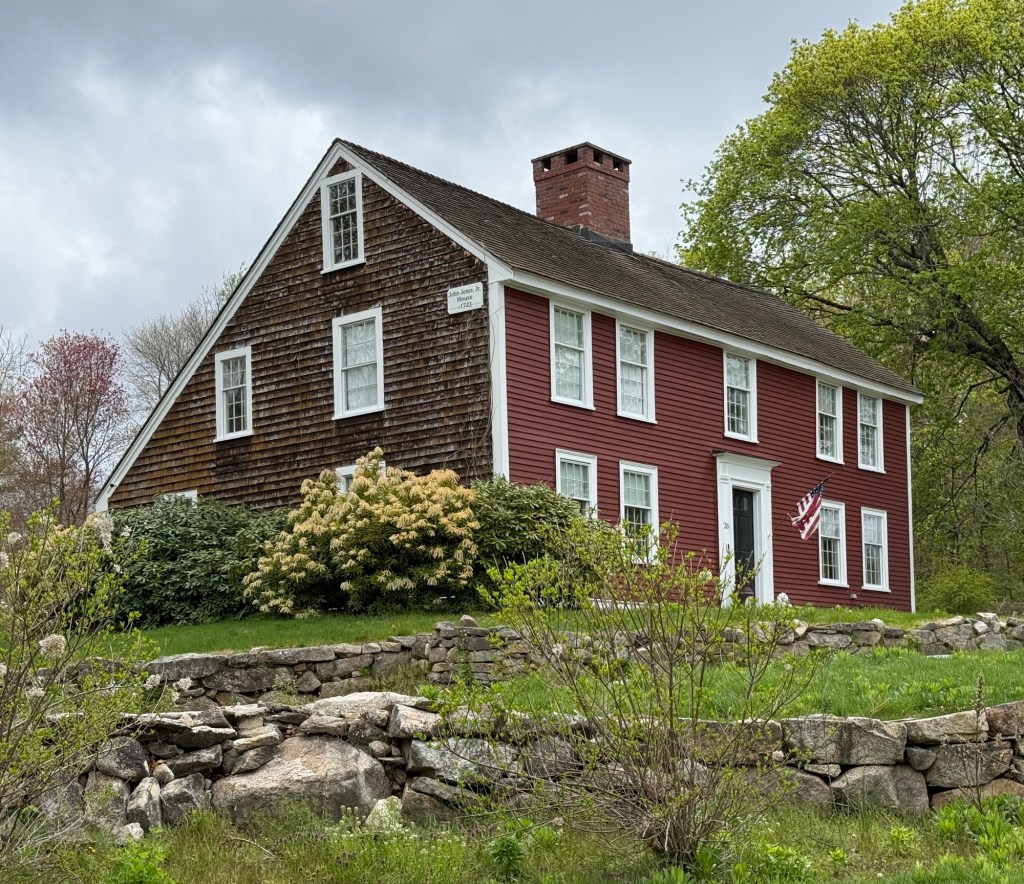
Possibly the oldest extant building in the town of Milford, Massachusetts, the Jones-Corbett Farmhouse stands as a well-preserved example of a rural, First Period residence for early settlers to the area. The Jones Family first arrived in present-day Milford in 1703, when Elder John Jones (1669-1753) settled in the area from Hull, and raised his family in the first wood-frame dwelling in the area, which was still occupied by the Nipmuc Tribe. Elder John Jones raised six children from their home (demolished in 1874), including John Jones Jr., who built this house. John Jones built this house by 1723 but after a few years, traded properties with his brother-in-law, Daniel Corbett, and sister, Sarah. The house was likely added onto with the saltbox roof as the family grew in size and prosperity, and a barn was built on the estate to house horses and other livestock. When Daniel Corbett died in 1753, among his listed property included “a negro boy, his bed and hoe”, with his enslaved young man likely residing in this home and working the property. The residence is an important piece of Milford history that tells the full story of early America.
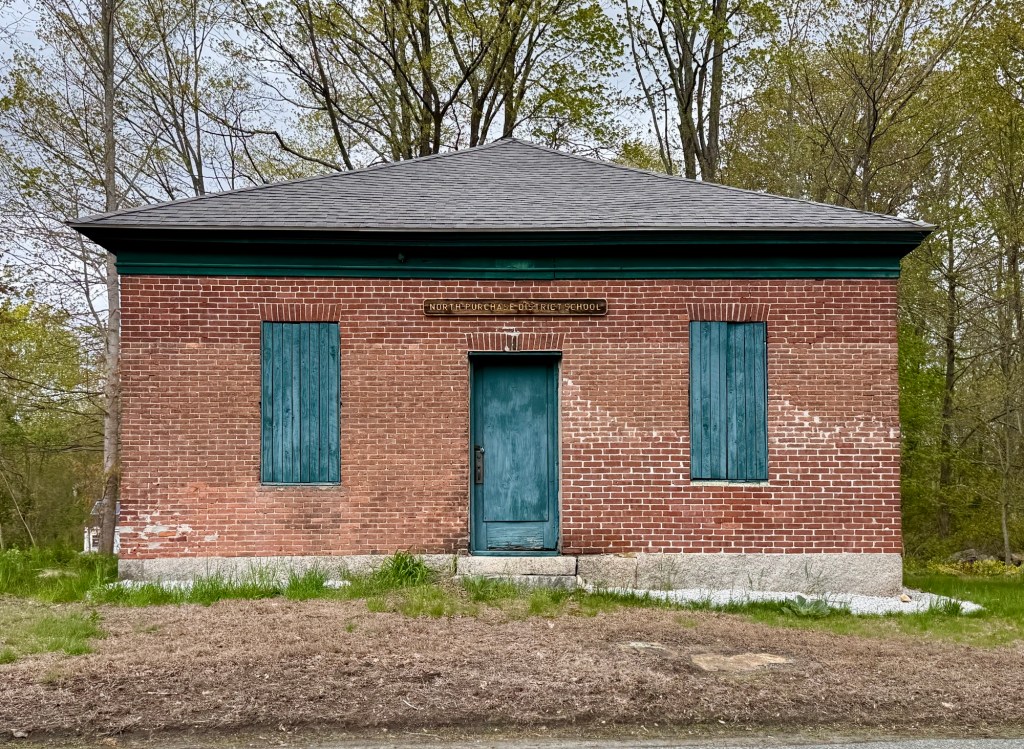
This single-story, hipped-roof, brick schoolhouse is approximately 30’x24′ in plan and was built in 1832 for the town of Milford, Massachusetts, as one of its district schoolhouses to serve the community. After Milford incorporated in 1780, the town was divided into school districts, where area pupils would attend one of six school buildings based on proximity to their primary residence. This brick building replaced an earlier school building which was lost following a fire in 1830. The town funded construction on this school at a cost of $524. The one-room school remained in use until the 1920s, until consolidated schools and accessibility due to bus and personal automobile made getting to a centralized school building, easier. The old North Purchase District School was briefly used as the North Purchase Community House, a center for area residents to socialize and provided space for local scout groups. The building has been boarded up since at least 2009 and its future looks uncertain.
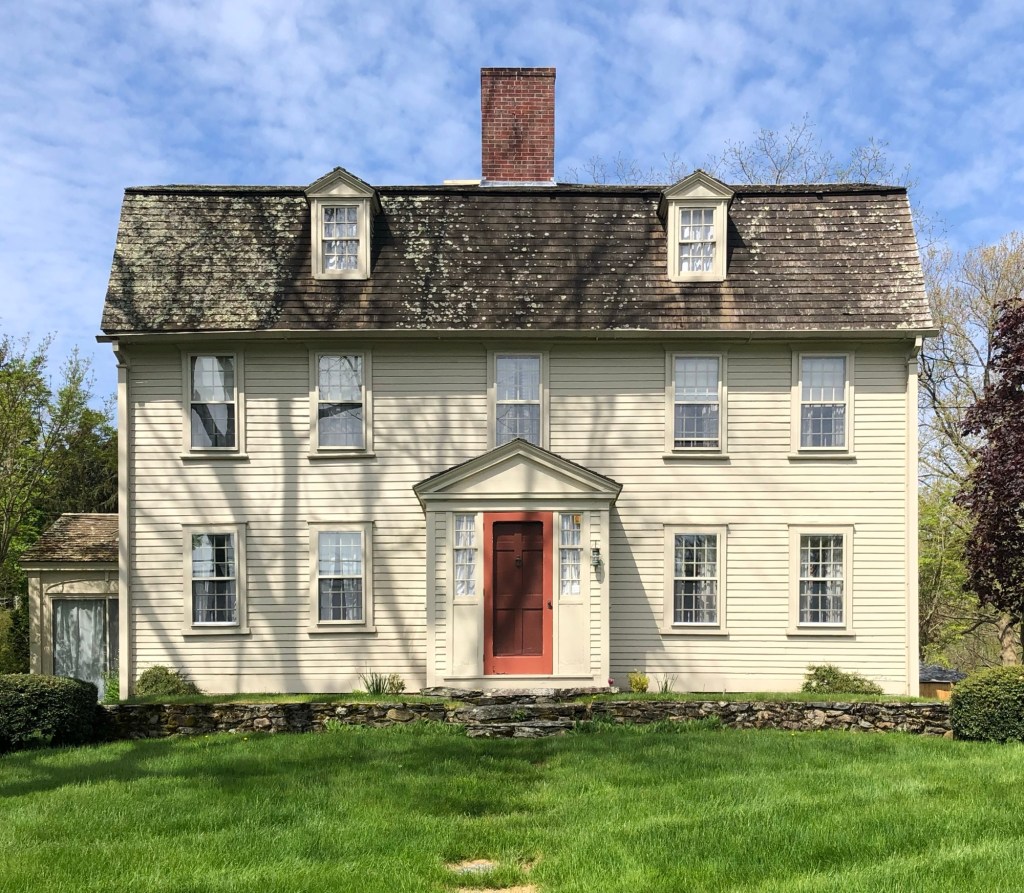
This large, gambrel-roofed Georgian house is located on Pearce Road, a winding road that runs the waterfront of the Cole River that spans between Swansea, Massachusetts, and Rhode Island. The house was owned by Captain John Brown (1675-1752) of the wealthy trading and slave-holding Brown Family which the prestigious Ivy League Brown University is named after. While extensive deed research of this home is not known, the property was mentioned in John Brown’s will of 1752 so it dates to at least 1750. It is possible that the house was expanded in the second half of the 18th century to its current form. The property remained in the Brown Family until 1911, and has been lovingly preserved by its successive owners.
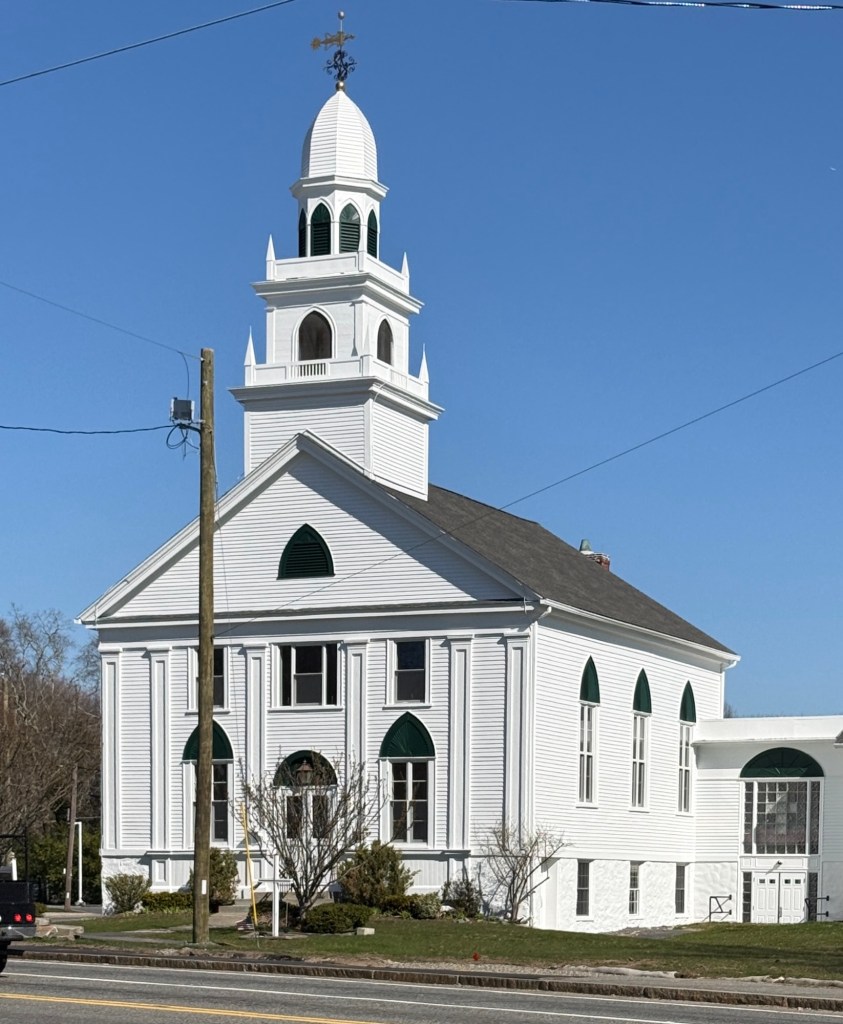
The United Church of Christ in Swansea, Massachusetts, was built in 1833 as the second building for the congregation which was originally organized in 1693. It is believed that this was the first church in New England to admit all Christians to membership regardless of their theological beliefs, as a United or Union church. The congregation’s first meetinghouse was built prior to 1719 and was replaced in 1833 when the current building was completed. The United Church of Christ in Swansea blends Greek and Gothic Revival styles with traditional wood-frame construction and gable roof with multi-stage steeple. The facade is adorned with pilasters and louvered lancet arches, showcasing the builder’s ability to pull from multiple architectural styles for the construction.
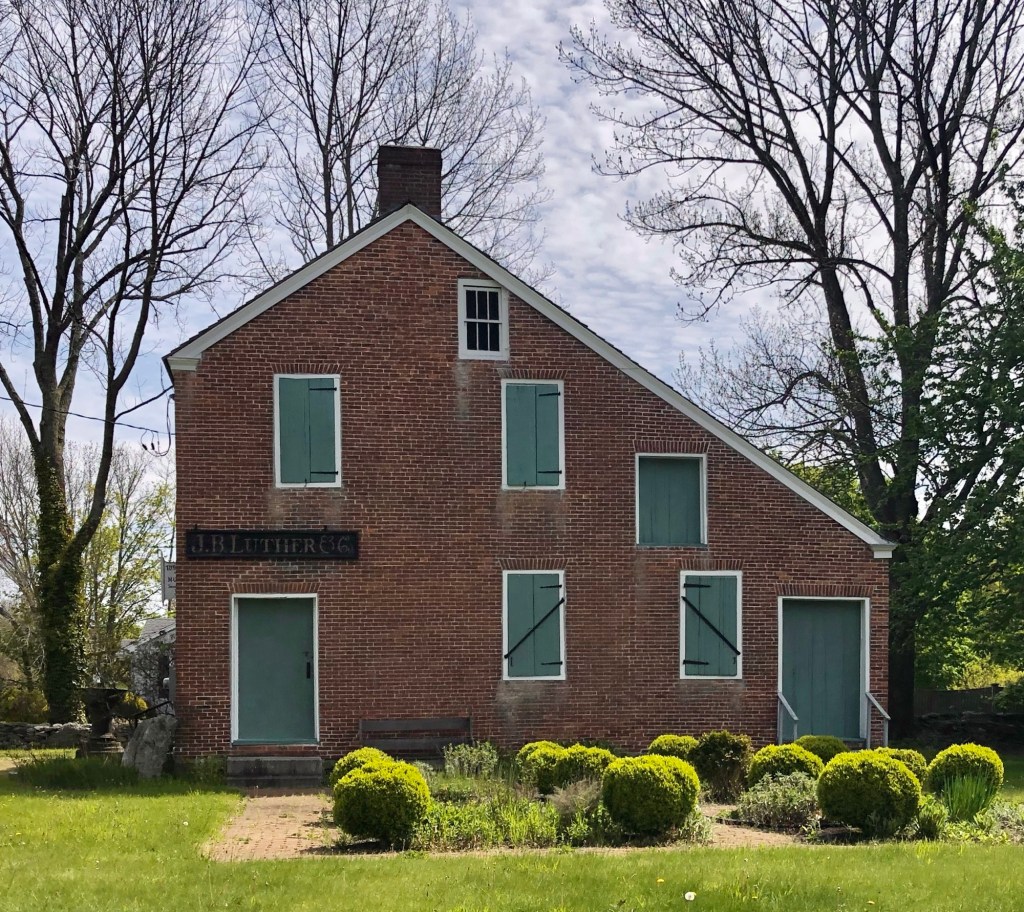
The Luther Store in Swansea, Massachusetts, is a historic commercial building constructed in 1815 and uncommon as a rare brick block with saltbox roof. The structure was built for John Brown Luther, and was operated by the Luther family as a store until 1903. The Luther’s Corner area was in the mid-19th century the economic center of Swansea, and Luther’s Store served as post office and library. The building was acquired in 1941 by the Swansea Historical Society, which now operates it as a local history museum following a restoration by Fall River architect, Maude Darling-Parlin.
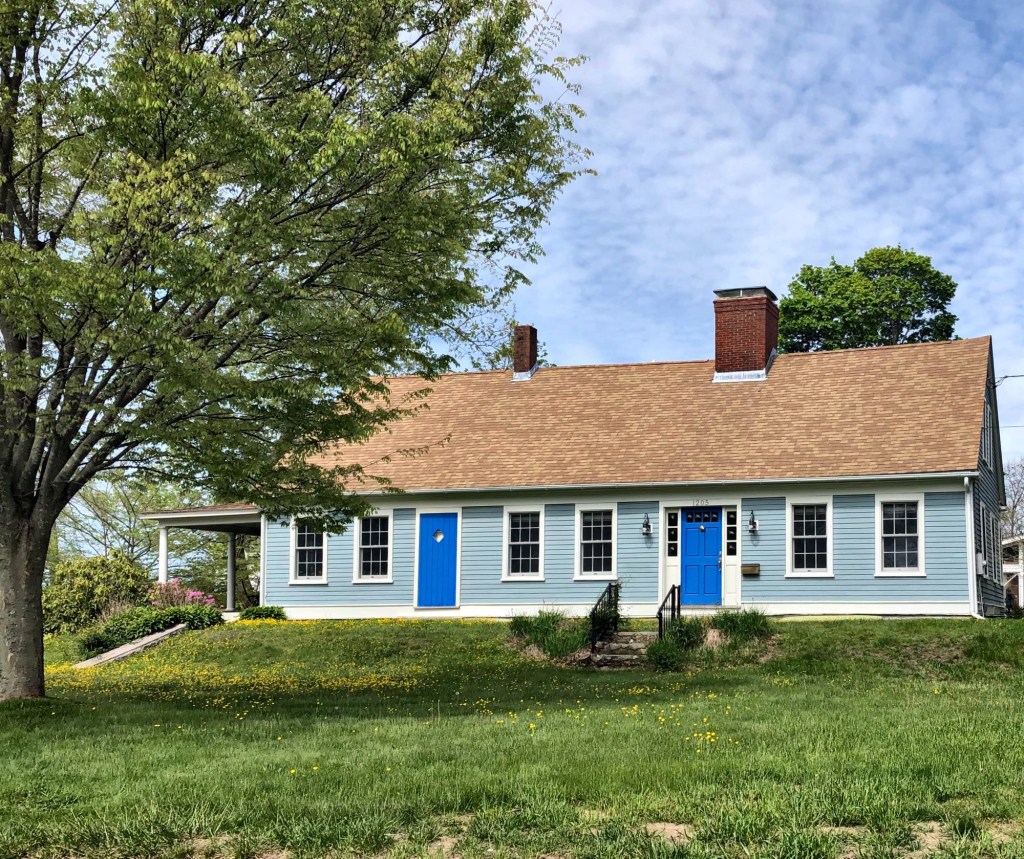
This elongated farmhouse on Gardner’s Neck in Swansea, Massachusetts, was built at the end of the 18th century for Hanna and Joseph Gardner, who had purchased his brother’s half of the land they inherited by their late father, Peleg. The house was one of a few farmhouses on the peninsula which became known as Gardner’s Neck as much of the land was owned and farmed by members of the Gardner Family. This c.1795 farmhouse began as a five-bay, center-entrance Federal cape house and was expanded in the 1870s by Fall River businessmen, William Almy and Andrew Jackson Borden. Yes, THAT Andrew J. Borden. The farmhouse was expanded to the south (left) with the addition of a second entrance and two bays by the business partners as a summer retreat. The Borden Family with daughter, Lizzie Borden, would spend summers here to escape the hot and polluted industrial city for cool coastal breezes until Andrew and his wife, Abby Borden, were brutally murdered by an ax in their Fall River home.
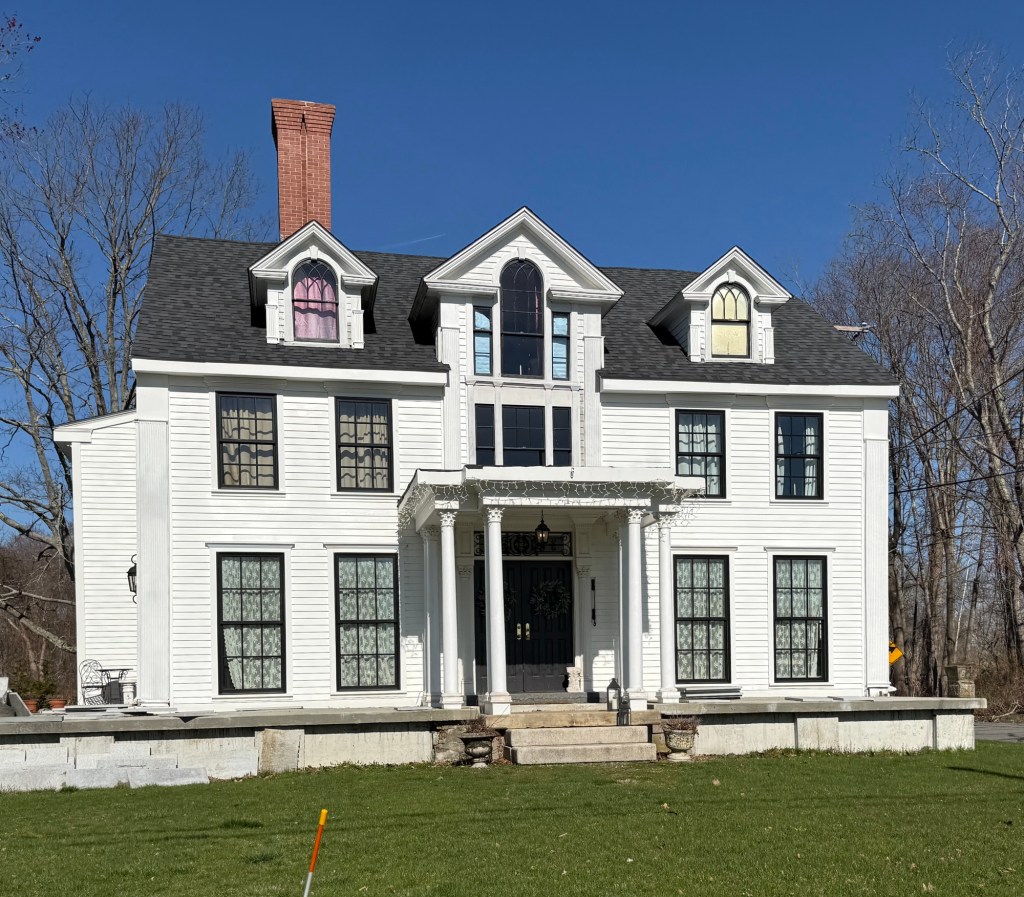
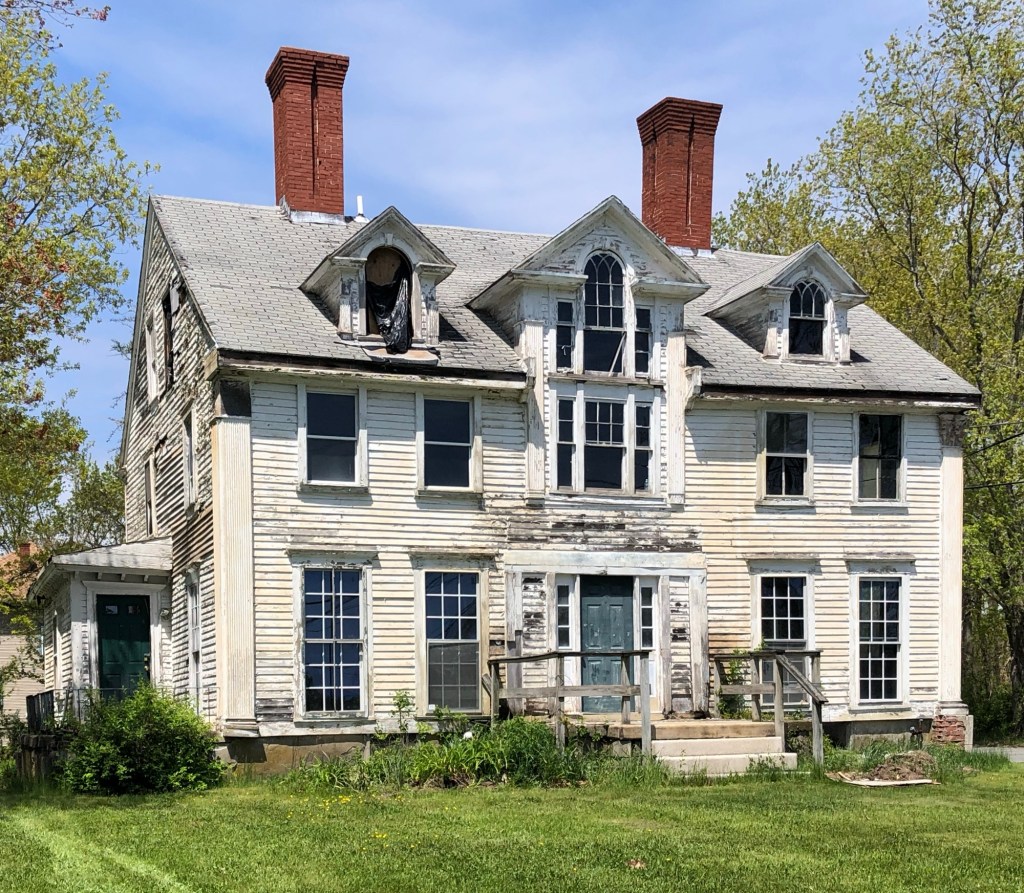
This large mansion in Swansea, Massachusetts, was constructed in the early 1800s for Mason Barney, a shipyard owner, likely by his own shipwrights. Barneyville, formerly known as “Bungtown” in the early 1770s, was a bustling village in Swansea where young men worked from sunup to sundown sawing, filing, shaping, boring, and fastening planks and timbers together for the Barney Shipyard. The shipyard was founded in the 1770s by Jonathan Barney, a prominent boat builder in New England established the shipyard in the 1770s. The Barney Shipyard saw its greatest success under Barney’s son, Mason, in the early 18th century. When Mason Barney (1782-1868) inherited his father’s shipyard, he also had this house built for his family, just a stone’s throw from the shipyard where he could oversee the many ships built and sailed down the river to Warren, Rhode Island, for fitting. By the early 20th century, the shipyard had already closed and this property was purchased by Lorenzo P. Sturtevant, a jeweler who completely updated the old Barney House in the Colonial Revival style, adding the entry porch and oversized dormers. By the end of the 20th century and early 21st, the house was abandoned and decaying until a few years ago when new owners renovated the old Barney-Sturtevant Mansion back to a livable home.
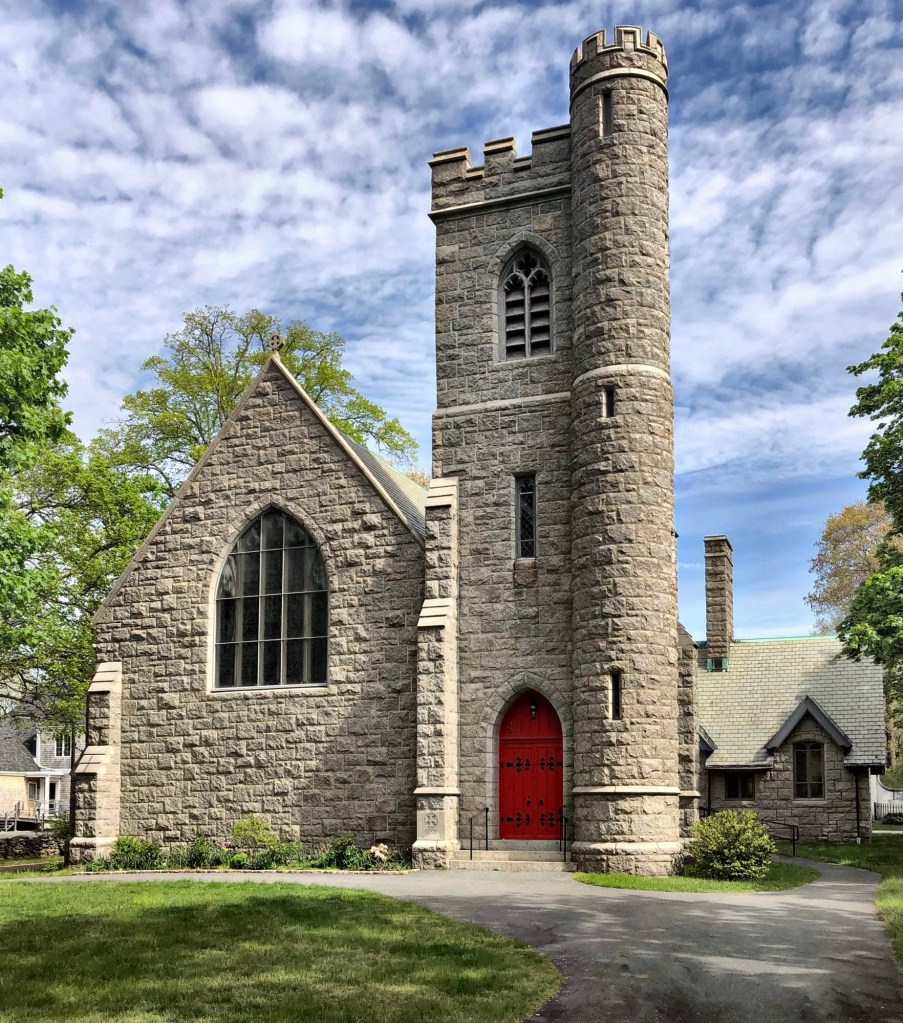
Designed in the mode of a traditional English country church, the Christ Church of Swansea is among the finest Neo-Gothic Revival edifices in New England and evokes a sense of history and tradition despite only being built in 1900. The church was funded by benefactors, Frank Shaw Stevens and Elizabeth Case Stevens, who lived down the street in the town’s largest mansion. After the death of her husband Frank, Elizabeth began a large gifting campaign to the Town of Swansea, and funded the construction of the town’s library, school, and this church (they had already funded the 1891 Town Hall). For the village church, Elizabeth hired their friend, and renowned English-born architect, Henry Vaughan, who designed the building with heavy granite walls, lancet windows and a facade dominated by an entry tower with rounded corner all capped by battlements. The Christ Church of Swansea resembles an old Medieval English church but in a New England village, amazing work as always Mr. Vaughan!
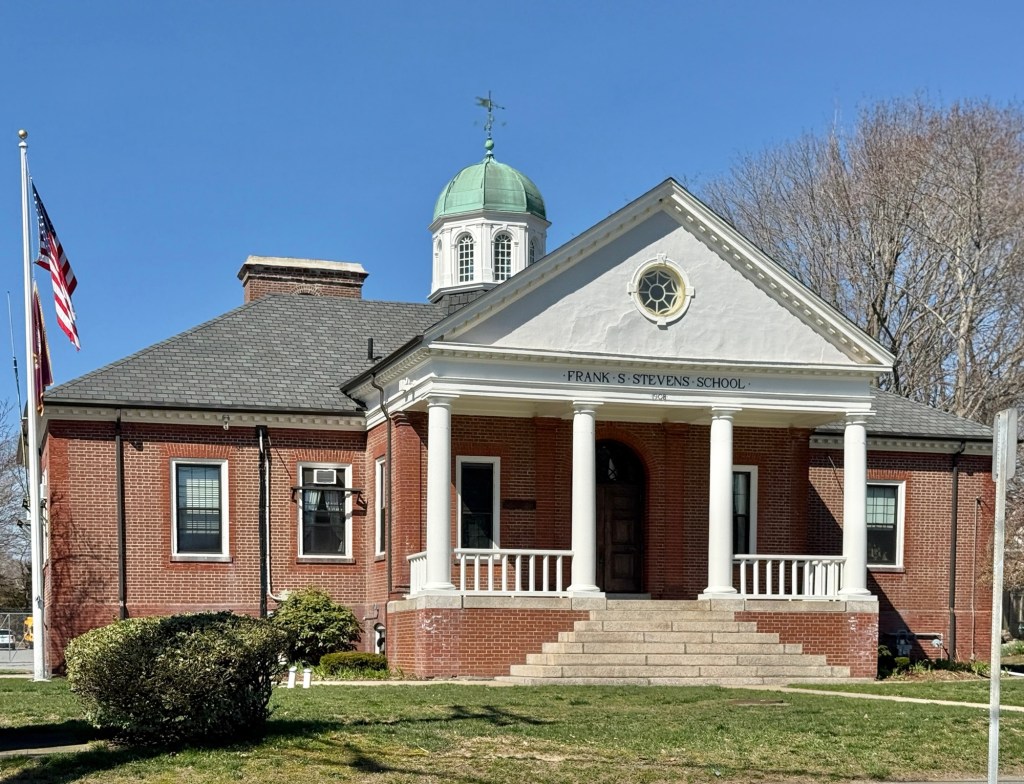
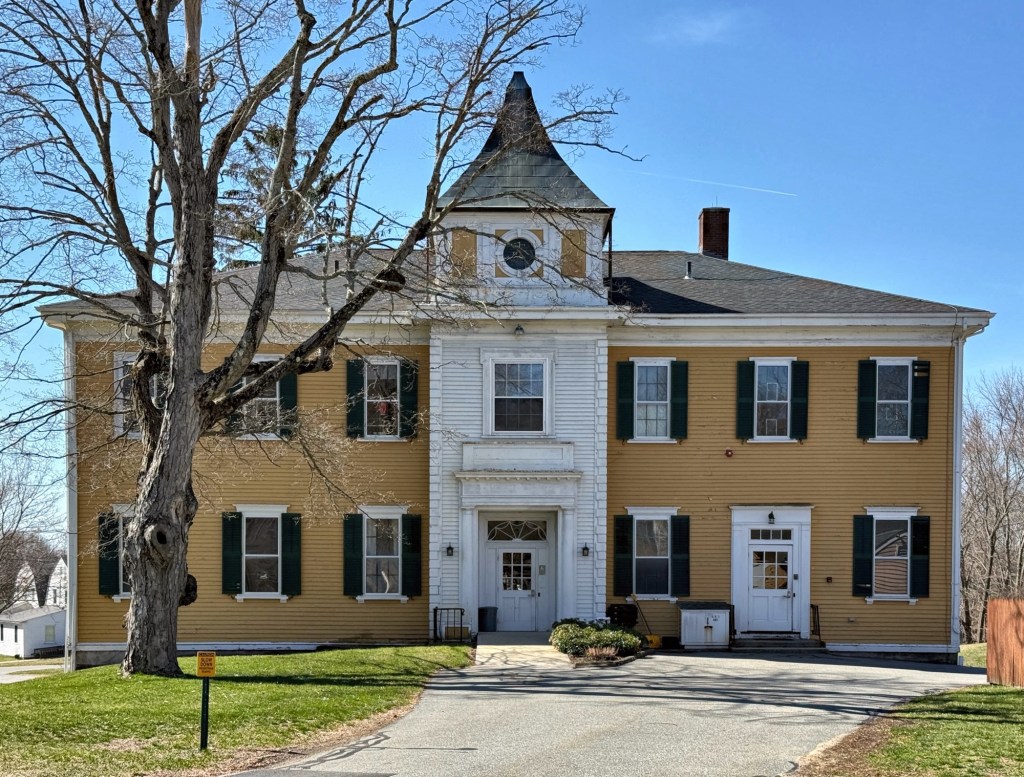
The Frank S. Stevens School in Swansea, Massachusetts, was one of a number of civic and institutional buildings donated to the small town by wealthy residents Frank and Elizabeth Stevens. Ten years after the death of her husband, Elizabeth Case Stevens retained her favorite architect, Henry Vaughan, to furnish plans for a new school building for the main village in her beloved town of Swansea, to be built in the memory of her late husband. Mr. Vaughan had already designed the town hall, library, and Episcopal church, and Mrs. Stevens thought it would be fitting for an architecturally appropriate public school to also be built in the quaint New England village. Neo-Classical in style, the one-story brick school building is distinguished for its full-height pedimented portico supported by classical Doric columns and a cupola atop the hipped roof. The school was eventually outgrown and is now the school administration building for the town’s three later public school buildings.
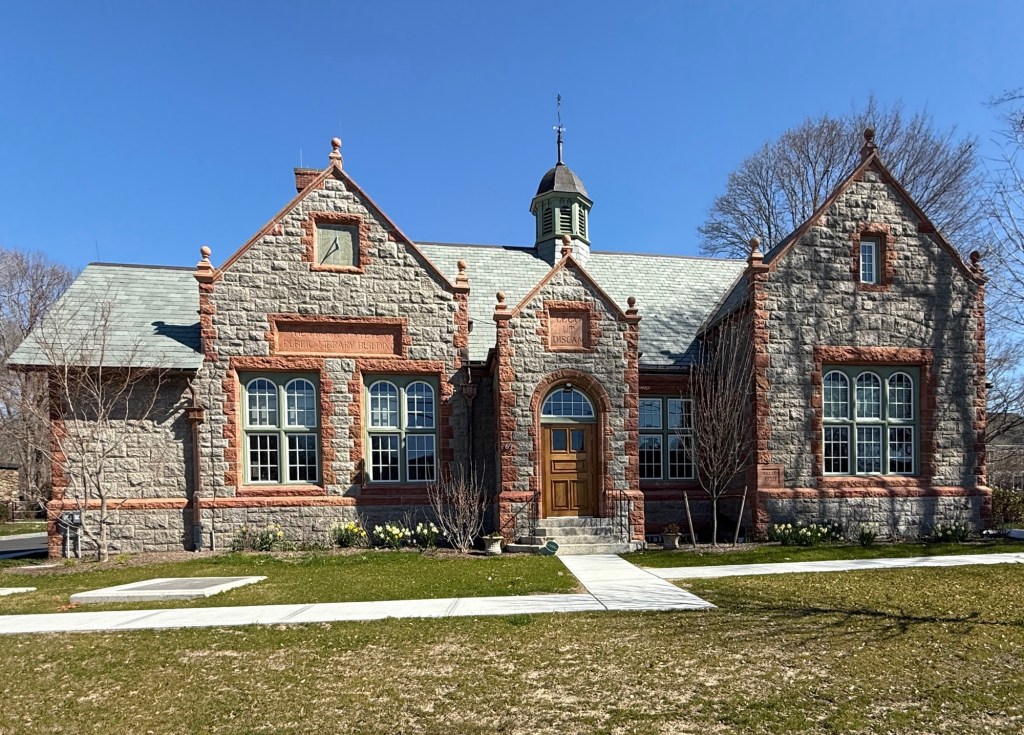
Presented to the Town of Swansea by Elizabeth Stevens as a memorial library of her late husband, Frank Shaw Stevens, the Stevens Memorial Library (also known as the Swansea Public Library) is one of the finest small-town buildings of its kind in Massachusetts. Elizabeth and her husband, Frank Stevens, lived in a large mansion nearby on Main Street and in their older years, began to bequeath their fortune to their community that they made home. The couple funded the Swansea Town Hall, a large church, and schools along with this handsome library. Built in 1900, the Swansea Library was designed by architect, Henry Vaughan, an English-born architect who designed some of the best English-inspired buildings in the United States in the late 19th and early 20th centuries. For the Stevens Memorial Library in Swansea, Vaughan drew upon Elizabethan precedence and employed the use of granite and red Potsdam sandstone to create a warm, yet stately presence on the towns Main Street. With its state roof capped by an octagonal cupola and mullioned windows in arched surrounds, the eclectic building is timeless and has been lovingly preserved by the local community, who also expanded the building to the rear, taking great care to make it less visible from the street and preserve the main building.
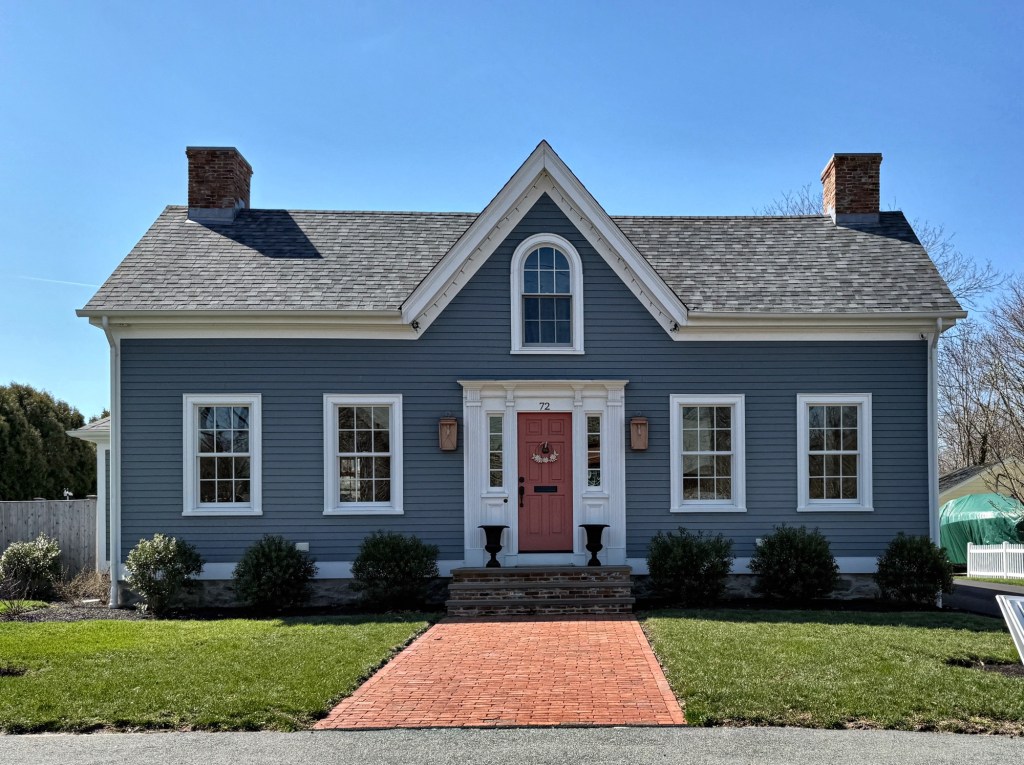
The Wellington House at 72 Main Street in Swansea, Massachusetts, is an early 19th century Federal period residence that was “modernized” in the mid-19th century into its current form. It is unclear who the original owner of the residence was, but the property was acquired by Julia and James Birch in the 1850s as they built their Italianate style mansion next-door. They modified this cottage in the Italianate style to match their home and likely rented the property to Dr. James Lloyd Wellington (1818-1916), a Harvard-educated doctor who split his time between Swansea and Cambridge. The house was later donated to the Town and rented for years with profits going to the Public Library, until it sold and was restored by area residents, with the proceeds for the sale funding the library as well.
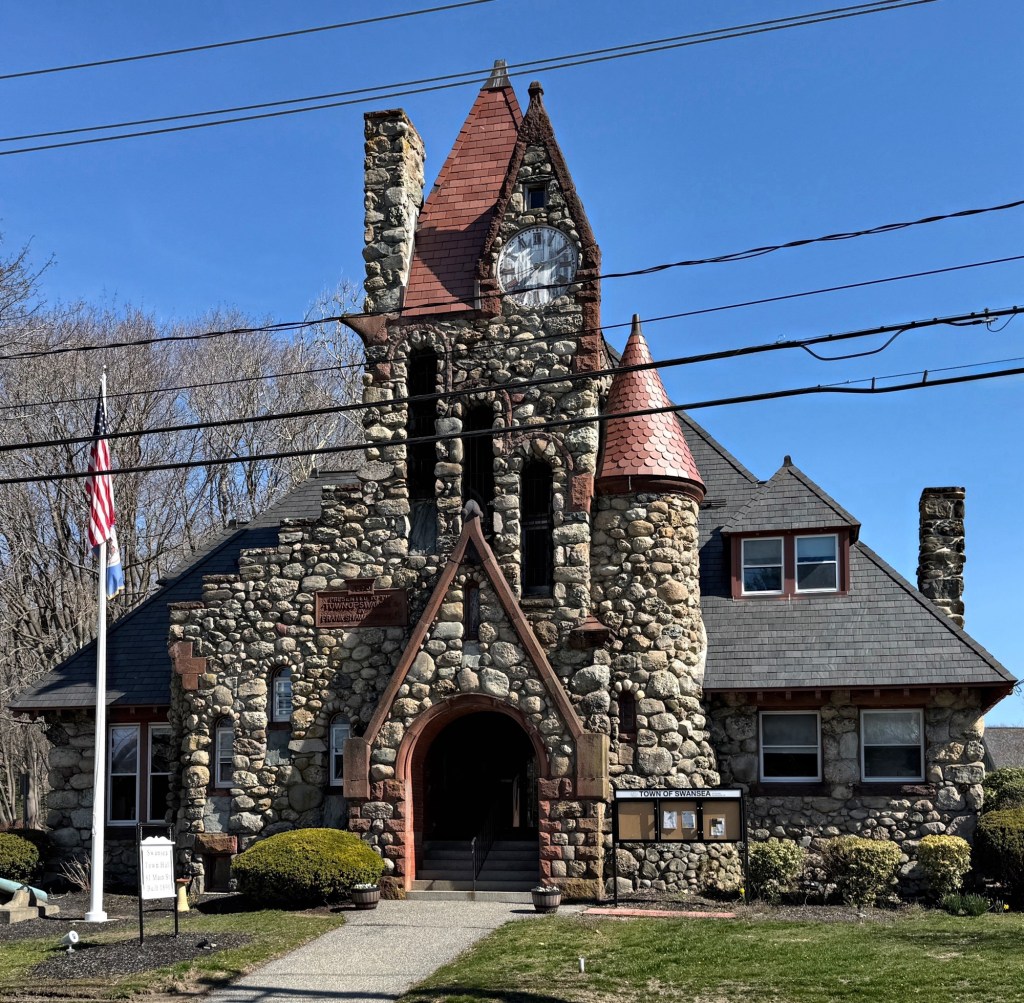
The Swansea Town Hall in Swansea, Massachusetts, is one of the most unusual and architecturally eclectic town hall buildings in New England, and was a gift to the community from a wealthy resident. Built in 1891 from plans by Boston architect, James Merrill Brown, the building is constructed of randomly laid rubblestone with brownstone trim with a massive pyrammidal slate roof and offset turret and tower containing a historic clock. The building was the gift of benefactors, Frank Shaw Stevens and Elizabeth Case Stevens, who lived down the street in the town’s largest mansion. The Stevens’ donated the building with the stipulation that the building was to be available to every and any religious society desiring to hold funeral services there and to also provide space for a public library. The town obliged. The space was outgrown and the Stevens’ would later donate the town’s public library next door and a church, that also held funeral services for the community. The building has been home to the Town Hall since 1891.
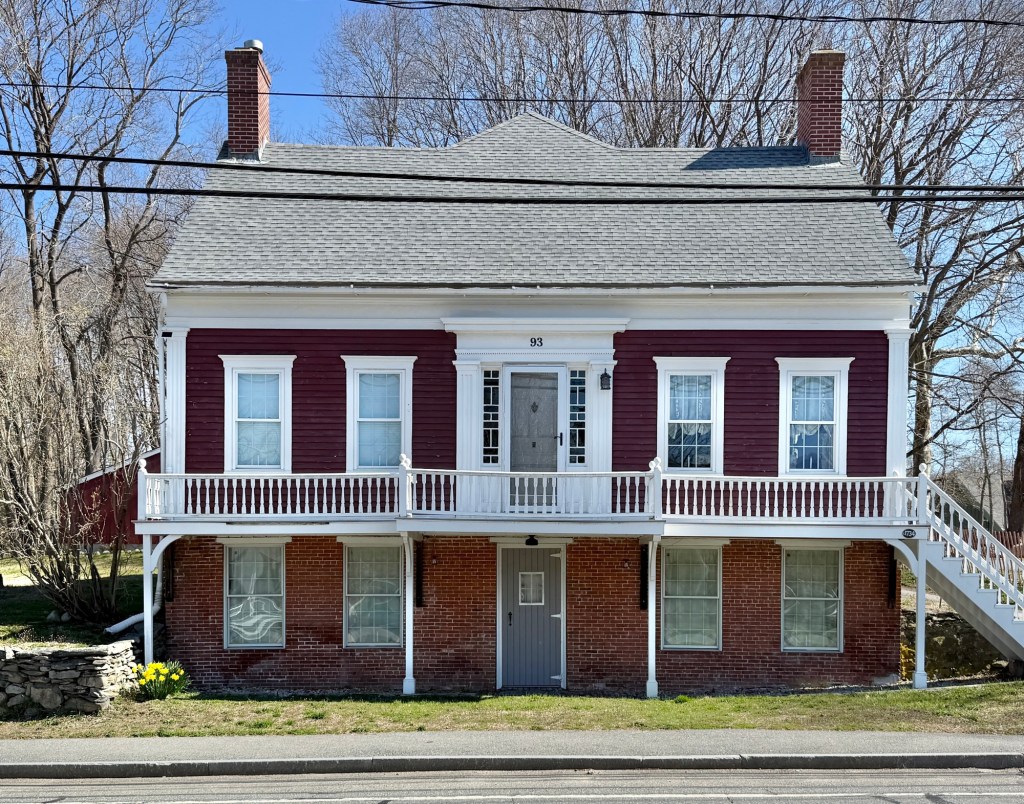
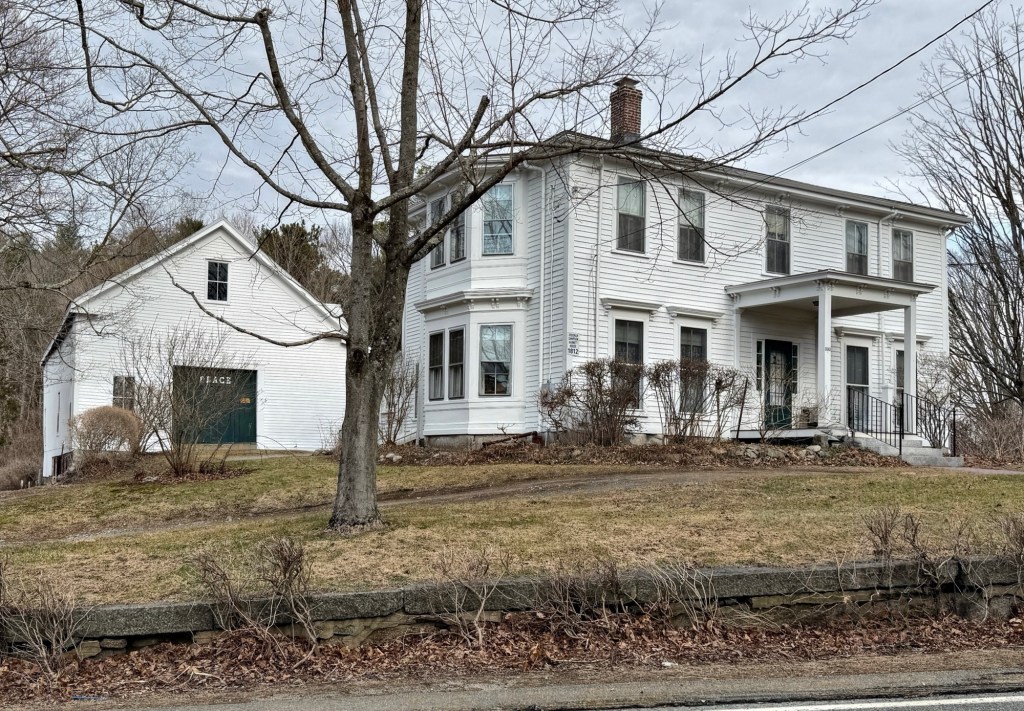
This unique two-story house on Main Street in Swansea, Massachusetts, is said to date to about 1734 but for the most part, its appearance dates to 100 years later. It is possible this was once a one-story, brick house, but by 1836, the property was owned by Samuel Sherman Hull (1788-1862) and Sarah Waite Hull (1799-1863) who married in 1835. It was during their ownership, that the house was expanded and “modernized” in the Greek Revival style in the 1830s or 1840s, when the wooden upper floor was added with elaborate central entrance with sidelights and pilasters at the corners and entry. The property was farmed by Mr. Hull and by the end of the 19th century, was owned by Mrs. Caroline A. Chace. It is possible that the brick floor operated as a store with a residence above but now is a single-family home.
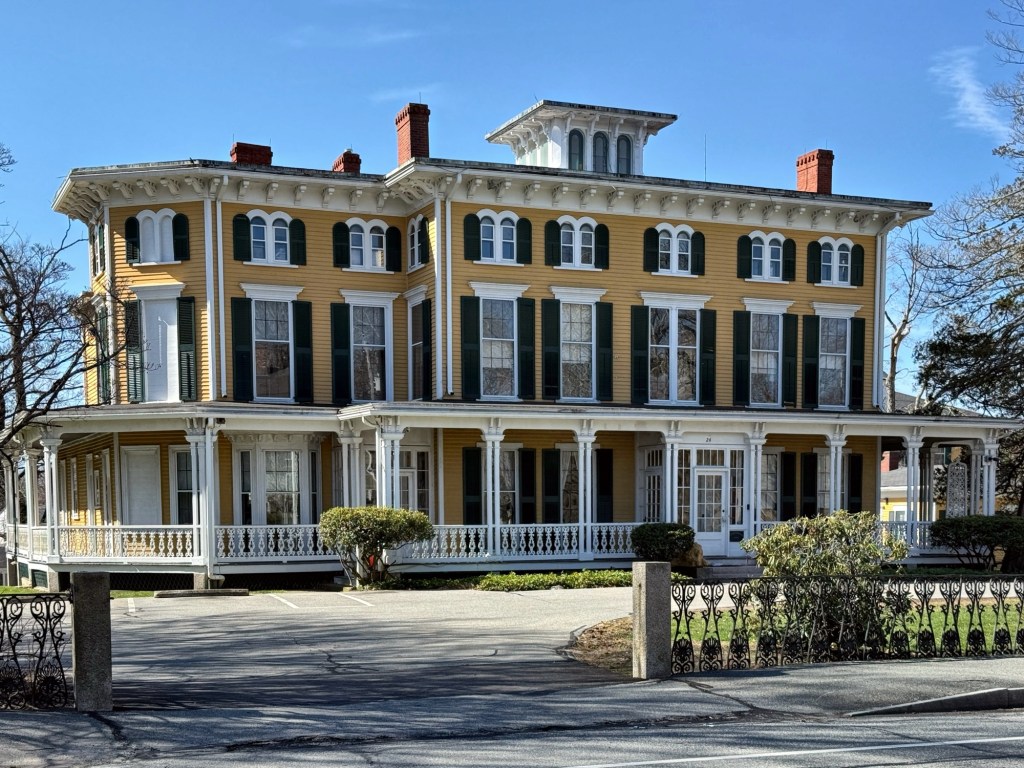
Built in 1855, the Birch-Stevens Mansion of Swansea, Massachusetts, is a grand Italianate style residence distinguished by its low hipped roof with belvedere, broad overhanging eaves with brackets, paired arched windows, and expansive wrap-around porch, all of a scale not commonly found in such a small community. The residence was built for James Birch and overseen by his new bride, Julia Chace. Before construction on the home, James Birch (1828-1857), not a wealthy man, worked as a stagecoach driver in Providence. His bride-to-be desired a large mansion in her native Swansea, equipped with servants and all the finer things of life. Since this dream was not attainable in his present circumstances, Birch, an enterprising 21 year old, decided to join the Gold Rush in California to make his fortune. In California, James became a stagecoach line entrepreneur and founder of the California Stage Company, the largest stage line in California in the 1850s. James made a fortune and returned to his wife in Swansea bringing money for her to begin constructing their grand mansion. James left again, this time establishing the San Antonio -San Diego Mail Line, the first transcontinental mail route in the United States. In 1857, while heading home, James sailed from San Francisco to Panama, took a train across the Isthmus, and sailed for New York on the steamer SS Central America. During the voyage, his ship was struck by a hurricane and later sunk. Many survivors clung to pieces of the ship’s wreckage for days with many dying to exposure or were swept away to their deaths, like James. He was just 28 years old. Back in Swansea, Julia was heartbroken but remarried her late-husband’s business partner, Frank Shaw Stevens, an equally successful businessman. Julia died in 1871, and Frank married a younger Elizabeth Case. The couple resided in this mansion for decades and donated substantially to their community, including funding the Town Hall, Public Library, Episcopal Church, and local public schools. In her will, Elizabeth Case Stevens bequeathed the large mansion in 1837 to the Frank S. Stevens Home for Boys which began as a boy’s orphanage. The organization remains to this day with an expanded mission, and maintain the sprawling estate and its various outbuildings, including the historic stable and farm structures.
Deborah Sampson (1760-1827) was born in Plympton, Massachusetts, and after a troubled childhood, she worked as an indentured servant until the age of 18. She subsequently worked as a teacher during the summer, though she had little in the way of formal education. In the early 1780s, Deborah tried to disguise herself in men’s clothing and enlist in the military to fight against the British forces. She was rebuffed but tried again under the name Robert Shirtliff (sometimes spelled Shurtleff) and this time was successful. Deborah was described as being exceptionally tall, plain looking, and masculine in appearance and mannerisms. She spent at least 17 months as a combat soldier and participated in several skirmishes and sustained multiple injuries. She was reportedly hit by musket fire in the summer of 1782 but refused medical treatment for a leg injury due to fears that her true identity would be discovered. Sampson is said to have extracted one piece of shrapnel from her leg by herself; another remained in her body for the rest of her life. Sampson’s time as a Revolutionary fighter came to a halt a few months before the end of the war, after she fell ill in Philadelphia and a doctor realized that Shurtleff was, in fact, a woman. Sampson received an honorable discharge and went back to Massachusetts. She married Benjamin Gannett (1757–1837), a farmer, on April 7, 1785, and the couple moved to this farmhouse in Sharon, Massachusetts, where she lived the remainder of her life as a farmer’s wife. After Deborah Sampson died at the age of 66, her husband petitioned Congress to receive a pension as the widower of a Revolutionary veteran. A committee ultimately decided to award him the money, concluding that the war had “furnished no other similar example of female heroism, fidelity and courage.” She was the only woman to earn a full military pension for participation in the Revolutionary army. The Deborah Sampson Gannett Farmhouse is a private residence.