Hope Block // 1869

The Hope Block on North Main Street in Providence’s East Side neighborhood is an architecturally significant commercial block in the Second Empire style. The masonry building was constructed in 1869 and is probably designed by architect, Clifton A. Hall, who designed similar buildings in the city around that time. The block was developed by Edward M. Young and Ezra P. Lyon of the firm, Young & Lyon to house their fruit and grocery store, which they operated here from 1870 until 1889. By the latter half of the 20th century, the building was owned by the Rhode Island School of Design, and rehabilitated for classrooms in 1984, even retaining the cast iron storefronts, unique arched windows, and slate mansard roof. Today, the Hope Block houses the RISD Store.

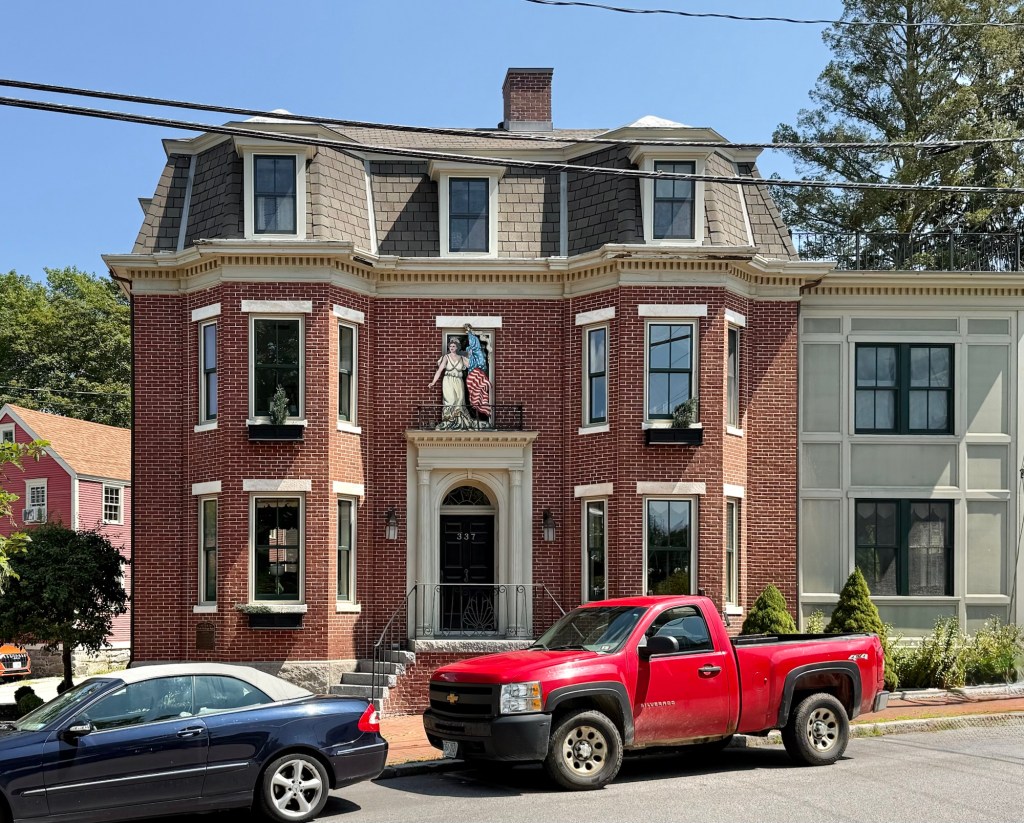
John E. Colcord House // c.1870

While Portsmouth, New Hampshire, is arguably best-known for Georgian and Federal style houses of the 18th and early 19th centuries, there are some great examples of Victorian style residences built after the Civil War to be discovered. This brick Second Empire style residence on Pleasant Street was built around 1870 and originally owned by Ebenezer Lord (1788-1877), who lived elsewhere in Portsmouth, likely gifting this home to his daughter, Susan (Lord) Colcord, and her husband, Charles Colcord. Both Charles and Susan died one year apart in 1872 and 1873 respectively, and the property was inherited by their son, John. John Edward Colcord worked as the Clerk at the Portsmouth Navy Yard. The building has a Mansard roof with overhanging eaves, denticulated cornice, and three shed-roof dormers at the facade. Walls are brick and rest on a granite foundation, with a later, wood-frame side addition that employs similar design details of the main house. 
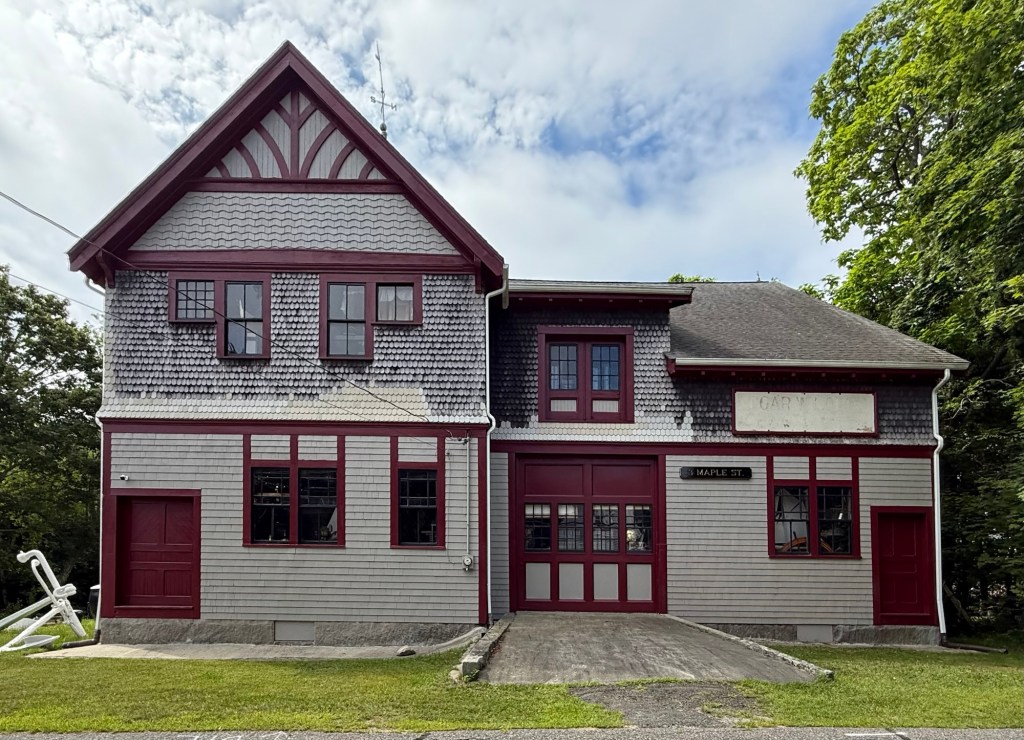
Horatio Adams Stable // c.1880

This oversized stable and carriage house is located at 3 Maple Street in Kingston, Massachusetts and it dates to about 1880. The stable was built for Horatio Adams (1845-1911), a wealthy resident who operated a successful slaughterhouse and stockyards nearby along with maintaining stores adjacent to the nearby the train tracks. After Horatio Adams died, the stable was eventually purchased by Edgar W. Loring and converted to a cranberry screen & warehouse for his cranberry farm. The significant Queen Anne/Stick style building suffered from deferred maintenance by the late 20th and early 21st centuries, but was purchased in recent years and undergoing a restoration of the exterior. Does anyone know what its use is today?

Lynch House // 1889

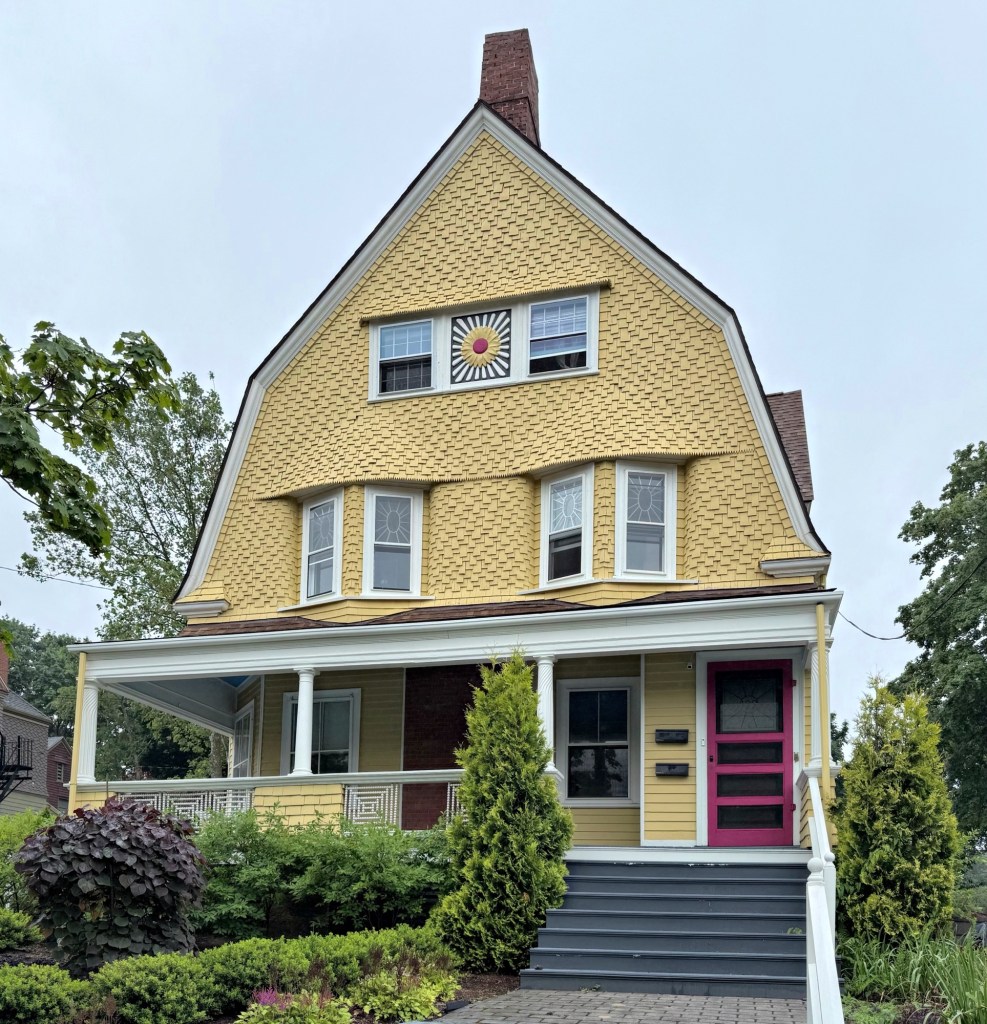
One of the most unique and enchanting houses in the Ashmont Hill neighborhood of Dorchester is the Lynch House (aka the Sunflower House) at 102 Ocean Street, a landmark example of the Queen Anne architectural style. This residence was designed in 1889 by architect Samuel J. Brown, who worked in the firm of Cummings and Sears before opening his own office in Boston, where he specialized in residential designs. The first owners were Edward C. Lynch, a stair builder, and his wife, Petronella P. Lynch, who was born in Sweden and emigrated to the United States. Architecturally, the Lynch House features a prominent gambrel roof that swells out over the second-floor inset windows, clapboard and shingle siding, sawtooth shingled details over the windows, and the sunflower motif in a panel at the third floor.

Clark-Cottle House // 1890

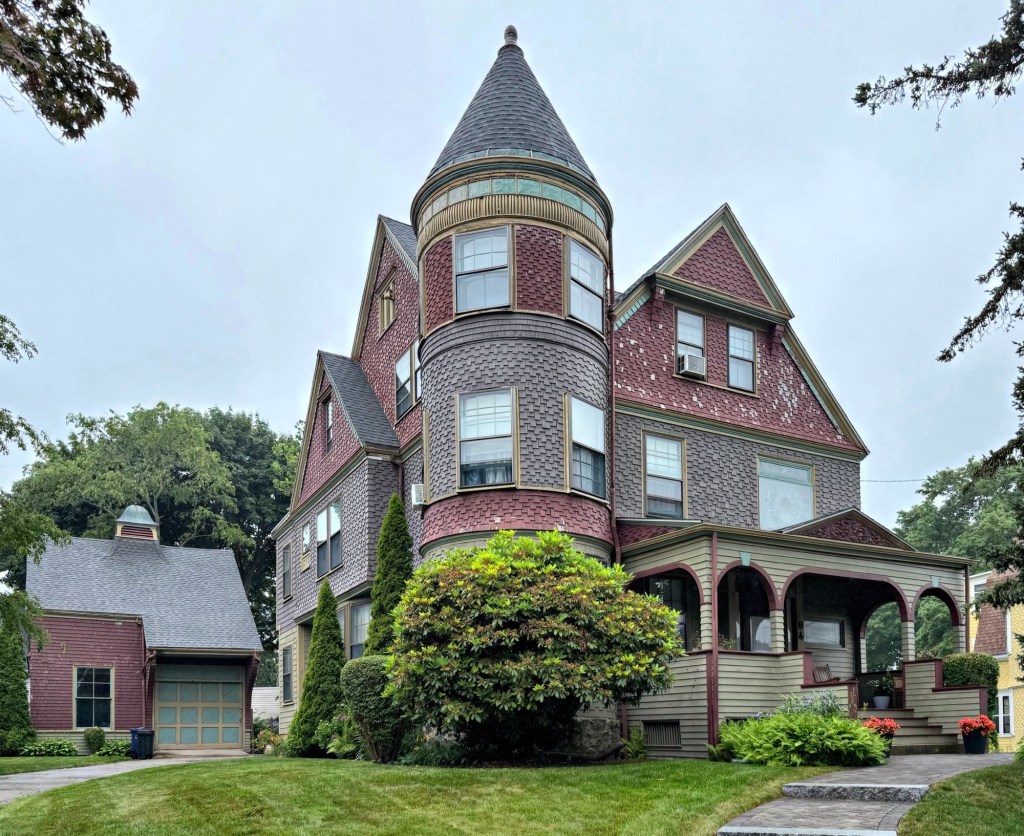
One of the most sumptuous Victorian-era homes in Dorchester can be found at 94 Ocean Street, this is the Clark-Cottie House. The residence (and rear stable) was built in 1890 from plans by famed architect Arthur H. Vinal, who designed many other Shingle style and Queen Anne homes in the surrounding neighborhood. The first owners of the mansion were Evelyn and Edward Clark, who after a few years, sold the property to Edgar Cottle, president of the Curtis & Pope Lumber Company. The three-story Queen Anne style mansion features a rounded corner tower, varied shingle siding, shingled porch, and the intact, charming stable at the rear.

Frank and Laura Carter House // 1889

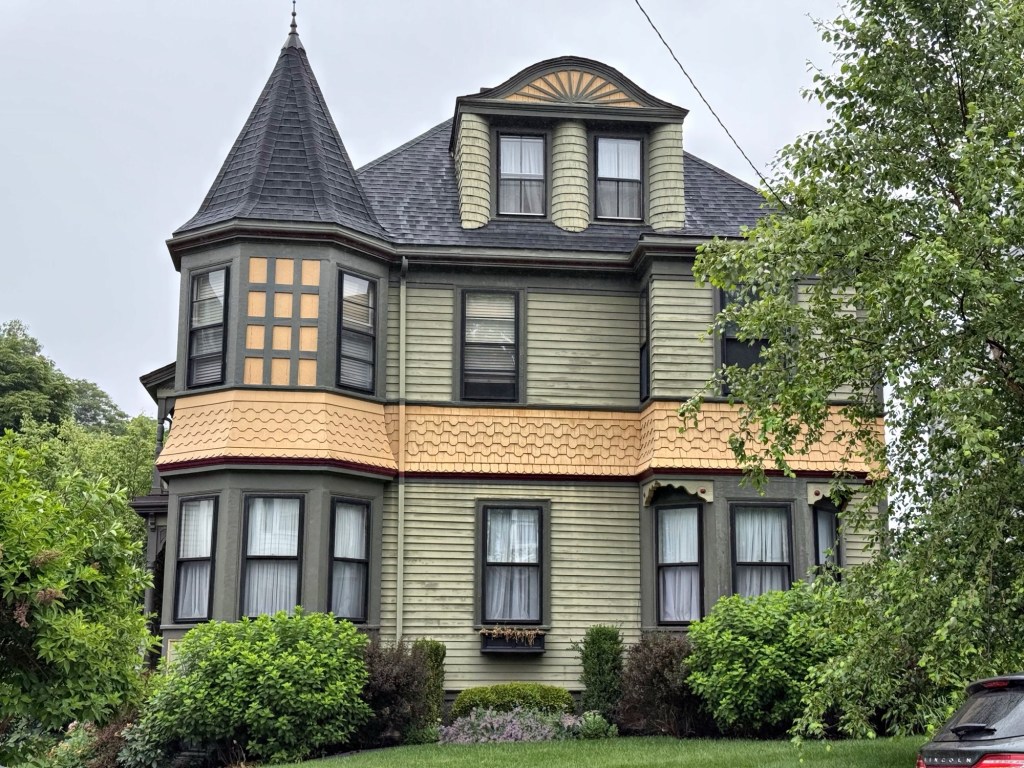
Effortlessly blending the Shingle and Queen Anne architectural styles, the Frank and Laura Carter House at 107 Ocean Street in Ashmont, Dorchester, Massachusetts, is one of the finest Victorian residences in the neighborhood. The house was designed by famed local architect Arthur Vinal, who also furnished plans for the Dorchester Temple Baptist Church nearby that same year. The house was built for Frank Carter (1859-1950), treasurer of the Bay State Belting Company, and his new wife, Laura. Special details on the house include the polygonal bay capped by pyramidal roof, belt-course of shingles breaking up the facades, and stunning two-bay eyebrow dormer facing the street with shingled returns.

Reed-Fitzgerald House // 1891

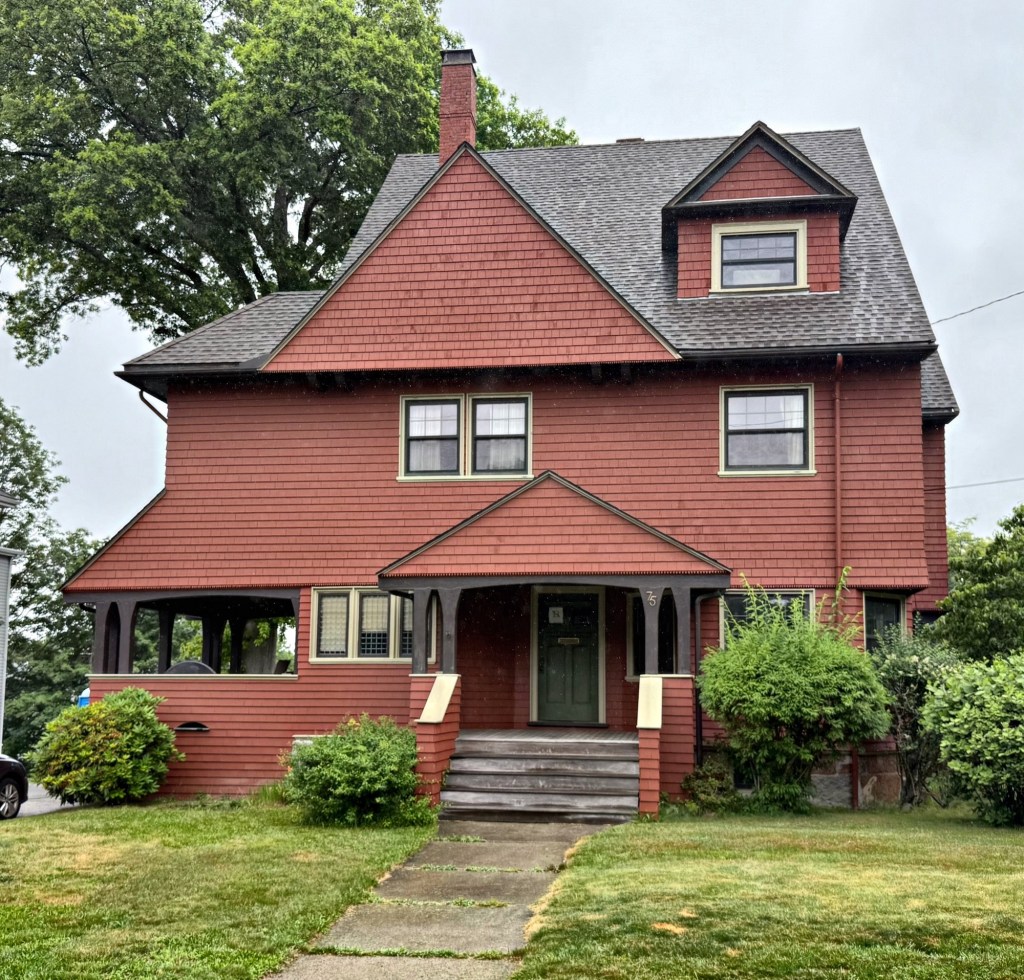
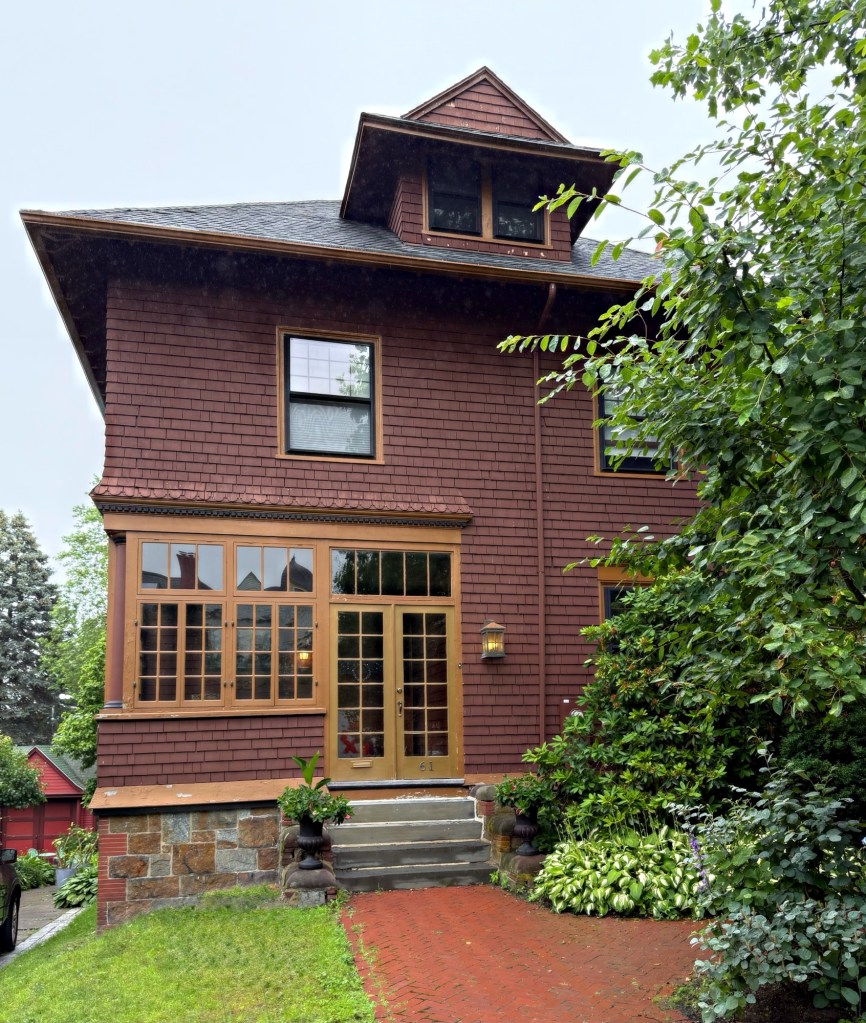
The Reed-Fitzgerald House at 75 Ocean Street in Ashmont Hill, Dorchester, stands out as a simple, yet beautiful example of the Shingle style of architecture for residential purposes. The house here was built in 1891 from plans by Edwin J. Lewis, Jr., a Boston-born architect who worked at the office of Peabody and Stearns before he opened his own firm in 1887, specializing in suburban houses and churches. The first owner of this residence was George Reed, a Boston insurance executive. Years later, the house was owned by Henry Fitzgerald, possibly Henry S. Fitzgerald, the brother of John “Honey Fitz” Fitzgerald (1863-1950), the Mayor of Boston who resided in a since demolished house in the neighborhood. Mayor John Fitzgerald was the father of Rose Fitzgerald and maternal grandfather of her sons President John F. Kennedy, Attorney General Robert F. Kennedy, and Senator Ted Kennedy. Recently, the owners of the Reed-Fitzgerald House have restored the exterior, and stained the shingles the lovely rust color.

Higgins-Little House // 1890

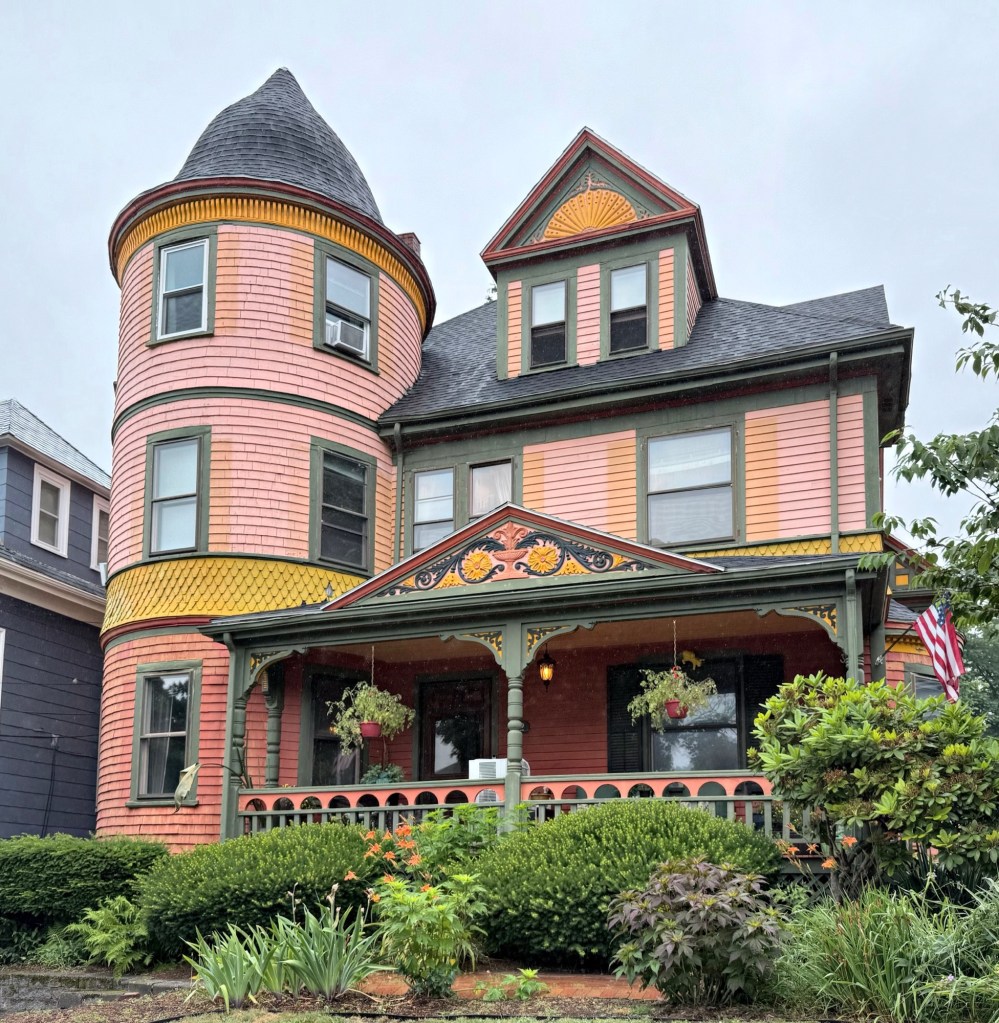
This “painted lady” on Roslin Street is one of the many fine Queen Anne Victorian houses in the Ashmont Hill neighborhood in Dorchester, Massachusetts. The residence was built in 1890 for original owner, Lewis H. Higgins, a master mariner who was born in Wellfleet before moving to Boston. Higgins seemingly resided here with his family for a short time until the house was sold in 1893 to Samuel and Grace Little. The house is perched on a hill and features a prominent rounded corner tower. The original porch with turned posts and gable detailing stand out with the intricate paint scheme used to highlight all of the amazingly preserved ornamentation. While paint schemes like these are not historic, they do bring joy to owners and passersby, and help viewers appreciate the care that these stewards take in maintaining their old homes.

George and Emma James House // 1894

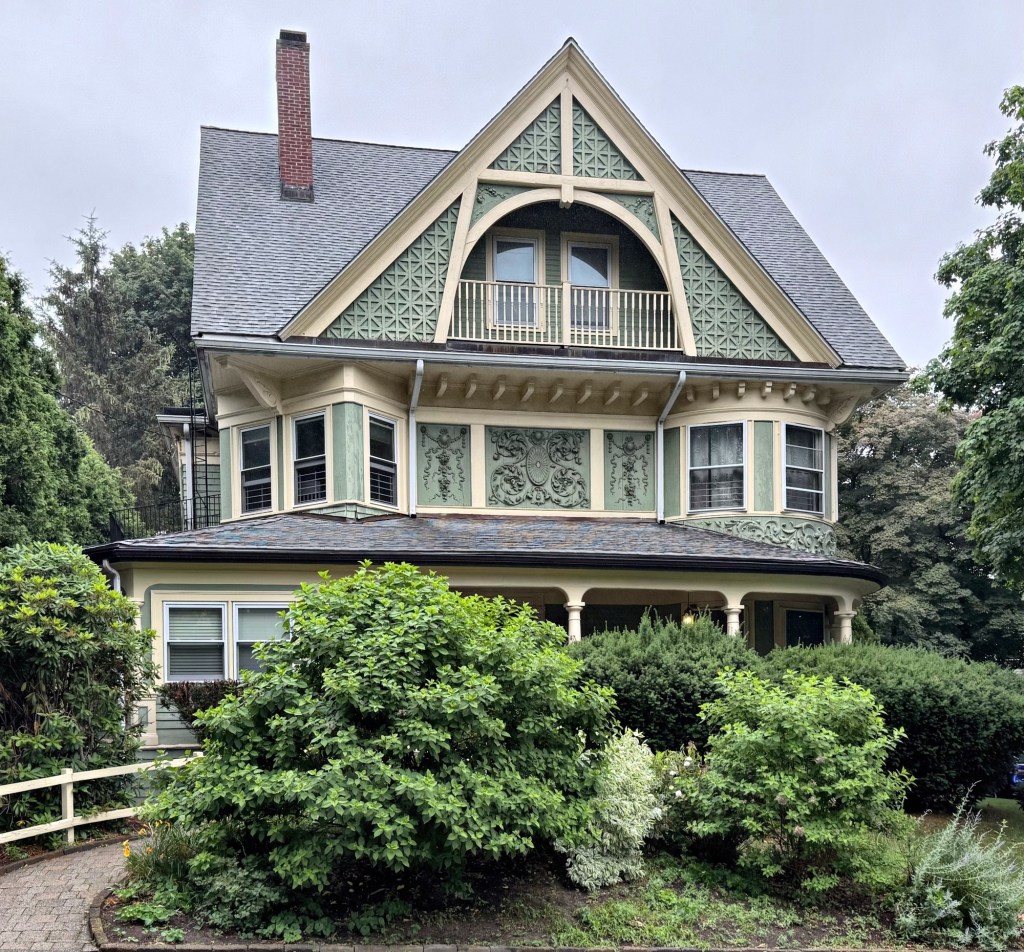
Built in 1894 for George and Emma James, the house at 47 Ocean Street in the Ashmont area of Dorchester, stands as one of the finest high-style examples of a Queen Anne single-family residence in Boston. George James was born in Vermont and worked as a farmer before moving to Boston, where he found work as a shoe manufacturer, opening offices and manufacturing facilities in the Leather District. The house was clearly designed by a skilled architect, and historians note that the residence was the design of architect S. Edwin Tobey, a skilled proponent of the Queen Anne style, seen here with its incredible detailing and unique form. The high-relief carvings in the gable and panels stand out, along with the recessed porch, and historic stable at the rear.

Sidney A. Kimber House // c.1894

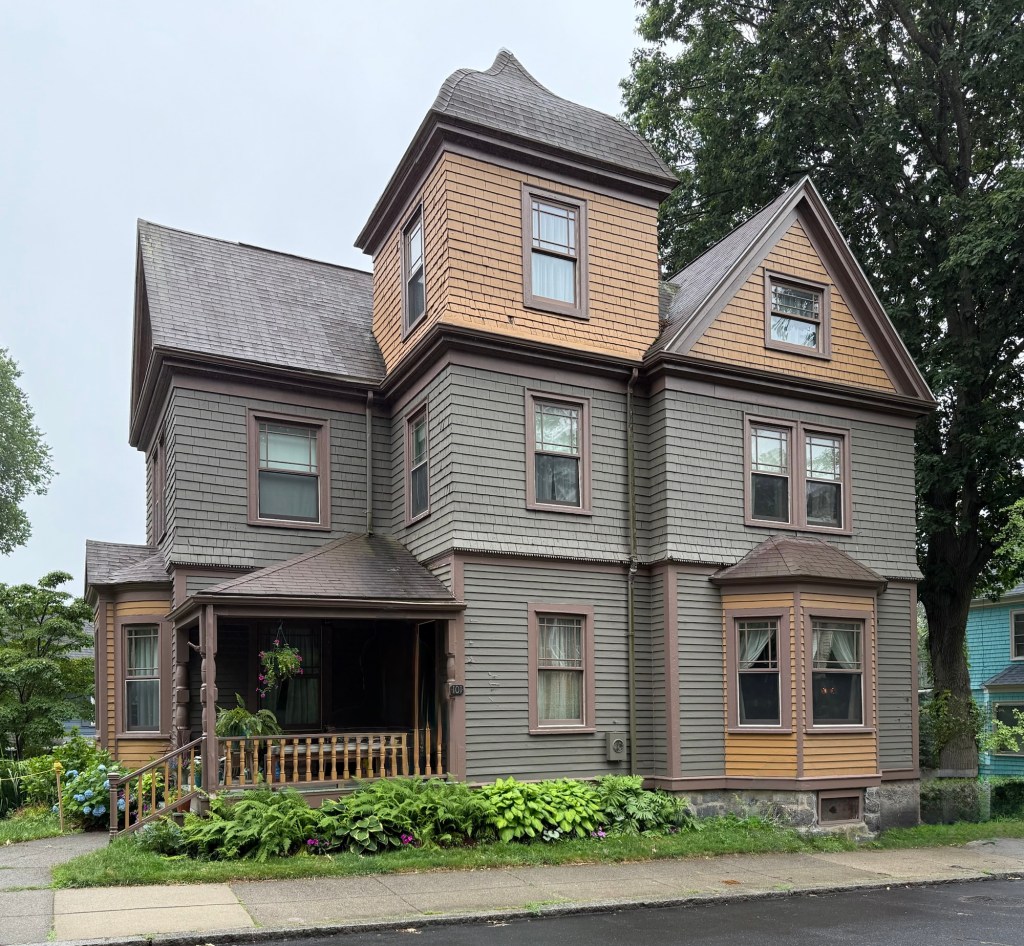
Built by 1894, this fabulous Queen Anne victorian house can be found on Ashmont Street in Dorchester, and it has a period-appropriate color scheme. The residence here was built for Sidney Arthur Kimber (1866-1956) a London-born printing expert, who for years worked at the University Press in Cambridge. Mr. Kimber was an expert on printing and wrote many books on the subject; he even built a working model of the first printing press brought over from England to Cambridge in 1638. The Kimbers lived here for just a few years before moving, and the house was sold a few times until the first long-term owner, Helena T. Shortell. The house is lovingly preserved and features a unique entry tower capped by an ogee roof.