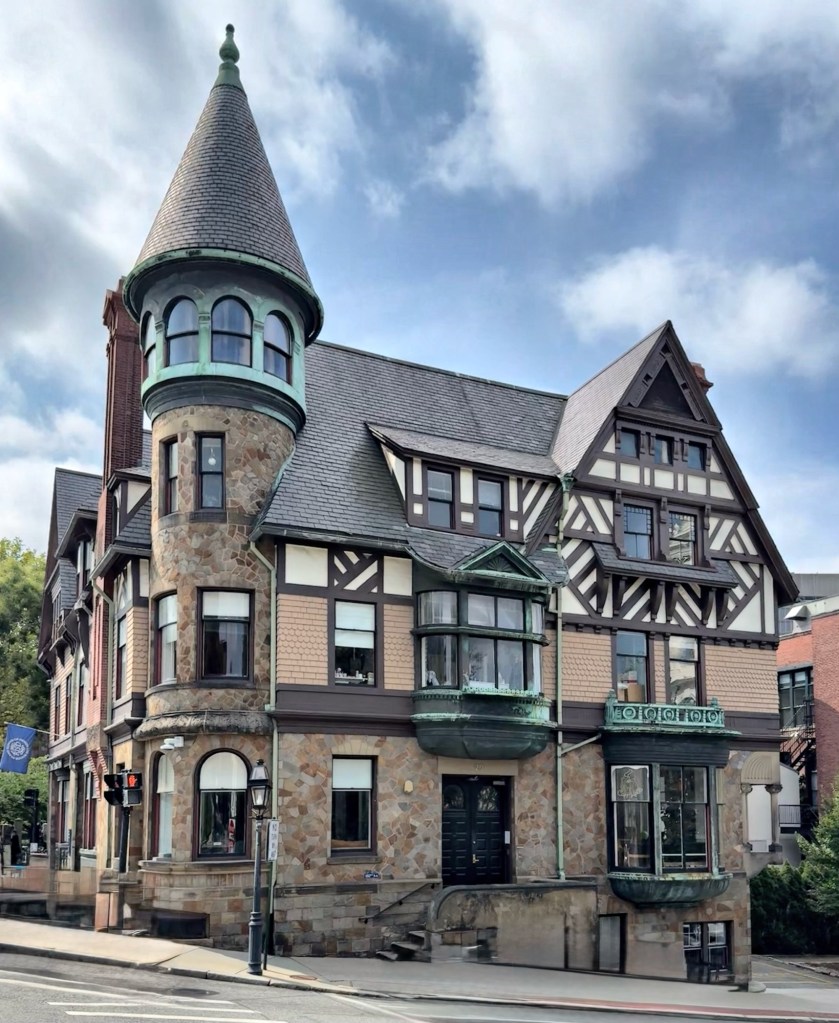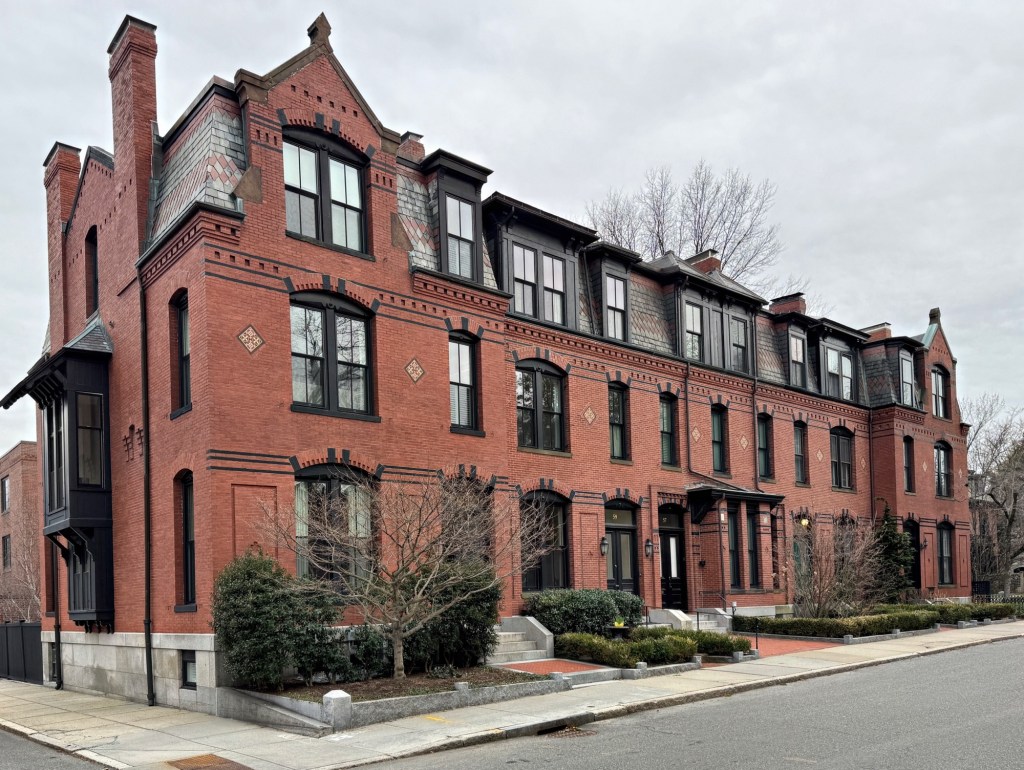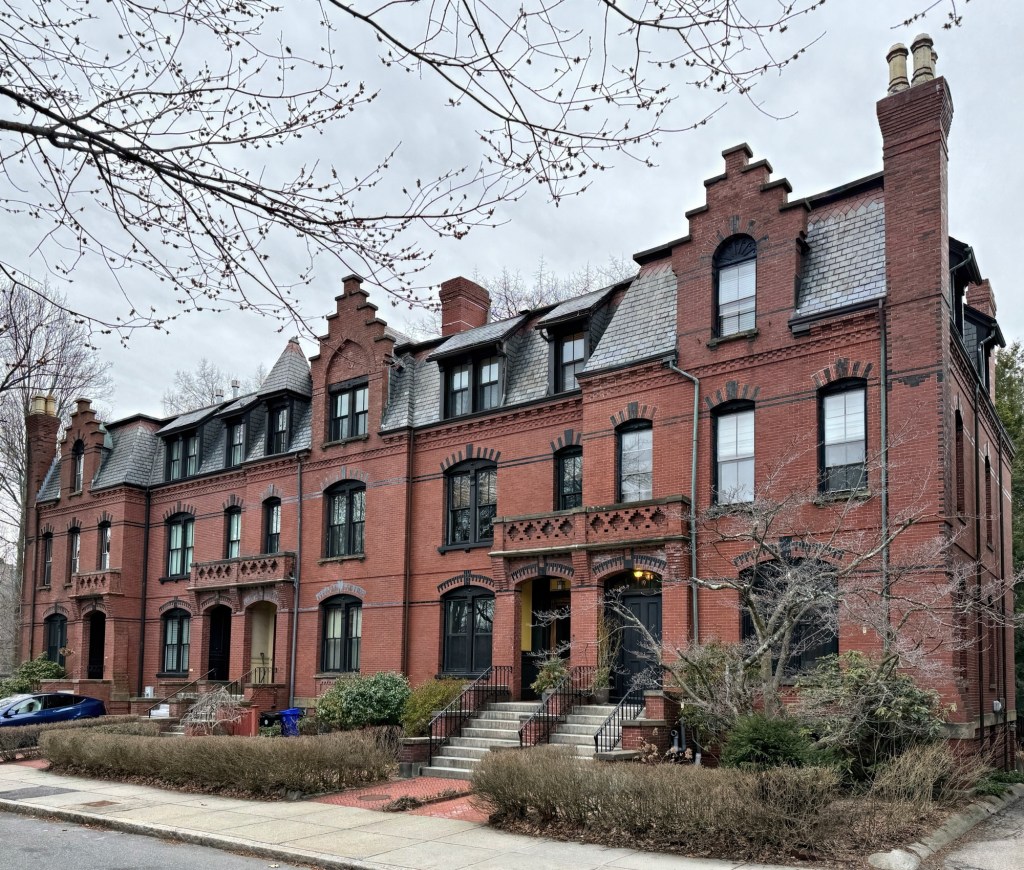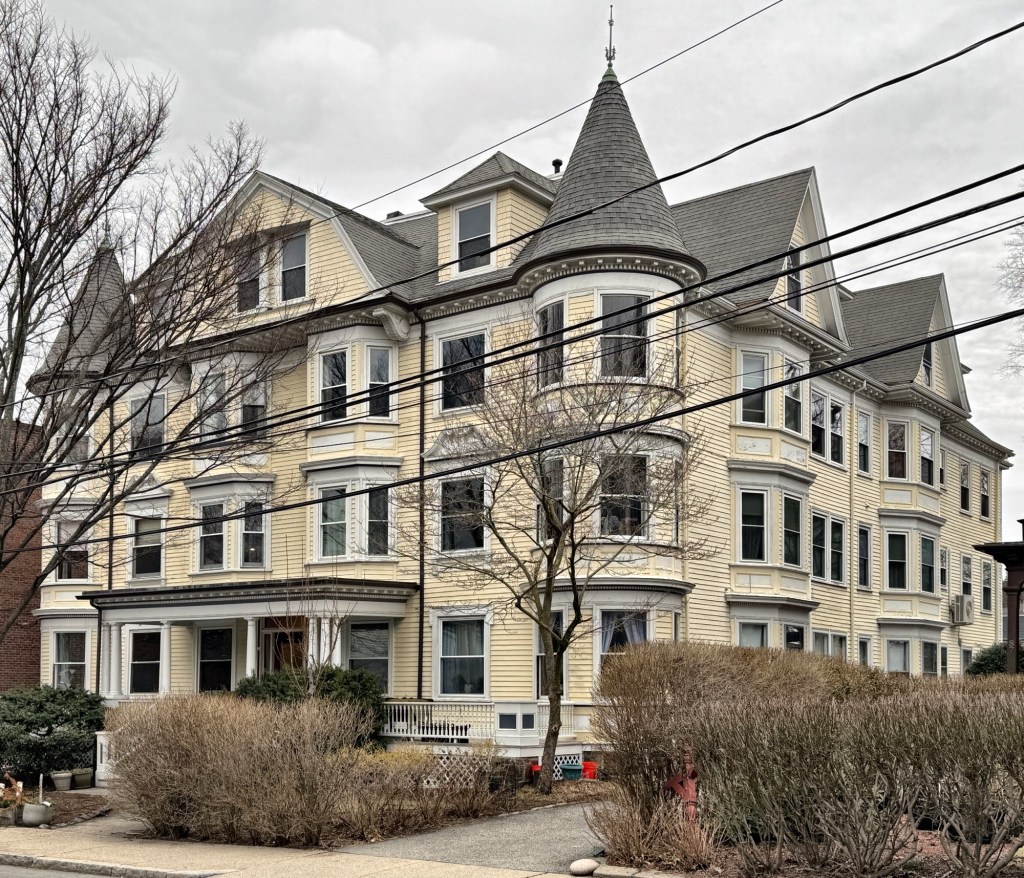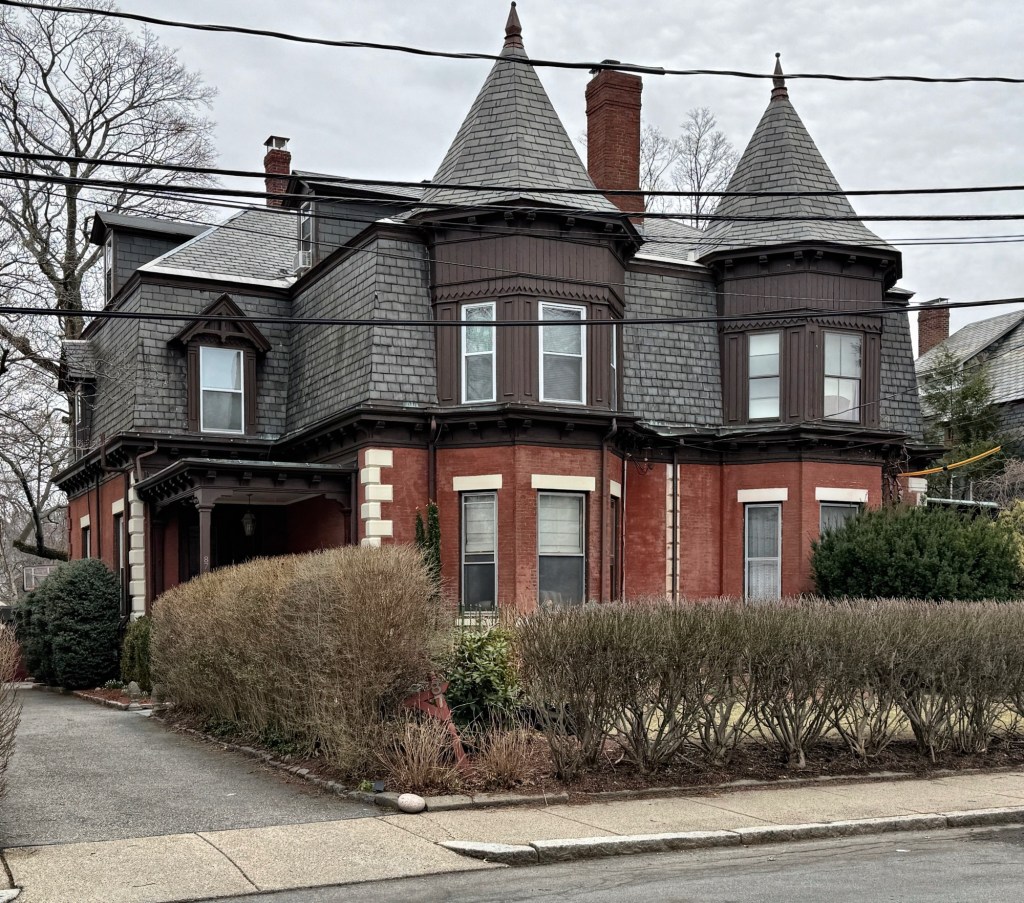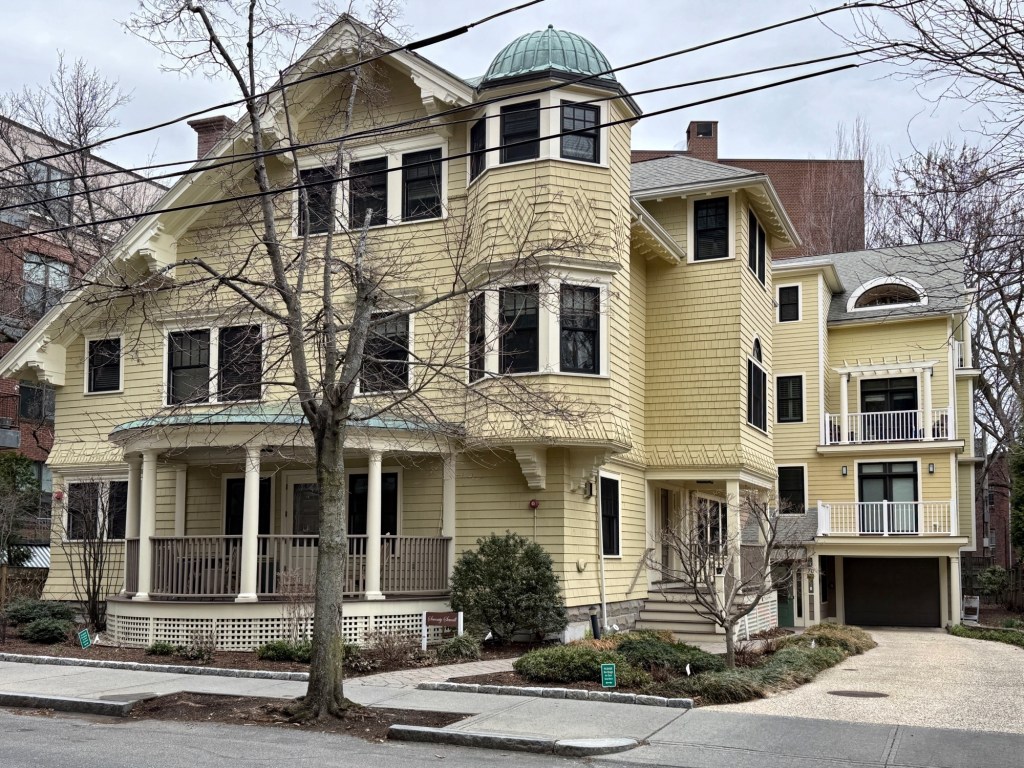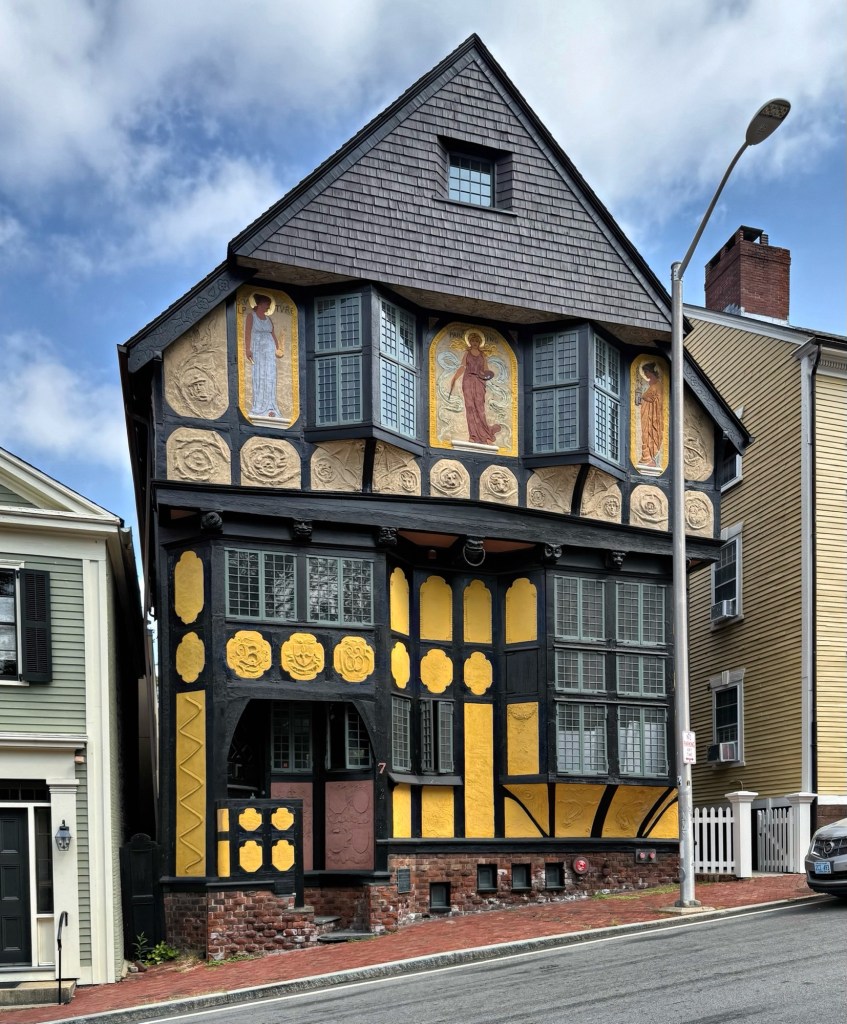
Gibson-Dukakis Double-House // 1881

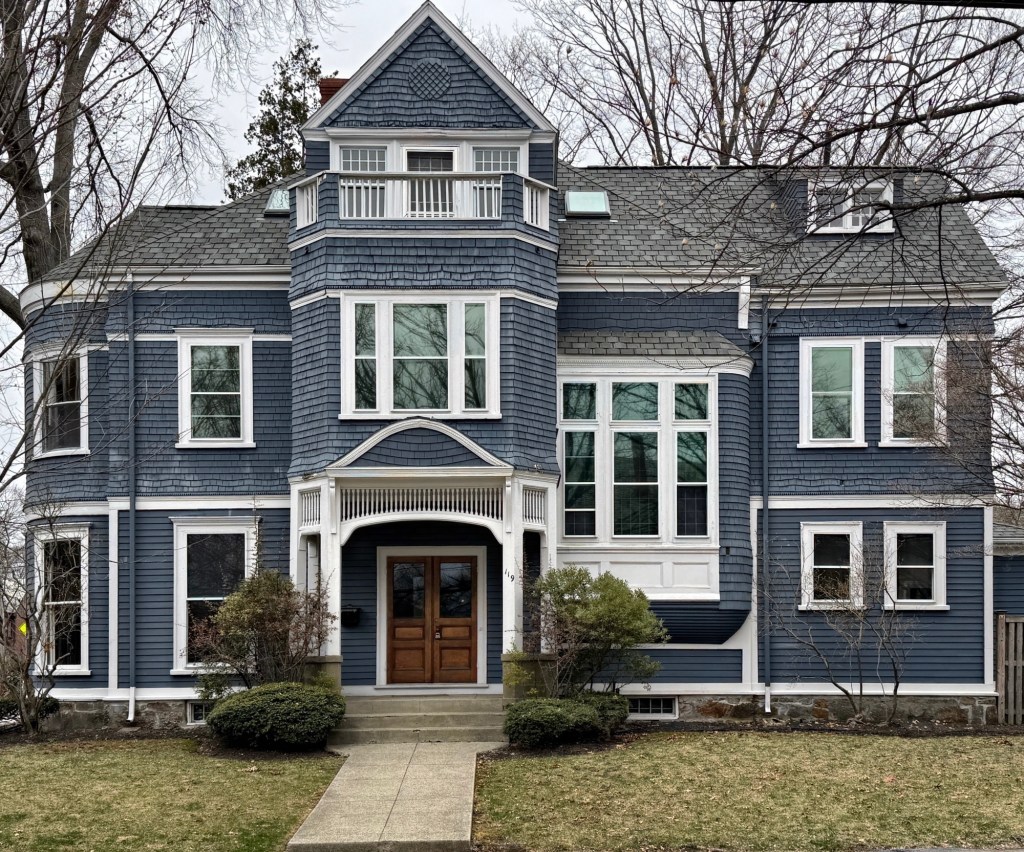
Built in 1881 as an eclectic example of a Second Empire and Queen Anne style Victorian double-house, this charming residence on quiet Perry Street in Brookline, Massachusetts, shows that gentle density like double-houses and three-deckers provides needed housing without disrupting neighborhood character. The property was built for George Gibson and subsequently rented to two families as an investment. In the mid-20th century, half of the double-house was purchased by Michael Dukakis and his wife, Katharine “Kitty” (Dickson) Dukakis. Michael Dukakis would become a prominent politician, first being elected as a Member of the Massachusetts House of Representatives in 1963 later serving two terms as Massachusetts Governor. He was later nominated by the Democratic Party for president in the 1988 election, but ultimately lost to the Republican nominee, George H. W. Bush.

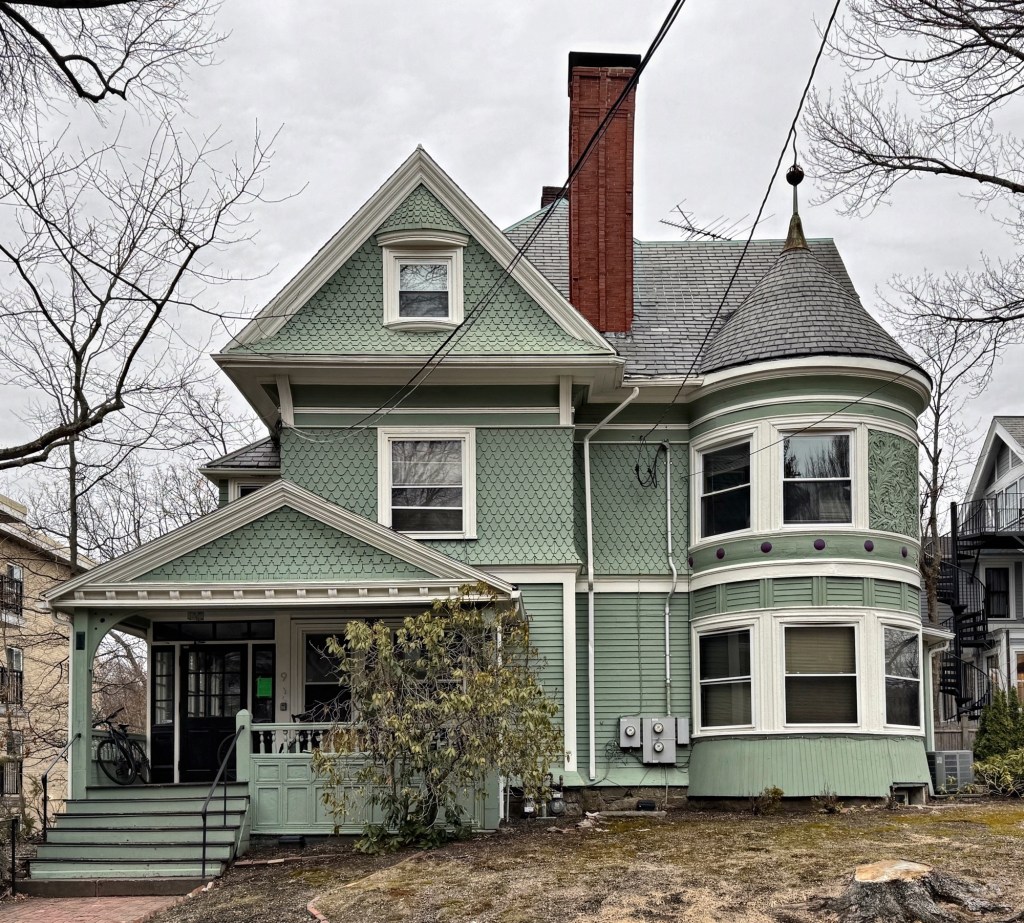
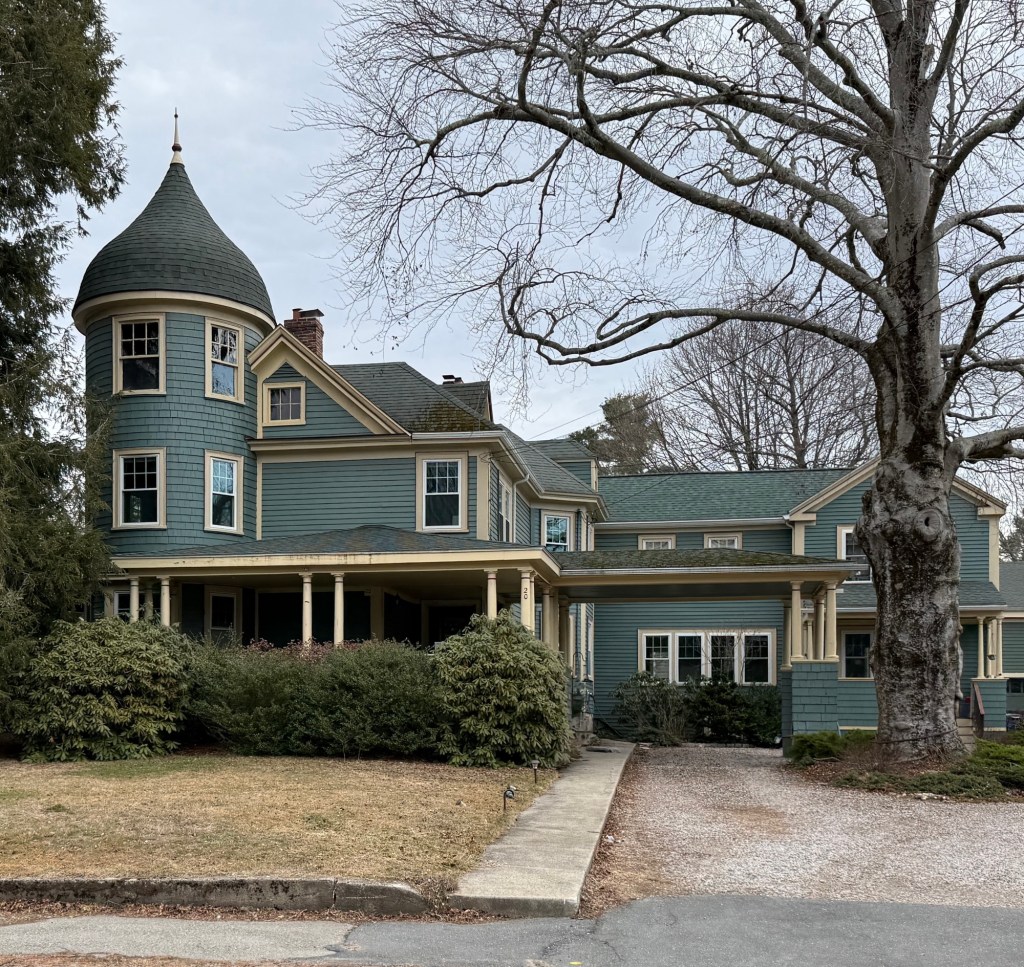
Charles P. Flagg House // 1899

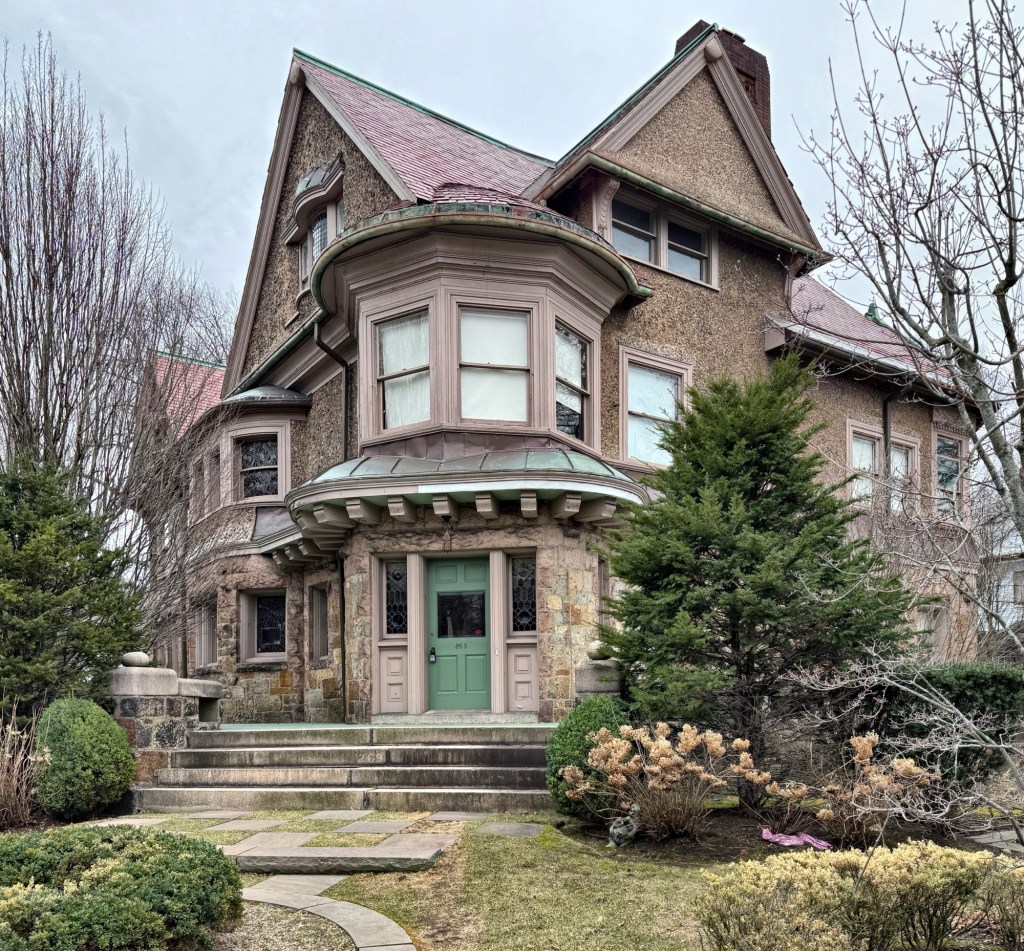
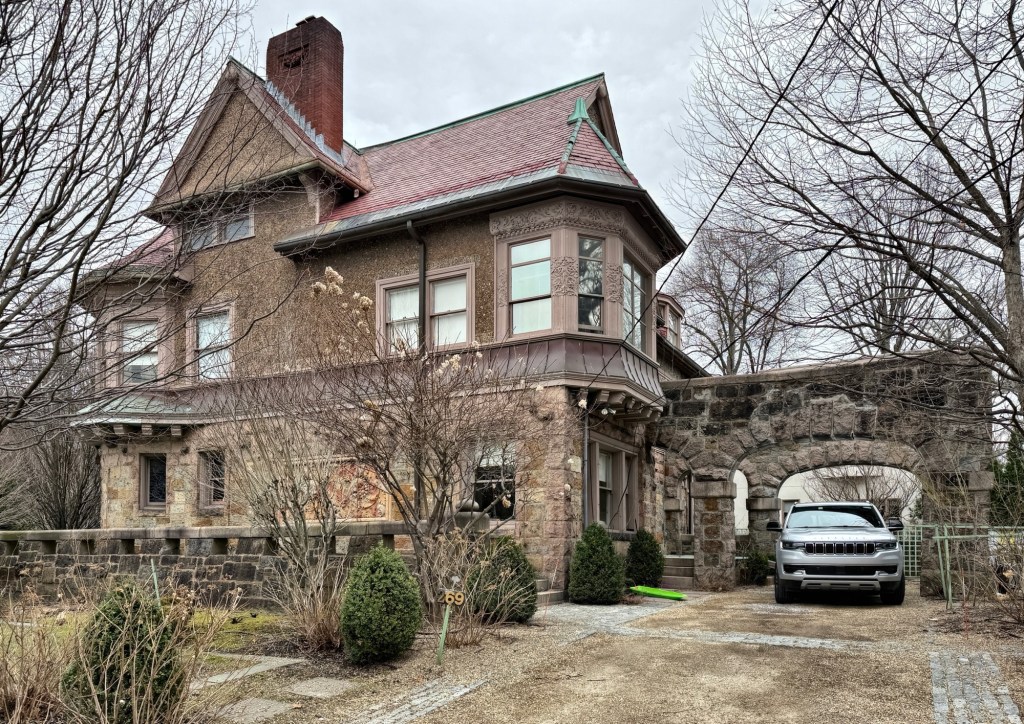
Located on Sewall Avenue in Brookline, Massachusetts, the Charles P. Flagg House exemplifies upper-class single-family housing built in the late 19th century that has been added onto and converted into multi-family housing to serve a growing city. Charles Partridge Flagg (1851-1911) was a real estate developer and head of the D. F. Flagg & Co., a wholesale liquor company his father started in Boston. He purchased the former Dexter property, subdivided the estate, and hired architect Julius A. Schweinfurth to design a home for his family. “Jule” Schweinfurth was long-associated with the firm of Peabody & Stearns of Boston, which in the late 19th century, was one of the premier architectural offices in the United States, but when he was not offered a partnership offer by his bosses, he established a new firm under his name. For the Flagg House, Schweinfurth blended the Shingle, Queen Anne, and Arts and Crafts architectural styles with a unique asymmetrical roofline, wide overhanging eaves with cross brackets and exposed rafter tails, consistent shingle siding, and a two-story polygonal oriel with domed roof at the corner. The Flagg House was moved forward on the lot to facilitate a rear addition and completely renovated in 2011, transforming it into a seven-unit condominium building with garage and elevator. This example of “gentle density” is exactly what communities should allow for, to preserve the character at the streetscape but provide additional housing.

Dr. Caroline Eliza Hastings House // 1890

A fine example of the Queen Anne style of architecture, this late 19th century residence in Sharon, Massachusetts, is equally significant for one of its owners, Dr. Caroline Hastings. Caroline Eliza Hastings (1841-1922) was born in Barre, Massachusetts, and after attending public schools there, would enroll at the New England Female Medical College (later absorbed into the Boston University Medical School), graduating with an MD degree in 1868. She conducted a private practice and additionally worked as an instructor at her alma mater. She was affiliated with the Talitha Cumi Home in Jamaica Plain, Boston, a medical facility run by women to treat and house unmarried mothers and their young children. Doctor Hastings was an amazing woman who also established and was president of Boston’s first women’s medical society, and while on the Boston School Committee, implemented the first free school lunch program for poor children in the country. In the early 20th century, Dr. Hastings and her husband, Charles Printer, purchased this house built in 1890 and moved here together, where they likely enjoyed retirement. Dr. Caroline E. Hastings died in 1922, and her Sharon home has been preserved by later owners and resembles the property when she resided here.

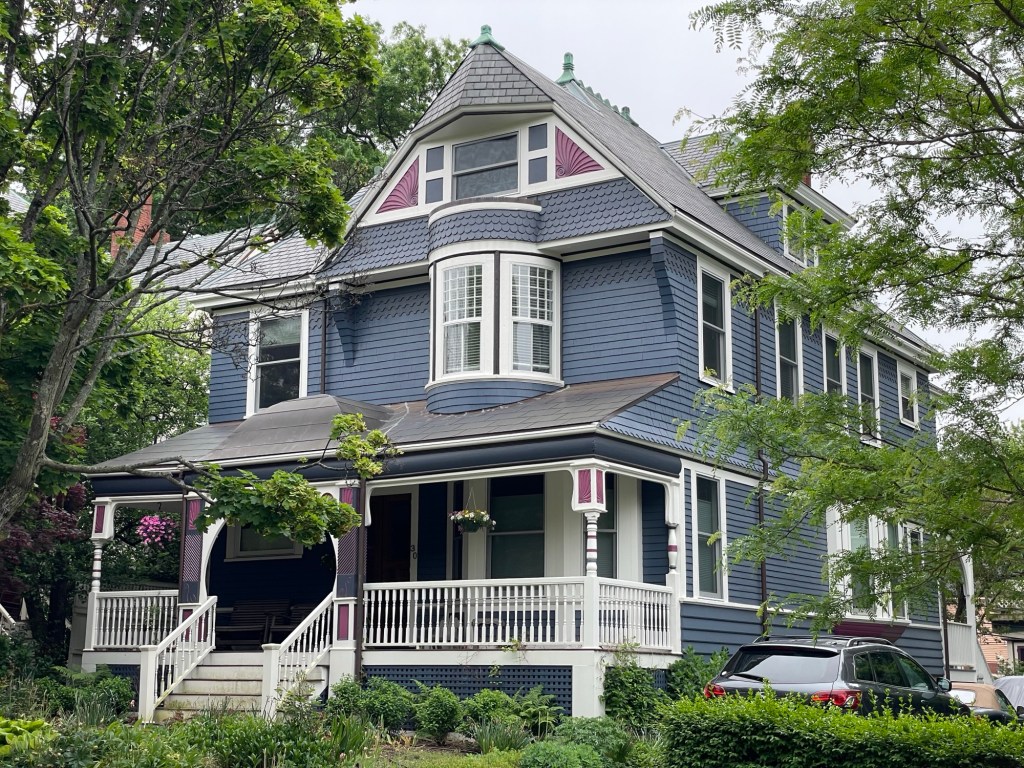
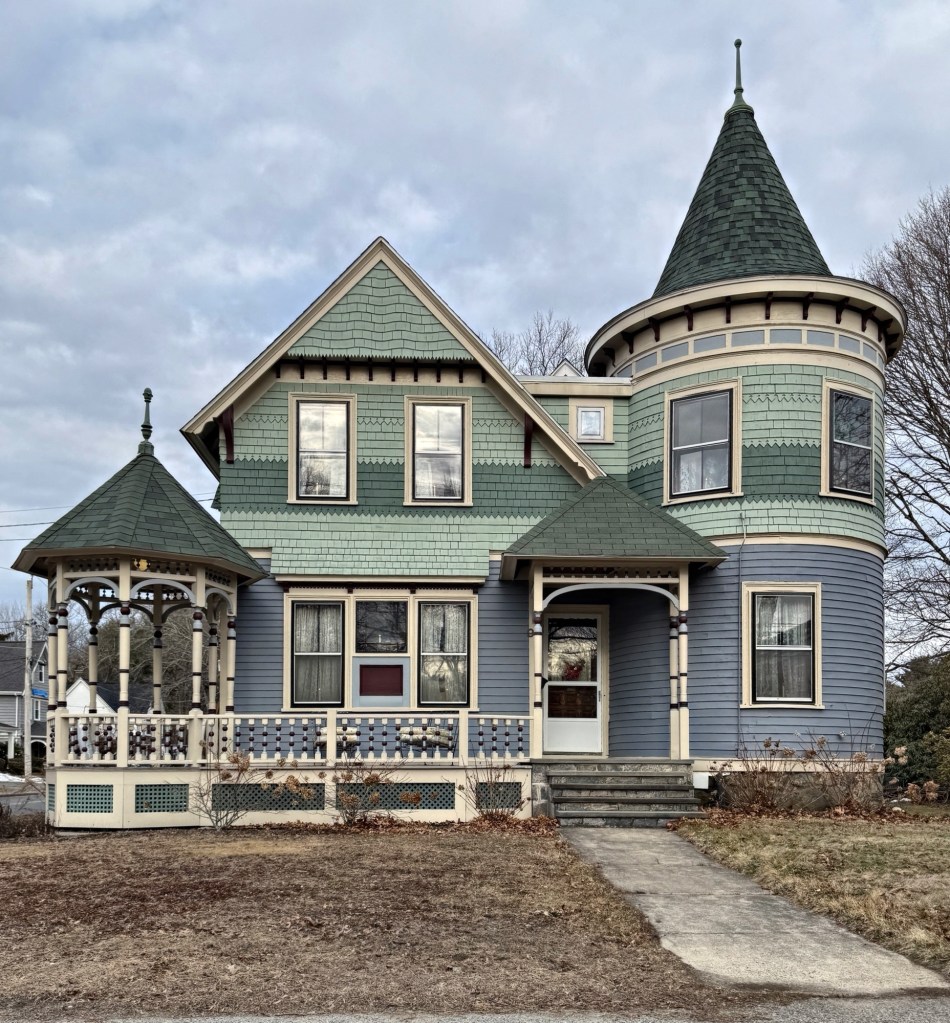
Timothy Quinn House // 1892

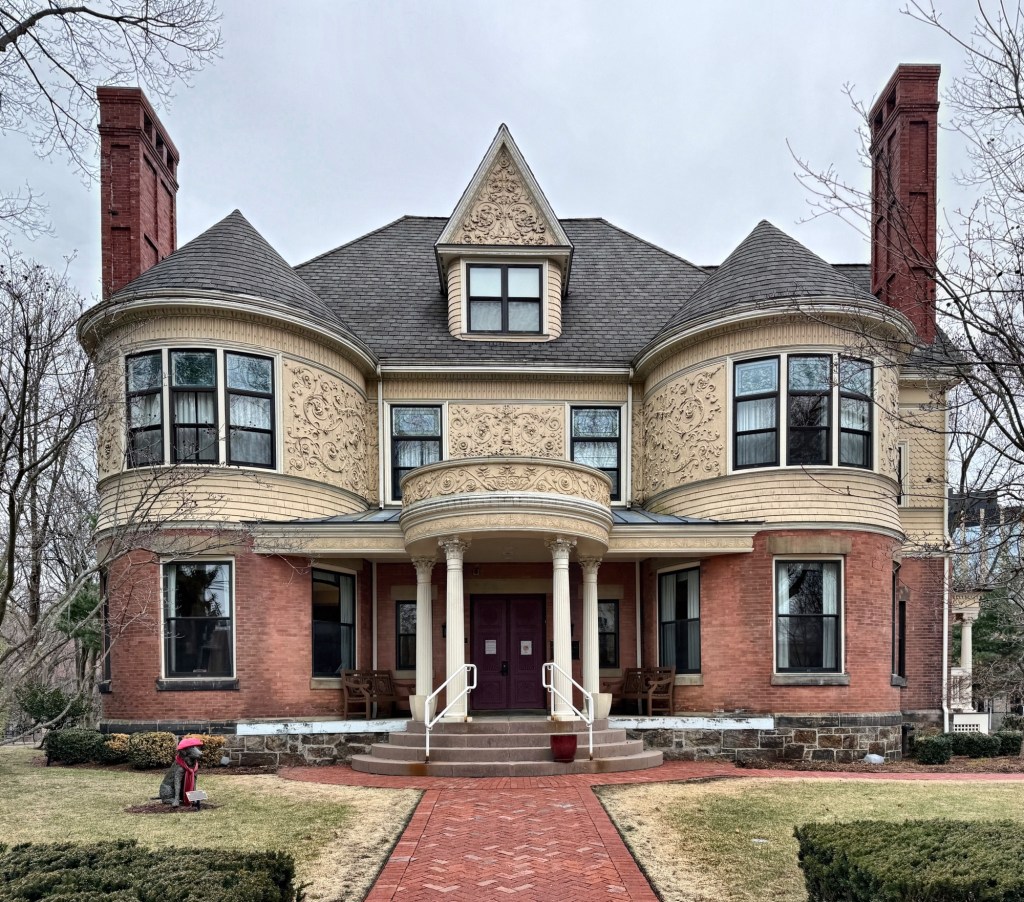
The Timothy Quinn House on South Main Street in Sharon, Massachusetts, is an extravagant example of the Queen Anne style that maintains its flourish and ornate details. The residence was built in 1892 for Timothy Francis Quinn (1863-1934), a first-generation Irish resident who owned and managed a shipping business with his brother, John. Timothy Quinn was active in local affairs and with the local Catholic church and historical society. After his death in 1934, the property was inherited by his wife, Elizabeth, and later by their daughter, Esther. Architecturally, the Quinn House has an irregular plan and features varied siding, brackets, a tower capped by a conical roof, and elaborate porch, all painted to highlight the many unique details. 

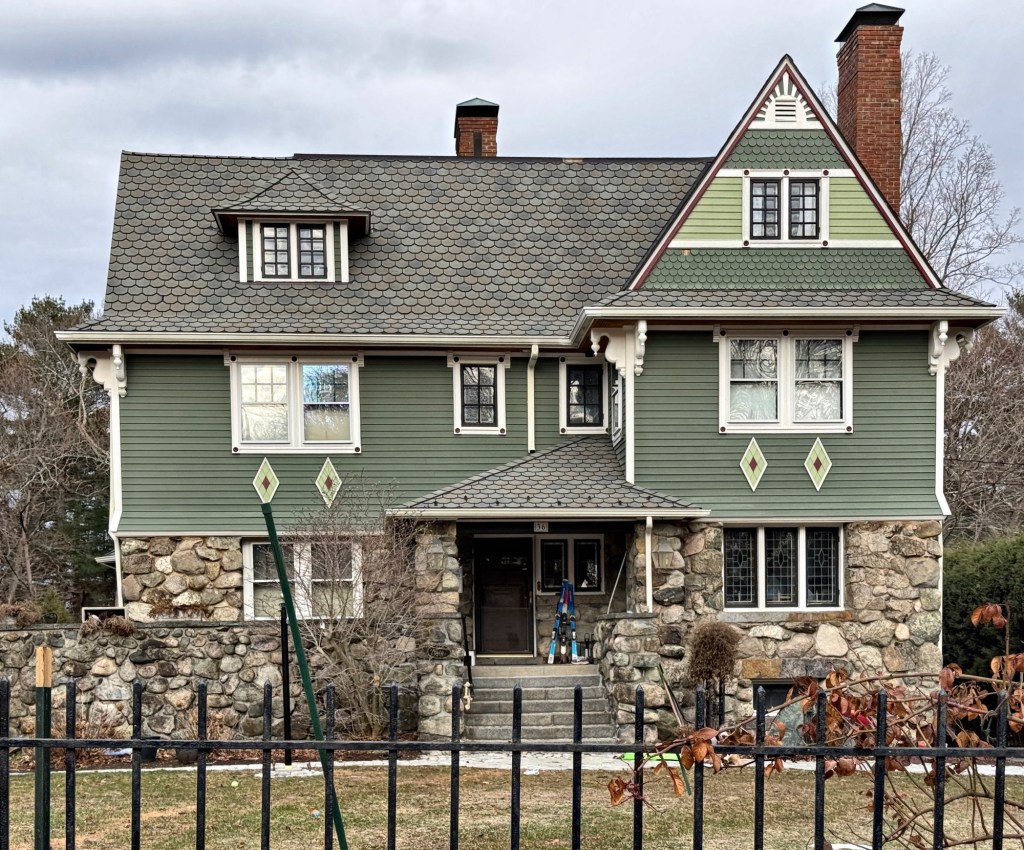
John G. Phillips House // 1901

The John G. Phillips House on Pleasant Street in Sharon, Massachusetts, is a playful and eclectic example of early 20th century residential architecture showcasing the blending of many styles into a single composition. The house was built in 1901 for John Goddard Phillips, who moved to Sharon from Boston to retire in this large home, and serve as President of the Sharon Historical Society. The house blends typical Queen Anne and Shingle style forms but with interesting brackets common in styles popular a half-century earlier.

Bromley-Bradley House // c.1850

One of the eclectic mid-19th century residences in New Haven’s Wooster Square neighborhood is the Bromley House, an exuberant blending of architectural styles that have been lovingly preserved. The history is a little murky on this residence but from research, the home was built around 1850 and was possibly a two-story flat-roofed Italianate style design with three-bay facade and off-center entrance. The home was acquired by Joseph Bromley, who appears to have added a third-story with gable roof. After the Civil War, the property was purchased by Lyman Erving Bradley, a veteran of the war who was employed as a police officer and later as private security for an area factory. It appears that Mr. Bradley, before his death in 1901, had the property expanded with a whimsical front porch, three-story side addition, and applied ornament in the Queen Anne style. The home is today a three-unit condominium, similar to the three-deckers found in cities all over New England.

Max Adler House // 1879

The Max Adler House on Greene Street in New Haven’s Wooster Square neighborhood is a flamboyant example of Victorian-era residential architecture that is hard to classify as an architectural style. The residence was constructed in 1879 for Max Adler (1841-1916) a German-born Jewish immigrant who grew up in New Haven and became a leader in industry at a young age. Max founded the Strouse & Adler Corset Company, which is said to be the first corset factory in the United States. The company did very well and he was able to erect this residence overlooking Wooster Square park for his family. Architecturally, the house has a mansard style roof, a feature of the Second Empire style; applied stickwork in the wooden bays, porch and dormers, a feature of the Stick style; and embroidered panel brickwork and terra cotta, elements of the emerging Queen Anne style. The Adler House has been lovingly preserved and is one of New Haven’s finest Victorian-era residences.

Richmond Congregational Church // 1903

The Richmond Congregational Church is a stellar example of an early 20th century, wood-frame church building in the small town of Richmond, Vermont. Designed by prominent Burlington architect, Walter R. B. Wilcox in 1903, the building blends many styles that were popular at the time, namely the Shingle, Queen Anne, and Colonial Revival styles, into a single composition. The parish hall addition was built in 1984, and is in a sympathetic Colonial Revival style, designed by Burlington architect Donald Albertson. The congregation remains active and maintains the church building, which was listed on the National Register of Historic Places in 2001.

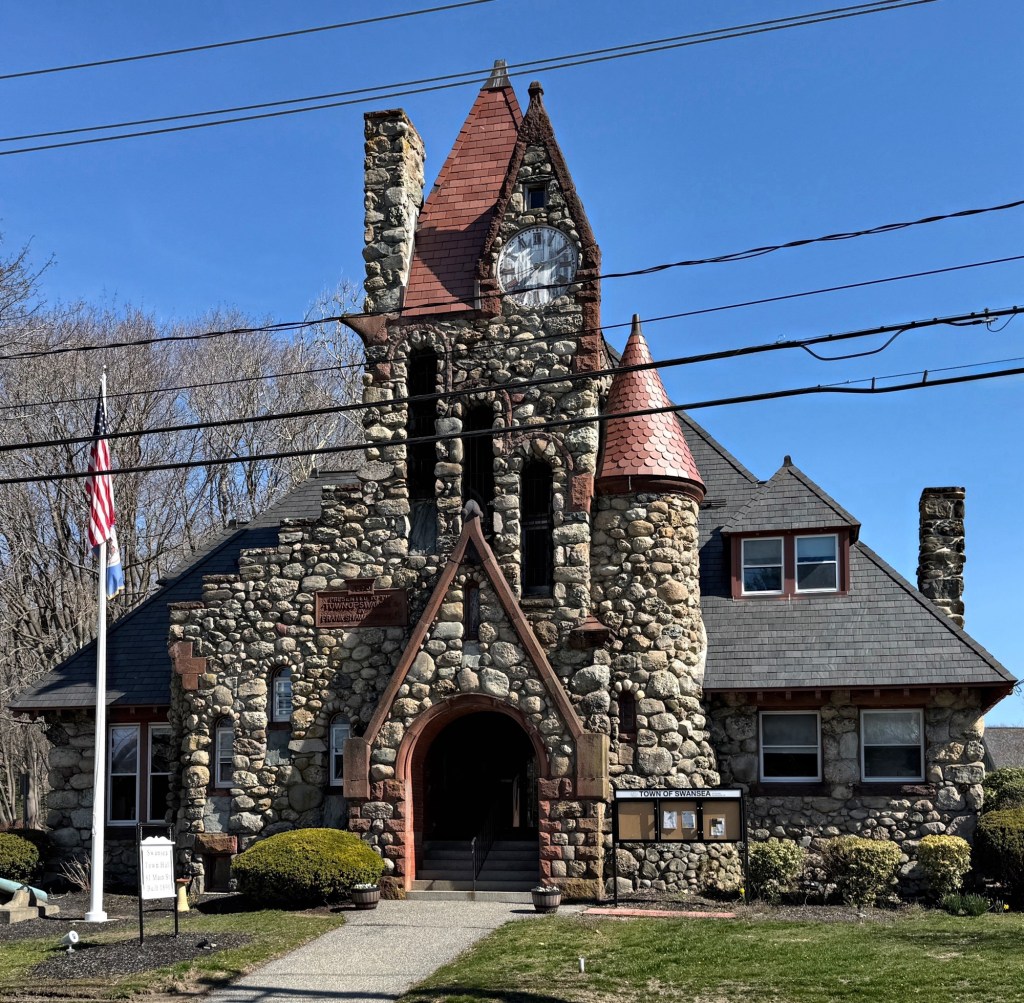
Former Richmond School // 1907

This handsome brick building is located in the historic downtown of Richmond, Vermont, and was built at a time of rapid growth of the small community. Pupils in the town of Richmond originally went to school in small, one-room rural schoolhouses, with the Richmond Academy serving the main village. The old academy building was constructed in 1868 and taught classes from elementary through high school. The building was outgrown as the town grew in the first decade of the 20th century, necessitating a new, larger schoolhouse for the main village. This new school was constructed in 1907, apparently just as the right side and tower, which was expanded with the left half four years later in 1911. Blending Craftsman and Romanesque styles, plans for the school were drawn up by Vermont architect, Frank Lyman Austin. Another rear addition in the 1950s was constructed to meet increased demand until the 1980s when a new elementary school was built in town. Since 1989, the former Richmond School has been home to Richmond town offices. The building, while altered, is an important landmark of the town, showcasing a blending of architectural styles popular in the early 20th century.

Eben S. Draper Stable // c.1900

Located next to his Tudor Revival style mansion, Eben Sumner Draper’s stable on Adin Street in Hopedale, Massachusetts, is one of the finest examples of the type in New England. It is possibly that the stable was built before the mansion was built in 1926 for Eben Sumner Draper Jr. (1893-1959), the son of Massachusetts Governor and Draper Corporation executive, Eben Sumner Draper. Little is known about this building, which stands at the end of a drive and is accessed over an arched bridgeway. The building has its first floor in stone with half timbering above. Two rounded towers with conical roofs frame the center entry, which may have been used for horses and carriage, or for personal automobiles, of which, Mr. Draper would surely have one of the first in the state. The building has been owned by the Ledges LLC, who operated a community for developmentally disabled adults.