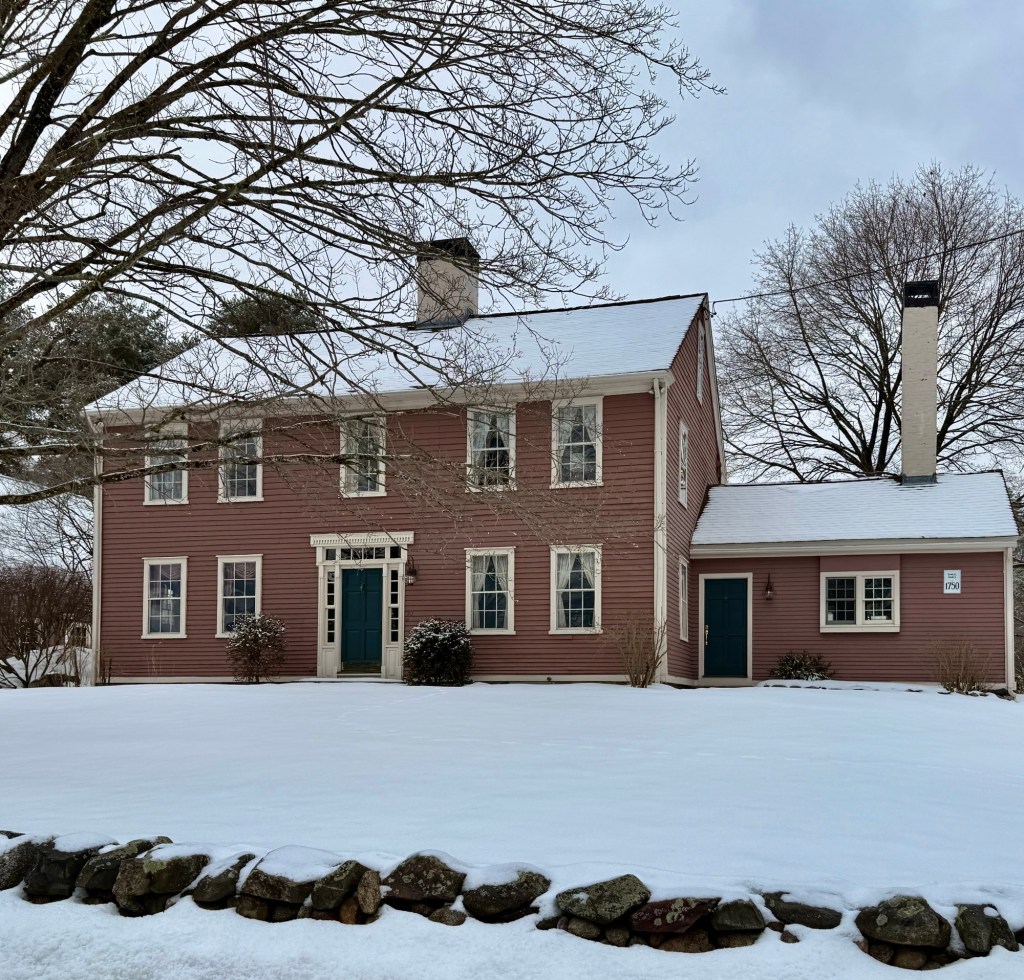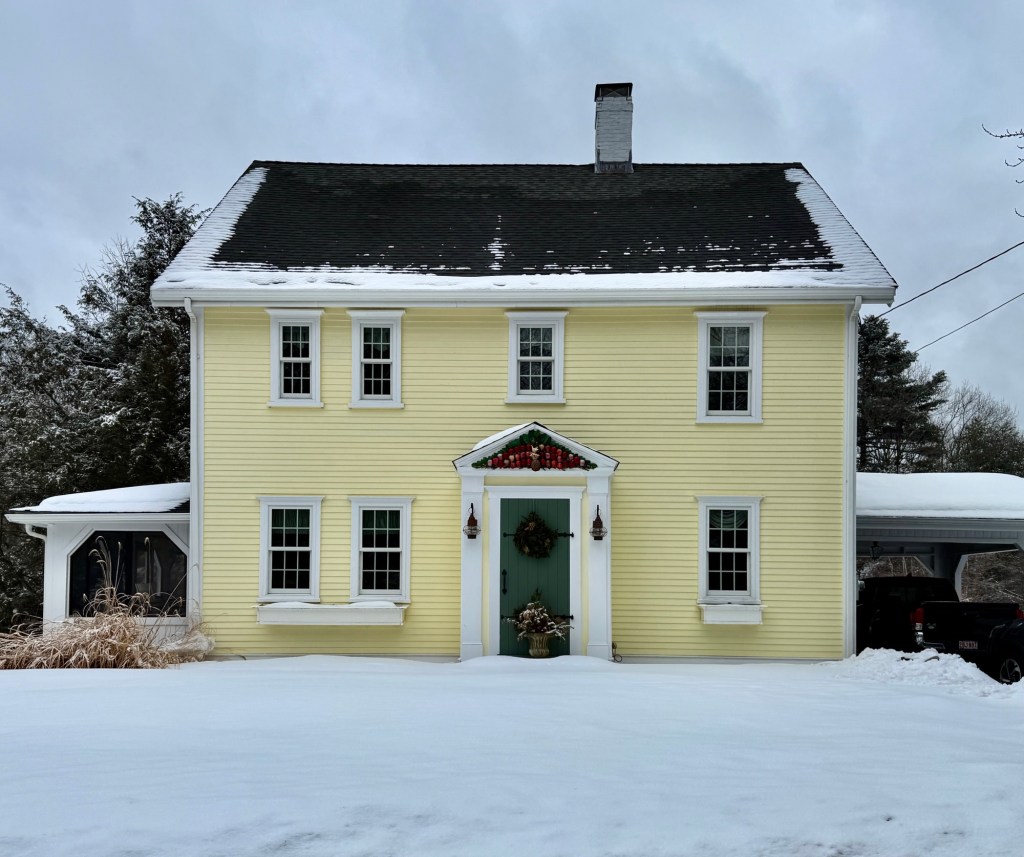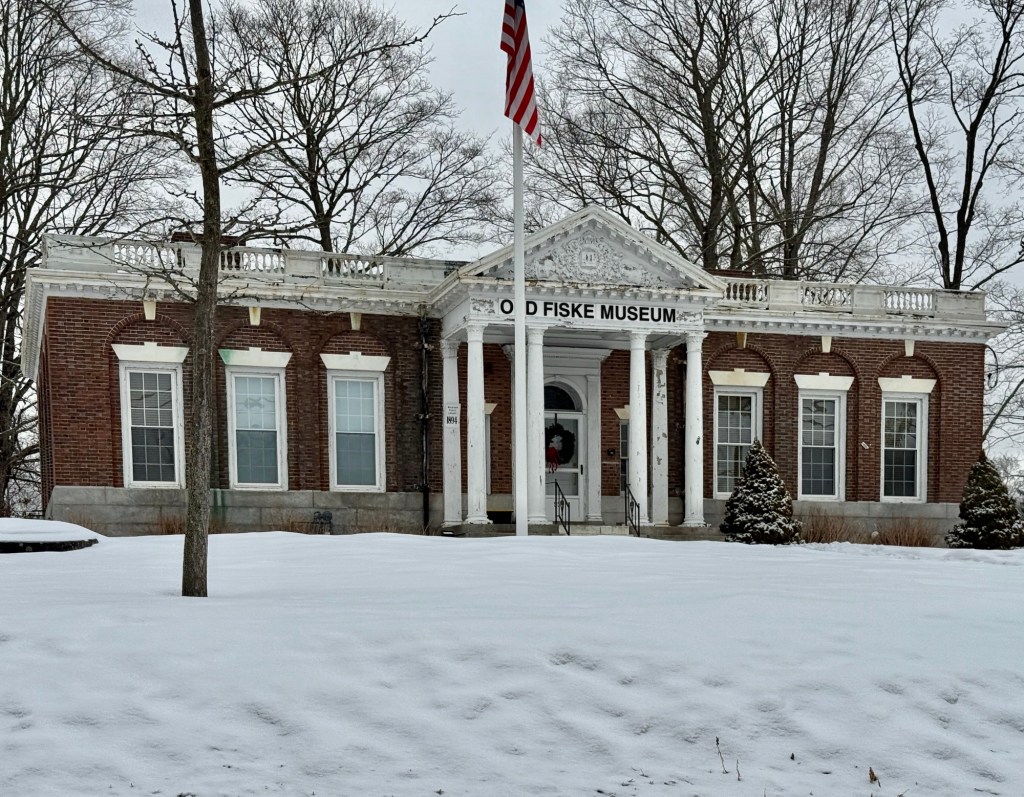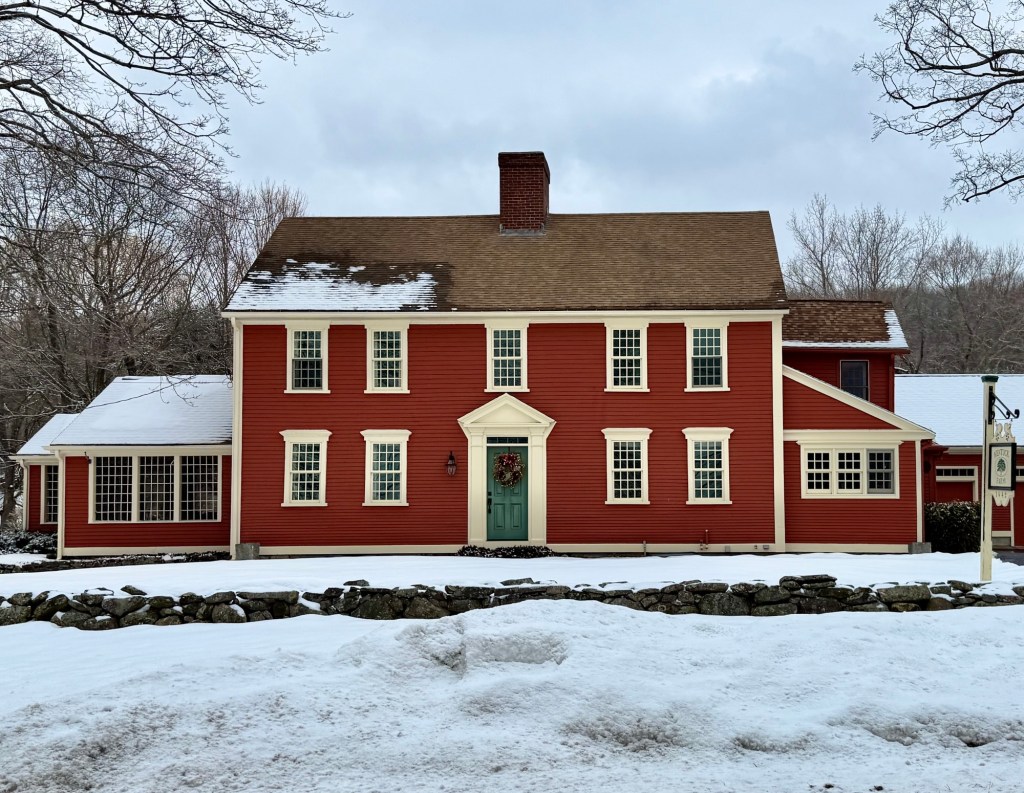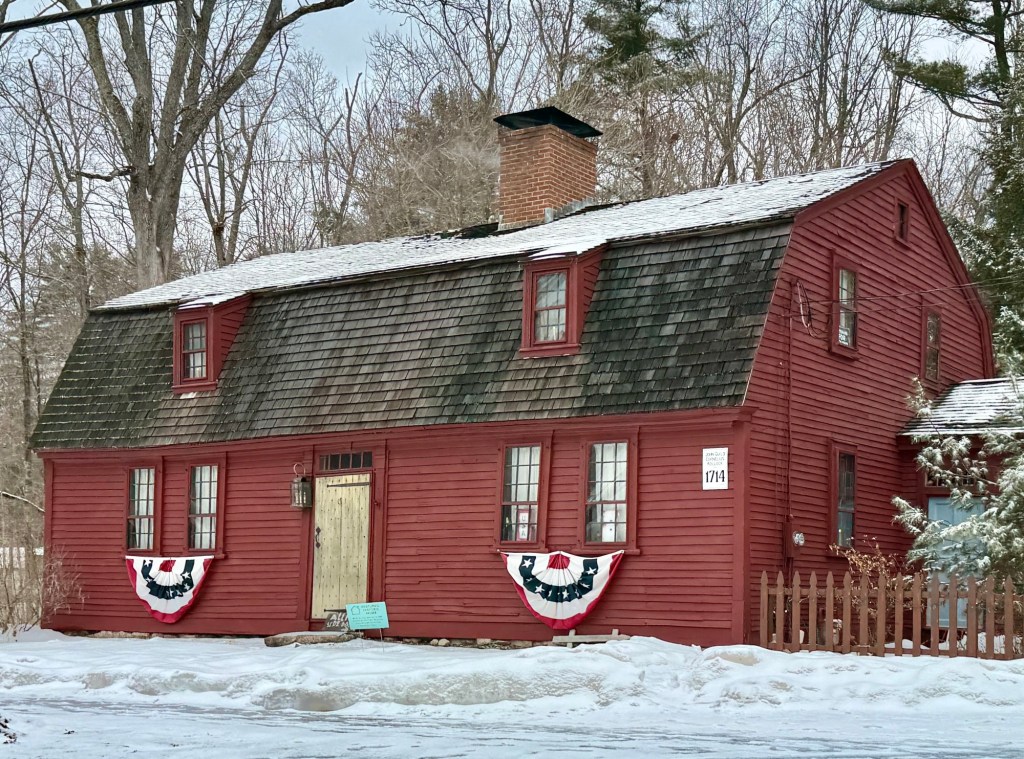
Little Red Shop // c. 1843

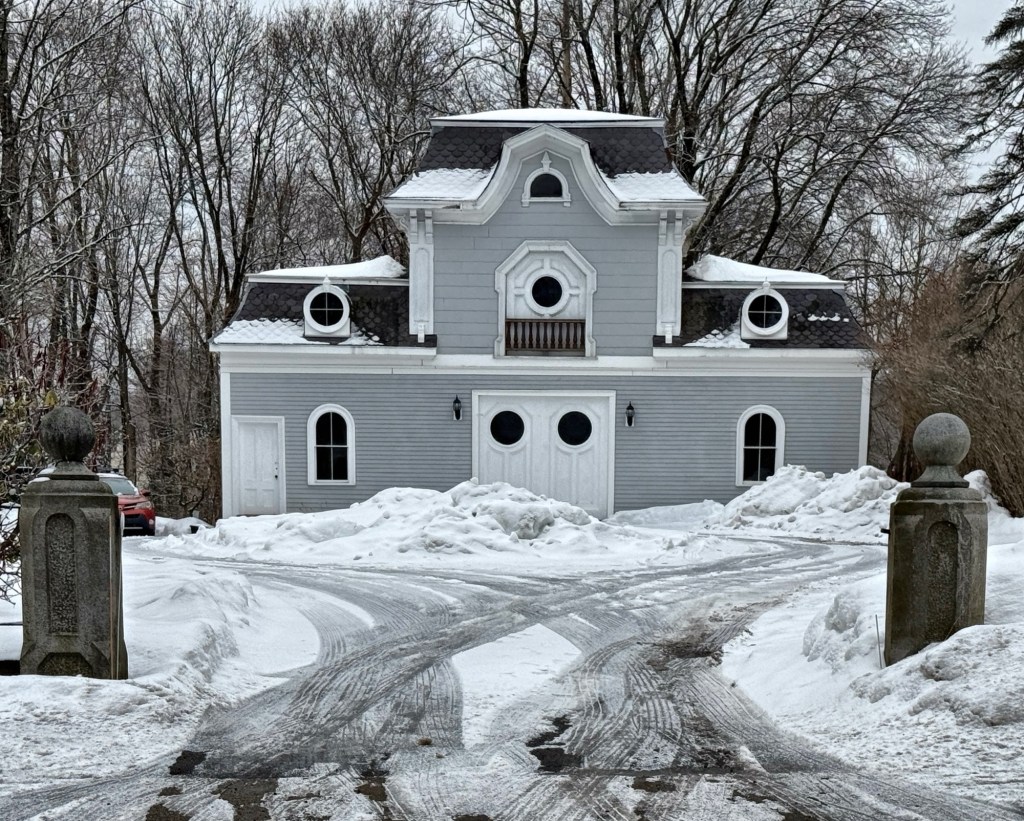
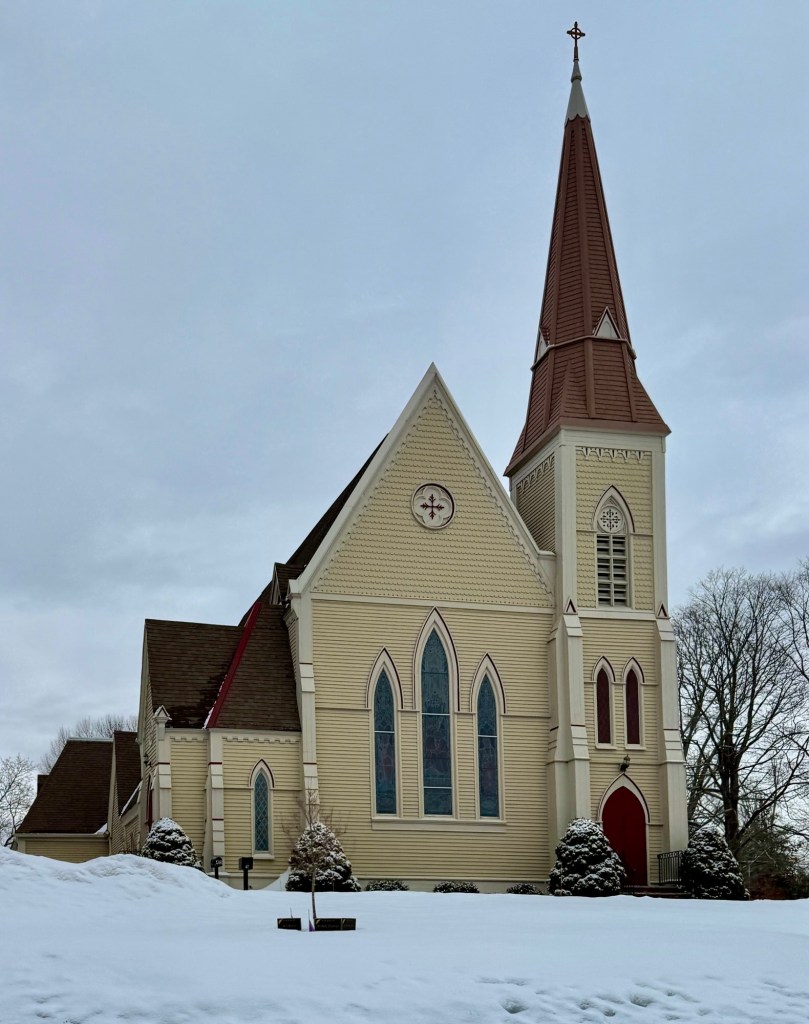
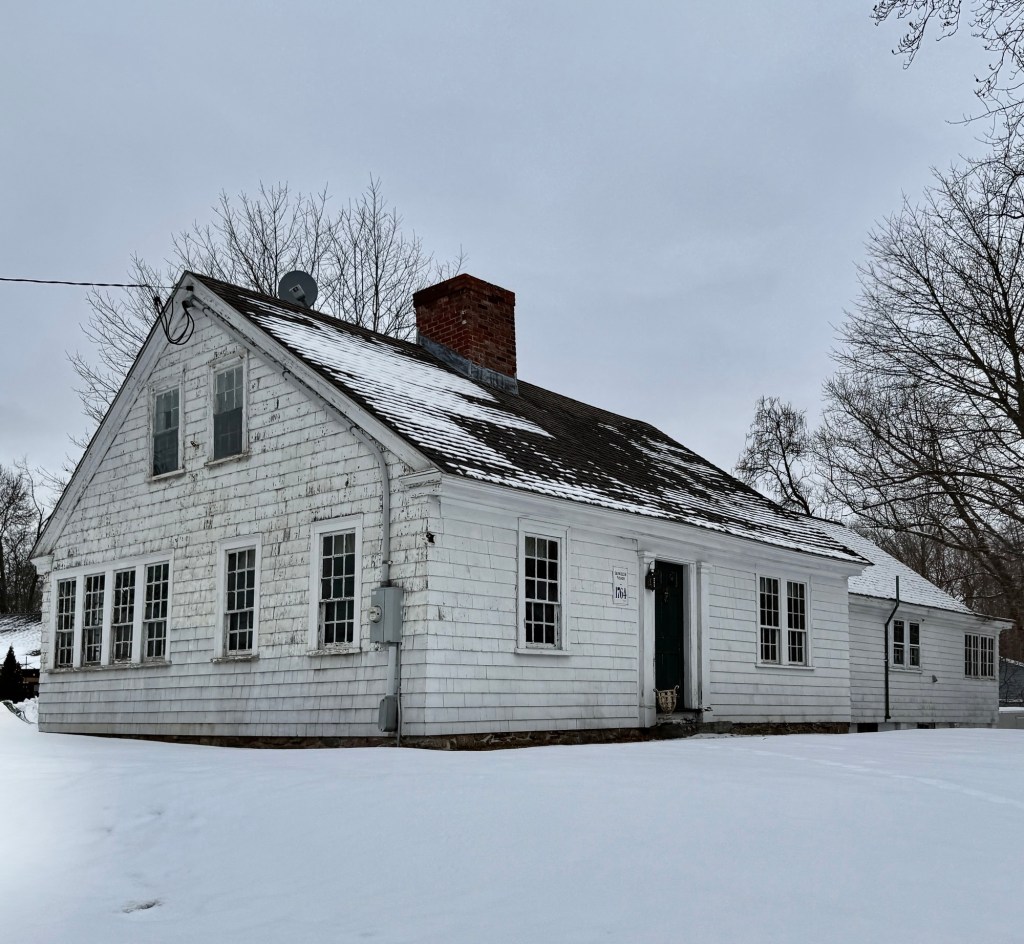
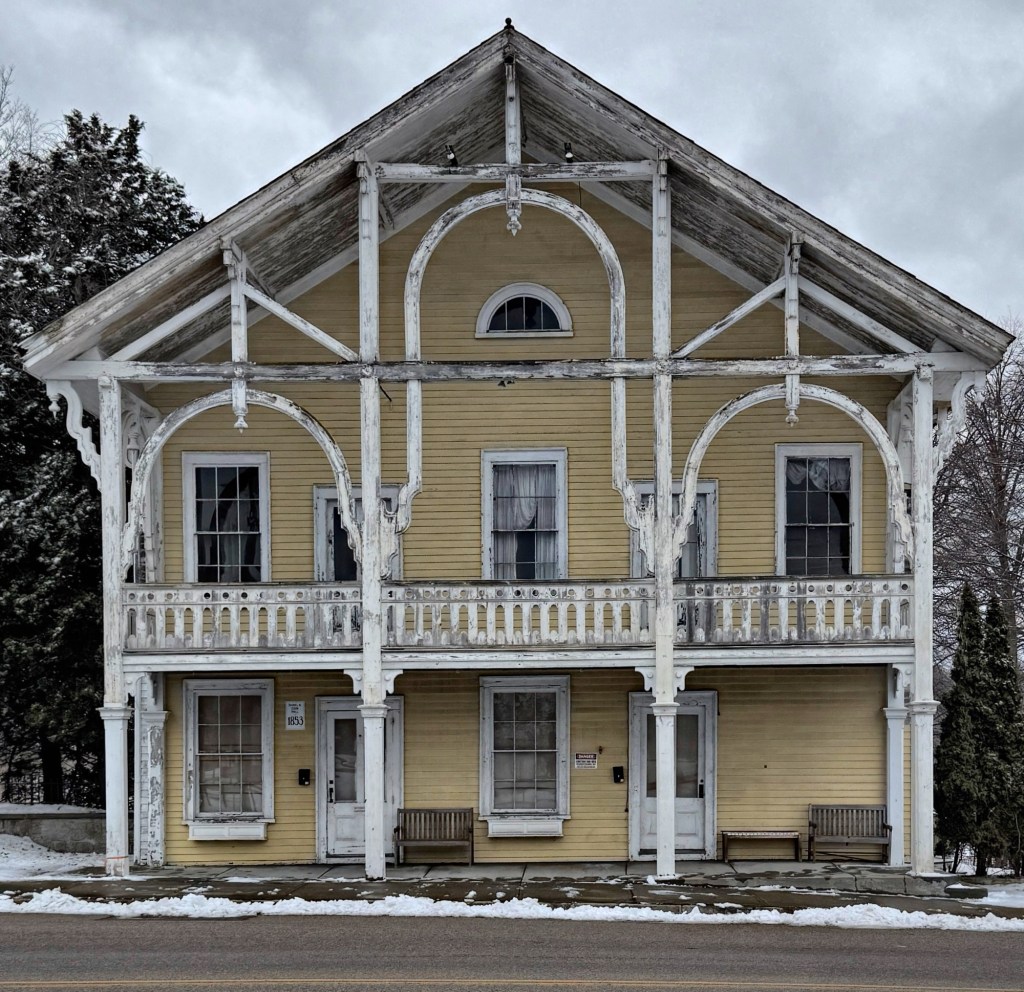
The area that is now the town of Hopedale, Massachusetts, was originally known simply as the “Dale,” a small, secluded agricultural area between Mendon and Milford, that beginning in 1842, was home to a communal Christian society called “Hopedale Community.” The communal agricultural and manufacturing society that eventually acquired over 600 acres  and numbered more than 300 members at its peak before ultimately failing in 1856 due to socioeconomic inequalities and bankruptcy resulting from conflicts between its ideology and business organization.  In that same year, the assets of Hopedale Community were purchased by the E.D. and G. Draper Company, led by Ebenezer and George Draper, who were the operators of Hopedale Community’s most successful manufacturing enterprise, textile machinery manufacturing. The Drapers had previously shared space in this old machine shop, which dates to around 1843, alongside fellow community workers who made hat and shoe boxes, sawed lumber, and ran an iron forge. As the Drapers founded the Draper Corporation, which became the largest maker of power looms for the textile industry in the United States, they never lost sight of their beginnings and preserved this building, which became known as the Little Red Shop. To preserve the building, it was moved four times in its life, to allow for the growth of the company factories, eventually being placed in its current location on town parkland, where it now houses a collection of Draper textile machinery as the Little Red Shop Museum. The Little Red Stop is just one story with nine bays and is vernacular in style, with its notable decorative feature being the metal weathervane mounted at the roof over an elaborate saw-cut wooden base. 

Hopedale Town Hall // 1886

In 1886, when the Town of Hopedale was incorporated, George Draper, the head of the Draper Corporation, bankrolled $40,000 for the design and construction of a new town hall building for his new hometown. Designed to house municipal offices, a meeting hall, the town’s library, with ground floor commercial spaces, the building is the work of architect, Frederick Swasey. The Richardsonian Romanesque style town hall is constructed of Milford granite with contrasting trim in Longmeadow sandstone with a lot of great detailing and a prominent entry arch with engaged colonettes. Before the building opened, its donor, George Draper died, and the building was officially donated to the town by his heirs. After over 100 years as the town hall, in 2025, the town voted to sell the building as its restoration and updates to make the building fully accessible would be too expensive. As of the time of posting, the building’s future is uncertain, but the building really needs to be preserved!

Draper Corporation Company Offices // 1910

After decades of growth of the Draper Corporation in Hopedale, Massachusetts, in the late 19th century, the company began a massive building campaign of larger, architecturally significant (and most importantly, fireproof) buildings for company use. The original company office building, constructed in 1880, was outgrown and it was decided a new, larger company office was needed. Designed by Milford-based architect, Robert Allen Cook in 1910, the former office building was located across Hopedale Street from the main plant. This massive two-story brick building on a raised basement is an example of the Renaissance Revival style built of brick and terra cotta. The building closed along with the company in the mid-20th century, but as opposed to the main complex, was adaptively reused through a renovation as a senior living facility.

Draper Corporation Factory Complex // 1892-2021

2021 aerial photo

Hopedale, Massachusetts separated from Milford and incorporated in 1886. The “downtown” of the community encompasses industrial, institutional, and residential buildings in Hopedale Village, also known as Draper Village after the long-driver of the local economy, Draper Corporation. Hopedale was largely developed as a planned company town, and its architectural significance and ultimate preservation was largely due to the success of the Draper Corporation as majority owner until the 1950s. The Draper Corporation was originally a small operation in Hopedale in 1841 managed by George Draper (1817-1887), but grew exponentially thanks to his son, George Albert Draper (1855-1926), who had a passion for finding innovative technology to make the production of cloth more efficient. He led the company’s charge to become the nation’s leading producer of machines for the cloth-making industry. In the ensuing decades the factory village of Hopedale became a “model” company town under his leadership, with the business controlling every aspect of the town and worker life in a paternalistic program that extended beyond social structure to include architecture and urban planning of the village. The company developed hundreds of homes for workers, a town hall, library, churches, schools, a fire station, and recreational facilities, along with its factory complex at the center. In1892, with the advent of the Northrop Loom, Draper became the largest producer of textile machinery in the country. Due to their success at the end of the 19th century, much of the complex was built and rebuilt in fire-proof brick factory buildings with large windows to allow light and air into the facilities. Draper’s dominant position within the textile machine manufacturing industry began to erode shortly after World War II, and the company began to sell its company houses to their occupants as private homes in 1956. During the 1960s American textile machinery makers such as Draper lost their technological leadership to foreign manufacturers due to cheap labor, and the general American textile industry collapsed. The plant eventually closed in 1980, and sat vacant until it was decided by the local officials to raze the once great complex, as adaptive reuse was not feasible in the market for such large structures. The mill was demolished in the summer of 2021 and the lot at the center of town remains a brownfield site.

Miss Grace Nichols House // 1913

Located at the western end of Chestnut Street in the Flat of Beacon Hill, you will find this stucco residence, one of the finest mansions in Boston. The four-story residence with two entrances is built of brick and covered with stucco and was constructed for Miss Grace Nichols (1874-1944), the daughter of John Howard Nichols, who worked for John Lowell Gardner (the husband of Isabella Stewart Gardner) as a merchant transporting goods between Boston and Chinese markets, before overseeing mills. As a single woman, Grace inherited much of her parents wealth upon their deaths, and in 1913, hired architect, William Chester Chase, to design her Beacon Hill home in the Italian Renaissance Revival style, similar to Isabella Stewart Gardner’s Fenway Court mansion (1903). Grace Nichols married Richard Pearson Strong, a Harvard professor and medical researcher, in 1936 and the couple lived here with servants until their deaths in 1944 and 1948 respectively. After their death, the building was either purchased by or willed to the Boston Society of Natural History and the New England Museum of Natural History, which moved out of their Berkeley Street location in 1946. The Nichols Mansion served as the new Boston Museum of Science until 1951, when the new and current museum was built between Boston and Cambridge. Today, the former Nichols mansion is five condominium units, with owners having one of the most enchanting and unique properties in the exclusive Beacon Hill neighborhood.

Elizabeth G. Evans – Edward A. Filene House // 1883

This unique brick house at 12 Otis Place in Beacon Hill was built in 1883 by the architect, Carl Fehmer for attorney Glendower Evans and his wife, Elizabeth Gardiner. Mr. Evans died in 1886 of Hodgkin’s Disease at just 30 years of age. His widow, Elizabeth Glendower Evans (1856-1937) was greatly influenced by her husband during their brief marriage, even taking her husband’s first name as her middle name after his death. Elizabeth Glendower Evans became a prominent social activist, studying child labor conditions in the South and took up the cause of women’s suffrage and the associated problems of tenements and factory work arising from disenfranchisement in the late 19th and early 20th centuries. In 1915 Evans served as a delegate to the International Congress of Women at the Hague. She was the first National Organizer of the Woman’s Peace Party. From 1920 until 1937 she served as a national director of the American Civil Liberties Union. In the 1910s, Elizabeth sold the home to Edward Albert Filene (1860-1937), who, together with his younger brother Abraham Lincoln Filene, reorganized his father’s department store into “William Filene’s Sons Company”, which would later become Filene’s. He was a supporter of credit unions to help ordinary American workers to access loans at reasonable rates and allow workers to save their money so that when hard times hit, they were prepared.

William and Octavia Apthorp Mansion // 1885

This unique four-story brick townhouse on Otis Place in Beacon Hill, Boston, was built in 1885 by the architectural firm of Rotch & Tilden for Mrs. Octavia L. Apthorp and her husband, William F. Apthorp. Elevated on a tall brick basement, the exterior of the house is richly detailed with masonry decoration in what has become known as the “panel brick” style; with an elaborate brick entrance archway, paneled pilasters at the third floor, and vertical brick lintels above the windows. Over the ground floor windows near the entrance, iron grates with spear-like finials give the design a Medieval/English Queen Anne presence. William F. Apthorp was the only son of Robert Apthorp, a prominent Boston attorney and abolitionist who lived across the street at 2 Otis Place. William was a pianist and teacher at the New England Conservatory of Music and writer who married Octavia (sometimes spelled Octavie) Loir Iasigi in 1876, she was also from a well-connected Beacon Hill family.

Pickering-Apthorp Houses // 1870

These two near-identical townhouses at 1 & 2 Otis Place in Beacon Hill are significant architecturally and as they are bounded by four streets. The unique lots were created when Otis Place was laid out on made land in 1869 and were built the following year as an identical pair sharing a party wall and with their front facades facing south on Otis Place. The two residences were designed by the firm of Ware and Van Brunt, who blendedSecond Empire and Victorian Gothic styles with gothic arched windows, bracketed cornices, slate mansard roof, and later Colonial Revival porticos added in 1916 by architect, Frank A. Bourne. No. 1 Otis Place (right side with the oriel bay window) was first owned by Henry G. Pickering, a dealer in engines and machinery at the height of New England’s industrial revolution. No. 2 Otis Place (left with later fanlight entry), was originally owned by Robert E. Apthorp, an attorney and realtor, who decades earlier, was an active member of the Boston Vigilance Committee, the group established to harbor and assist fugitives from slavery after the passage of the Fugitive Slave Act in September 1850.

Mrs. Martin’s School – Jenks & Gaugengigl Studio // 1872

This unique three-story building on Otis Place in Beacon Hill, Boston, was actually constructed in 1872 by owner/architect, Abel C. Martin (1831-1879) as a school run by his wife, Clara Barnes Martin (1838-1886). Clara B. Martin was born in Maine to Phineas Barnes, a prominent publisher in Portland, who educated his daughter at the best schools. She in turn, became a writer and educator herself, writing a book about Mount Desert Island in Maine and publishing articles in national papers, along with operating a school in this building, designed and owned by her husband as they lived next door. After Clara died in 1886, the property was sold by the Martin heirs and in 1895, renovated into artist studios with two floors of large windows to provide natural light for the work inside. The building was owned and operated as artist studios by Ignatz M. Gaugengigl (1855-1932), a Bavarian-born artist who spent most of his professional life in Boston and was a prominent member of The Boston School, and Phoebe Jenks (1847 – 1907), a portrait painter who divided her career between New York and Boston. The building, while heavily altered, showcases the history of the Beacon Hill Flat neighborhood, which, during the late 19th and early 20th centuries, became a popular place for artists and Bohemians, who renovated existing houses and stables in the Arts and Crafts, neo-Federal and other fashionable styles into loft spaces and studios. The 1895 renovation was undertaken by architect, Edgar Allen Poe Newcomb, who was the nephew of sculptor, Thomas Ball, likely providing him insight into the design of artist studios.

Martin-Ware House // 1872

One of the most interesting houses in Beacon Hill is this unique Second Empire style townhouse with towering two-story mansard roof at 3 Otis Place/49 Brimmer Street. When walking around Boston and exploring other cities, it is always fun to delve into research and learn about the built environment and the stories that brought these places to be! This residence was constructed in 1872 on land that was filled here between 1867 and 1869 formerly occupied by the Charles River. Creating the land at and around Otis Place was one of a series of responses to the need for more physical space in Boston and to cover the pollution of the Charles River along the West End and what would become the Back Bay. The houses at 3-4 Otis Place were originally owned and designed by architect, Abel C. Martin, who resided next door to the topic of this post until his death. In the early 20th century, this house was owned by Charles Eliot Ware Jr. a publisher, who in 1929, hired architect, Charles Greely Loring to add the copper-clad oriel window on the north elevation and elevate the mansard roof to create the unique two-story mansard. The old Martin-Ware house has been apartments since at least the 1960s.