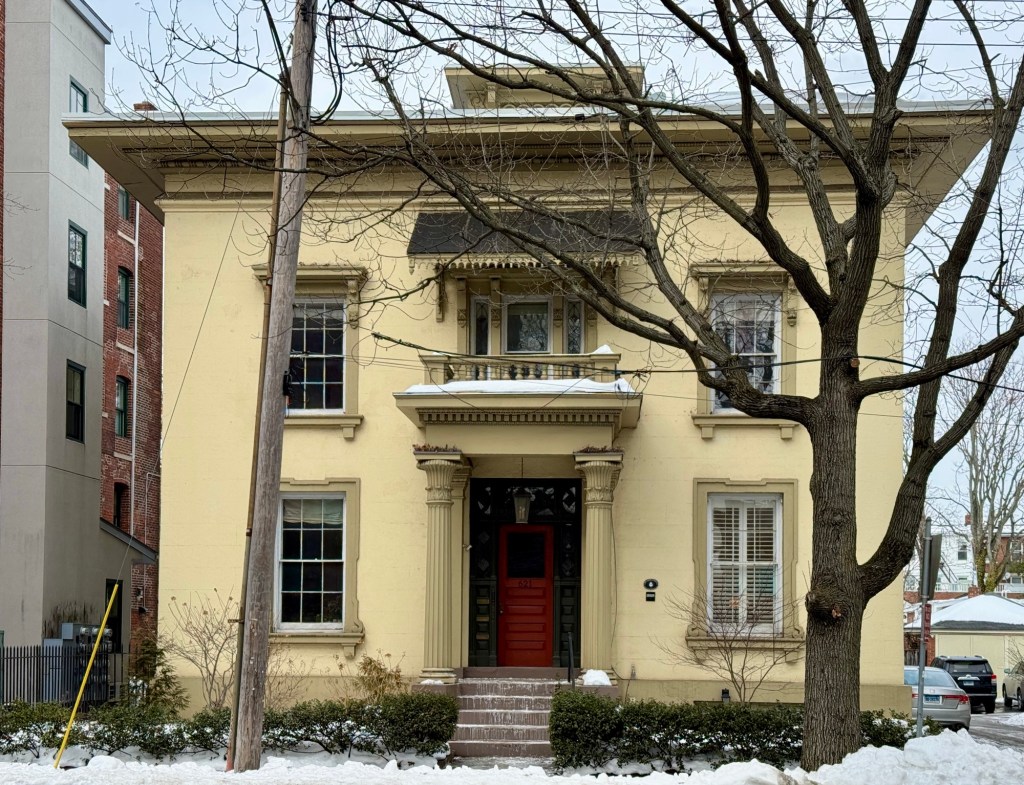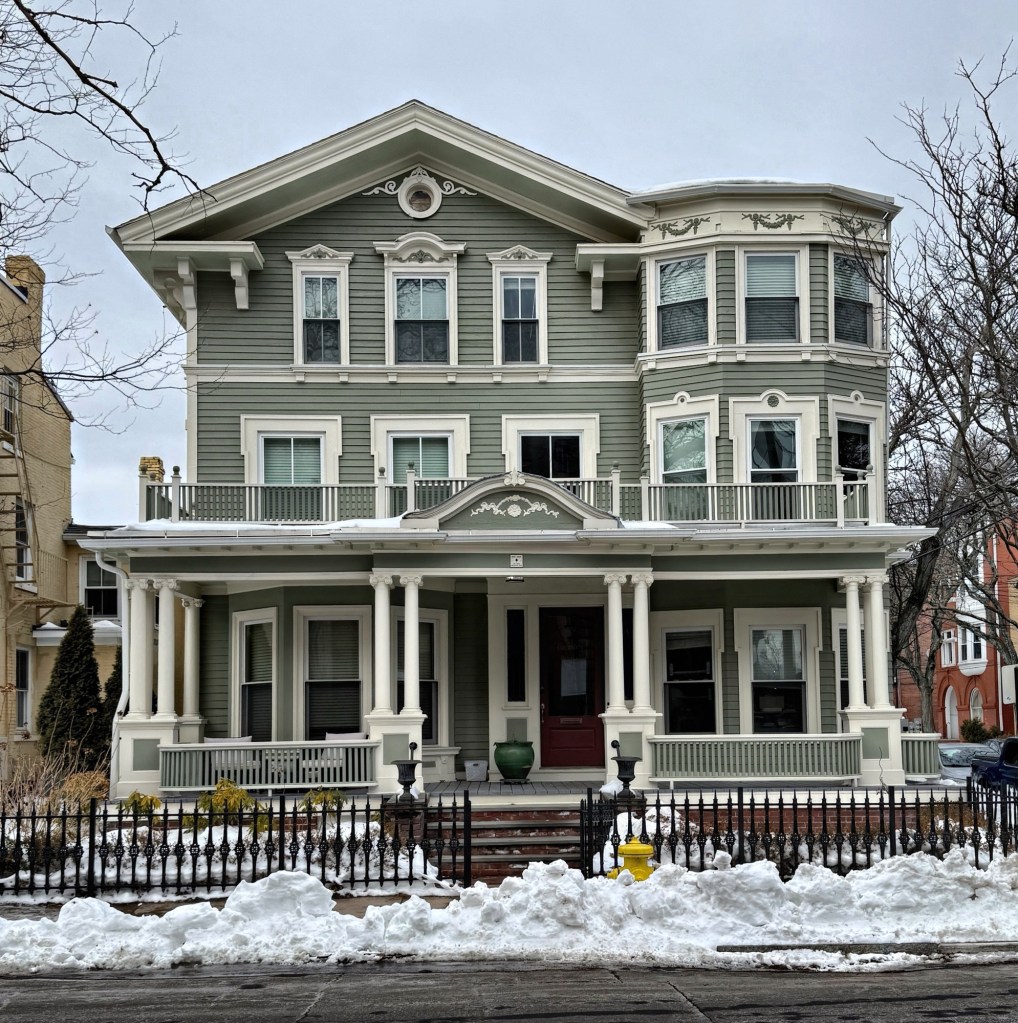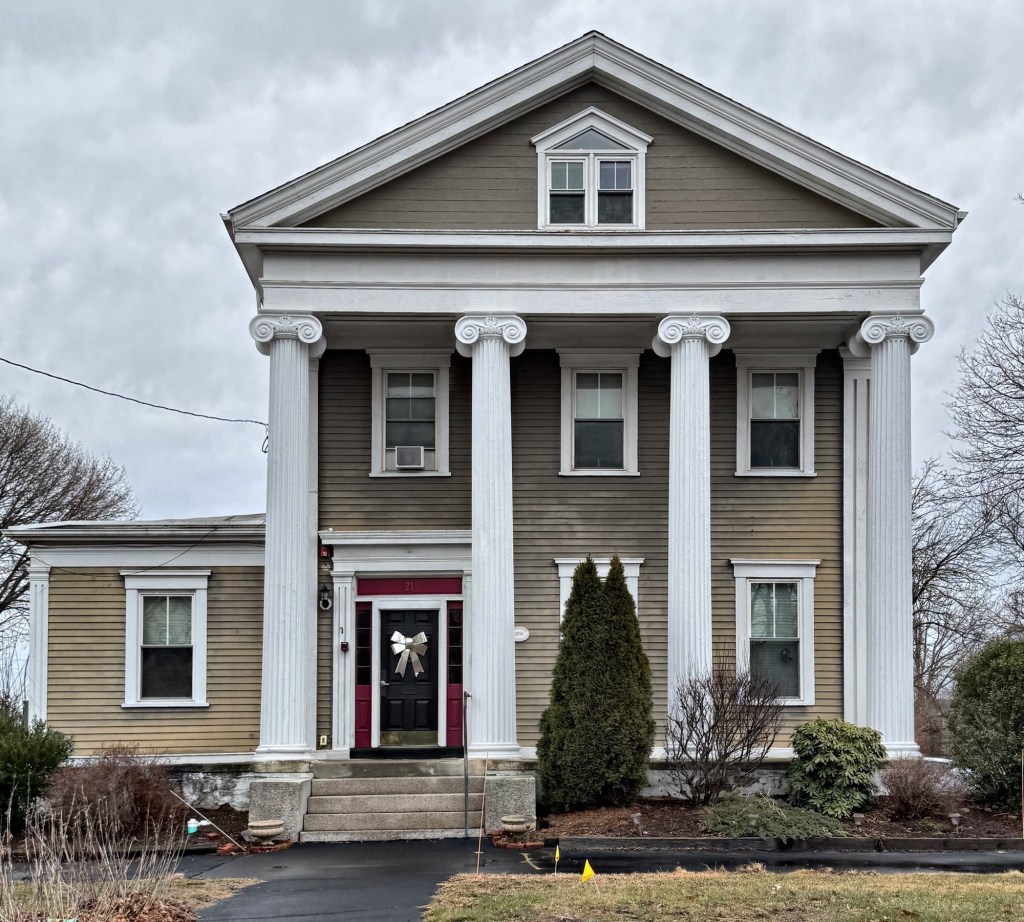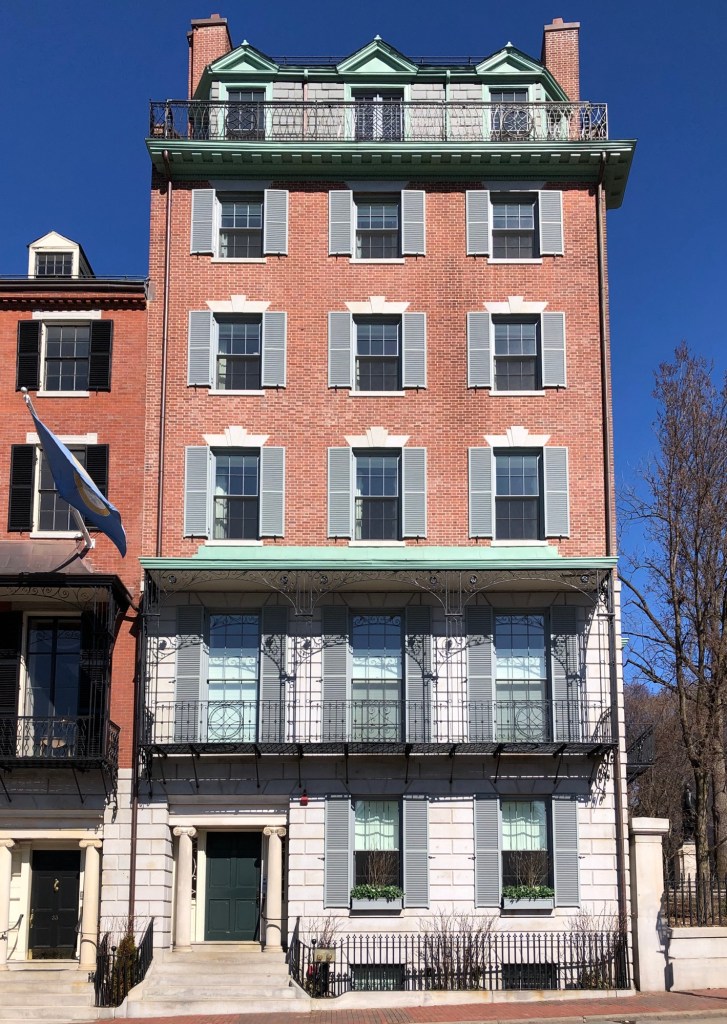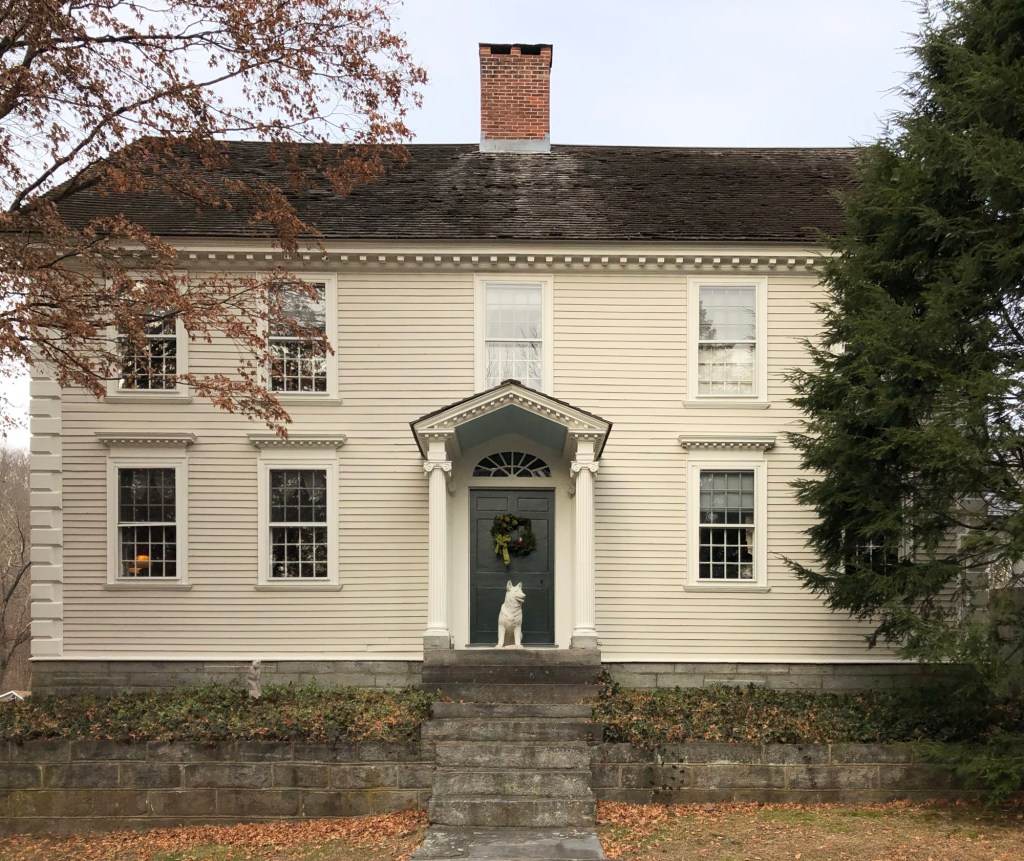
One of the finest homes in Chester, Connecticut, can be found on Liberty Street, a short distance to the village green. The Federal style house dates to about 1787 and was built by Gideon Leet, a Revolutionary War veteran and joiner as his own residence. After Gideon’s death, the property was purchased by Dr. Richard Ely (1765-1816), who may have expanded the residence, and worked locally as a town doctor. The property remained in the Ely familyfor generations and minimal changes have occured to the exterior as a result of this. The modillon cornice, corner quoins, and fanlight transom sheltered under a columned portico add to the charm of this great house.
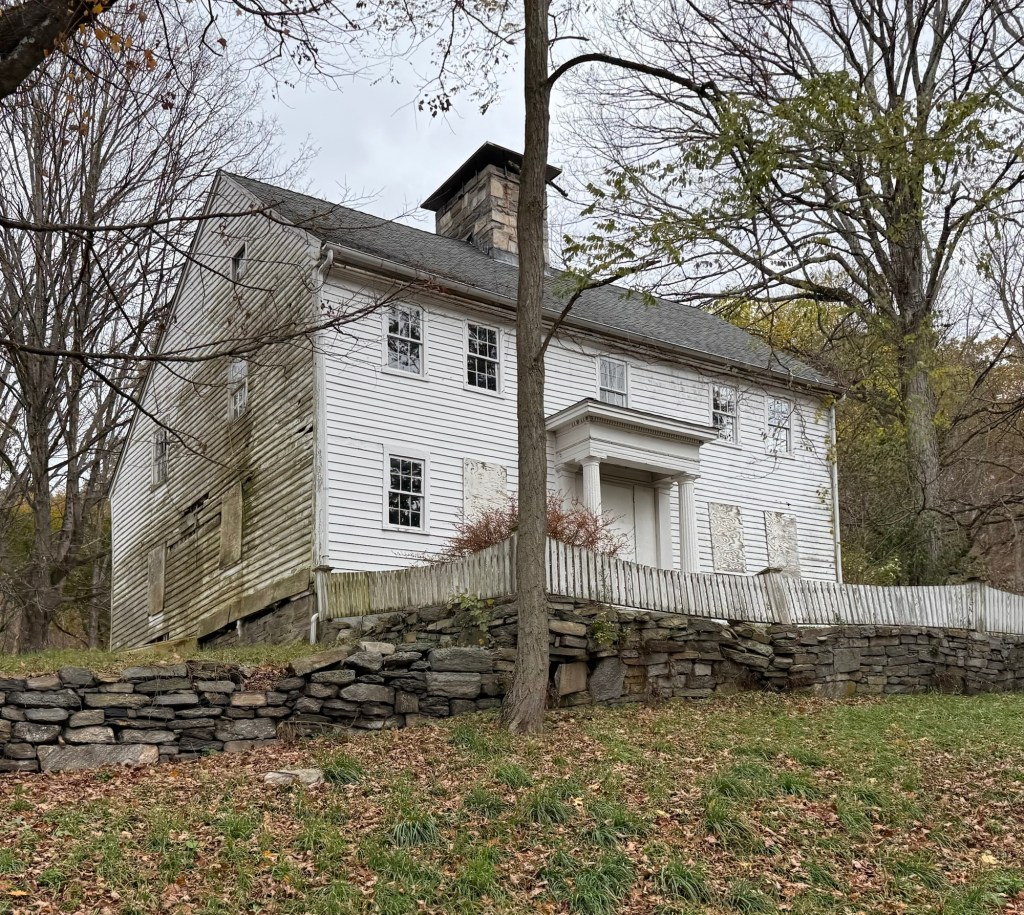
The Smith-Curtiss House, which is possibly the oldest extant building in Derby, Connecticut, has sat vacant and decaying for years and is owned by the State of Connecticut. Believed to have been built sometime between 1714 and 1740, this historic saltbox farmhouse at 411 Hawthorne Avenue is slowly decaying due to lack of maintenance and funding. Early ownership is difficult to determine, but by the 19th century, the property was owned by Ms. Alice E. Curtiss. The old estate was sold by Ms. Curtiss in 1913 to Frances Osborne Kellogg, a businesswoman, philanthropist and environmentalist, as part of her 350-acre dairy farm and land-conservation holdings. The Smith-Curtiss House was used as a residence for the herdsmen who ran the farm nearby. Before her death in 1956, Frances deeded the property to the state as a public park, and allowed her head herdsman life-occupancy of this house for the remainder of his life. The State of Connecticut assumed possession of this house in 1981. The building has suffered from deferred maintenance since this period, with the State attempting to lease the building to tenants. I hope that local and statewide preservation groups can mobilize to secure grants and funding to restore this important property.
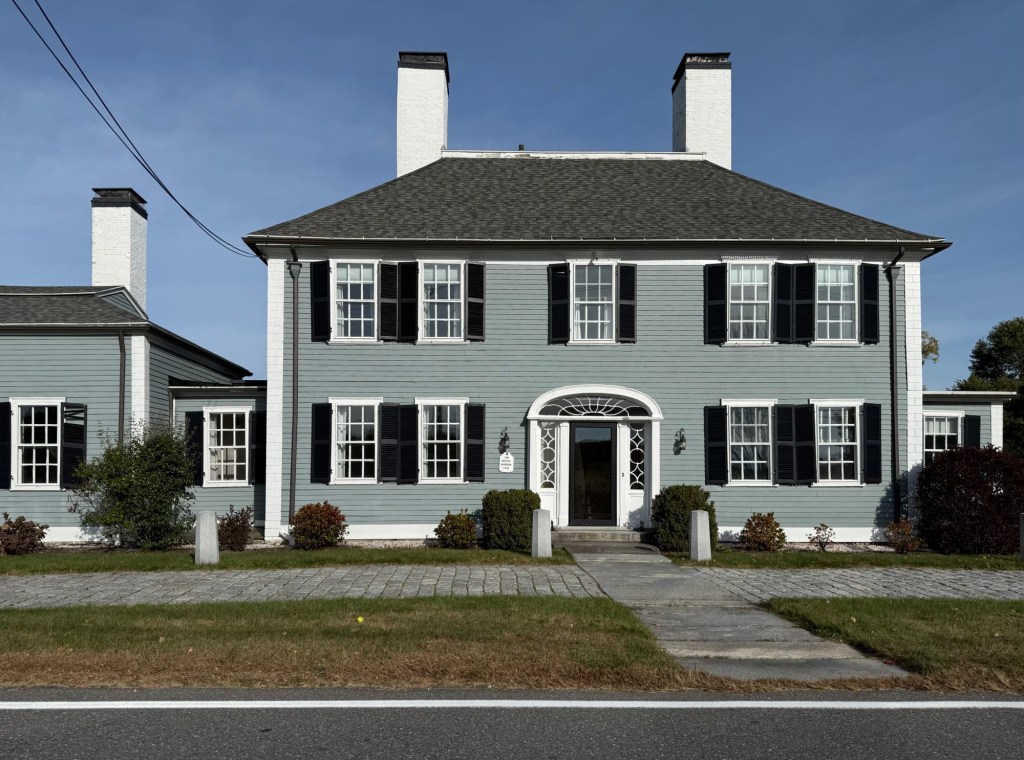
The Wilder Mansion at 101 Wilder Road in Bolton, Massachusetts, was built in about 1738 as an early Georgian farmhouse by Josiah Richardson, a Revolutionary War veteran who died in the home in 1799. By 1814, Sampson Vryling Stoddard Wilder purchased the property and “modernized” the old farmhouse which due to its location along the Bay Path, a major east-west route from Lancaster to Boston, operated it as an inn and tavern. Mr. Wilder expanded the property, purchasing additional nearby farmland to create a country seat worthy of a wealthy agent for some of the most influential merchants in the shipping trade in Boston. During his tour of the United States in 1824, Marquis de Lafayette spent the night here on September 2nd between visits to Boston and Lancaster. Sampson V. S. Wilder lost the property following economic crises, and the property changed hands many times until the early 20th century. Stockbroker John L . Saltonstall (1878-1929), first cousin to Massachusetts Governor Leverett Saltonstall, hired Boston architects Bigelow & Wadsworth in 1910, to return the house to a more Colonial appearance. He and his family were apparently only summer residents here, and he was probably absent for a long period during the First World War, when he worked with the Navy and the War Trade Board in Washington, D.C. In about 1915, he sold the property, and in the early 1920’s he relocated to Topsfield, Mass. After WWI, the house had a series of short-term owners, one of which was Henry Forbes Bigelow, who designed the renovation of the house just years prior. Bigelow would later relocate to a new summer house nearby in Lancaster.
What do this unique Victorian house and sideburns have in common? Well, you are about to find out!
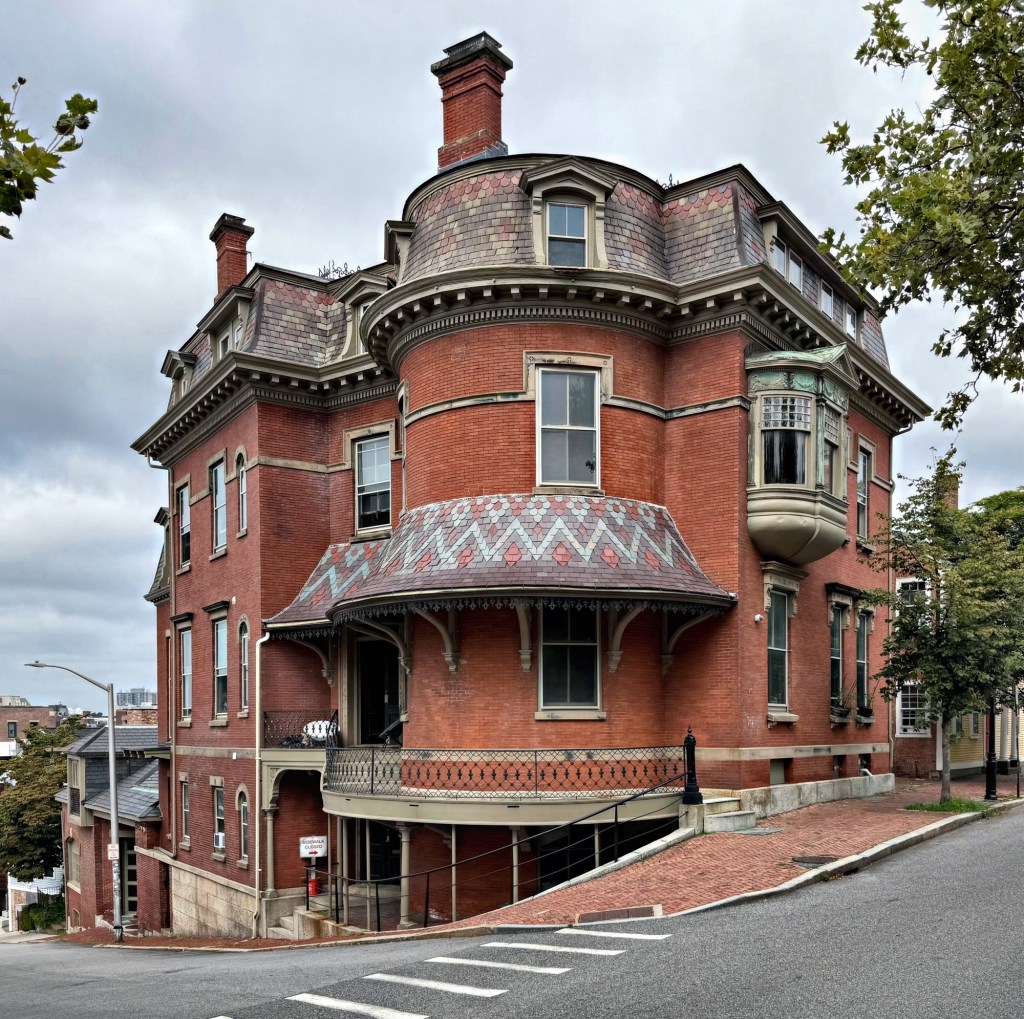
The Ambrose Burnside House is sited on an oddly shaped, and sloping corner lot on Benefit Street in Providence’s East Side neighborhood, and is one of the most unique Second Empire style residences in New England. The house was built in 1866 for General Ambrose Burnside (1824-1881), a Uniongeneral in the American Civil War, who returned to Providence and was about to begin a term as governor, followed by two terms in the United States Senate. Ambrose Burnside hired local architect, Alfred Stone, to design his new city mansion, which upon completion, was deemed one of the most “modern residences” in Providence. Built of brick with Nova Scotia stone with a concave slate mansard roof and one-of-a-kind rounded corner bay, the Ambrose Burnside House does not disappoint! Ambrose Burnside died in 1881 and the property was occupied by his sister-in-law until the property was sold in 1884 and housed the Providence Children’s Friend Society House for Aged Women and the Providence Association for the Benefit of Colored Children, providing shelter and food for elderly women and children of color without parents or guardians. After WWII, the Burnside House was converted to apartments.
Now, to the sideburns… Ambrose Burnside was noted for his unusual beard, joining strips of hair in front of his ears to his mustache but with the chin clean-shaven; the word burnsides was coined to describe this style. The syllables were later reversed to give sideburns.
Built on the banks of the Jones River in Kingston, Massachusetts, this large residence is said to date to 1772 and was the home to a prominent ship-building family as well as to hundreds of destitute residents of the community who lived and worked here as the town’s poor house. Land (and possibly an earlier house) was acquired in 1772 by Zenas Drew (1735-1822), the son of Cornelius Drew, a wealthy shipbuilder who employed his many sons to work in the same industry, and the existing house was constructed for his family. From the house, numerous shipyards would be seen with large brigs travelling down the Jones River into Plymouth Bay and the Atlantic. After Zenas Drew’s death in 1822, the Town of Kingston acquired the property for use as the town’s almshouse or poorhouse, and likely expanded the property to its current Federal style configuration. Throughout the 19th and early 20th centuries, almshouses were a reality for society’s most vulnerable people, where these locally run institutions provided living and working conditions in a time before Social Security, Medicaid and Section 8 housing became a reality. These facilities were designed to punish people for their poverty and, hypothetically, make being poor so horrible that people would continue to work at all costs. Being poor began to carry an intense social stigma, and increasingly, poorhouses were placed outside of public view, as was the case here in Kingston outside of the town center at the banks of the river. By the 1920s and 1930s, these institutions began to close, with Kingston’s closing in 1923. The property was sold to a private owner, and has remained as a single-family residence ever since.
The Samuel J. Nutter House on Indian Pond Road in Kingston, Massachusetts, is a fairly rare example of a half-cape Georgian-era home in New England. Local history states that the house dates to before the American Revolution and was constructed as an early half-cape, with an off-center door flanked by two bays of windows. The small house form would allow the owner to add on additional bays to make it a 3/4- (has a door with two windows on one side and a single window on the other) or full-cape (with a central door and two windows on each side) as the family and prosperity grew. This house was built as a half-cape and has not changed in its over 275-year existence, besides the addition of a barn and one-story connecting addition to it. The house was originally located elsewhere in town, but was relocated to the site in about 1830 by Samuel Nutter (born Nutt and changed his name in 1825), who married Mercy Washburn that year. The Nutter Family farmed here until the early 1900s.
In 1731, Captain John Stacey, a merchant and shipowner in Marblehead, had this gambrel-roofed house built on family land. Due to its orientation from the main street, a passageway allowed access to the rear of the property where other buildings were constructed by the family. By 1850, the house was jointly owned by Hawkes and Brown, with Mr. Hawkes operating a store in the first floor corner room. Eventually, by 1912, Brown had bought the whole building and moved his meat market into the store in this building. The property was later purchased and restored by Donald Mackenze Stacey (1916-1998), a contractor and descendant of the home’s original owner, John Stacey. Donald was a veteran of the U.S. Navy and served in World War II, before moving back to Marblehead and worked in the building trade. In town, he restored antique clocks, furniture, and buildings, including the Old Town House and Abbott Hall, the current town hall.
The Elbridge Gerry House is a historic house on Washington Street in Marblehead, Massachusetts that was built by local merchant, Thomas Gerry around the time of his marriage to Elizabeth Greenleaf. Architectural evidence suggests that the house was a two-story L-shaped Georgian frame structure, that in about 1820, was raised to its present three-story form in the Federal style. It was in this house that Founding Father, Elbridge Gerry (1744-1814) was born, and spent many formative years in. Gerry was a wealthy merchant, politician, and diplomat who served as the fifth vice president of the United States under President James Madison from 1813 until his death in 1814, and is arguably best-known for Gerrymandering. The term, originally written as “Gerry-mander,” first was used on March 26, 1812, in the Boston Gazette — a reaction to the redrawing of Massachusetts state senate election districts under then-Gov. Elbridge Gerry. One of the remapped, contorted districts in Essex County (where Marblehead is located) was said to resemble the shape of a mythological salamander, hence the name “Gerry-mander”. The newly drawn state senate district in Essex County was lampooned in cartoons as a strange winged dragon, clutching at the region. Elbridge Gerry would live mostly in Cambridge and the family home was sold by around 1820 and modernized about that time.
The Westborough Public Library is a handsome, two-story, masonry building with additions to showcase the growth and importance of the library to the community. This building was constructed in 1908, replacing a small space in the first floor of the old Town Hall (since demolished) as the community’s first purpose-built library. The structure was designed by architect Penn Varney, who specialized in civic buildings in New England. The Classical Revival style building is constructed of buff brick with stone trimmings. Of particular note, the quoined arched entry and pediment with central wreath motif, add much to the design. The library was eventually outgrown, and in 1980, an addition was added to the rear, in a style taking cues from the main building, but clearly of its time. The Town of Westborough about to undergo a restoration and renovation to the library, including a new roof, HVAC systems, interior renovations and the restoration of the 1908 windows.
The former Somerville District Courthouse at 19 Walnut Street in Union Square, is a two-story masonry building constructed in 1925. While much smaller and less ornate than other courthouses, the small building is significant as the first courthouse built in the young city and an architecturally significant example of a Classical Revival style civic building designed by architect Charles R. Greco. The building served as the Somerville District Courthouse until the late 1960s, when the legislature authorized a new district courthouse. The City of Somerville purchased the old courthouse in 1969, and the building has housed offices for the City’s Recreation Commission since that time. Interestingly, the building was used for the filming of a courthouse scene in the 1980’s “Spencer for Hire” TV detective show.